DbcultAccessing Vault...
Cult Review
Senior Film Conservator
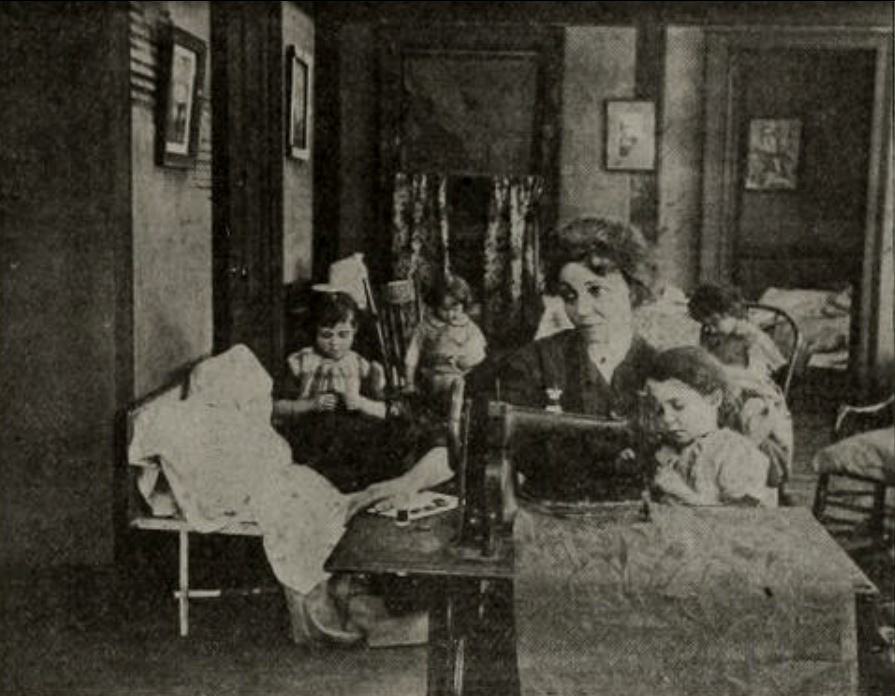
The White Terror arrives like a sulphur match struck in a sepulcher, its nitrate frames flickering between moral grand guignol and Progressivist pamphlet. Director Tom Ricketts, armed with Raymond L. Schrock’s scalding scenario, fuses melodrama with muckraking so brazenly that one expects Upton Sinclair to lunge from the wings applauding. Yet within this 1920 five-reeler lies a discomfiting sophistication: it indicts capital not through sentimental waifs alone but through systemic anatomy—legislative capture, medical quackery, editorial self-censorship, gendered complicity.
Shot on location in a derelict New England mill, cinematographer Allen Holubar exploits chiaroscuro like a Caravaggio apprentice. Frames alternate between blizzards of cotton lint—so thick they resemble Arctic fog—and cavernous boiler rooms where sweat beads glisten like black pearls on child brows. One unforgettable insert frames a consumptive girl wheezing beneath a stained-glass window depicting a pastoral shepherd, crimson light dripping across her collarbones; the sacred and the profane copulate in a single tableau.
Howard Crampton’s Emerson Boyd is a cadaverous Midas—every syllable he utters seems to clink like coins in a velvet sack. His physicality evokes a mortician’s ruler: spine erect, hands steepled as if in perpetual prayer to ledgers. Contrast Frederick Sullivan’s Matthew Brand, whose posture loosens scene by scene, evolving from lounge-lizard languor to crusading fervor. Watch his eyes during the sanatorium rally: pupils ignite with a zeal bordering on erotic—his love for Eleanor merging imperceptibly with love of mankind.
Frances Nelson’s Eleanor, meanwhile, refuses the cliché of porcelain heiress. In the bomb-concealment sequence she oscillates between tremors of dread and sudden flares of agency, stuffing incriminating documents into her blouse with the deft urgency of an anarchist courier. Her eventual illness is not Victorian punishment but narrative fulcrum: the body politic made flesh.
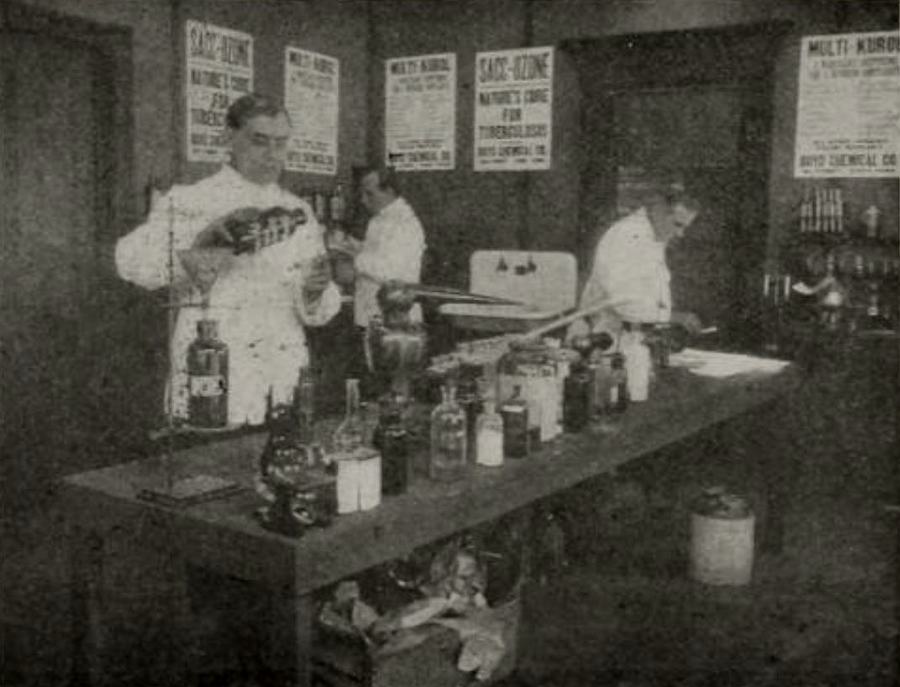
Though silent, the picture pulses with aural suggestion. Intertitles clatter like typewriter strikes: “SACRO-OZONE—THE BREATH OF LIFE!” followed immediately by “A draught of death in peach-blossom glass.” Pianists in 1920 were advised to segue from Waldteuflesque waltzes into dissonant clusters whenever Saco-Ozone bottles glide across the screen. Contemporary restorations augment this with tubercular wheezes, distant looms, and—during the explosion—a sub-bass thud that rattles ribcages.
Schrock’s script is a Swiss watch of cause-effect. The muzzling of the Clarion occurs via city-council cronyism, yet the same aldermen later invoke fiscal prudence to block the sanatorium—an ideological pretzel that feels nauseatingly modern. When Boyd finally capitulates, the film withholds cathartic triumph; reconstruction montages are intercut with funerals of workers too far gone, a reminder that justice delayed still harvests bodies.
Compare this with Entre ruinas, where ruin is aesthetic spectacle, or The Lure of Millions’s belief that wealth inherently self-corrects. The White Terror offers no such anesthesia; its moral universe demands complicity acknowledged, restitution material.
Saco-Ozone deserves film-history immortality alongside Marvelous Maciste’s steroidic panaceas. Its label—an aurora borealis of peach and cobalt—promises "vivid lung meadows restored to verdant bloom." In a ghastly marketing coup, Boyd’s men hand out free dossiers to sanitarium nurses, commodifying empathy itself. The film’s most mordant gag shows a billboard hovering above a children’s ward: “Breathe Tomorrow Today—Ask for Ozone!”
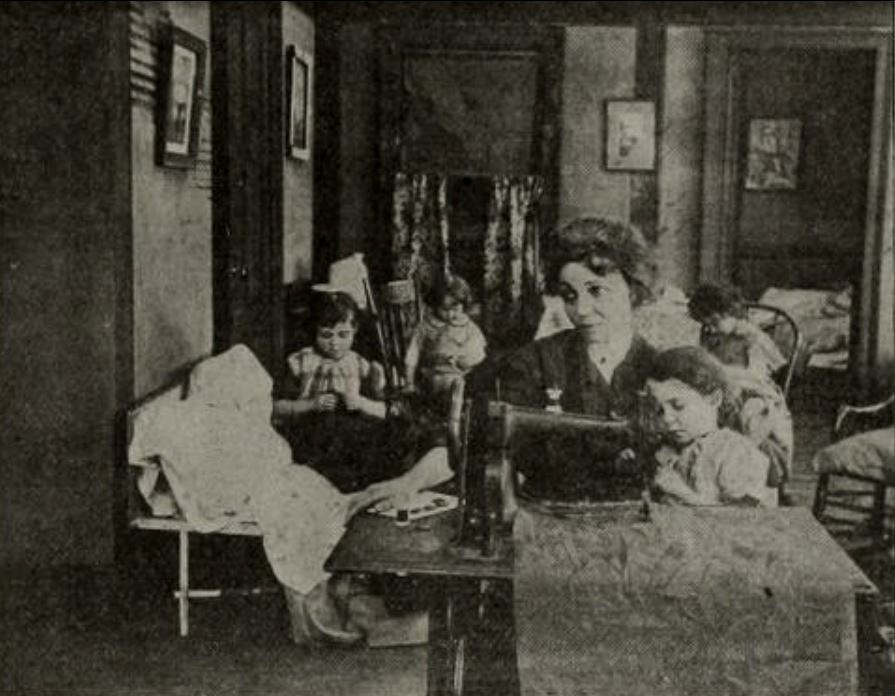
Eleanor’s trajectory limns feminist undercurrents bubbling beneath Progressivist outrage. Initially a bargaining chip between Duncan’s ambition and her father’s dynasty, she weaponizes domestic space—inviting Brand to parlors, secreting pamphlets beneath sheet music—turning the gilded cage into Trojan horse. The film subtly nods to laboring women: a vignette of a mill girl pinning curls back before the shift, eyes meeting Eleanor’s through a pane—solidarity in a glance, wordless yet seismic.
Long presumed lost, a 35mm tinted nitrate print surfaced in a Slovenian monastery vault in 2018. The San Francisco Silent Film Festival oversaw a 4K wet-gate scan, reconstructing amber and viridian tints referenced in 1920s cue sheets. The current Blu-ray (Kino-Faultline, region-free) pairs the film with a new score by Alexander Zhurbin—strings, prepared piano, and sampled antique ventilators. Streaming via Criterion Channel includes an essay by Dr. Naomi Sakr situating Saco-Ozonism within today’s supplement industrial complex.
Watch The White Terror beside reports of opioid litigation or climate-change lobbying and you’ll feel time collapse like a lung. Replace cotton dust with micro-plastics, city aldermen with dark-money PACs, Saco-Ozone with unregulated vaping tonics; the scaffolding of extraction remains. Yet the film also whispers strategies: coalition journalism, interclass alliance, moral suasion amplified through female convalescence. Eleanor’s recovery is not mere personal victory—it is policy made flesh, lungs reinflated by municipal gardens, open windows, living wages.
Against The Sin of a Woman’s privatized penance or Fides’s redemptive martyrdom, The White Terror argues that structural sin demands structural absolution. Its closest cousin might be Gatans barn’s urban-reform fury, yet where that Swedish melodrama sentimentalizes street urchins, the American picture implicates viewers: every purchase, vote, silence.
For aficionados who revere Ireland, a Nation’s historical frescoes or Where the Trail Divides’s frontier ethics, The White Terror offers an urban counter-myth—America’s grandeur curdled into necropolis. Its restoration should festoon year-end best-of lists, not as archaeological curiosity but as living indictment. Grade: A+. Mandatory viewing for policy students, public-health crusaders, cineastes hungry for a yarn that scorches as it illuminates. Let its final image linger: a confetti-strewn banquet where Eleanor raises a flute of mountain-spring water—transparent, effervescent, untainted—and the camera holds, waits, dares us to taste.
IMDb 5.6
1918
Community
Log in to comment.