DbcultAccessing Vault...
6.4/10
Senior Film Conservator
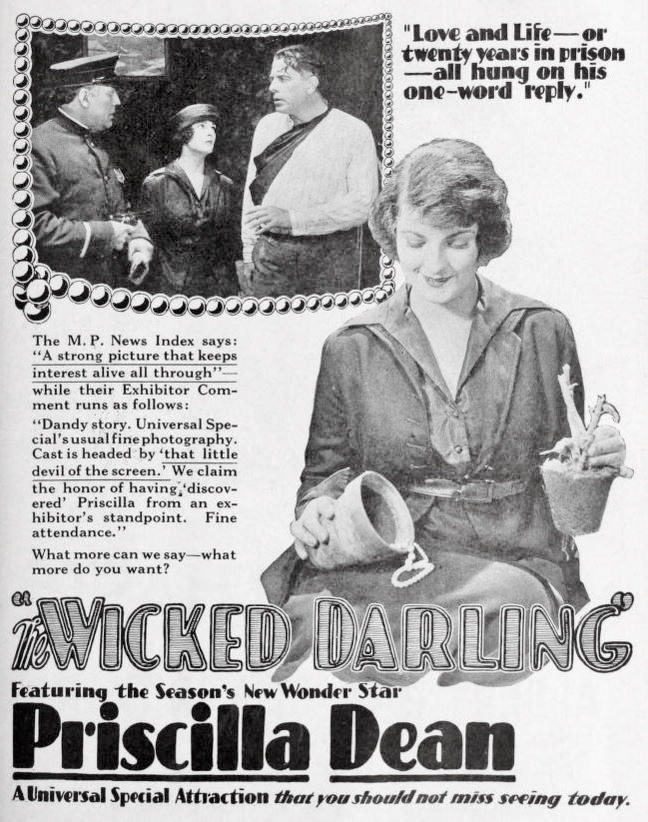
A definitive 6.4/10 rating for a film that redefined the boundaries of cult cinema. The Wicked Darling remains a cornerstone of transgressive art.
Stepping back into the cinematic landscape of 1919, one encounters a fascinating tapestry of burgeoning storytelling, where the visual narrative reigned supreme, unburdened by the spoken word. Amidst this vibrant, experimental period, The Wicked Darling emerges not merely as a historical curiosity, but as a potent social commentary, a melodrama steeped in the stark realities of urban struggle and the capricious nature of fate. This particular offering from Universal Pictures, under the direction of Tod Browning, though uncredited, showcases the raw, visceral power of silent film to convey complex human emotions and societal critiques.
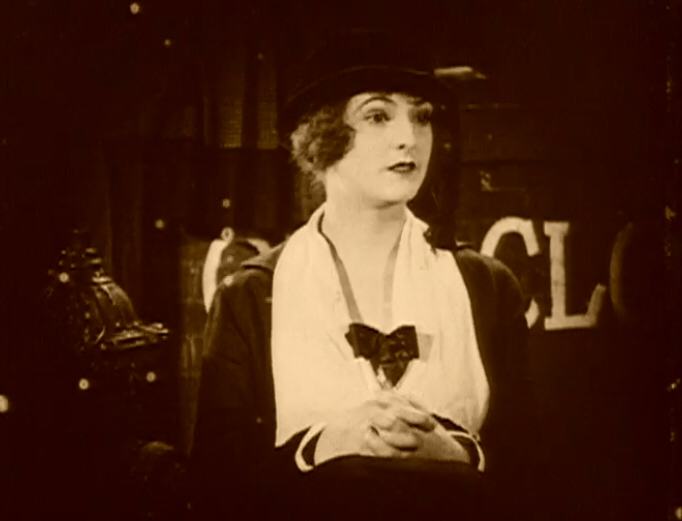
At its core, the film unravels a narrative that is both timeless and deeply rooted in its era: the plight of the marginalized. We are introduced to a young woman, a denizen of the city's unforgiving slums, whose existence is a perpetual tightrope walk between survival and destitution. Her desperation, a palpable force, compels her to embrace a life of petty crime. This grim reality sets the stage for a pivotal act: the theft of a valuable necklace from a prominent society matron. This single, audacious act of larceny is not merely a plot device; it is a desperate cry against the systemic inequalities that define her world, a stark manifestation of the chasm separating the opulent elite from the struggling masses. The subsequent flight and accidental sanctuary she finds in the home of a man who, by a cruel twist of destiny, is the very estranged fiancé of her victim, weaves a web of dramatic irony that is both compelling and deeply unsettling. It’s a narrative technique that echoes the intricate, often morally ambiguous, entanglements found in other films of the era, such as Tainted Money, which similarly explores the corrosive effects of financial desperation on human morality.

No discussion of The Wicked Darling would be complete without a profound acknowledgment of the towering presence of Lon Chaney. Often hailed as 'The Man of a Thousand Faces,' Chaney's genius lay in his unparalleled ability to transform, not just physically through elaborate make-up, but emotionally, conveying a universe of internal conflict with a mere twitch of a muscle or a piercing gaze. In this film, he inhabits a role that, while perhaps not as iconic as his later portrayals of Quasimodo or the Phantom, is nevertheless imbued with his characteristic intensity and psychological depth. Chaney's performance transcends the limitations of silent cinema, communicating volumes without uttering a single word. His character, the man caught in this intricate web of past romance and present predicament, becomes a canvas for Chaney's subtle yet powerful acting. He doesn't merely play a part; he embodies the weight of his character's history, the lingering pain of a broken engagement, and the unexpected moral dilemma presented by the young thief. It's a masterclass in non-verbal communication, a testament to his unique artistry that allowed him to project pathos, menace, or vulnerability with equal conviction. One might draw parallels to his nuanced portrayal in The Clown, where he similarly explored the tragic dimensions of a character grappling with societal scorn and personal sorrow, using his body and expressions as his primary tools of articulation. The sheer magnetism he brought to the screen ensures that even in supporting or less flamboyant roles, his presence is utterly captivating, anchoring the dramatic tension with an almost gravitational pull.
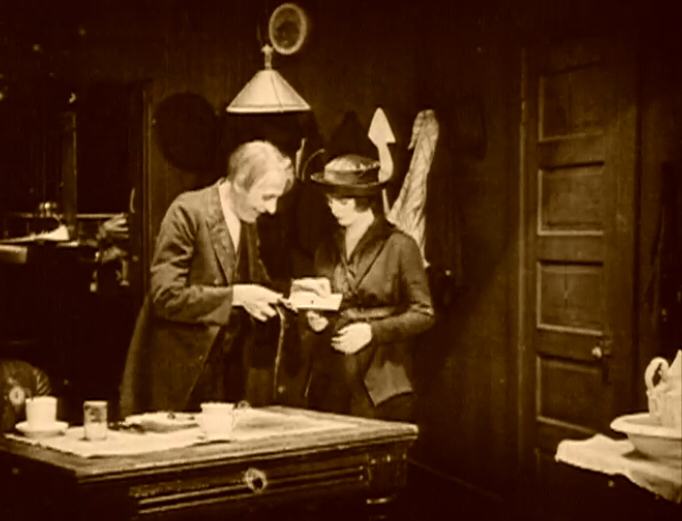
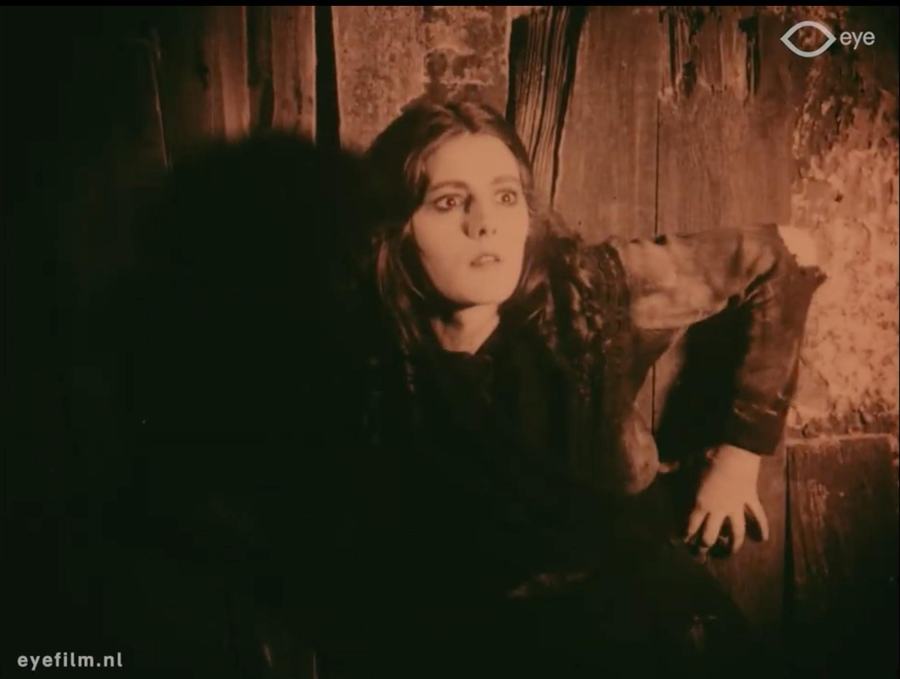
While Chaney's star power is undeniable, the film's emotional core truly rests on the shoulders of Priscilla Dean, who delivers a remarkably nuanced performance as the desperate slum girl. Dean imbues her character with a compelling blend of vulnerability and nascent defiance, making her plight deeply empathetic. Her transformation, from a hardened survivor of the streets to a woman grappling with an unexpected moral entanglement, is handled with a delicate touch, avoiding the pitfalls of caricature. She conveys the constant threat of exposure, the internal conflict of her actions, and the burgeoning, complicated feelings that arise from her forced proximity to the man whose life she has inadvertently disrupted. Dean’s ability to project such raw emotion without dialogue speaks volumes about her talent and the effectiveness of silent film acting when executed with skill. Her performance here might remind viewers of the strong, often troubled female leads in films like The Lure of New York, which also centered on women navigating the perils and promises of urban life with a fierce independence.
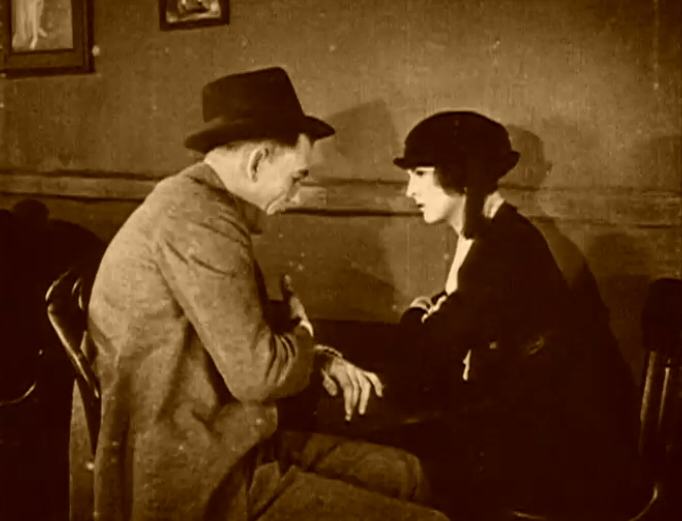
The supporting cast, though perhaps less prominent, contributes significantly to the film's texture. Wellington A. Playter, as the former fiancé, navigates the complexities of his character with a quiet dignity, portraying a man wrestling with past heartbreak and an unforeseen moral quandary. His interactions with both Dean and Chaney are subtle yet effective, building the intricate emotional architecture of the narrative. Martha Mattox and Arthur Millett, alongside Kalla Pasha, Bobbie Mack, Gertrude Astor, and Spottiswoode Aitken, each contribute to the bustling, often unforgiving world depicted, adding layers of authenticity to the various social strata and character types. The collective effort elevates the film beyond a simple crime drama, transforming it into a poignant exploration of human resilience and the unexpected turns of destiny.

While Tod Browning remained uncredited, his distinctive directorial touch is unmistakably present throughout The Wicked Darling. Browning, known for his masterful command of atmosphere and his fascination with the macabre and the marginalized, crafts a visually rich and emotionally resonant experience. His direction ensures that every frame serves the narrative, using composition and lighting to heighten tension and underscore character motivations. The cinematography, though details of the specific director of photography are elusive, demonstrates a keen understanding of silent film aesthetics. The use of shadow and light, particularly in the grittier slum scenes and the intimate moments within the accidental sanctuary, is particularly effective. It’s a visual language that speaks volumes, creating a palpable sense of danger, vulnerability, and burgeoning intimacy. The pacing, a crucial element in silent film, is expertly managed, allowing moments of quiet contemplation to breathe before accelerating into dramatic confrontations. This sophisticated visual storytelling sets it apart, much like the intricate visual narratives found in films such as Angoisse, where the atmosphere itself becomes a character, driving the plot forward with silent intensity.
The film's visual style is a powerful tool for expressing the underlying themes. The contrast between the opulent world of the socialites and the squalor of the slum is not merely implied by the plot; it is visually manifested through set design, costume, and lighting. This stark juxtaposition underscores the film's social commentary, highlighting the vast disparities of wealth and opportunity that defined the era. The camera lingers on faces, capturing the minute expressions that convey fear, hope, suspicion, and longing – all without the aid of dialogue. This reliance on visual cues demands a heightened level of engagement from the audience, drawing them deeper into the characters' inner worlds. One can appreciate the careful attention to detail in establishing these disparate environments, a commitment to visual realism that enhances the narrative's emotional impact. This meticulous approach to setting and atmosphere is reminiscent of the immersive world-building seen in films like The House of a Thousand Candles, where the environment itself plays a crucial, almost sentient role in the unfolding drama.
The intricate narrative of The Wicked Darling is the product of a collaborative writing effort by Evelyn Campbell, Harvey Gates, and Waldemar Young. Their combined talents weave a compelling story that balances melodrama with genuine human drama. The plot, while relying on a significant coincidence to propel its central conflict, manages to feel earned rather than contrived due to the depth of characterization and the exploration of moral ambiguities. The writers skillfully build suspense, not just around the immediate threat of discovery, but also around the evolving relationships between the characters. They delve into themes of redemption, the possibility of second chances, and the inherent goodness that can emerge even from the most compromised circumstances. The dialogue, presented through intertitles, is concise and impactful, serving to advance the plot and reveal character without over-explanation, a hallmark of effective silent film screenwriting. The story's progression, from the initial act of desperation to the complex resolution, showcases a sophisticated understanding of dramatic structure, ensuring that the audience remains invested in the fate of its protagonists. This thoughtful construction of character and plot can be seen as a precursor to the intricate narrative designs found in later, more celebrated works, demonstrating a foundational understanding of compelling storytelling that resonates even today. The writers' ability to craft a story that feels both grand in its dramatic scope and intimate in its character study is commendable, highlighting the often-underappreciated artistry behind silent film screenplays. Their work here demonstrates a keen awareness of how to maximize emotional impact within the constraints of the medium, a skill that is truly on display. In comparison, films like Officer 666, while also reliant on mistaken identity, often leaned more into comedic elements; The Wicked Darling utilizes its plot twists for more profound emotional and social exploration.
While perhaps not as widely celebrated as some of Chaney's later, more flamboyant vehicles, The Wicked Darling holds a significant place in the annals of silent cinema. It is a testament to the power of visual storytelling and the enduring appeal of human drama. The film's themes of social inequality, moral compromise, and the search for redemption remain as relevant today as they were over a century ago. Its exploration of characters living on the fringes of society, forced into desperate acts, offers a window into the social consciousness of the early 20th century, a perspective that resonates with contemporary discussions about poverty and justice. The film's ability to evoke empathy for its 'wicked' protagonist challenges simplistic notions of good and evil, urging viewers to consider the circumstances that shape human behavior. It’s a cinematic artifact that not only entertains but also provokes thought, inviting reflection on the societal structures that create such disparities. This nuanced approach to character and theme sets it apart from more straightforward melodramas, aligning it more closely with the psychological depths found in a film like Ghosts, which also delved into the moral complexities of its characters' lives.
For cinephiles and historians alike, The Wicked Darling offers a rich viewing experience. It allows us to witness the early stages of cinematic artistry, the development of narrative techniques, and the captivating performances of actors who mastered the art of conveying emotion without dialogue. It serves as a reminder of the foundational elements upon which all subsequent cinematic achievements have been built. The enduring power of its story, coupled with the magnetic performances, particularly from Chaney and Dean, ensures that this film remains a compelling watch, transcending its historical context to speak to universal human experiences. Its subtle exploration of identity, destiny, and the unforeseen consequences of desperation makes it a valuable piece of cinematic heritage, inviting repeated viewings and deeper analysis. The film, in its quiet intensity, proves that even in an era without sound, cinema possessed an profound capacity to move, challenge, and enlighten its audience. It stands as a powerful example of how compelling storytelling can bridge the gap of time and technological advancement, proving that the human heart of a narrative is truly timeless. Much like the timeless appeal of a classic like Love Never Dies, it explores enduring human emotions that transcend the specific era in which it was created.
IMDb —
1924
Community
Log in to comment.