DbcultAccessing Vault...
7.3/10
Senior Film Conservator
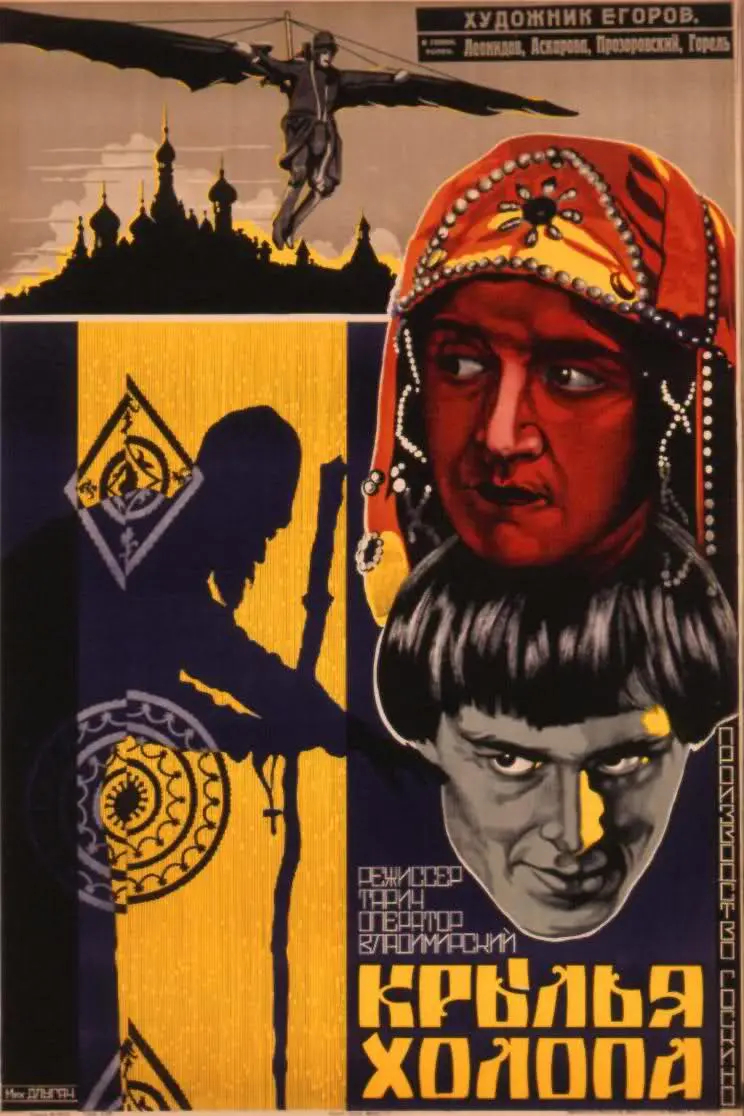
A definitive 7.3/10 rating for a film that redefined the boundaries of cult cinema. The Wings of a Serf remains a cornerstone of transgressive art.
Short answer: Yes, but it comes with a caveat. The Wings of a Serf offers a fascinating glimpse into the lives of serfs in 16th century Russia, blending historical accuracy with a compelling narrative that explores themes of freedom and the cost of pursuing one's dreams.
This film is a must-watch for those interested in historical dramas, particularly those set in the early modern period. If you're looking for a film that challenges your perceptions of ambition and the status quo, this is your film. However, if you're expecting a high-octane action film or a straightforward period piece, The Wings of a Serf may not meet your expectations.
1. The Wings of a Serf excels in its portrayal of the harsh realities of serfdom, offering a nuanced and historically accurate depiction of life in 16th century Russia. The film's attention to detail, particularly in the costumes and sets, brings the era to life, providing a rich visual experience.
2. The performances from the ensemble cast, particularly O. Britan as Ivan Tchibuya, are emotionally compelling. Britan's portrayal of Tchibuya's journey from hope to despair is both moving and authentic, making the character's struggles relatable.
3. The film's use of magical realism, where Tchibuya's aspirations for flight are woven into the narrative, adds a layer of enchantment to the story. This approach not only enhances the film's visual appeal but also comments on the impossibility of breaking free from one's circumstances.
1. The pacing of The Wings of a Serf can be uneven at times, with certain scenes feeling drawn out while others feel rushed. This inconsistency may make the film feel disjointed to some viewers.
2. The film's reliance on historical accuracy occasionally detracts from the narrative, with some plot points feeling overly didactic. While this attention to detail is appreciated, it can sometimes slow down the pacing and detract from the emotional impact of the story.
3. The film's ending, while satisfying in its thematic resolution, can feel somewhat contrived. The resolution of Tchibuya's story, while poetic, may not fully satisfy all viewers, especially those who prefer a more straightforward narrative.
1. You are a fan of historical dramas and are interested in exploring the lives of serfs in 16th century Russia.
2. You appreciate nuanced performances and are willing to engage with a story that challenges your perceptions of ambition and societal norms.
3. You enjoy a film that balances historical accuracy with a touch of magical realism, offering a rich and immersive viewing experience.
The Wings of a Serf features a strong ensemble cast, with standout performances from O. Britan as Ivan Tchibuya and Klavdia Chebyshyova as his love interest. Britan's portrayal of Tchibuya is particularly noteworthy, as he brings a depth of emotion and vulnerability to the character. His performance in the scene where Tchibuya first tests his flying machine, filled with both hope and trepidation, is particularly powerful. Chebyshyova's character, who serves as both a love interest and a symbol of hope for Tchibuya, is equally compelling, providing a emotional anchor for the story.
While the supporting cast, including Vassiliy Makarov and Nikolai Prozorovsky, also deliver strong performances, the film's focus on Tchibuya and his relationship with Chebyshyova takes center stage. These performances, along with the film's direction and cinematography, create a rich and immersive experience that draws the audience into Tchibuya's world.
Director Yuri Tarich has crafted a visually stunning film that effectively captures the essence of 16th century Russia. The cinematography, by Viktor Shklovskiy, is a standout element of the film, with its use of natural light and sweeping landscapes creating a sense of grandeur and melancholy. A particularly memorable scene is the opening sequence, where Tchibuya's village is shown against the backdrop of a lush, rolling landscape. This scene not only sets the tone for the film but also provides a visual representation of the serf's environment, emphasizing the stark contrast between Tchibuya's dreams and his reality.
The film's use of color and lighting also plays a crucial role in conveying the emotional depth of the story. For example, the use of warm, golden hues in scenes depicting Tchibuya's moments of hope and despair creates a sense of nostalgia and longing. In contrast, the colder, more muted tones used in scenes depicting the harsh realities of serfdom underscore the bleakness of Tchibuya's situation.
The Wings of a Serf maintains a steady pace throughout, with moments of tension and contemplation balanced by quieter, more reflective scenes. The film's tone is a delicate blend of hope and despair, with moments of levity providing a respite from the more沉重的主题。例如,在Tchibuya首次测试飞行装置的场景中,导演巧妙地利用了自然光和宽广的景深,营造出一种既充满希望又略带忧郁的氛围。这一场景不仅体现了Tchibuya的内心挣扎,也加深了观众对角色情感深度的理解。
然而,尽管电影在视觉上取得了成功,但其叙事节奏有时显得不够紧凑。某些场景显得拖沓,而其他场景又显得过于紧凑,这可能导致观影体验的不连贯感。此外,电影对历史细节的过度关注有时会削弱叙事的流畅性,某些情节显得过于说教,这可能会影响观众的情感投入。
Overall, The Wings of a Serf is a thought-provoking and visually stunning film that offers a unique perspective on the lives of serfs in 16th century Russia. While it may not be for everyone, it is certainly worth watching for those interested in historical dramas and emotionally compelling narratives. The film's strengths lie in its rich visual storytelling and nuanced performances, making it a standout entry in the genre.
IMDb —
1924
Community
Log in to comment.