DbcultAccessing Vault...
Cult Review
Senior Film Conservator
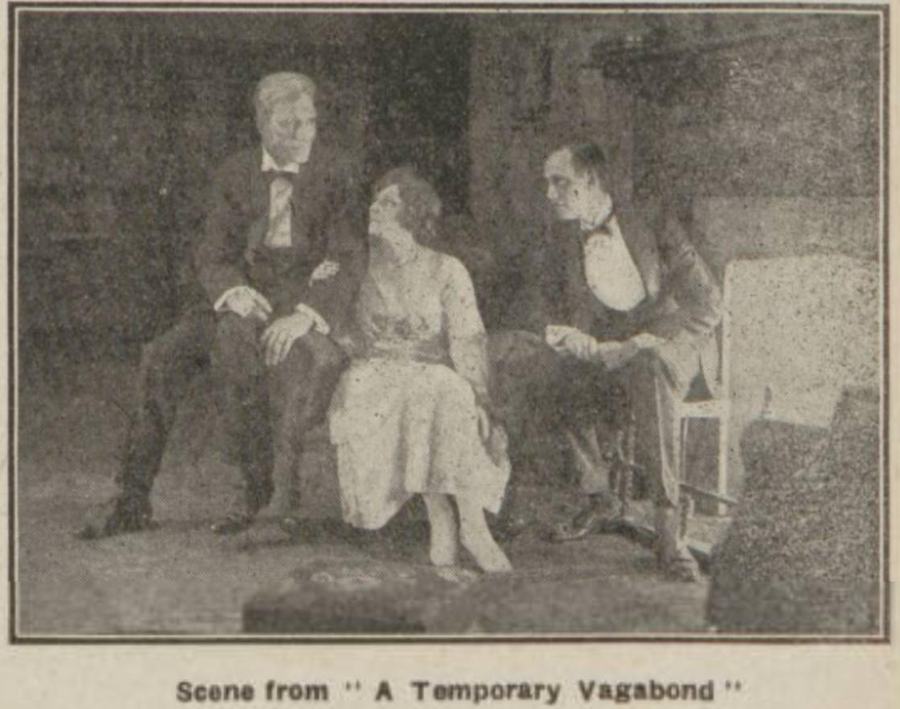
Somewhere between the sooty celluloid nightmares of Weimar and the jazz-handed optimism of Hollywood’s first golden bloom, Britain muttered its own quiet revolution in A Temporary Vagabond—a film so elusive that even the BFI’s nitrate sleuths once mistook its lone surviving reel for a newsreel of Cornish fishermen. When the lights claw back on after the final frame, what lingers is not the plot’s elegant vertebrae but its marrow: the smell of wet earth, the rattle of a quill signing away centuries of hurt, and the Cheshire-cat grin of Douglas Munro as the benevolent traitor to his class.
Picture a London dawn the colour of nicotine: our protagonist—nameless in the opening titles, merely “The Squire’s Son”—stalks through Covent Garden’s flower market, notebook twitching like a caffeinated sparrow. He is collecting gossip for his third society novel, the sort of fluff that pays for silk cravats and absinthe brunches. A telegram arrives: his father has fractured a hip berating a tenant and demands filial obedience in the countryside. Cut to a steam train slicing through hedgerows; the city’s metallic heartbeat fades until all that remains is the wheeze of a harmonium in a stone church where tenant farmers sing about manna while their children chew candle stubs to quiet the hunger.
The estate is a museum of rust. Rent ledgers bulge like tumours. The squire, played with magnificent spittle by Stephen Ewart, lords over a domain where sheep earn more compassion than people. Our ink-slinger intends a fortnight of condescending ethnography—material for a tart satire—until he meets the village’s unofficial mayor: a widowed apple-grower (Chrissie White) who treats his urbane witticisms as though they are moldy apples she refuses to buy. Her disdain performs open-heart surgery on his conscience.
Night by night, the novelist lurks in the pub’s lantern glow, listening to fishermen talk of shoals vanishing from warming currents, of children coughing blood into handkerchiefs. He begins scribbling—but not fiction. He drafts a prospectus: communal granaries, a cider press co-op, a credit union backed by the manuscript advance he hasn’t yet spent. When he pitches the idea to the tenants, they laugh until they realize the amateur banker wearing spats is deadly earnest. Thus the transformation: the dandy becomes a peripatetic philanthropist, slipping through moonlit lanes with a purse of sovereigns, buying back heirlooms from pawnbrokers, turning the manor’s hayloft into a night school where lamplight and literacy bloom together.
But a story this incandescent must cast a black shadow. The squire discovers his heir’s perfidy; eviction notices flutter like white ravens. The climactic set-piece is a candlelit tribunal in the marble hallway where generations of land-tyrants once toasted empire. Father and son hurl heritage like a weapon—portraits, swords, deed scrolls—until the camera isolates the quivering nib of the son’s fountain pen poised above the entail. Sign, and the estate passes to a cousin who will torch the co-ops; refuse, and the family line collapses into pauper folklore. Munro’s face, veiled in cigarette haze, dissolves into a smile both beatific and fatal. He signs—but the name he writes is not his own. It is the pseudonym he once used for penny dreadfuls: a legal loophole that renders the contract void and gifts the lands to a trust governed by the villagers themselves. Cue the peasants storming the manor, not with torches but with accordions and garlands, converting the banquet table into a communal dough-kneading altar while the defeated squire crawls away, a gouty King Lear without a kingdom.
Douglas Munro—today a footnote—should be idolized alongside Fairbanks and Keaton. Watch the way his shoulders ascend in the opening reels as though buoyed by invisible balloon strings of entitlement; by the finale those same shoulders arc forward like a protective awning over a child learning to read. The transition is not the hoary cliché of rich-man-turned-saint but something knottier: a man terrified of his own courage, tasting power by giving it away.
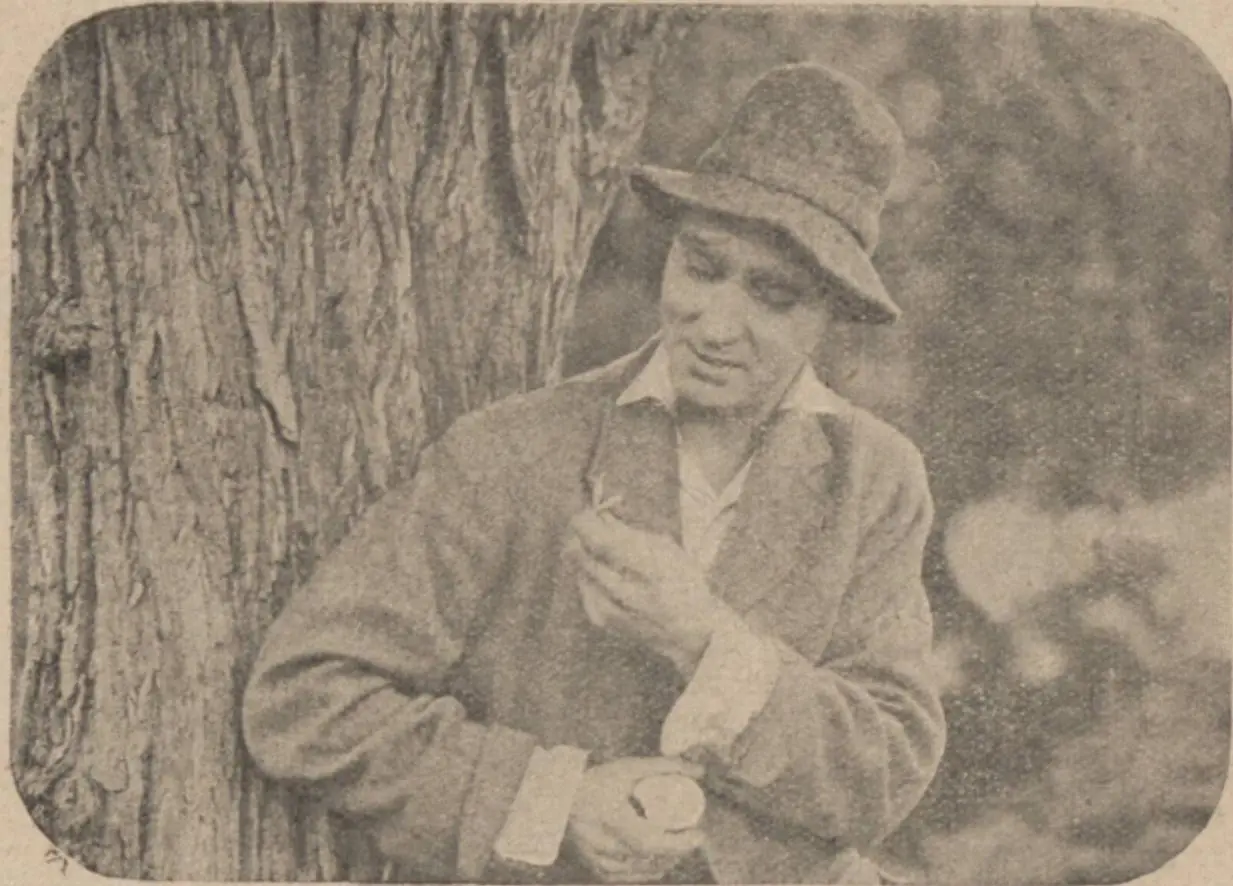
Chrissie White radiates pragmatic warmth; her close-ups could launch a thousand agrarian revolutions. When she teaches a farmhand to spell his own surname, the delight that flickers across her face is worth more than the film’s entire prop budget. Henry Edwards, pulling double duty as co-writer and supporting player, embodies the family solicitor who pivots from sycophancy to co-conspirator once he realizes jurisprudence can be a hammer, not merely a leash.
Cinematographer John MacAndrews, better known for maritime newsreels, here composes frames that reek of loam and lamp-oil. Note the sequence where the camera tracks through a moonlit wheat field: every stalk seems to inhale, exhale, like the communal lung of the dispossessed. The tinting strategy—amber interiors, cobalt exteriors—serves as an ideological barometer: warmth belongs to the collective, cold to the antiquated hierarchy.
Compare this chromatic dialectic to My Lady Robin Hood, where greens stay green regardless of moral polarity, or the sooty monochrome of The Steel King’s Last Wish, which equates industry with moral bleakness. A Temporary Vagabond understands that color—literal and figurative—can be narrative.
Stuart Woodley’s scenario, punched up by Edwards, eschews title-card bloat; intertitles arrive like telegrams, clipped and crackling. One reads simply: “Property is hunger wearing a top-hat.” Another, mid-riot: “When the last ledger burns, who remembers the hand that wrote it?” Such aphoristic bravado predates the Soviet agit-prop montage by at least four years, suggesting that British socialism had its own celluloid manifesto before Eisenstein’s battleship rang out.
The three-act skeleton—fall from grace, communal incubation, insurrectionary catharsis—mirrors the contemporaneous Go West, Young Man, yet where that film rewards rugged individualism, Vagabond fetishizes the hive, the choir, the swarm.
The 2018 restoration premiered at Il Cinema Ritrovato with a new score by the folk collective Tatterdemalion: fiddles, bodhrán, and a musical saw that ululates like a banshee whenever Munro confronts filial guilt. The marriage of regional instruments to agrarian imagery proves revelatory; the same cannot be said for the earlier 1990 VHS transfer which slapped a generic honky-tonk piano atop every scene, turning class revolt into Keystone footnote.
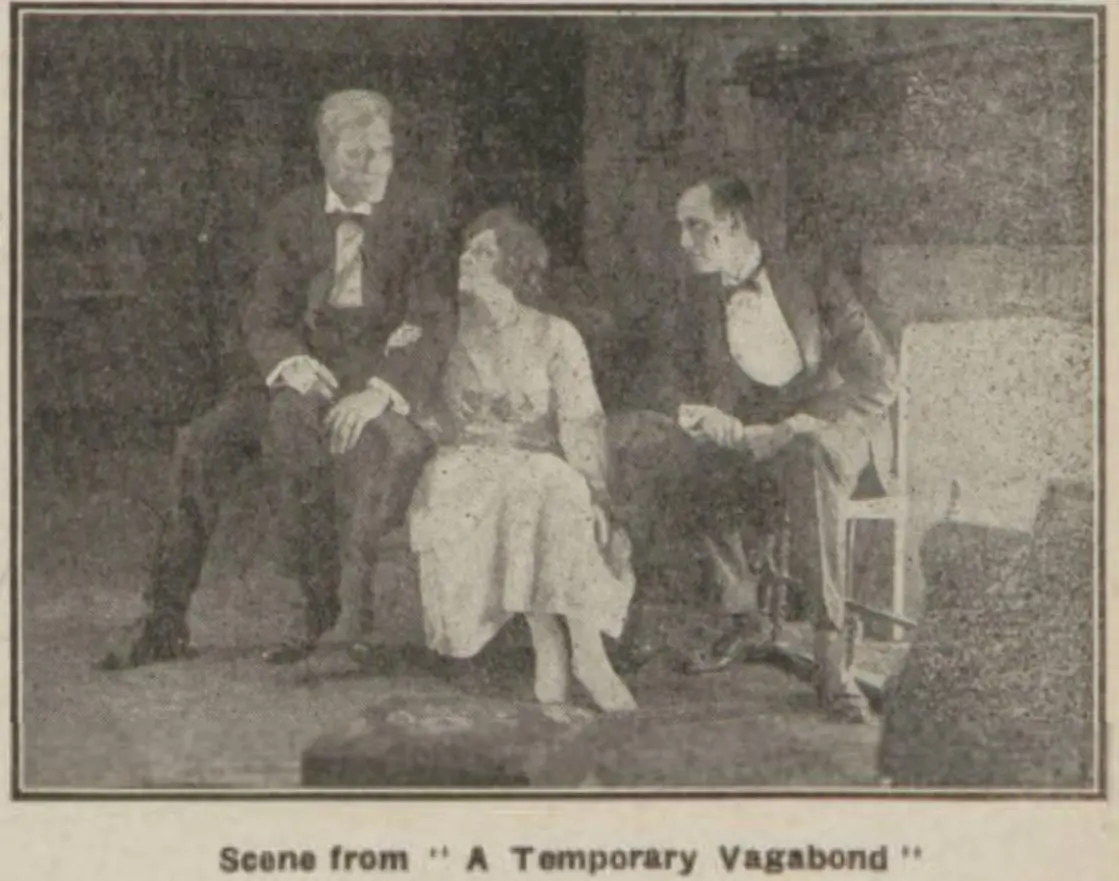
In 1920 Britain, with demobilized soldiers squatting in London’s docks and the Labour Party poised to eclipse the Liberals, the film’s vision of mutualized farmland felt utopian yet urgent. A century on, as gig-economy serfdom re-entrenches, the narrative’s balm glows hotter: community land-trusts, micro-credit circles, and co-working collectives are the digital age’s equivalent of the cider press co-op. The picture doesn’t merely preach; it provides a blueprint encoded in laughter, risk, and the erotic charge of shared labor.
Where Three Men and a Girl treats class mobility as a champagne farce, Vagabond treats it as blood-sport. Where Anita Jo glamorizes the flapper’s escape, this film wallows in the muck of staying put, digging in, and fighting for soil that tastes of your ancestors’ bones.
Yes, the third act courts melodrama: must every tyrant hobble off into thunderclouds? Yes, the sole Black character—a sailor who appears for thirty seconds to teach children calypso rhythms—functions as token exotic spice. And the gender politics, though progressive for 1920, still frame the heroine’s agency through maternal sacrifice. Yet these warts do not eclipse the film’s blazing heart; they contextualize it, remind us that even radicals carry the prejudices of their pocket-watch era.
As of 2024, the 2K restoration is streaming on RetroPlex+ with optional commentary by Dr. Lila Gaskell, the foremost scholar on Edwardian rural communitarianism. A Blu-ray is rumored for autumn, replete with a making-of documentary and Edwards’ annotated script (his marginalia includes grocery lists—oysters, potted shrimp—jotted beside notes on Marxist surplus theory).
Great cinema teaches you how to watch it. A Temporary Vagabond demands you trade passivity for complicity, sit among the villagers, taste the acidic cider, feel the paper-cut of a promissory note between your thumb and forefinger. Only then will you realize the most radical special effect is collective joy—no matte painting, no CGI, just the audacity to imagine property as a commons and laughter as interest compounded nightly.
Seek it out, projector or pixel. Let its silence scream. And when the last ledger burns, remember the hand that wrote this review—and the hand that wrote the film—are both still writing, still forging signatures on history’s endless, unfinished contract.
IMDb —
1935
Community
Log in to comment.