DbcultAccessing Vault...
Cult Review
Senior Film Conservator
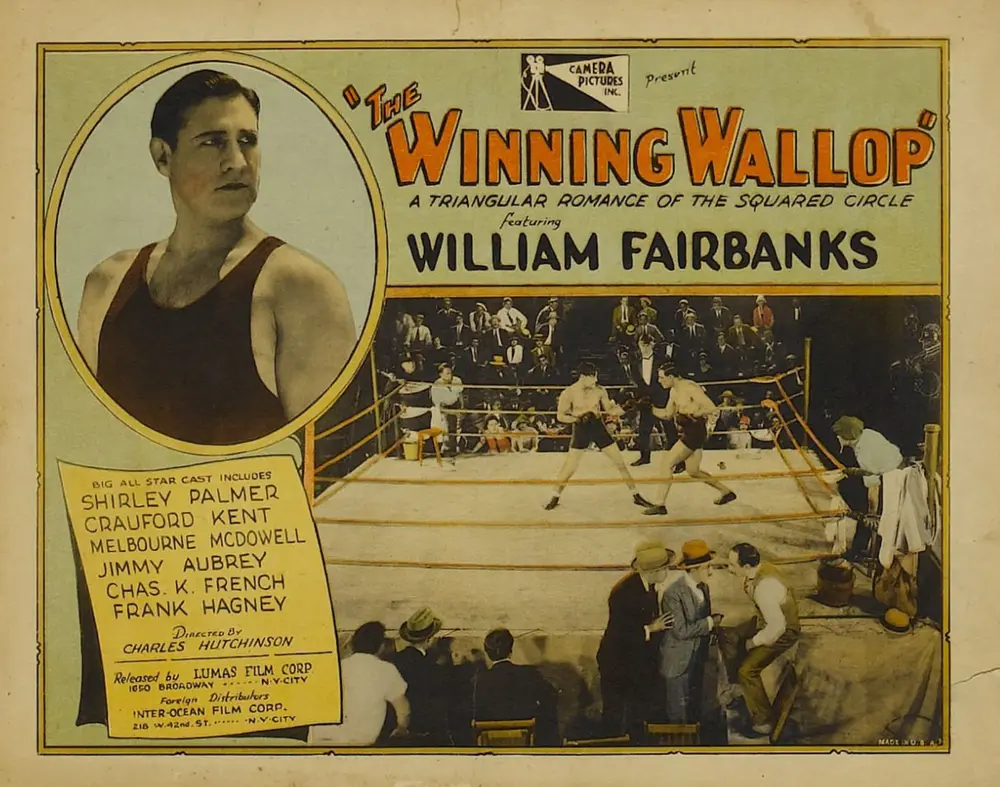
Short answer: Yes, but Rex's journey is more complex than it might seem at first glance. The film offers a nuanced take on ambition and personal sacrifice, making it a worthwhile watch for those interested in character-driven drama.
This film is for boxing enthusiasts and those interested in stories of personal growth and moral quandaries. It is not for viewers looking for a straightforward, action-packed drama or those who prefer films with more straightforward moral messages.
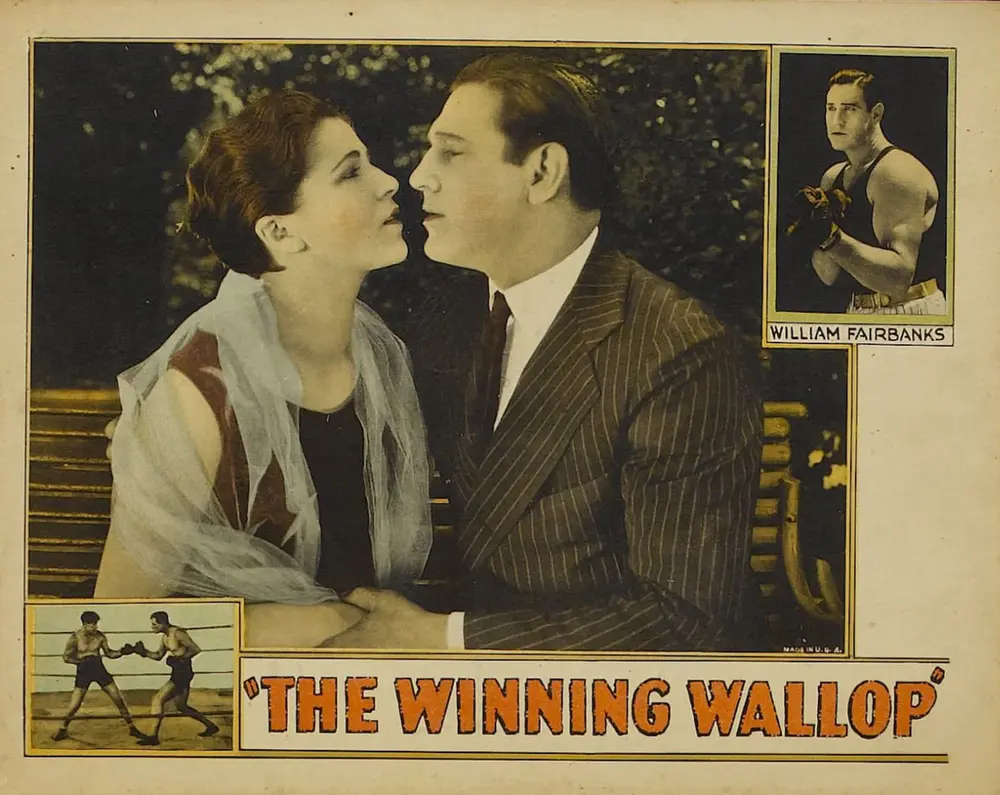
This film works because of its strong character development and the moral dilemmas it presents. The performances, especially from William Fairbanks, add depth to the story, making Rex's journey feel authentic and compelling. The film's pacing is well-balanced, allowing for both action and emotional weight.
This film fails because it occasionally relies on clichés and tropes common in boxing dramas. The moral dilemmas are sometimes underdeveloped, and the resolution feels somewhat predictable. Additionally, the film's tone can be uneven, with moments of humor that sometimes feel out of place.

You should watch it if you enjoy character-driven dramas with complex moral themes. The film's exploration of personal ambition and the challenges of following your dreams, even in the face of moral pressure, make it a worthwhile watch for those who appreciate nuanced storytelling.
William Fairbanks delivers a standout performance as Rex, portraying the character's journey with authenticity and nuance. His interactions with his girlfriend and the other characters in the gym are particularly well-crafted, adding layers to the story. Other supporting actors, such as Shirley Palmer and Melbourne MacDowell, also contribute to the film's emotional depth.
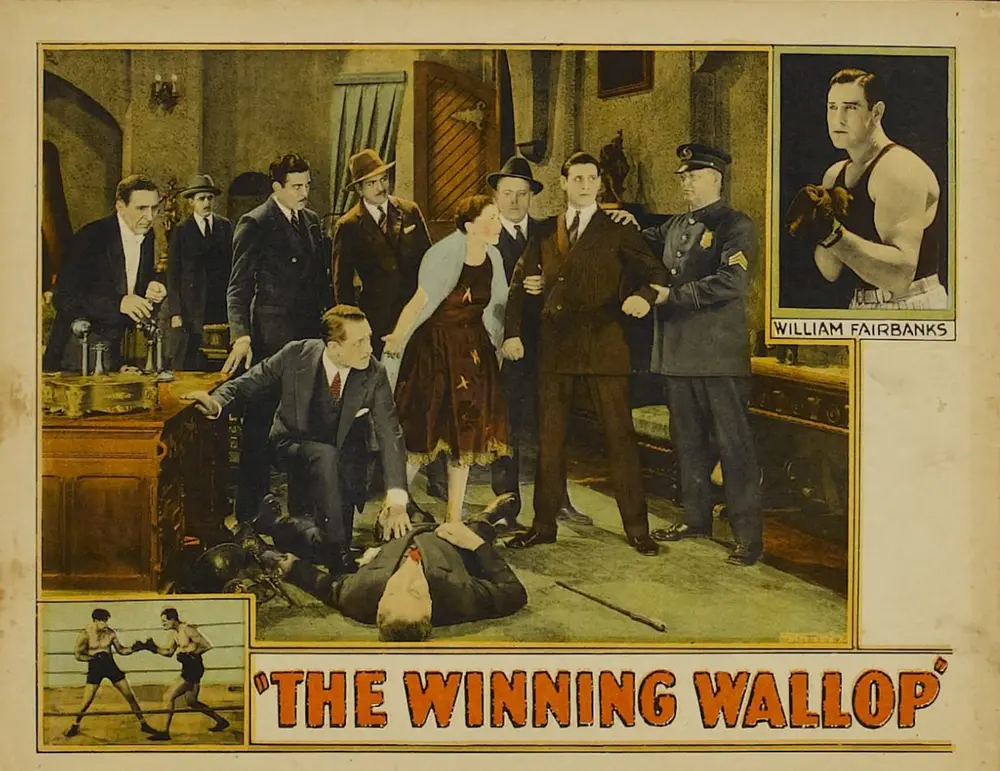
The film's direction by L.V. Jefferson is effective in capturing the essence of the boxing world and the emotional weight of Rex's journey. The scenes in the gym are well-shot, with a focus on the physicality and intensity of the training. However, some of the more dramatic scenes feel slightly staged, which can break the immersion.
The cinematography by Melbourne MacDowell is visually appealing, with a mix of close-ups and wide shots that effectively convey the intensity of the boxing scenes and the emotional weight of Rex's decisions. The use of light and shadow enhances the film's mood and creates a sense of drama throughout.
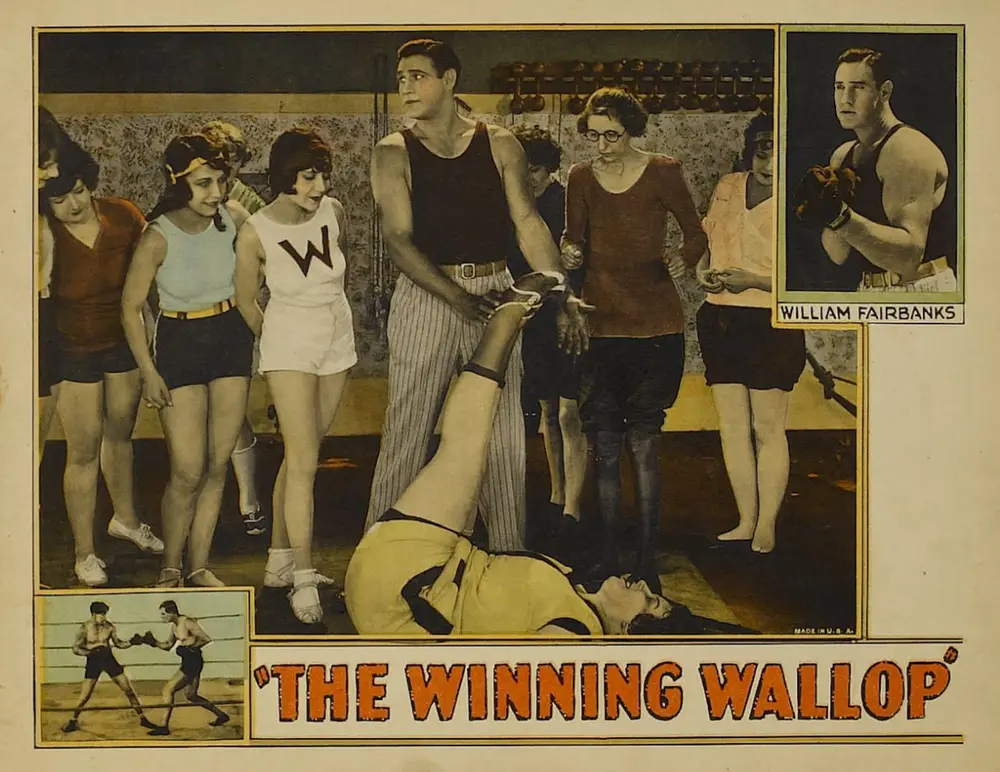
The pacing is generally well-balanced, with a mix of action scenes and quieter moments of reflection. The film does a good job of maintaining tension and emotional investment, but there are a few moments where the pacing feels slightly uneven, particularly in the latter half of the film.
The film's tone is a mix of drama, humor, and romance, which can sometimes feel a bit uneven. While the humor is generally well-integrated, there are moments where the film feels more comedic than dramatic, which can be jarring. The emotional moments are well-executed, particularly in the scenes involving Rex and his girlfriend.
For those who enjoy character-driven dramas with complex moral themes, The Winning Wallop is definitely worth a watch. The film offers a nuanced exploration of personal ambition and the challenges of following your dreams, even in the face of moral pressure. However, it's not for everyone. If you're looking for a straightforward, action-packed drama or a film with more straightforward moral messages, you might find the film lacking in those areas. The film's acting, direction, and cinematography are strong, but it occasionally relies on clichés and tropes that can feel familiar.
Pros:
Cons:
Overall, The Winning Wallop is a solid character-driven drama that explores the complexities of personal ambition and moral pressure. While it occasionally relies on familiar tropes and can feel uneven at times, the performances, direction, and cinematography are strong enough to make it a worthwhile watch for those interested in nuanced storytelling. It works. But it’s flawed.

IMDb 5.4
1930
Community
Log in to comment.