DbcultAccessing Vault...
Cult Review
Senior Film Conservator
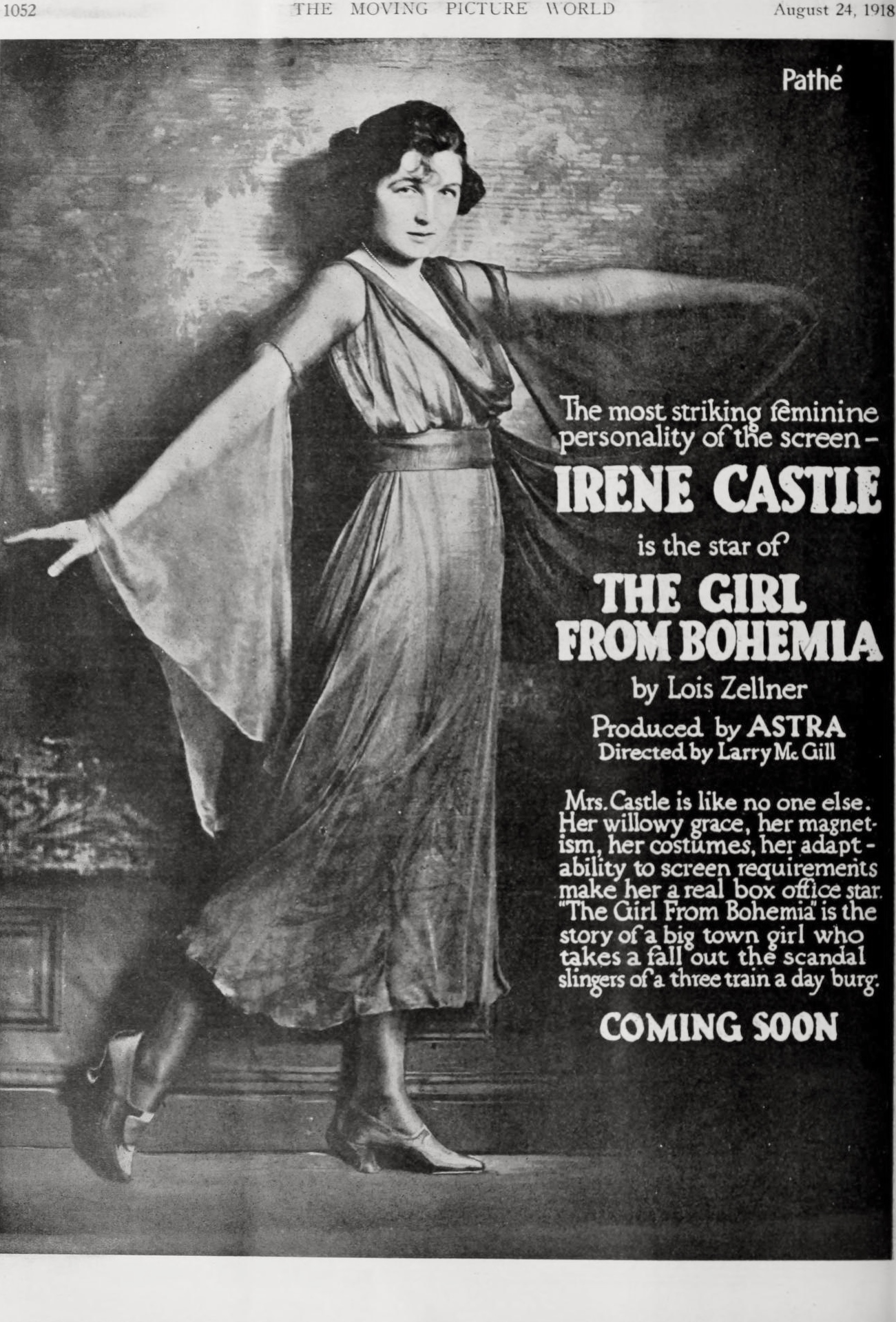
The cinematic landscape of the late 1910s often grappled with the tension between the burgeoning modernity of urban centers and the calcified traditions of the American South. In The Girl from Bohemia, directed with a keen eye for social friction, we witness a fascinating intersection of these worlds. The film serves as a vehicle for Irene Castle, whose real-life persona as a fashion icon and dancer informs every frame of Alice Paige’s transition from the bohemian haunts of New York to the dusty, judgmental streets of Mayport.
The opening sequences in Greenwich Village are rendered with a kinetic energy that mimics the intellectual ferment of the era. Alice is not merely a resident; she is a manifestation of the 'New Woman,' a figure that frequently appeared in contemporary works like The Silent Woman. When the plot shifts to Mayport, the visual language undergoes a stark transformation. The cinematography, credited to a meticulous crew, utilizes the sprawling Southern landscape to emphasize Alice’s isolation. The estate she inherits is not a sanctuary but a gilded cage, guarded by a maiden aunt who represents the Victorian ghosts still haunting the American psyche.
Lois Zellner and Roy Somerville’s screenplay deftly avoids the pitfalls of simple caricature. While the townspeople are initially presented as narrow-minded, their skepticism of Alice is rooted in a genuine fear of the unknown. This creates a psychological depth rarely seen in the era's more formulaic offerings, such as The Make-Believe Wife. Alice’s 'unconventional ways' are not merely for shock value; they are an ontological challenge to the status quo of Mayport.
The introduction of Canton Leigh (Edward Cecil) shifts the film into the realm of industrial melodrama. As a shipyard owner, Leigh represents the burgeoning capitalist power that was reshaping the South. The chemistry between Castle and Cecil is palpable, yet it is framed within the larger context of socio-economic upheaval. The shipyard is not just a backdrop; it is a character in its own right, signifying the national urgency of the pre-war and wartime periods.
The subplot involving the saloonkeeper and his daughter provides the necessary emotional stakes to bridge the class divide. Violet Axzelle delivers a poignant performance as the little girl, her innocence serving as the catalyst for Alice’s integration into the community. The rescue scene on the rocks is a masterclass in silent film suspense, utilizing rhythmic editing and high-contrast lighting to heighten the peril of the rising tide. This sequence serves as a pivotal moment of redemption, where Alice’s physical bravery supersedes her social transgressions.
The climax of The Girl from Bohemia is perhaps one of the most striking examples of patriotic propaganda integrated into a narrative feature. As the shipyard workers, incited by the saloonkeeper, descend into a riotous strike, the film pivots from a personal story of inheritance to a nationalistic parable. Alice’s decision to unfurl the American flag from the roof is a moment of pure theatricality. It is a visual rhetorical device that silences the cacophony of dissent through the sheer weight of symbolic authority.
Critics might argue that this resolution is overly simplistic, ignoring the legitimate grievances of the labor force. However, within the context of 1918, the film reflects a collective anxiety regarding internal stability during times of global conflict. Similar themes of duty and social responsibility can be found in Up or Down? and A Soul Enslaved, though few execute the transition from bohemian rebellion to patriotic fervor as seamlessly as this production.
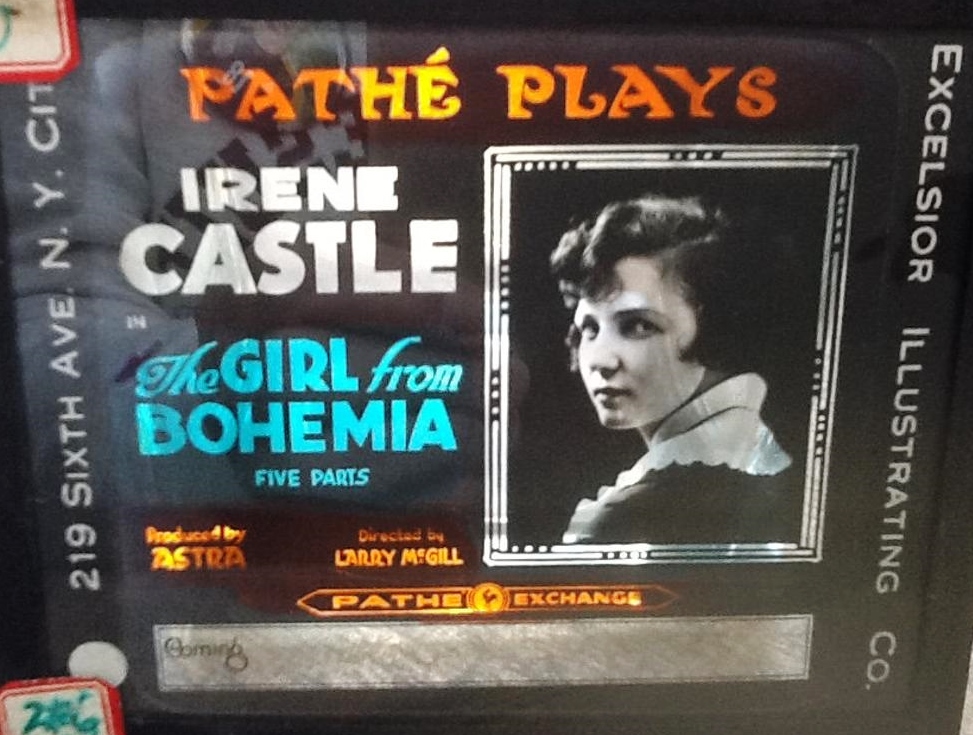
Irene Castle’s performance is a revelation of restraint and charisma. Unlike the exaggerated histrionics often associated with the silent era, Castle employs a subtle gestural vocabulary. Her movements are fluid—a remnant of her dancing background—making Alice Paige a magnetic screen presence. She navigates the transition from the witty, cigarette-smoking urbanite to the heroic savior of the shipyard with a convincing internal logic. This performance elevates the film above the standard melodramas of the time, such as He Fell in Love with His Wife.
The direction ensures that the pacing remains brisk, despite the complex thematic layering. The juxtaposition of the domestic sphere (the aunt’s house) with the public sphere (the shipyard and the saloon) creates a dynamic tension that sustains the viewer's interest. The film’s ability to weave together a romance, a social critique, and a patriotic call to arms is a testament to the sophistication of early 20th-century storytelling.
When compared to the religious epic The Photo-Drama of Creation, The Girl from Bohemia feels remarkably contemporary in its focus on individual identity and social mobility. While Beatrice Cenci deals with historical tragedy, this film tackles the immediate, lived reality of a changing America. It shares a certain gritty realism with Barranca trágica, yet it maintains a hopeful, almost utopian vision of national unity.
The technical proficiency displayed in the shipyard sequences—capturing the scale of the vessels and the raw energy of the workforce—foreshadows the industrial symphonies of later cinema. The film’s narrative structure, moving from the specific (Alice’s inheritance) to the general (the shipyard strike), mirrors the evolution of the American narrative film as it moved toward more ambitious, socially conscious themes. Even when compared to the intricate mysteries like The Alster Case, the emotional clarity of Alice’s journey remains its strongest asset.
The Girl from Bohemia is more than a relic of a bygone era; it is a vibrant exploration of the American character at a crossroads. It dares to ask whether the spirit of the 'Bohemian'—the artist, the free-thinker, the rebel—can find a place within the rigid structures of traditional society. Through Alice Paige, the film answers with a resounding affirmative, albeit one that requires a degree of compromise and a shared devotion to a higher cause.
The film’s conclusion, with Canton Leigh taking Alice in his arms, is not merely a romantic resolution but a symbolic union of the old and the new, the industrial and the artistic. It is a moment of synthesis that echoes through the history of American cinema, reminding us of the power of the medium to bridge seemingly insurmountable divides. While films like The Argonauts of California - 1849 looked back at the nation's origins, The Girl from Bohemia looks forward, envisioning a future where the unconventional is not just tolerated but essential to the national fabric.
In the pantheon of silent cinema, this work stands as a testament to the artistry of Irene Castle and the visionary writing of Zellner and Somerville. It remains a compelling study of social friction and the transformative power of empathy, as relevant today as it was over a century ago. Whether analyzed for its feminist undertones, its industrial politics, or its sheer aesthetic beauty, the film continues to resonate as a profound piece of cinematic history.
IMDb —
1919
Community
Log in to comment.