DbcultAccessing Vault...
Cult Review
Senior Film Conservator
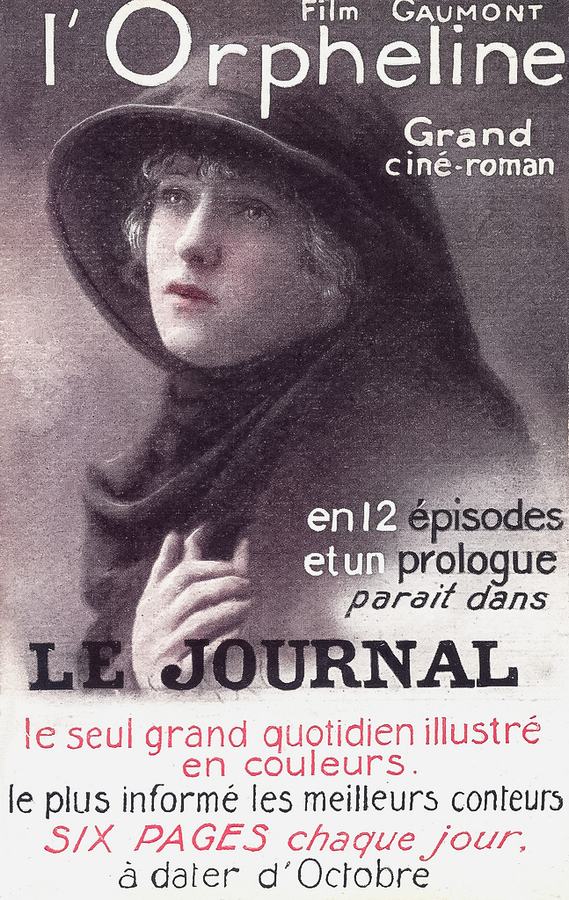
Stepping back into the cinematic echoes of 1921, Louis Feuillade's L'orpheline, or 'The Orphan Girl,' emerges not merely as a relic of a bygone era but as a profoundly resonant piece of storytelling, a testament to the enduring power of silent cinema. This film, penned by the prolific duo Louis Feuillade and Frédéric Boutet, is a masterclass in atmospheric melodrama, weaving a narrative tapestry rich with suspense, pathos, and an unwavering belief in the human spirit's capacity for resilience. It's a film that demands attention, not just for its historical significance, but for its sheer artistry and emotional depth, qualities that transcend the century since its initial release.
The very title, L'orpheline, immediately invokes a sense of vulnerability and impending struggle, themes expertly explored throughout the film's intricate plot. Our protagonist, Renée, brought to life with an arresting blend of fragility and inner strength by Sandra Milovanoff, finds her world irrevocably altered by the death of her guardian. Suddenly, she is adrift, a solitary figure navigating the treacherous currents of a society that often preys on the innocent. Milovanoff's performance is a study in nuanced expression, her eyes conveying volumes of unspoken grief, fear, and determination – a hallmark of the finest silent film acting. She doesn't just play Renée; she embodies the very essence of the archetypal orphan, imbued with a quiet dignity that refuses to be extinguished.
Feuillade, ever the architect of intricate plots, wastes no time in introducing the forces of malevolence that seek to exploit Renée's newfound vulnerability. A conniving guardian, played with sinister relish, sees in Renée's inheritance an opportunity for personal enrichment. This antagonist, whose outward charm belies a heart of pure avarice, sets in motion a series of calculated deceptions, culminating in Renée being framed for a crime she did not commit. The injustice is palpable, and Feuillade masterfully builds tension as Renée is swept into a vortex of suspicion and legal peril. Her journey through the underbelly of society, a stark contrast to the relative comfort she once knew, serves as a powerful commentary on social inequalities and the precarious nature of justice.
The supporting cast, featuring talents like Émile André, René Clair, and Jeanne Guichard, each contributes to the rich tapestry of characters, some offering fleeting moments of kindness, others deepening the shadows of deceit. Émile André, often portraying figures of authority or moral rectitude in Feuillade's works, likely brings a crucial element of steadfastness, providing a foil to the pervasive corruption. René Clair, an actor who would soon become a revered director himself, offers a glimpse into the emerging talent of the era, his presence hinting at the artistic ferment of French cinema in the early 20th century. The collective performances, though constrained by the stylistic conventions of silent film, are remarkably expressive, relying on gesture, tableau, and the subtle interplay of gazes to convey complex emotions and motivations.
Louis Feuillade's directorial signature is unmistakable throughout L'orpheline. Known for his serialized thrillers and his ability to blend realism with fantastical elements, Feuillade here grounds his narrative in a more domestic, albeit still highly dramatic, sphere. His camera work, while adhering to the relatively static conventions of the period, is nonetheless deliberate and evocative. He understands the power of the long take, allowing scenes to unfold organically, giving the audience time to absorb the emotional weight of each moment. The mise-en-scène, too, is meticulously crafted, from the ornate interiors that signify wealth and potential danger to the grittier, more utilitarian settings that reflect Renée's fall from grace. This careful attention to visual detail not only enhances the narrative but also immerses the viewer in the specific social and architectural landscape of early 20th-century France.
Comparing L'orpheline to other contemporary works reveals Feuillade's unique position in the cinematic pantheon. While films like Going Straight or The Great Gamble might have explored similar themes of crime and redemption, Feuillade's approach often carried a distinct poetic realism, a sense of the everyday imbued with profound dramatic potential. His characters, even when embroiled in sensational circumstances, often feel deeply human and relatable. This is a significant departure from some of the more overtly theatrical or exaggerated acting styles seen in other national cinemas of the time, lending L'orpheline a subtle authenticity that resonates even today.
The narrative truly gains momentum with the introduction of the tenacious detective, a figure often central to Feuillade's works. This character, whose keen intellect and unwavering moral compass guide him through the labyrinthine clues, becomes Renée's unlikely champion. His methodical investigation, which gradually peels back the layers of deceit, is a testament to the power of reasoned deduction. The film morphs from a domestic melodrama into a compelling mystery, with each revelation tightening the suspense. The audience is invited to piece together the puzzle alongside the detective, sharing in the frustration of false leads and the satisfaction of breakthroughs. This narrative structure, characteristic of Feuillade's serialized works, keeps the viewer thoroughly engaged, eager to witness justice being served.
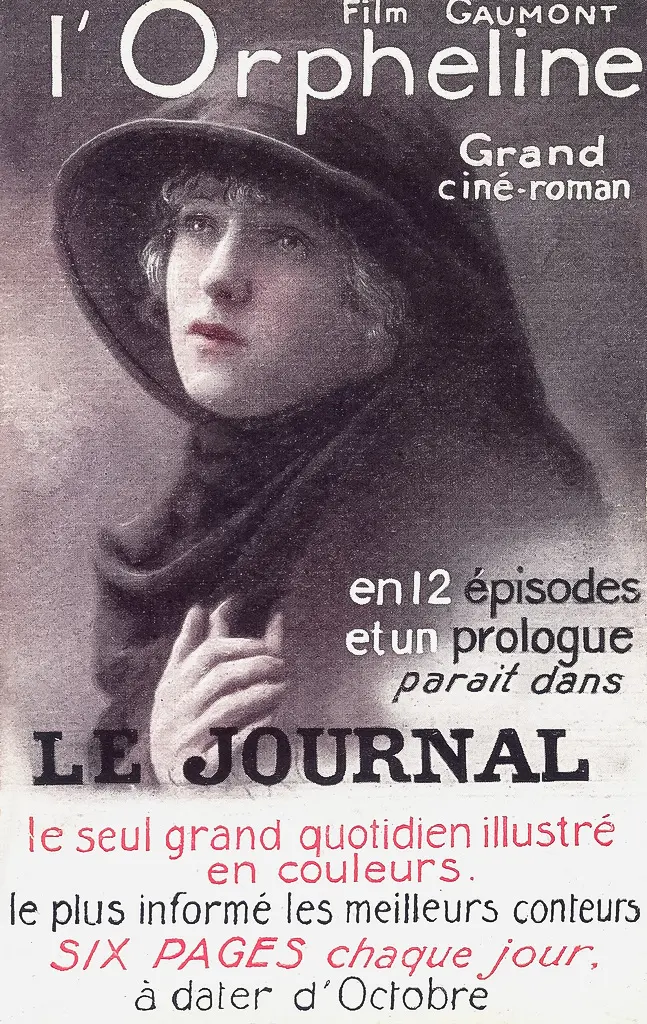
The role of fate, or perhaps divine intervention, also subtly underpins the unfolding drama. Renée's sheer innocence often seems to be her only shield against the machinations of her adversaries. Her perseverance, a quiet yet formidable strength, is what ultimately attracts the attention of those who would help her. This theme of enduring through adversity is a common thread in many films of the era, from the dramatic struggles in The Courageous Coward to the lone battles fought in When a Man Rides Alone. L'orpheline, however, frames this struggle within a distinctly urban, almost noir-esque landscape, where shadows conceal as much as they reveal.
Sandra Milovanoff's portrayal of Renée is undoubtedly the heart of L'orpheline. Her performance is a masterclass in silent film acting, relying on expressive physicality and nuanced facial expressions to convey a spectrum of emotions without uttering a single word. Her transformation from a wide-eyed, grieving orphan to a resolute young woman, scarred but not broken by her trials, is profoundly moving. The audience truly feels her despair, her hope, and her quiet determination. This emotional resonance is what elevates the film beyond a simple melodrama into a poignant character study. It's reminiscent of the compelling female leads found in films like A Lady in Love, where the protagonist's emotional journey forms the core of the narrative.
L'orpheline, much like many of Feuillade's works, stands as a significant marker in the evolution of French cinema. It showcases his ability to craft engaging narratives that captivated audiences of the time, laying groundwork for future generations of filmmakers. The film's blend of social commentary, thrilling suspense, and heartfelt character drama demonstrates a sophisticated understanding of cinematic storytelling. While it might not possess the fantastical elements of his more renowned serials like Les Vampires, it nonetheless offers a rich exploration of human nature within a more grounded, albeit still dramatic, reality.
The film's exploration of themes like justice, betrayal, and the resilience of the human spirit remains timeless. It reminds us that even in the darkest of times, hope can be found, often in the most unexpected places or through the unwavering dedication of those who believe in truth. In an era when the world was still reeling from the aftermath of a global conflict, such narratives offered both escapism and a reaffirmation of moral order. It speaks to the universal appeal of stories where the underdog triumphs against overwhelming odds, a narrative structure found across cultures and cinematic traditions, from A Girl's Folly to Happiness of Three Women.
The contributions of writers Louis Feuillade and Frédéric Boutet are evident in the film's tightly constructed plot and well-developed characters. Their collaboration produced a screenplay that, despite the constraints of the silent medium, manages to convey complex emotional arcs and intricate narrative twists. This meticulous scripting is a testament to the importance of strong narrative foundations, a principle that remains crucial in filmmaking today. Their ability to craft compelling stories without relying on dialogue forced a reliance on visual storytelling and character motivation, skills that modern cinema can still learn from.
In conclusion, L'orpheline is a captivating journey into the heart of silent French cinema. It is a film that rewards attentive viewing, offering layers of emotional depth, masterful suspense, and a powerful message of hope. Sandra Milovanoff's central performance is nothing short of captivating, anchoring the film with her compelling portrayal of Renée. Louis Feuillade's direction is, as always, confident and visionary, transforming a seemingly simple premise into a profound exploration of justice and human fortitude. For those interested in the rich history of film, or simply in a well-told story, L'orpheline remains an essential viewing experience, a shimmering testament to the artistry of an era long past, yet whose echoes resonate with surprising clarity in our modern world. It is a reminder that the struggles for truth and justice are eternal, and the human spirit, even when orphaned and alone, possesses an indomitable will to survive and thrive. The film's intricate plot, compelling performances, and timeless themes ensure its place as a significant work, worthy of rediscovery and appreciation by new generations of cinephiles. It represents the pinnacle of storytelling that defined an era, a narrative that continues to provoke thought and stir emotions, proving that true artistry knows no temporal bounds.
IMDb 7.1
1915
Community
Log in to comment.