DbcultAccessing Vault...
6.9/10
Senior Film Conservator
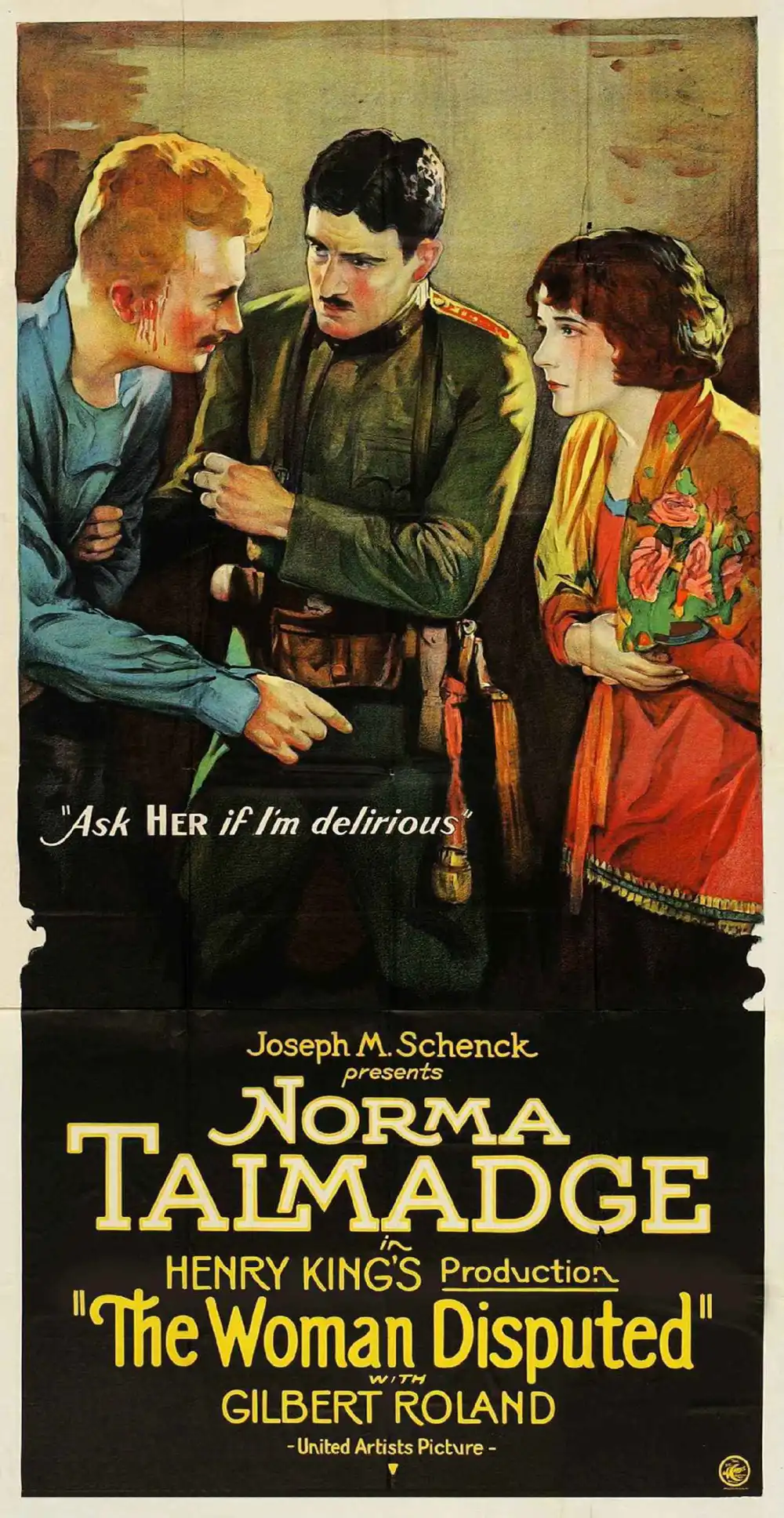
A definitive 6.9/10 rating for a film that redefined the boundaries of cult cinema. The Woman Disputed remains a cornerstone of transgressive art.
For anyone interested in the dramatic potential of the late silent era, or for those curious about Norma Talmadge's enduring star power, 'The Woman Disputed' offers a compelling, if somewhat overwrought, experience. It's a film best appreciated by silent film enthusiasts, particularly those who enjoy melodramas steeped in sacrifice and moral quandary. Casual viewers expecting modern pacing or subtle character work might find its conventions challenging, and its emotional earnestness occasionally veers into the theatrical. However, for those willing to engage with its style, it provides a fascinating window into early cinematic storytelling and a powerful central performance.
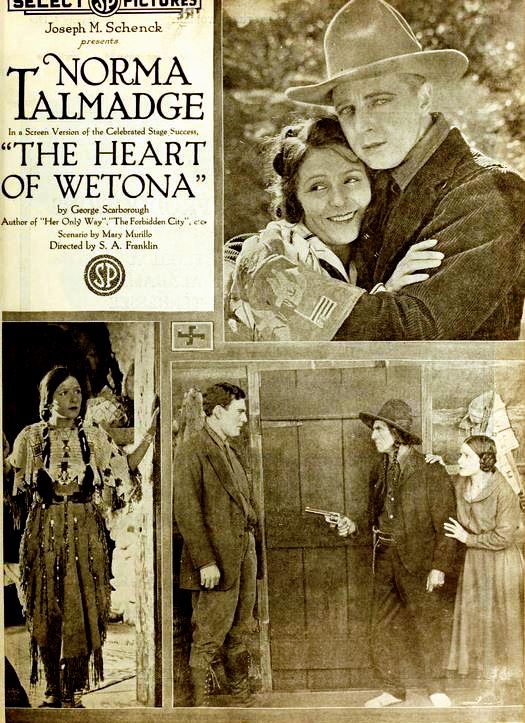
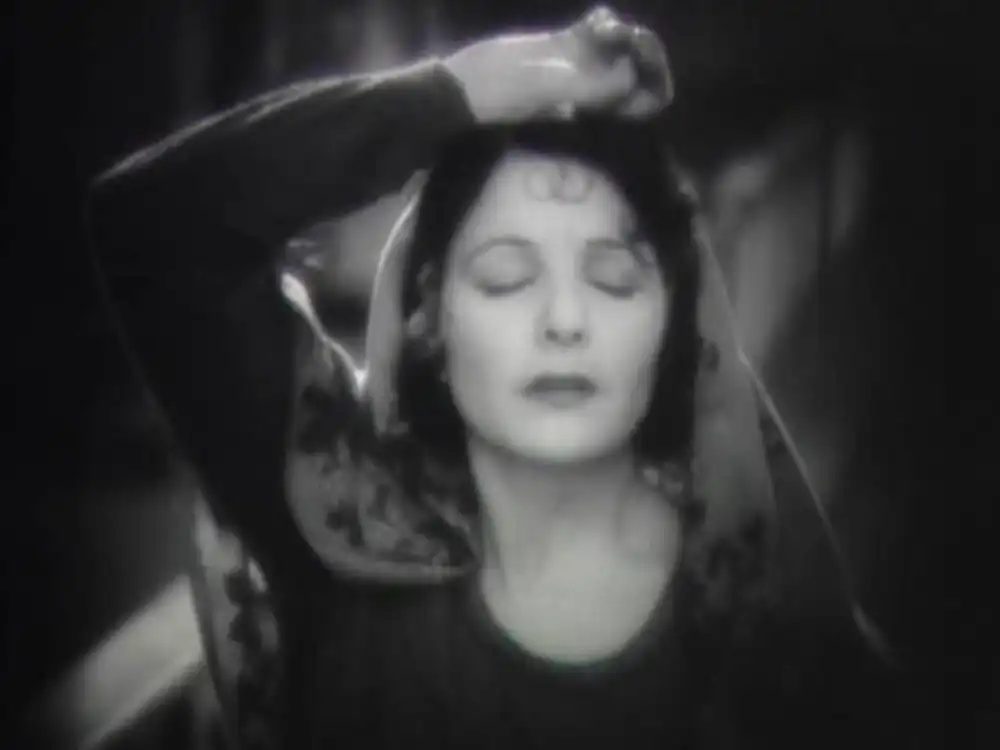
Norma Talmadge, as Mary Ann, anchors the film with a performance that balances vulnerability and resilience. She navigates the character's moral tightrope with a series of expressive close-ups, particularly effective in the scenes where she grapples with her decision to sacrifice herself. Her eyes, often shadowed and wide, convey a depth of internal conflict that transcends the sometimes simplistic intertitles. Talmadge manages to imbue Mary Ann with a quiet dignity even in moments of profound humiliation, making her sacrifice feel genuinely weighty rather than merely a plot device.
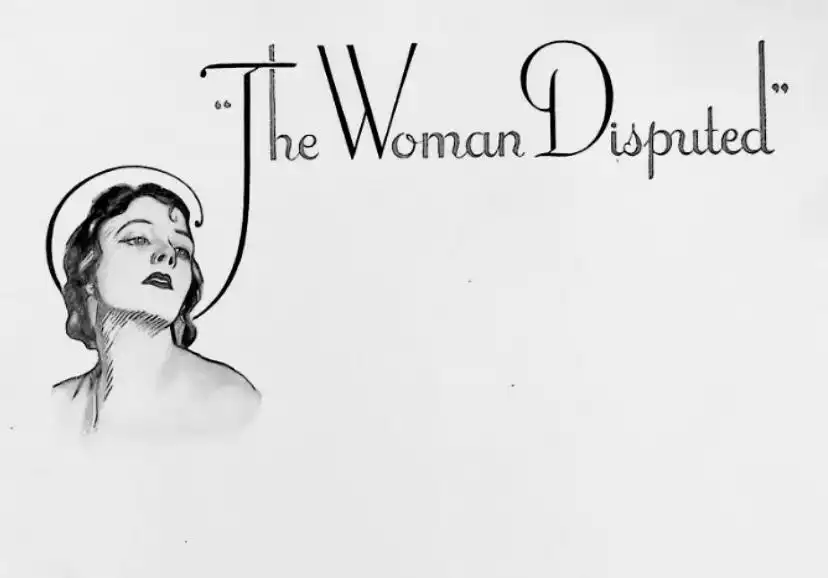
Her primary male co-stars, Arnold Kent as Lieutenant Nika and Gustav von Seyffertitz as Captain Grisha, provide solid support. Kent, as the romantic lead, plays Nika with a certain rigidity, which unfortunately makes his eventual misunderstanding of Mary Ann's actions feel less like tragic irony and more like stubborn blindness. Seyffertitz, on the other hand, brings a menacing yet oddly sympathetic presence to Grisha. He's not a one-note villain; there are glimpses of his own weary humanity, particularly in the moments where he observes Mary Ann's quiet suffering, which adds a layer of complexity to their difficult dynamic. One subtle detail that stuck with me was in the sequence where Mary Ann is preparing to meet Captain Grisha. As she adjusts her hair in a small mirror, her reflection momentarily shows a flicker of deep apprehension, almost a shudder, before she composes herself. It's a fleeting, un-emphasized moment, but it speaks volumes about the emotional toll of her decision, escaping the usual melodramatic flourishes.
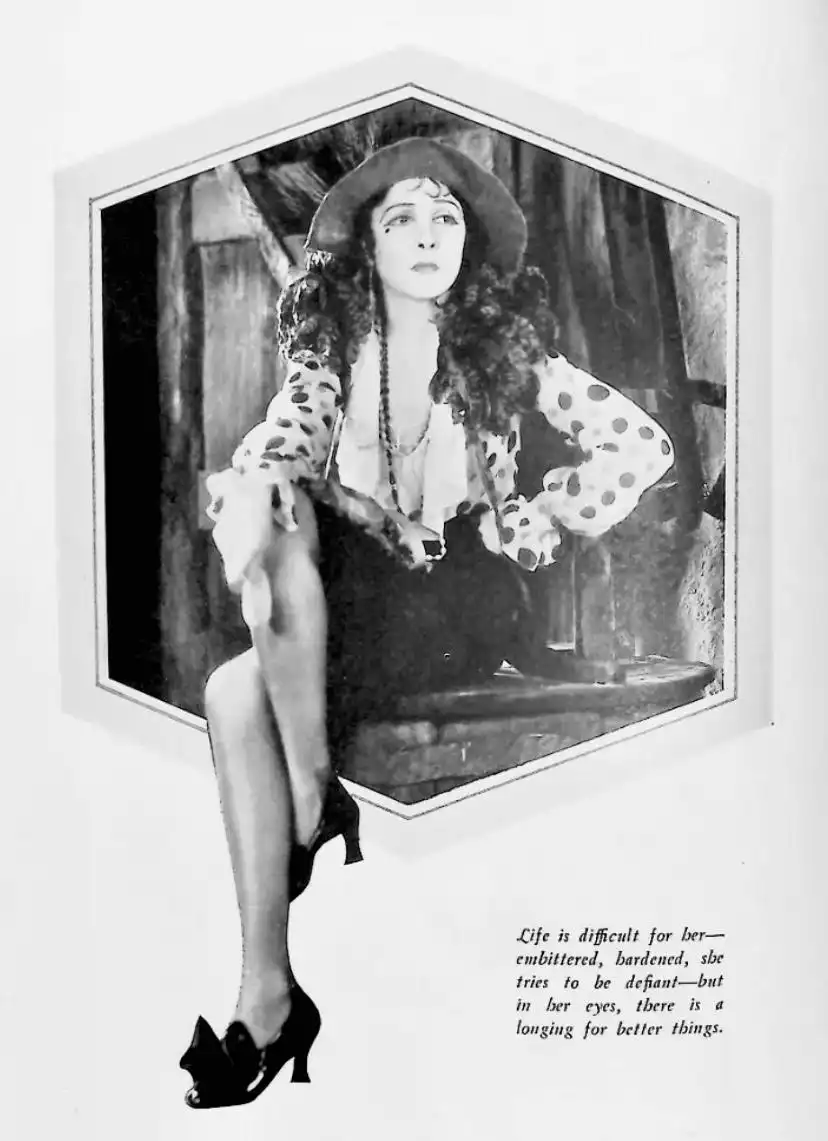
The pacing of 'The Woman Disputed' is undeniably of its era. It builds its emotional stakes slowly, relying on extended reaction shots and deliberate scene construction. This can lead to moments where the narrative momentum flags, particularly in the middle act as Mary Ann settles into her new, uncomfortable reality. The film maintains a consistently somber tone, only occasionally punctuated by brief, almost jarring, moments of levity. The shift, for instance, from a tense negotiation scene to a quick cut of soldiers laughing in the background feels less like natural relief and more like an abrupt editorial decision. The intertitles, while generally well-written, occasionally appear in rapid succession, creating a slightly disjointed rhythm that forces the viewer to process information quickly before returning to the visual narrative.
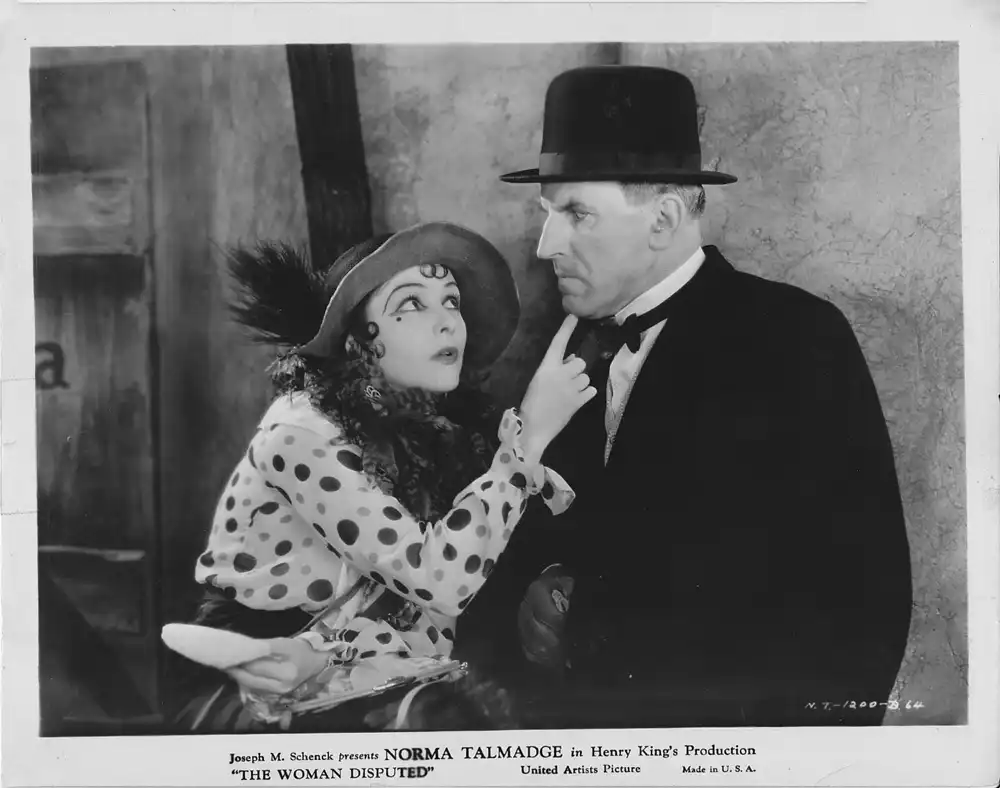
Visually, the film is quite striking, showcasing the increasing sophistication of silent cinema's production values. The sets depicting occupied Vienna are particularly strong, with crowded streets and detailed interiors that lend a tangible sense of place and oppression. Director Henry King makes effective use of chiaroscuro lighting, especially in the more dramatic sequences involving the Russian officer's quarters, where shadows play across Talmadge's face, amplifying her inner turmoil. There's a memorable sequence showing the Austrian hostages, framed tightly in a cramped cell, their faces etched with despair – a powerful visual shorthand for their plight. The costume design, though not flamboyant, effectively communicates social status and the stark realities of wartime, from Mary Ann's simple, worn dresses to the crisp uniforms of the officers. However, some of the battle scenes feel a little stagey, relying more on smoke and frantic movement than genuine on-screen conflict.
'The Woman Disputed' is a powerful example of late silent-era melodrama, driven by a compelling central performance from Norma Talmadge. While its pacing and some narrative choices might test the patience of modern audiences, its visual artistry and the raw emotional power of its lead make it a worthwhile watch for those who appreciate the historical context and unique storytelling conventions of silent cinema. It's a testament to the era's ability to tackle weighty themes with grand, expressive gestures, and Talmadge's portrayal of Mary Ann ensures the film's enduring, if somewhat bittersweet, impact.
IMDb 6.6
1923
Community
Log in to comment.