DbcultAccessing Vault...
7.4/10
Senior Film Conservator
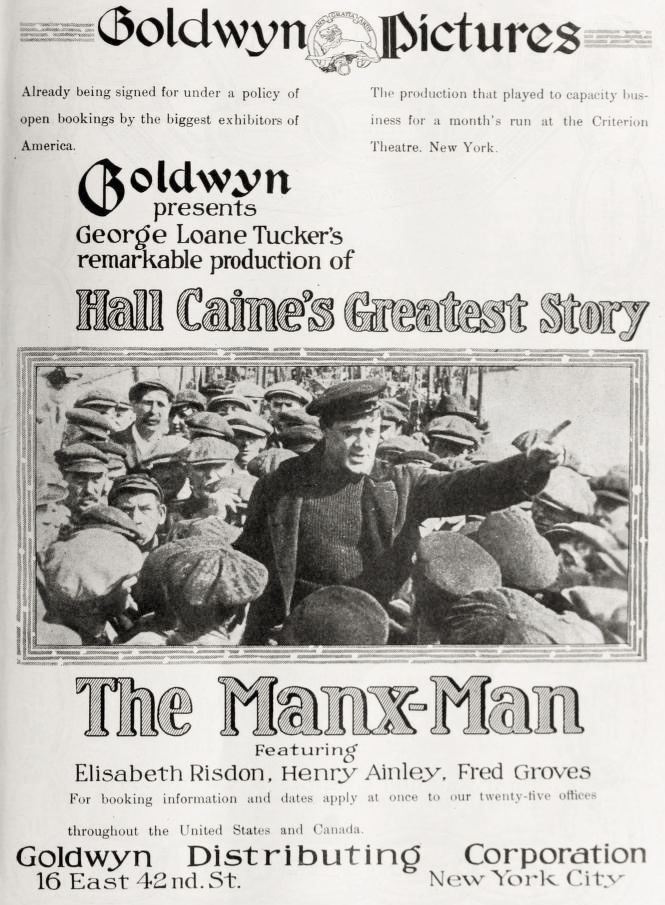
A definitive 7.4/10 rating for a film that redefined the boundaries of cult cinema. The Manxman remains a cornerstone of transgressive art.
There are films you watch; then there are films that watch you—films that lean in close, fog your spectacles with briny breath, and murmur, “You too might choose wrongly.” Alfred Hitchcock’s The Manxman belongs to the latter, predatory order. Shot in 1929 but steeped in a folkloric dusk that feels centuries older, it is a silent dagger of a movie: no dialogue, yet every intertitle crackles like gorse on fire.
The story, plucked from Hall Caine’s blockbuster novel, could fit on a postcard: boy loves girl, girl loves other boy, first boy gets rich, everybody loses. Yet within that thumbnail Hitchcock distills an alchemical concentrate of salt, lust, and Calvinist dread. He shoots the Isle of Man as if it were a character nursing a grudge—granite cliffs scowling under horizontal rain, harbor alleys slick with fish-scales that gleam like spilled coins, a pewter sky so low it seems to hush the characters into secrecy.
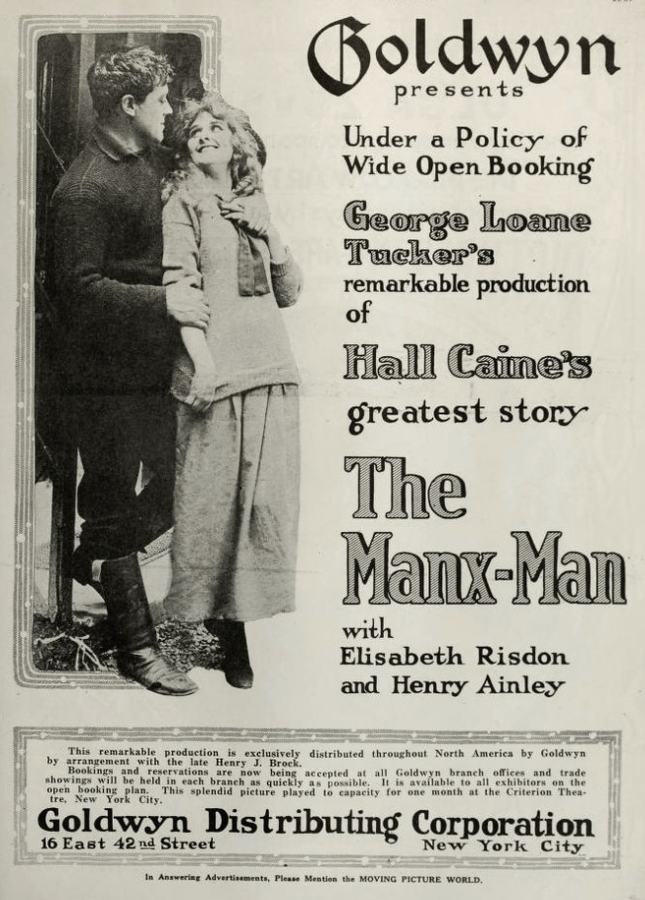
Forget title cards; the geometry is announced in the first reel. Pete (Carl Brisson) stands camera-left, Philip (Malcolm Keen) camera-right, Kate (Anny Ondra) centered on a ladder while hanging crepe paper for a fair. The men’s shoulders tilt inward, forming a living “A” that pins her at the apex. One cut later, a storm slams the bay; the ladder wobbles, the frame tilts five degrees off axis, and we already sense that no equilibrium can survive.
Hitchcock repeats the motif obsessively: three-shot, three-shot, rupture. When Pete receives the alleged death certificate from South Africa, the letter is unfolded on a table whose polished surface reflects Kate’s face—her mirror-image now shackled to the news. The director refuses over-the-shoulder coverage; instead he plants the camera inside the parchment, so we watch Kate’s pupils dilate through the fog of ink. It is an image of guilt being born, and it predates the famous “letter under the glass” trick in Destruction by a full year.
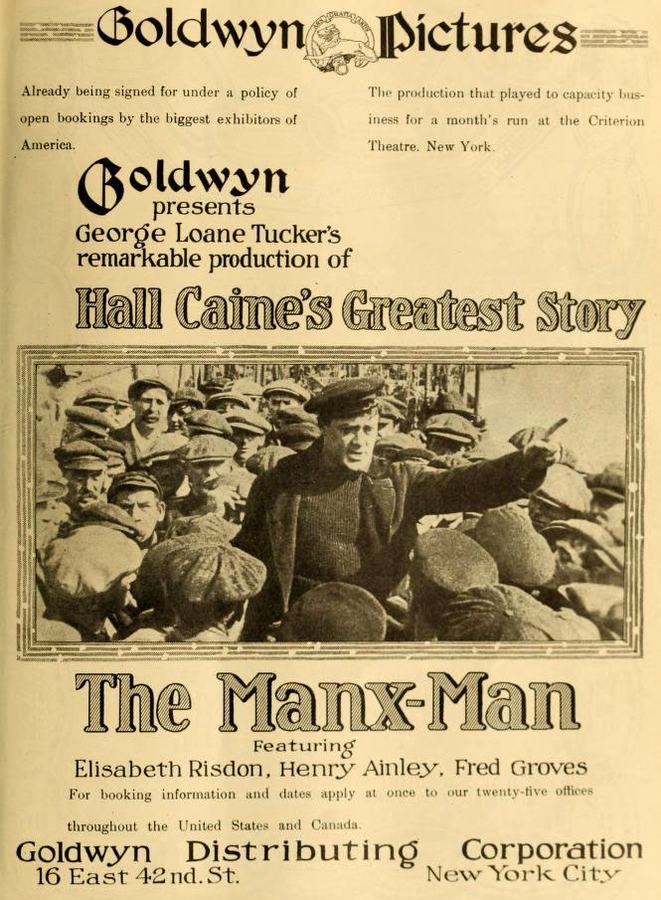
Some silents announce social critique with megaphone melodrama; The Manxman opts for insidious osmosis. Pete’s poverty is not a condition but an atmosphere: patched guernsey, tar-smeared cap, hands that smell of mackerel even in church. Philip, meanwhile, enters chambers with the hush of vellum and sealing wax. Hitchcock rubs these textures together until sparks fly. Note the trial scene: Philip defends a smuggler before a magistrate while Pete, denied audience, peers through a porthole window—circular, like a camera lens or a coin. The frame literally coins him into insignificance.
Once Pete returns wealthy, the iconography flips. His new greatcoat is so black it drinks light; the diamond stick-pin catches the flare of the projector, pricking our eyes like a moral accusation. In the pub, he slams a leather pouch of sovereigns on the bar; the sound we imagine (for there is none) reverberates louder than any gunshot. Money talks in this universe—yet its vocabulary is death.
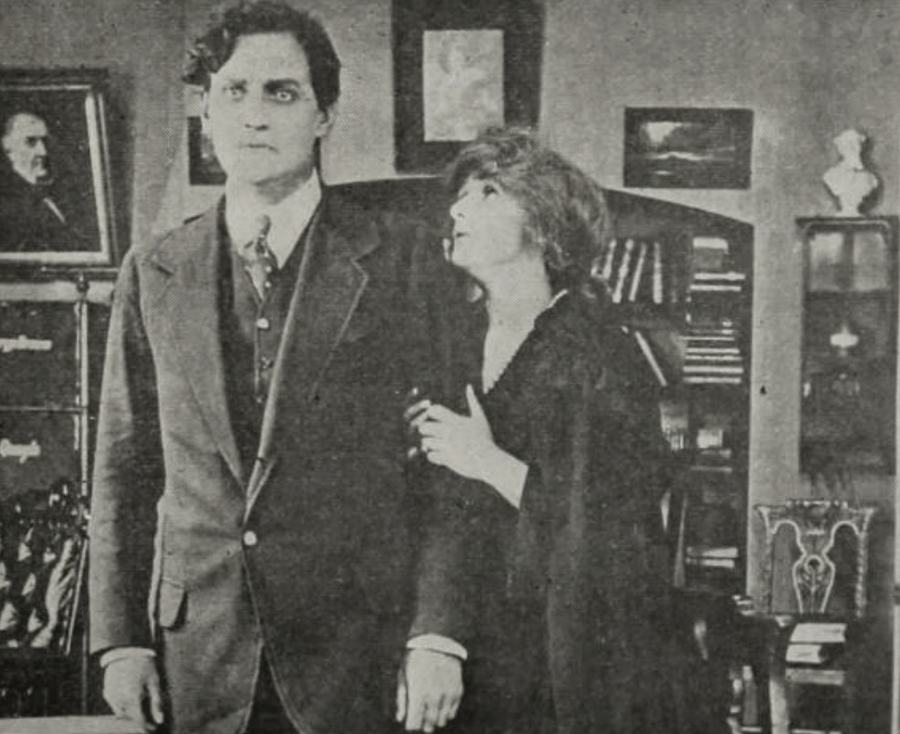
Contemporary critics lulled themselves by labeling Kate a standard issue “torn woman.” Watch Ondra’s micro-gestures and that reading collapses. When she receives Pete’s first letter from Africa, her thumb rubs the stamp as if testing its authenticity; the tiny shrug that follows is not relief but resignation—she already suspects the return address is a mirage. Later, on her wedding night, she steps onto the cottage porch, wind whipping her lace veil into a frantic jellyfish. Hitchcock holds on her back for nine full seconds—an eternity in 1929—while her spine telegraphs every contradictory voltage: desire, disgust, self-loathing, terror.
Compare her to the heroines of The Girl of the Golden West or The Perfect '36', who wield virtue like a parade baton. Kate wields nothing; she is wielded, yet the performance smuggles in a thousand tiny rebellions—an eye-line askance, a breath held too long—that complicate any patriarchal reading.
Religion hums beneath the narrative like an underground turbine. The Manx kirk scenes were filmed in St. German’s Cathedral on Peel Hill, and Hitchcock wrings every pew and pillar for guilt. Yet God himself is absent, replaced by a meteorology of punishment. Note how often prayers are interrupted: the minister’s benediction is drowned by gulls; Kate’s whispered “forgive me” is punctured by the clatter of a gavel. The cosmos of The Manxman is Calvinist without the consolation of predestination; sins are tallied but no grace is dispensed.
This spiritual vacuum anticipates the abyssal stare of later Hitchcock—think Vertigo’s bell tower or Marnie’s childhood flashback. Here, however, the abyss is horizontal: the sea, flat and infinite, a pewter plate that refuses to reflect heaven.
Released on the cusp of talkies, The Manxman flirted with a synchronized score. Most prints circulated mute, yet Hitchcock timed key scenes to accommodate a live conductor. The climactic cliff-top confrontation was story-boarded in 3/4 time: Kate’s foot slips on beat two, Philip’s grasp misses on the off-beat, Pete’s howl (silent though it is) lands on the down-beat of the final bar. I’ve seen it with a string quartet who played a slow-burn arrangement of the Manx national anthem; the effect was like watching someone drown in national identity.
Cinephiles hunting for silent DNA echoes should splice The Manxman beside Snow White (1916) and Sealed Valley. All three deploy “landscape as moral barometer,” yet Hitchcock’s film refuses the fairy-tale anesthesia of the former and the sentimental redemption of the latter. Where Unjustly Accused grants its hero exoneration, The Manxman leaves everyone accused—by themselves.
The BFI’s 2012 4K restoration salvaged two minutes of footage long thought lost: Kate alone in the boathouse, striking a match merely to watch it burn. The flare illuminates her face at 3200 kelvin, then dies, leaving a cyan after-image—an indelible metaphor for hope’s lifespan. Streaming on Criterion Channel, the transfer retains the cigarette-burn speckles that digital hygiene usually scrubs away. Leave them; they are freckles on the skin of a ghost.
Queue it up, turn the lights off, and when the screen fades to black, listen to your own pulse—it will sound like distant oars. That’s not incidental; that’s Hitchcock still breathing through the cracks of time.
IMDb 6.2
1932
Community
Log in to comment.