DbcultAccessing Vault...
6.7/10
Senior Film Conservator
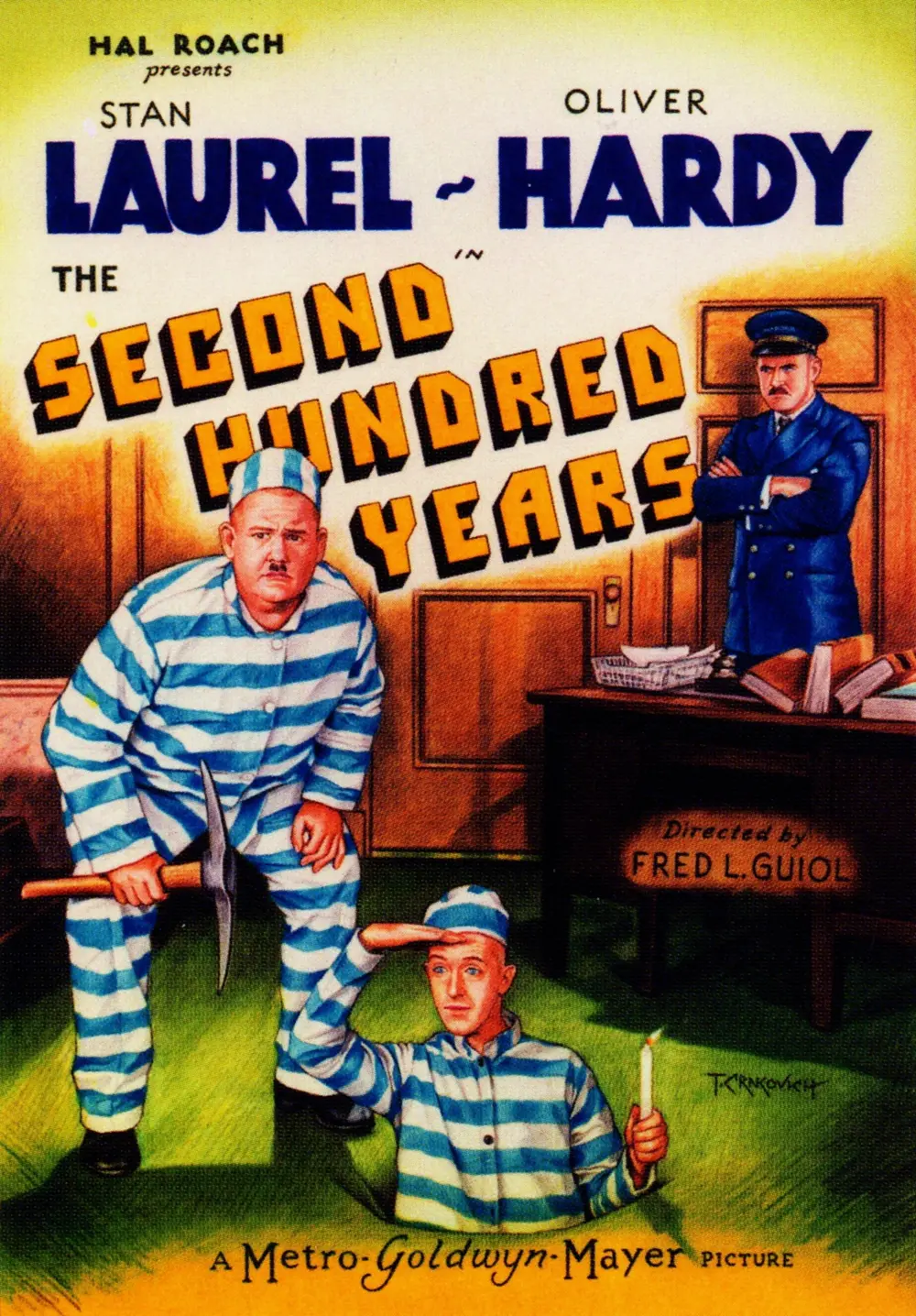
A definitive 6.7/10 rating for a film that redefined the boundaries of cult cinema. The Second 100 Years remains a cornerstone of transgressive art.
Should you invest your time in a silent short from 1927? Short answer: Yes, but only if you want to witness the exact moment the most iconic duo in cinema history found their rhythm. This film is for the comedy historian and the slapstick purist; it is not for those who require a fast-paced plot or modern cinematic polish.
This film works because it prioritizes the physics of a gag over the logic of a script, allowing Stan and Ollie to explore their physical chemistry in a vacuum. This film fails because the transition between the prison escape and the high-society party feels like two different shorts stitched together with a very thin thread. You should watch it if you want to see the structural foundation of every 'imposter' comedy that followed, from the Marx Brothers to modern sitcoms.
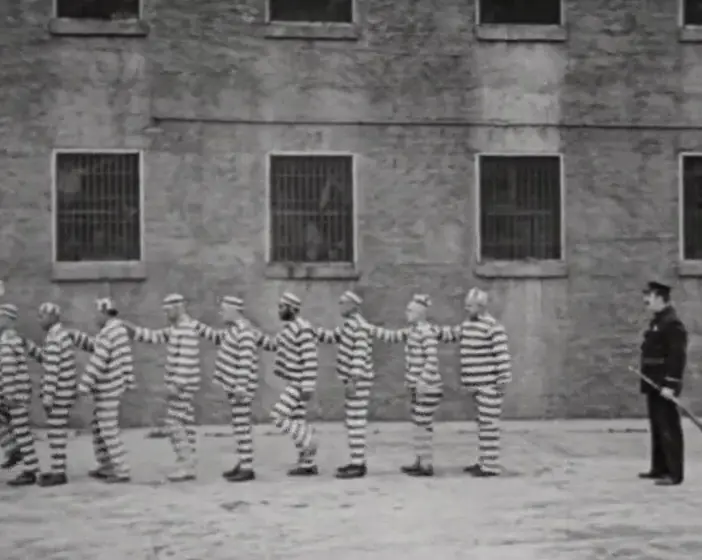
The Second 100 Years represents a pivotal shift in the Hal Roach studio output. Before this, Stan Laurel and Oliver Hardy were often just two actors in a larger ensemble, but here, the spotlight narrows. The prison setting provides a stark, minimalist backdrop that forces the audience to focus on their movement. When they are marching in the prison yard, their synchronization—or lack thereof—becomes a character in itself. It is not just walking; it is a rhythmic statement of their shared incompetence.
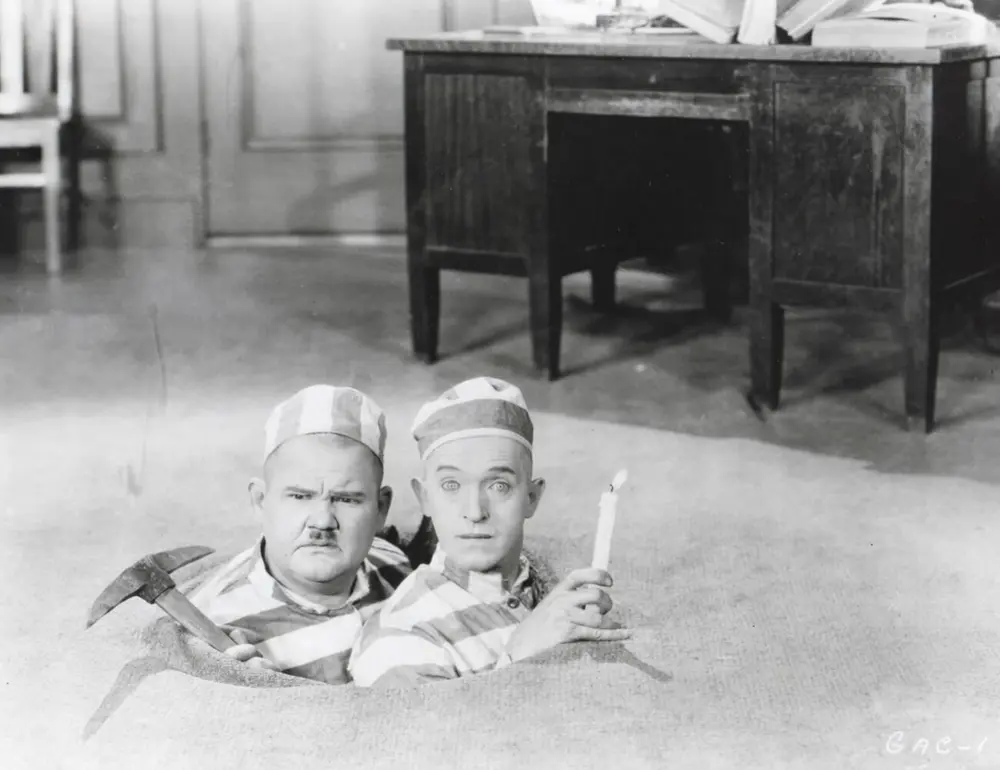
Take, for instance, the sequence where they are digging a tunnel. Most comedies of the era would focus on the escape itself. However, under Leo McCarey’s supervision, the focus is on the repetitive, almost meditative frustration of the task. This is where the 'slow burn' style was born. It is the antithesis of the frantic energy found in Hearts and Flowers. Here, the joke isn't that they are escaping; the joke is how much work they put into being bad at it.
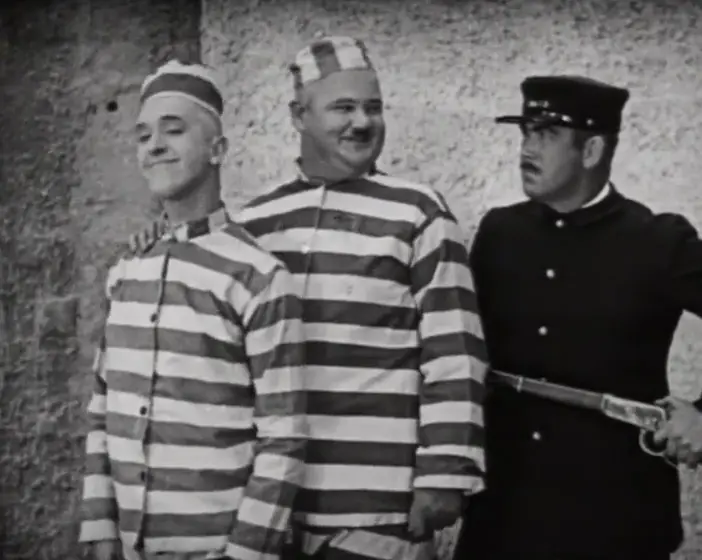
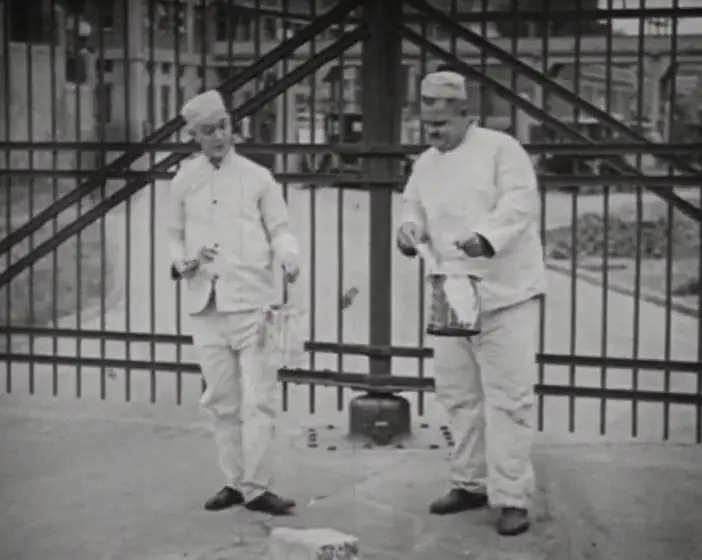
Once the boys escape and don the disguises of painters, the film enters its most iconic phase. There is a specific moment where they begin painting everything in sight—not because they have to, but because they are terrified of being caught doing nothing. They paint the sidewalk. They paint a park bench. Eventually, they paint an officer’s trousers. This isn't just slapstick; it’s a commentary on the performative nature of labor. They are performing 'work' to hide their status as 'outlaws.'
The use of white paint against the dark uniforms of the law creates a visual contrast that is both simple and effective. Compare this to the more traditional farcical elements in Dodging a Million. While that film relies on narrative stakes, The Second 100 Years relies on the visceral, messy reality of the props. When that paint hits a surface, you feel the weight of it. It’s tactile. It’s permanent. It’s hilarious.
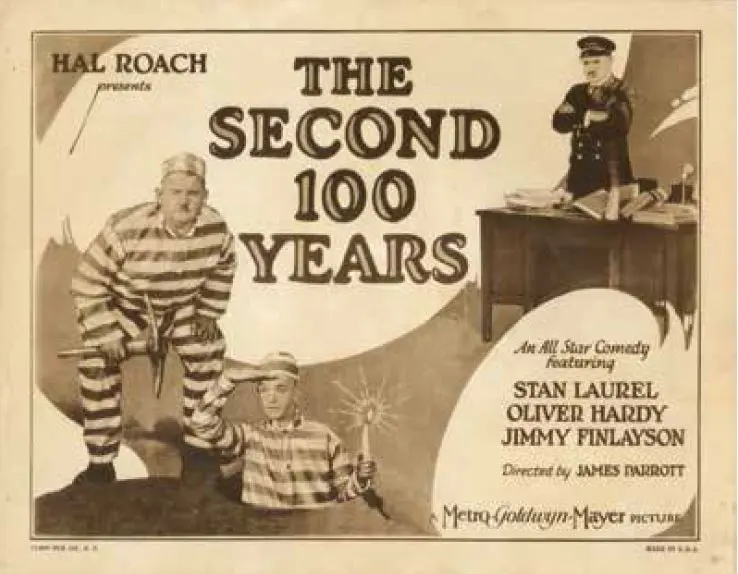
The second act takes our 'Goofies' into a world of wealth, a trope that would be revisited years later in In Society. By posing as French dignitaries, Laurel and Hardy tap into a deep-seated cinematic joy: watching the lower class accidentally humiliate the elite. The humor here is derived from the gap between how they are perceived (as sophisticated foreigners) and how they actually behave (as starving, confused ex-cons).
A standout moment involves the dinner scene, where the simple act of eating becomes a battlefield. Stan’s struggle with a cherry in his cocktail is a masterclass in micro-comedy. He doesn't need to fall off a building to get a laugh; he just needs to be defeated by a small piece of fruit. This specificity is what separates Laurel and Hardy from their contemporaries. They found the epic in the mundane.
Yes, The Second 100 Years is absolutely worth watching for anyone interested in the history of screen comedy. It serves as a bridge between the frantic 'every man for himself' style of early silent films and the character-driven partnership that would dominate the 1930s. While the plot is thin, the execution of the physical gags is near-perfect, and the chemistry between the leads is undeniable even in this early stage.
While Fred Guiol is the credited director, the fingerprints of Leo McCarey are all over this production. McCarey was the one who realized that Laurel and Hardy were funnier when they weren't trying to be funny. In The Second 100 Years, you see the beginning of Hardy’s 'tie-twiddle' and Laurel’s 'head-scratch.' These aren't just quirks; they are psychological anchors that make the characters feel human.
The supporting cast, featuring the legendary James Finlayson, provides the necessary 'straight man' energy to balance the duo's chaos. Finlayson’s squint and double-take are as essential to the film’s success as the leads themselves. He represents the world that the boys are constantly breaking. Without a strong antagonist or a foil, the slapstick would feel hollow. Here, it feels earned.
For a 1927 production, the cinematography is surprisingly fluid. The camera isn't just a stationary observer; it follows the action with a sense of purpose. The lighting in the prison scenes evokes a sense of grit that stands in sharp contrast to the bright, airy atmosphere of the party. This visual storytelling helps ground the absurdity. It reminds us that while the situation is funny, the world they inhabit is 'real' within the context of the film.
The pacing, however, is where the film shows its age. The first half in the prison moves with a deliberate, almost slow-motion energy that might test the patience of modern viewers. But stick with it. The payoff in the final ten minutes is a barrage of escalating errors that justifies the slow build. It’s a lesson in comedic tension and release.
Pros:
The chemistry between Stan and Ollie is already electric. The physical comedy is inventive and avoids the 'mean-spirited' tone of some other 1920s shorts. The ending is genuinely surprising and avoids a cliché resolution.
Cons:
The middle section drags slightly as the boys transition between locations. Some of the secondary characters are underdeveloped compared to later Laurel and Hardy shorts like Too Many Wives.
The Second 100 Years is a foundational text in the library of American humor. It isn't just a 'funny old movie'; it is a masterclass in how to build a joke from the ground up using nothing but movement and facial expressions. It works. But it’s flawed. The narrative seams are visible, yet they don't detract from the sheer joy of watching two masters find their footing. If you can look past the 1920s grain, you’ll find a comedy that is fresher and more daring than half of what passes for humor on streaming services today. It is a loud, messy, and brilliant start to a legendary career.
IMDb 5.8
1917
Community
Log in to comment.