DbcultAccessing Vault...
Cult Review
Senior Film Conservator
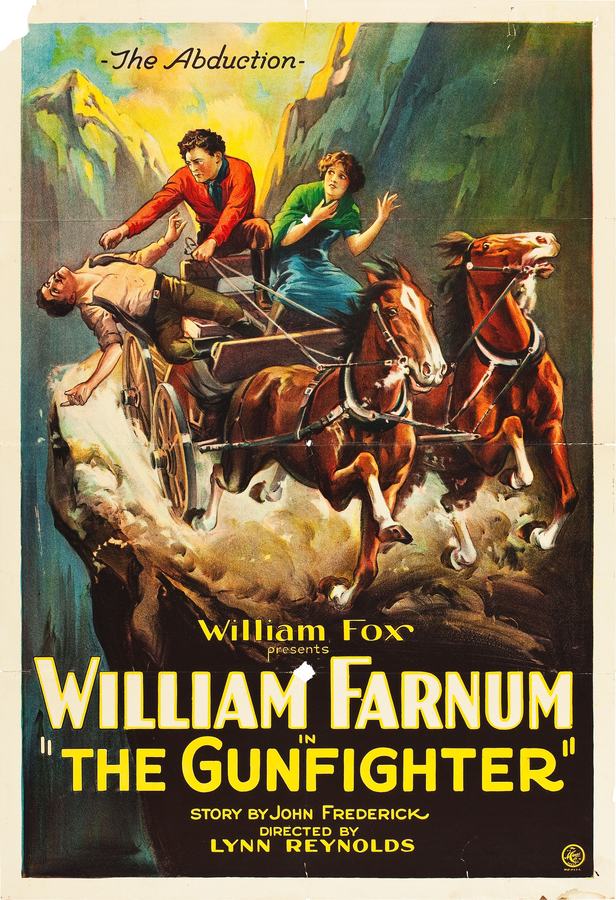
The silent era of cinema, often mistakenly relegated to the dusty archives of quaint antiquity, frequently delivered narratives of profound emotional resonance and intricate moral quandaries. Among these forgotten gems, The Gunfighter, a 1923 production penned by the formidable duo Max Brand and Lynn Reynolds, stands as a testament to the genre's capacity for raw, unvarnished storytelling. It transcends the simplistic hero-versus-villain paradigm often associated with early Westerns, instead plunging viewers into the murky depths of a protracted family feud, an ancient animosity that has calcified over years, poisoning the very wellsprings of a secluded mountain community. This isn't merely a tale of good prevailing over evil; it's a harrowing exploration of generational trauma, the corrosive nature of vengeance, and the fragile hope for reconciliation in a landscape as harsh and unyielding as the human hearts that inhabit it.
At its core, The Gunfighter lays bare the devastating consequences of a single, desperate act. The Benchleys and the Camps, two formidable mountain families, find themselves ensnared in a relentless cycle of reprisal, a feud ignited not by land or gold, but by the unspeakable grief of one and the profound injustice inflicted upon the other. The catalyst for this enduring enmity is revealed to be the tragic death of a Benchley child, an event so shattering that it propelled the family to a morally indefensible extreme: the abduction of Nell, the infant daughter of Lew Camp, to replace their lost progeny. This foundational sin, a violation of the most sacred familial bonds, casts a long, dark shadow over every subsequent interaction, every stolen glance, every whispered threat. Lew Camp, portrayed with a compelling mix of stoicism and simmering rage by Lee Shumway, embodies the visceral pain of a father robbed of his child, his life's singular mission becoming the futile, yet relentless, pursuit of Nell's return. The film masterfully portrays the psychological toll of this quest, the years of fruitless endeavor eroding hope, yet never extinguishing the ember of paternal love.
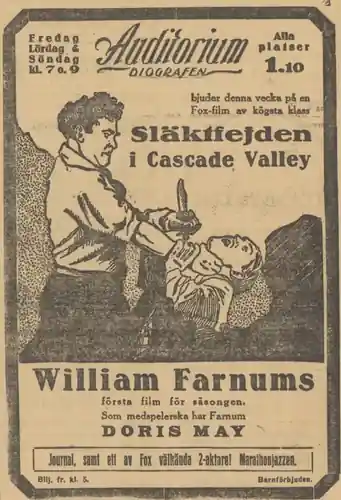
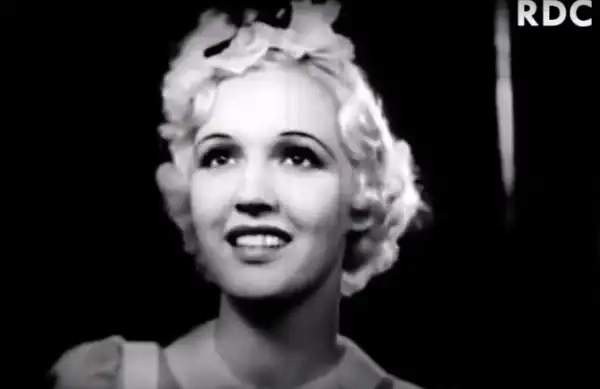
The narrative landscape of The Gunfighter is as rugged and untamed as the mountain setting it inhabits. It's a world where justice is often self-administered, and grudges are passed down like heirlooms. The initial exposition, delivered through concise and impactful intertitles, establishes the deep-seated animosity, allowing the visual storytelling to carry the emotional weight. We witness the futile attempts by the Camps to reclaim Nell, now a young woman, portrayed by the captivating Doris May. Her performance is particularly nuanced, conveying a character caught between two warring identities, a child of both families, yet belonging fully to neither. She carries the burden of this fractured heritage, an unwitting pawn in a conflict she never instigated. The film does an admirable job of hinting at the complex emotional landscape within Nell herself—the loyalty she feels towards the family that raised her, juxtaposed with the faint, perhaps subconscious, pull of her true origins.
The arrival of Billy Buell, a stranger to this insular community, serves as the pivotal turning point, the disruptive force necessary to jolt the stagnant feud into a new, unpredictable trajectory. William Farnum, a stalwart of the silent screen, imbues Buell with an enigmatic presence, a quiet intensity that suggests a past as complex as the conflict he now stumbles into. His motives are initially veiled, his allegiances unclear, making him a fascinating figure whose presence immediately raises the stakes. Is he an agent of chaos, destined to further inflame the existing tensions, or a potential harbinger of peace, an outsider capable of seeing beyond the entrenched biases? The film deftly plays on this ambiguity, using Buell's interactions to gradually peel back the layers of the feud, exposing its raw nerves and ancient wounds. His very existence challenges the established order, forcing characters to re-evaluate their positions and confront uncomfortable truths.
In the silent era, the power of a performance rested almost entirely on the actor's ability to convey emotion through facial expression, body language, and gesture. The cast of The Gunfighter rises to this challenge with remarkable skill. William Farnum, as Billy Buell, delivers a masterclass in understated intensity. His portrayal isn't one of explosive theatrics, but rather a simmering resolve, a quiet strength that commands attention. He brings a gravitas to the role that anchors the more melodramatic elements of the plot, making Buell a compelling, morally ambiguous figure whose actions resonate with a palpable sense of purpose. One might draw a thematic parallel to characters found in other early Westerns that explore the arrival of an outsider disrupting a settled, albeit
IMDb 5.7
1935
Community
Log in to comment.