DbcultAccessing Vault...
Cult Review
Senior Film Conservator
Is 'The Woman Hater' worth watching today? Short answer: yes, but with significant caveats that demand a particular viewing mindset.
This 1925 silent drama offers a fascinating, if sometimes frustrating, glimpse into early cinematic storytelling, making it a compelling watch for dedicated silent film historians and those curious about the era's dramatic conventions, but it will undoubtedly test the patience of viewers accustomed to modern pacing and narrative sophistication.
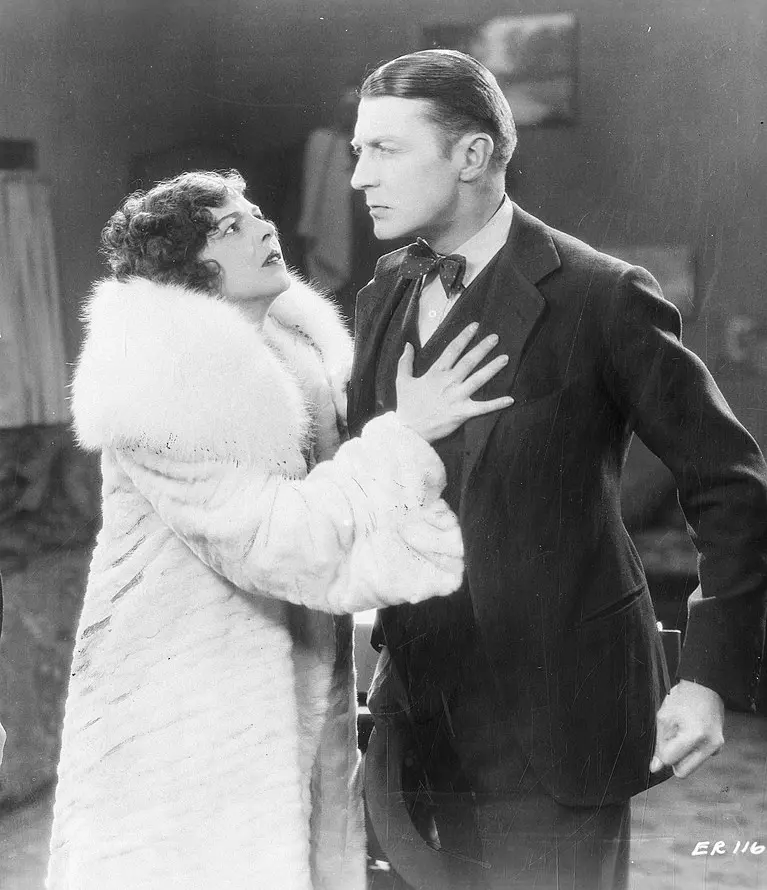
This film works because of its surprisingly nuanced character dynamics for the period, particularly the central conflict driven by a character whose outward misogyny masks a more complex internal struggle. Its visual storytelling, while occasionally rudimentary, often captures genuine emotional beats through the expressive performances of its leads, Helene Chadwick and Clive Brook.
This film fails because its narrative structure, while ambitious, often succumbs to the melodramatic excesses common in silent cinema, leading to moments that feel contrived or overly simplistic by contemporary standards. The pacing can be ponderous, and some plot resolutions feel less earned than imposed, undermining the potential for genuine dramatic weight.
You should watch it if you possess an appreciation for silent film as an art form, enjoy dissecting the social commentaries subtly woven into early Hollywood narratives, or are simply curious about the evolution of romantic drama. Conversely, if you seek fast-paced narratives, subtle character development by today's metrics, or films free of dated social perspectives, 'The Woman Hater' is likely not for you. It works. But it’s flawed.
At its core, 'The Woman Hater' is a classic silent era melodrama, crafted by writers Louis D. Lighton, Dorothy Day, Ruby M. Ayres, and Hope Loring, that pits love against a formidable, almost theatrical, form of antagonism. The narrative centers on an acclaimed international actress, played with captivating grace by Helene Chadwick, who finds her aspirations for marital bliss with her millionaire sweetheart, portrayed by Clive Brook, jeopardized by an unexpected force.
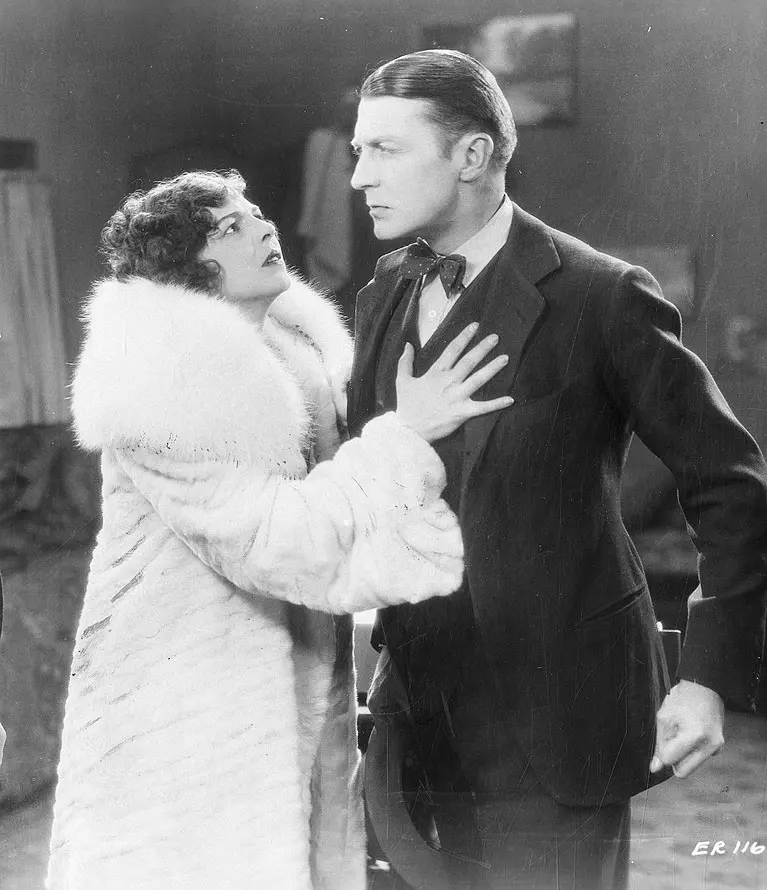
This force manifests as a notorious 'woman-hater,' a figure whose public persona is defined by an almost pathological aversion to women. The genius, and perhaps the film's most intriguing twist, lies in the revelation that this antagonist harbors a deep, if twisted, desire for the very woman he publicly disdains. This creates a compelling dramatic irony that drives much of the film's tension.
The plot, while straightforward in its romantic pursuit, becomes a fascinating study of manipulation and societal expectation. Our heroine must navigate not only the genuine affection for her beloved but also the machinations of a man determined to possess her through less conventional means. It’s a testament to the era’s storytelling that such a premise could hold an audience rapt.
The film’s progression relies heavily on intertitles to convey dialogue and internal monologues, a common practice that here feels integral to the narrative's unfolding. These text cards often provide crucial insights into the characters' conflicting motivations, particularly the woman-hater's internal struggle between his professed ideology and his undeniable attraction.
Helene Chadwick, as the international actress, delivers a performance that transcends the often-exaggerated gestures of silent film. Her portrayal is marked by a refined elegance and a subtle expressiveness that allows her character's inner turmoil and strength to shine through. Consider her scenes of contemplation, where a slight tilt of the head or a lingering gaze communicates more than any intertitle could.
Chadwick's ability to convey vulnerability alongside steely resolve is particularly noteworthy. In moments of despair, her eyes convey a profound sadness, yet when confronted by the antagonist, a flicker of defiance ignites, making her a compelling, active heroine rather than a passive damsel in distress. This nuanced approach elevates the film beyond simple melodrama.
Clive Brook, whether playing the millionaire love interest or embodying the titular woman-hater (or both, depending on the film's specific reveal), brings a magnetic intensity to his role. His portrayal of the woman-hater
IMDb —
1918
Community
Log in to comment.