DbcultAccessing Vault...
Cult Review
Senior Film Conservator
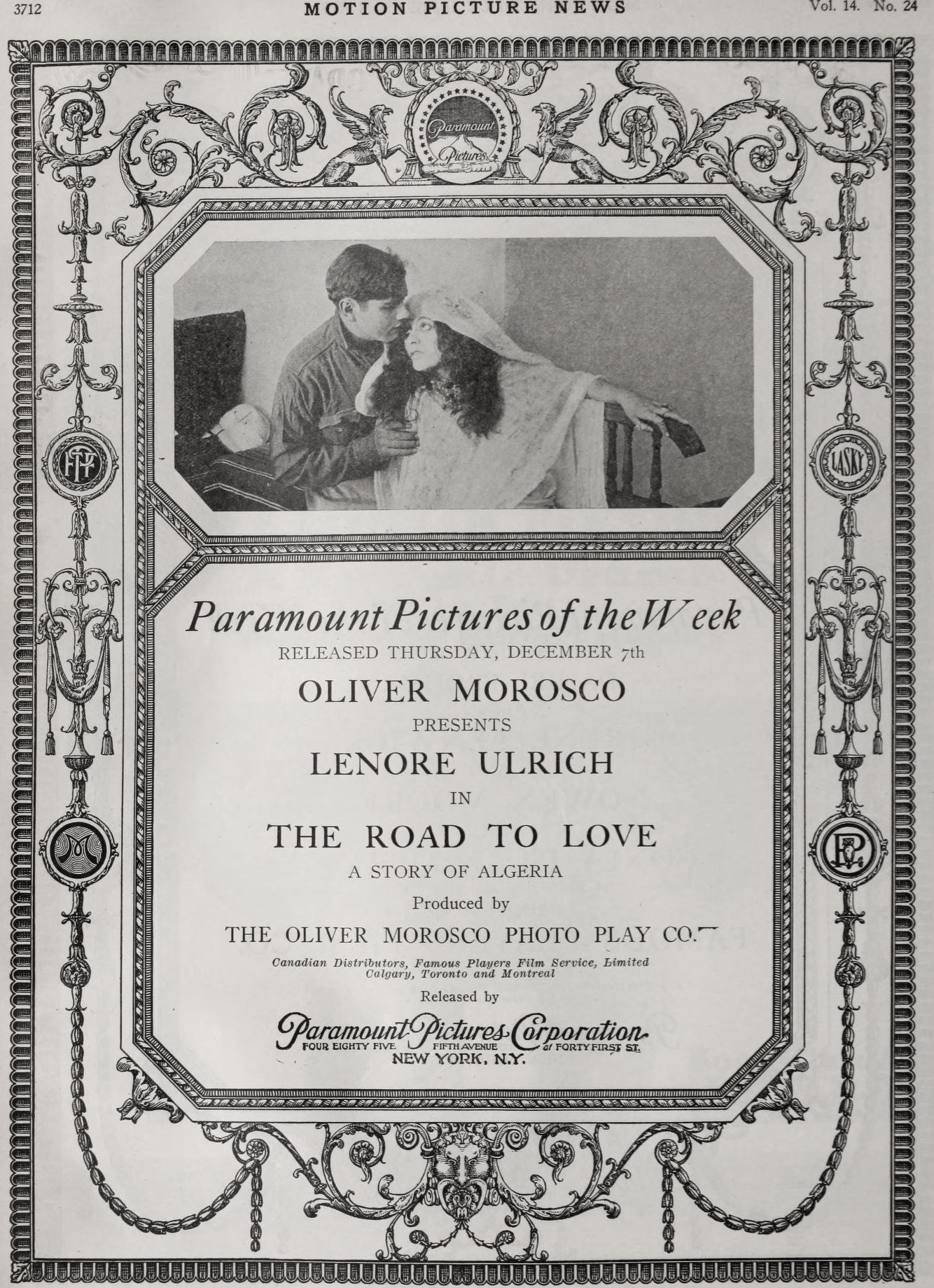
Stepping back into the cinematic tapestry of 1916, one encounters The Road to Love, a silent film that, despite its age, still pulsates with a melodramatic energy characteristic of its era. It's a grand, sweeping narrative set against the exotic backdrop of Algeria, where personal desires clash violently with entrenched traditions and unforeseen family secrets. This isn't merely a tale of a boy meeting a girl; it's an epic odyssey of love, liberation, and the relentless pursuit of self-determination in a world rife with peril and deception.
The story plunges us into the life of Hafsa, portrayed by Estelle Allen, the sheltered yet spirited daughter of the affluent Sidi Malik (Alfred Hollingsworth). Her sheltered existence is abruptly shattered by the avarice of Leila Sadiya (Lenore Ulric), a formidable figure who presides over a troupe of dancing girls, and whose gaze falls upon Hafsa with predatory intent. Leila, a master manipulator, orchestrates Hafsa's abduction, a move that immediately establishes the high stakes and constant danger inherent in this world. This initial act of violence sets the stage for a narrative where agency is a precious commodity, constantly under threat.
Meanwhile, across the vast, shifting sands, we meet Gordon Roberts (Joe Massey), a quintessential American adventurer, traversing the mystical landscapes of the Orient. Massey imbues Gordon with a certain earnest charm, a refreshing contrast to the often-duplicitous characters he encounters. His heroism is quickly established when he saves the life of Karan (Gayne Whitman), a proud Bedouin chief, a pivotal act that secures an unbreakable bond of gratitude. This narrative thread, the loyalty of the 'noble savage' trope, was a common device in adventure films of the period, echoing themes seen in contemporary works like The Explorer. Karan's unwavering devotion becomes a crucial lifeline for our protagonist, a steadfast beacon in a sea of betrayal.
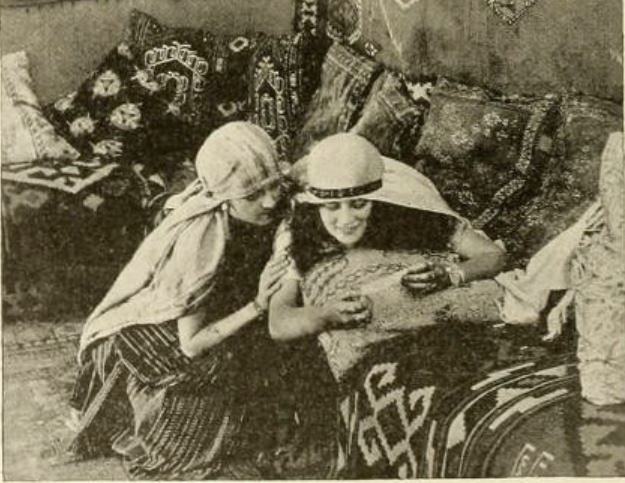
The initial spark between Hafsa and Gordon ignites during a chance encounter in a bustling marketplace. Hafsa, defying her father's restrictive commands, is out shopping, a small act of rebellion that hints at her independent spirit. Gordon, witnessing an altercation with her father, steps in, shielding her from his wrath. This chivalrous act immediately captures Hafsa's regard, and a powerful, almost fated, infatuation blossoms between them. Their connection feels immediate and visceral, a whirlwind romance born out of shared defiance and burgeoning passion. The film cleverly uses these early scenes to establish their chemistry, making their subsequent trials all the more poignant.
Gordon, utterly smitten, resorts to a classic romantic maneuver, disguising himself as a peddler to seek another meeting with Hafsa. However, his amateurish subterfuge is quickly pierced by Nakhla (Herschel Mayall), one of Sidi Malik's vigilant spies. This discovery leads to a brutal beating for Gordon at the hands of Malik's retainers, a stark reminder of the cultural chasm and the severe consequences of transgressing societal norms. The film doesn't shy away from depicting the harsh realities faced by lovers who dare to defy powerful patriarchal figures, a theme explored in various forms across global cinema, from The Pretty Sister of Jose to Nobleza gaucha.
Despite the dangers, the lovers attempt to elope, a desperate gamble for freedom. Their flight is, predictably, short-lived. They are captured, and Gordon is handed over to Abdallah (Colin Chase), with explicit instructions to sell him into slavery. This plot point amplifies the peril, transforming Gordon's romantic quest into a fight for survival. Hafsa, demonstrating remarkable courage and resourcefulness, doesn't abandon him. She bribes Abdallah, negotiating her passage within the very caravan where Gordon is kept drugged, a testament to her unwavering devotion and cunning. Her determination in the face of such overwhelming odds is truly compelling, elevating her character beyond a mere damsel in distress.
The narrative gains momentum as Karan, the Bedouin chief, learns of Gordon's dire predicament. True to his word, he embarks on a mission to rescue his American friend. Karan's infiltration of Abdallah's trust is a masterclass in patient manipulation, culminating in him drugging the guards. Yet, just as freedom seems within reach, a dramatic twist occurs: Gordon, upon seeing Hafsa, insists she accompany him. This moment is fraught with tension, highlighting the depth of his love, but also presenting Karan with an agonizing choice. Ultimately, the steadfast Bedouin yields to Hafsa's plight, facilitating Gordon's escape, while Hafsa, in a heart-wrenching sacrifice, remains behind, delivered to the clutches of the ruthless Leila. This selflessness from Hafsa elevates the emotional stakes considerably.
Hafsa's reappearance is nothing short of theatrical. She is next seen dancing at a lavish fete, a mesmerizing figure offered for sale. The scene is imbued with a palpable sense of tragedy, as Hafsa's grace and beauty are commodified. Gordon, recognizing her, makes a desperate, impassioned effort to outbid an old sheik, but his resources prove insufficient. The moment is a crushing defeat, emphasizing the powerlessness of individual will against entrenched wealth and custom. The despair on Gordon's face, even in a silent film, must have been profoundly moving for contemporary audiences. It's a classic silent film trope, the hero's last-ditch effort thwarted, but it resonates deeply here due to the established emotional investment in the characters.
On the eve of her forced wedding, Hafsa, ever resourceful, executes a daring deception, substituting her loyal maid for herself. She flees with Gordon, but their brief taste of freedom is quickly shattered. The deception is discovered, and a relentless pursuit begins. The film builds considerable suspense during this chase sequence, a staple of adventure films, drawing parallels to the urgency seen in films like Runaway June. Just as the fugitives reach the garden gate, their escape route seemingly within grasp, Sidi Malik, Hafsa's father, appears, effectively cutting off their path. The tension is almost unbearable at this point, with multiple forces converging.
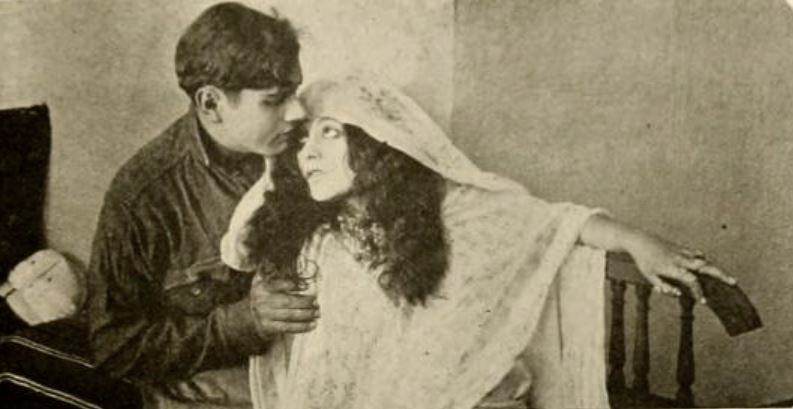
Then, the narrative delivers its most stunning revelation. Leila, the relentless pursuer, arrives on the scene, her gaze falling upon Malik. In a moment of profound shock and recognition, it is revealed that Malik is her husband, and, in an even more astonishing twist, Leila is Hafsa's true mother, the very woman who has been attempting to sell her own daughter into marriage. This familial bombshell recontextualizes the entire story, transforming a simple tale of good versus evil into a complex web of mistaken identities, estranged relationships, and tragic irony. It’s a twist that would make many a modern screenwriter envious, reminiscent of the dramatic family secrets found in films like Salainen perintömääräys.
As the old sheik and his retinue approach, Leila, confronted with the full, horrifying truth of her actions and the impending doom for her daughter, experiences a sudden, powerful surge of maternal love. She implores Malik to permit Hafsa to go her way with Gordon, to choose her own destiny. In a final, desperate act of sacrifice and cunning, Leila snatches Hafsa's scarf and dramatically throws it into the garden well. When the sheik arrives, he is shown the scarf and told that Hafsa has chosen a tragic fate over marrying him, a noble lie that provides the lovers with the window of opportunity they desperately need. This act of self-sacrifice, born from a mother's eleventh-hour realization, is the emotional climax of the film, providing a bittersweet resolution to Leila's complex character arc. It’s a powerful moment of redemption, echoing the profound sacrifices often found in romantic dramas like Less Than the Dust.
Under the unwavering chaperonage of the faithful Karan, the lovers finally depart across the vast, moonlit desert. Their journey is not merely a physical one, but a metaphorical passage towards a future forged by their own choices, free from the constraints of tradition and the shadows of the past. The title, The Road to Love, takes on a profound significance here, encapsulating not just their physical escape, but their arduous, hard-won journey towards genuine affection and autonomy. The film, despite its dated stylistic elements, manages to convey a timeless message about the enduring power of love, resilience, and the universal human desire for freedom.
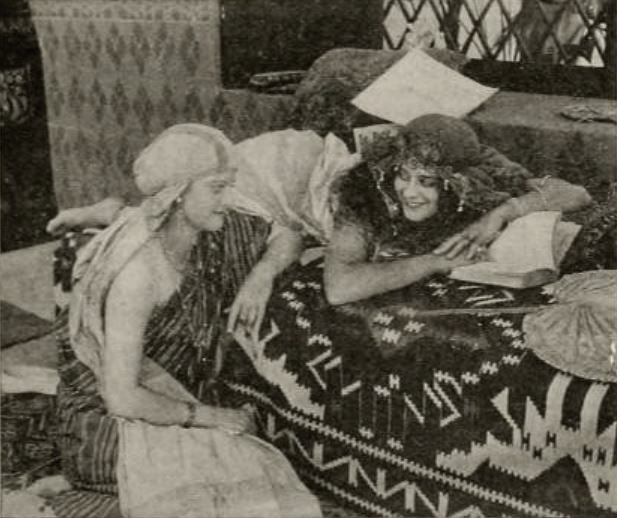
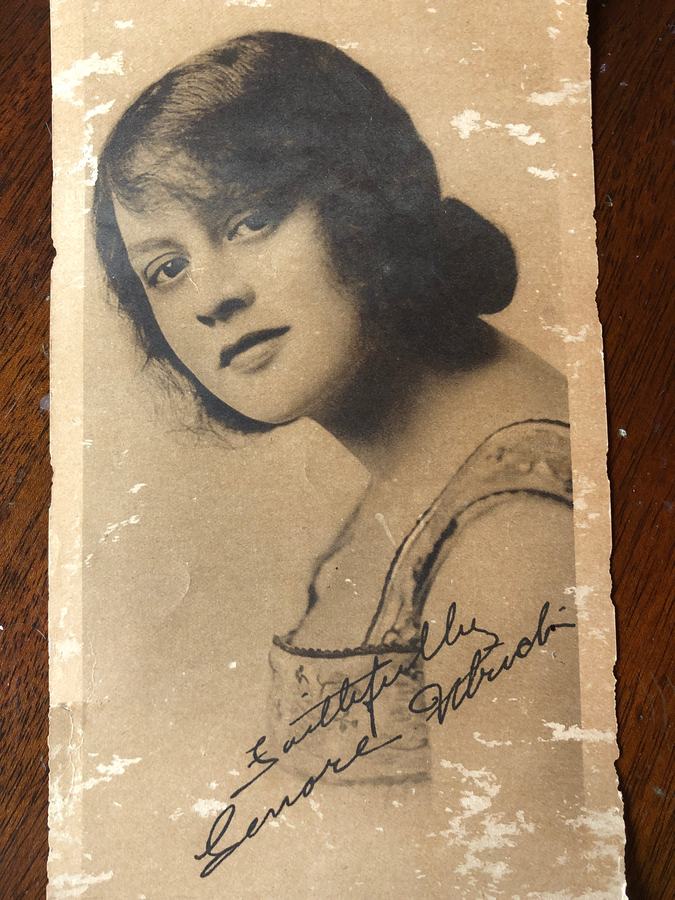
Blanche Dougan Cole and Gardner Hunting's screenplay, while rooted in the conventions of its time, skillfully weaves together elements of adventure, romance, and familial drama. The pacing, though occasionally deliberate by modern standards, allows for the full emotional weight of each revelation to settle. Joe Massey as Gordon Roberts delivers a performance that, though restrained by the silent film medium, effectively conveys his character's earnestness and determination. Estelle Allen, as Hafsa, captures the character's transition from sheltered ingenue to a woman of courage and conviction. Lenore Ulric's portrayal of Leila Sadiya is particularly noteworthy; she navigates the complex arc from villain to reluctant savior with compelling intensity, making her eventual redemption all the more impactful. Her performance adds layers of nuance that elevate the film beyond a simple adventure story.
The supporting cast, including Gayne Whitman's steadfast Karan and Alfred Hollingsworth's stern Sidi Malik, provide solid foundations for the central drama. The film's use of its Algerian setting is evocative, even if filtered through a Western lens, adding an element of exoticism that was highly popular with audiences of the period. While some of the cultural representations might be viewed differently today, the film's core themes of defying oppression for love remain potent. It’s a testament to the universal appeal of such narratives, much like the enduring charm of films such as Rebecca the Jewess, which also explored forbidden love and cultural barriers.
Ultimately, The Road to Love is more than just a historical curiosity; it's a testament to the enduring power of classic storytelling. It reminds us that even in the nascent years of cinema, filmmakers were capable of crafting intricate plots, developing compelling characters, and exploring profound human emotions. It’s a journey that, while sometimes circuitous, ultimately leads to a satisfying, if hard-won, triumph of the heart. For aficionados of early cinema, or anyone seeking a grand romantic adventure steeped in historical charm, this film offers a captivating escape into a world where love truly is worth fighting for, even against the most formidable odds. It stands as a vibrant example of how early silent films, despite their technical limitations, managed to deliver powerful and emotionally resonant narratives that continue to engage and inspire. Its legacy, much like the winding desert paths, continues to offer a compelling view of love's enduring pursuit.
IMDb 7.4
1936
Community
Log in to comment.