DbcultAccessing Vault...
Cult Review
Senior Film Conservator
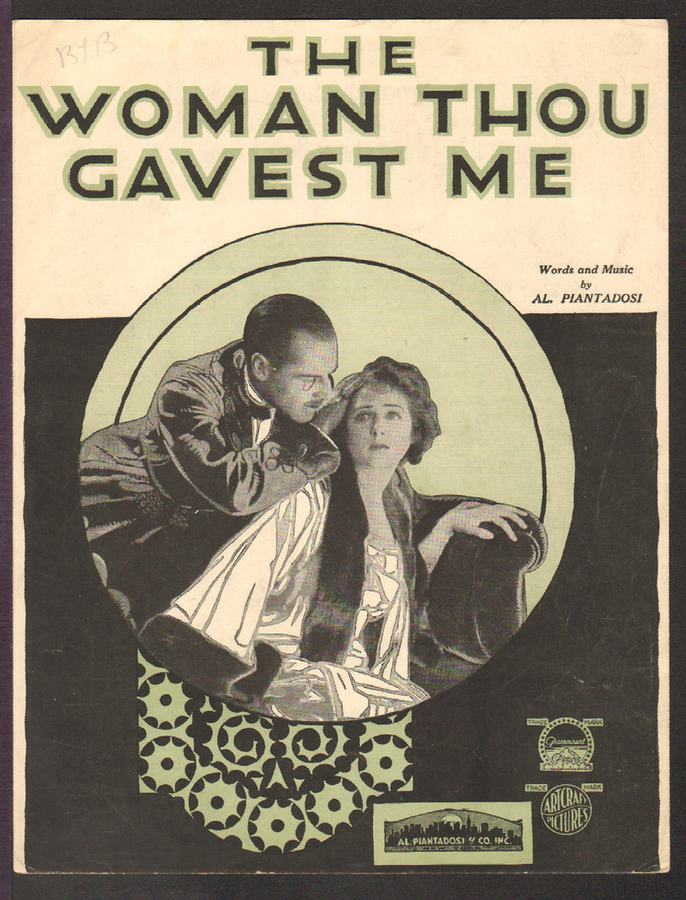
In the pantheon of silent cinema, few works grapple with the intersection of systemic misogyny and class-based resentment as viscerally as the 1919 adaptation of Hall Caine’s scandalous bestseller, The Woman Thou Gavest Me. This is not merely a melodrama; it is a clinical dissection of how the female body and spirit are utilized as currency in the vendettas of men. Directed with a keen eye for the claustrophobia of high society, the film presents a world where every gesture is a gambit and every marriage a siege. Unlike the more ephemeral romances of its time, such as Angel of His Dreams, this production leans into the grit of its convictions, refusing to sanitize the harrowing trajectory of its protagonist, Mary MacNeill.
The narrative engine is fueled by the scorched-earth policy of Daniel MacNeill, played with a terrifying, patriarchal rigidity by Theodore Roberts. His motivation—a childhood slight at the hands of the aristocracy—serves as a fascinating study in the psychology of the nouveau riche. He doesn't just want Lord Raa’s title; he wants to own the man’s very survival. By forcing Mary (Katherine MacDonald) into a union with the dissolute Lord Raa (Milton Sills), MacNeill creates a legal trap: if Raa strays, he loses the MacNeill fortune. It is a cynical maneuver that turns Mary into a human tripwire. This level of narrative complexity elevates the film above standard morality plays like A Woman's Honor, moving into the realm of sociopolitical critique.
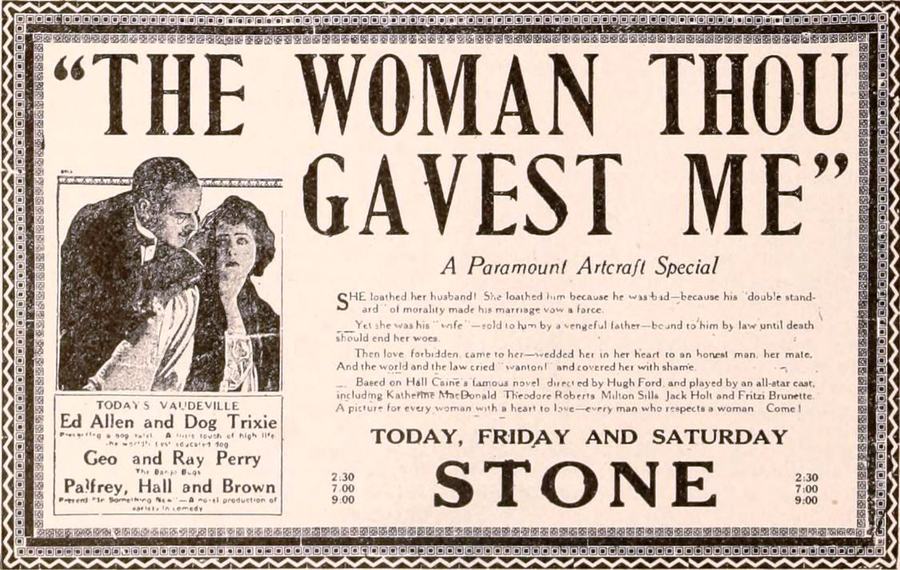
Katherine MacDonald, often billed as the 'American Beauty,' provides a performance that transcends her aesthetic appeal. She captures the hollow-eyed resignation of a woman who has been commodified since birth. As the scene shifts to Egypt, the visual language of the film expands, contrasting the ancient, indifferent monuments of the Pharaohs with the petty, sharp-edged cruelties of the Raa honeymoon. Here, Milton Sills portrays Raa not as a cartoon villain, but as a man whose soul has been eroded by privilege and boredom. His introduction of his mistress, Alma Lier, as 'Lady Raa' is a masterstroke of psychological warfare, pushing Mary toward the precipice of her own liberation.
The entry of Martin Conrad (Jack Holt) serves as the catalyst for the film's most daring thematic pivot. Conrad, the explorer, represents a rugged individualism that stands in stark opposition to Raa’s stagnant decadence. His impending Antarctic voyage serves as a metaphor for the emotional isolation Mary faces. Their one night of passion is framed not as a tawdry affair, but as a desperate reclamation of agency. In the context of 1919 cinema, this was explosive material. While films like The Fatal Marriage often punished such transgressions with immediate divine retribution, The Woman Thou Gavest Me allows Mary to find a brief, albeit tragic, sense of self through her 'sin.'
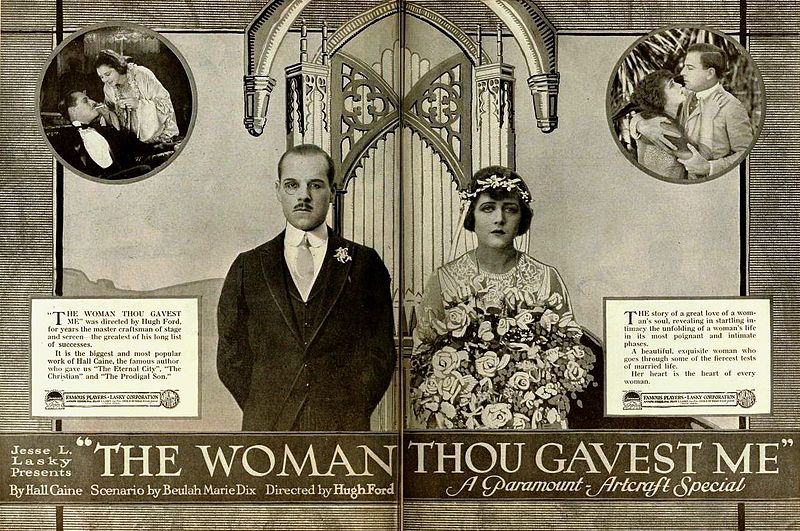
The cinematography during the Antarctic sequences—though largely reliant on the era's technical limitations—effectively communicates a sense of cosmic indifference. While Conrad is fighting the elements, Mary is fighting the rigid structures of French and Indian society. Her seclusion in France and the subsequent birth of her child are handled with a surprising amount of empathy. The film avoids the histrionics found in The Return of Mary, opting instead for a somber, almost documentary-like focus on her mounting desperation. When she finally stands before her father and Raa, declaring her child's true parentage, it is a moment of monumental cinematic defiance.
The third act of the film is where the 'melodrama' tag is truly earned, yet it is executed with such raw intensity that it remains hauntingly relevant. The transition from the opulent estates of India to the foggy, predatory streets of London is a jarring aesthetic shift. Mary’s descent into poverty is not a slow fade but a violent plummet. The loss of her resources and the reported death of Conrad strip away the last vestiges of her social protection. The film’s depiction of her turn to prostitution is handled with a gravity that was rare for the time, echoing the social realism found in A Roadside Impresario but with a much darker edge.
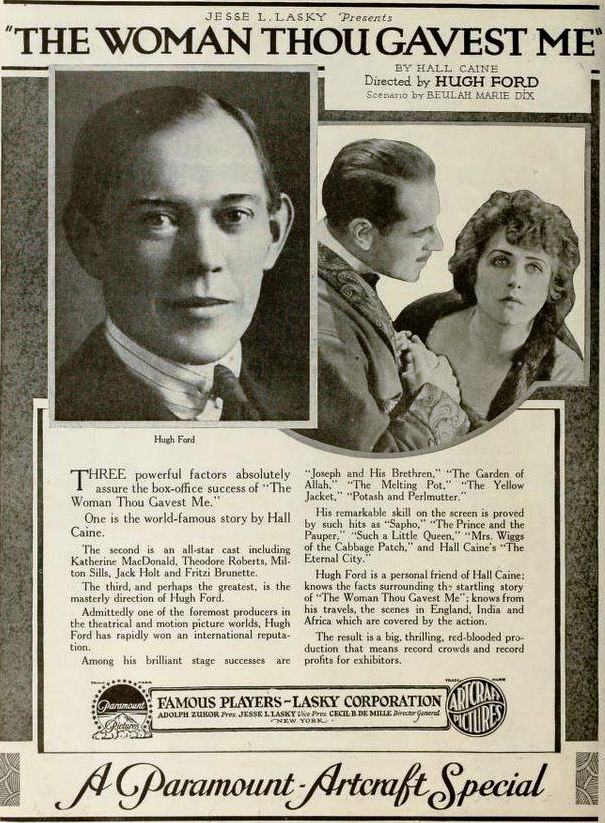
The sequence where she approaches her first 'client,' only for him to be the resurrected Conrad, is a narrative coincidence that serves a higher symbolic purpose. It is the intersection of the 'fallen' woman and the 'heroic' man, a collision of two people who have both been to the edge of the world and back. The emotional payoff is immense, not because of the romance, but because it represents the collapse of the social order that tried to destroy them. Conrad’s acceptance of Mary, despite her 'degradation,' is a radical rejection of the era's moral codes, making it a much more progressive work than something like The Empress.
While Mary and Conrad find a precarious salvation, the film offers no such mercy to Lord Raa. His trajectory is a mirror image of Mary’s; while she rises from the mud through spiritual resilience, he sinks into it through moral bankruptcy. The abandonment by Alma Lier and the total evaporation of his stolen wealth lead to a conclusion that is as grim as it is inevitable. Raa’s suicide is the final punctuation mark on Daniel MacNeill’s revenge, but it is a hollow victory. The fortune is gone, the lineage is shattered, and the only survivors are those who chose to step outside the system entirely.
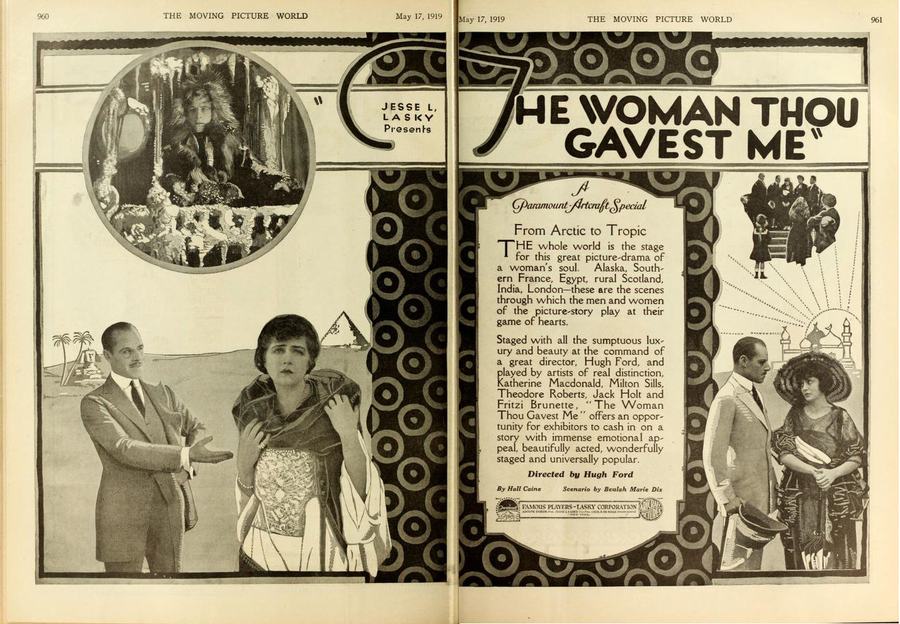
Comparing this to the rugged survivalism of Hell Bent, we see a different kind of toughness. Mary’s survival is not physical or violent; it is an endurance of the soul. The film’s pacing, though deliberate, builds a sense of mounting dread that is only relieved in the final frames. The use of light and shadow in the London sequences creates a noir-ish atmosphere years before the genre was formalized, setting it apart from the more brightly lit stage-bound productions like Petticoats and Politics.
In the broader landscape of 1910s cinema, The Woman Thou Gavest Me stands as a towering achievement of narrative ambition. It tackles the hypocrisy of divorce laws, the cruelty of the class system, and the resilience of the female spirit without flinching. While some modern viewers might find the 'prostitution-as-sacrifice' trope dated, within the context of the film’s internal logic, it serves as the ultimate indictment of a society that gives a woman no other path to save her child. It is a far more substantial work than the lighthearted A Widow's Camouflage or the procedural nature of The Empty Cab.
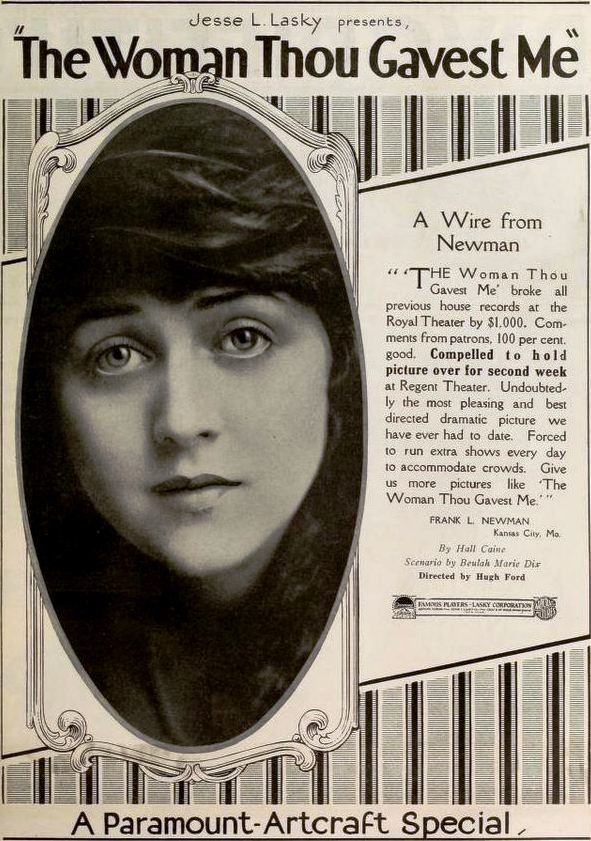
Ultimately, the film is a testament to the power of the silent medium to convey complex emotional states through visual storytelling. The performances of MacDonald and Sills, in particular, elevate the material beyond its penny-dreadful origins into something approaching high art. It is a story of how love can be forged in the fires of social ruin, and how the 'woman thou gavest me'—a phrase steeped in biblical blame—becomes the architect of her own salvation. This is essential viewing for anyone interested in the evolution of the social drama and the history of feminist themes in early Hollywood.
Review by The Cinematic Archivist
Rating: ★★★★½
IMDb 6
1924
Community
Log in to comment.