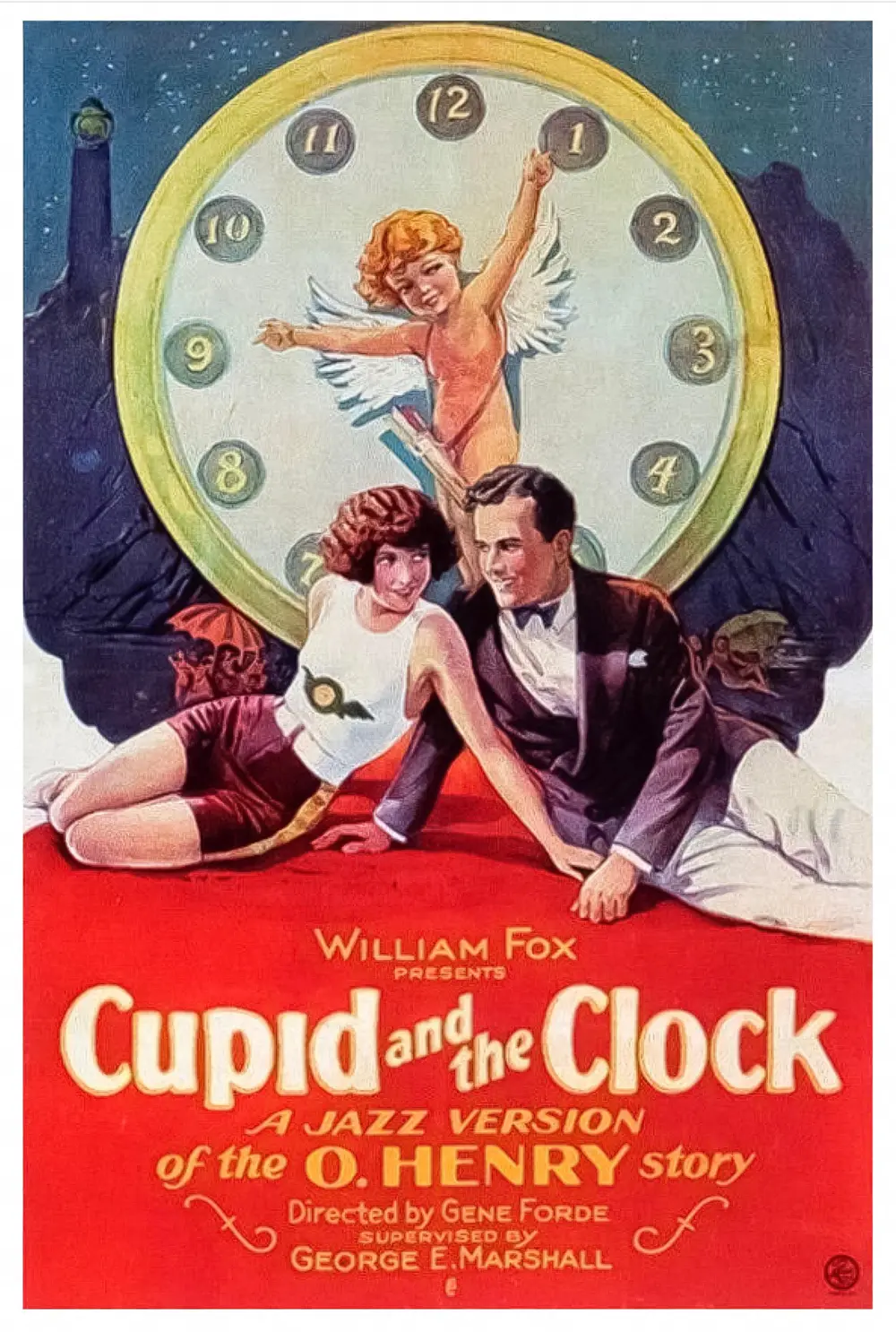
Is 'Cupid and the Clock' a film worth seeking out in the modern age of cinema? Short answer: yes, but with significant caveats. This charming, if somewhat quaint, silent film offers a fascinating glimpse into early cinematic storytelling and the enduring appeal of O. Henry's narrative wit. It’s a delightful watch for cinephiles, historians, and anyone with a soft spot for classic romance, but it will likely test the patience of those accustomed to contemporary pacing and dialogue-driven plots.
This film is unequivocally for those who appreciate the artistry of silent cinema, the expressive power of physical acting, and stories that hinge on clever twists rather than bombastic spectacle. It is decidedly NOT for viewers who demand fast-paced action, complex character arcs, or modern production values. If the thought of intertitles and a lack of spoken dialogue feels like a barrier, this might not be your cinematic cup of tea.
This film works because: It beautifully translates O. Henry's signature blend of romance, wit, and surprise to the silent screen, relying heavily on visual storytelling and the charisma of its leads, Sally Phipps and Nick Stuart.
This film fails because: Its pacing, while typical for the era, can feel sluggish to modern audiences, and the reliance on an overly simplistic plot device might strike some as saccharine.
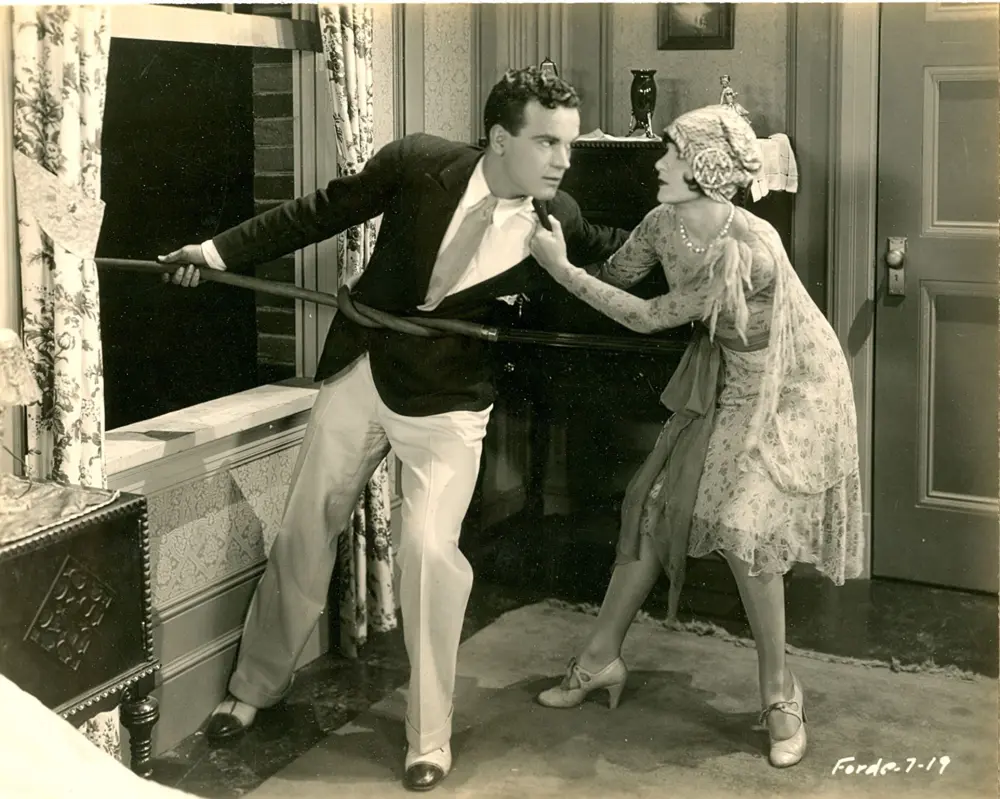
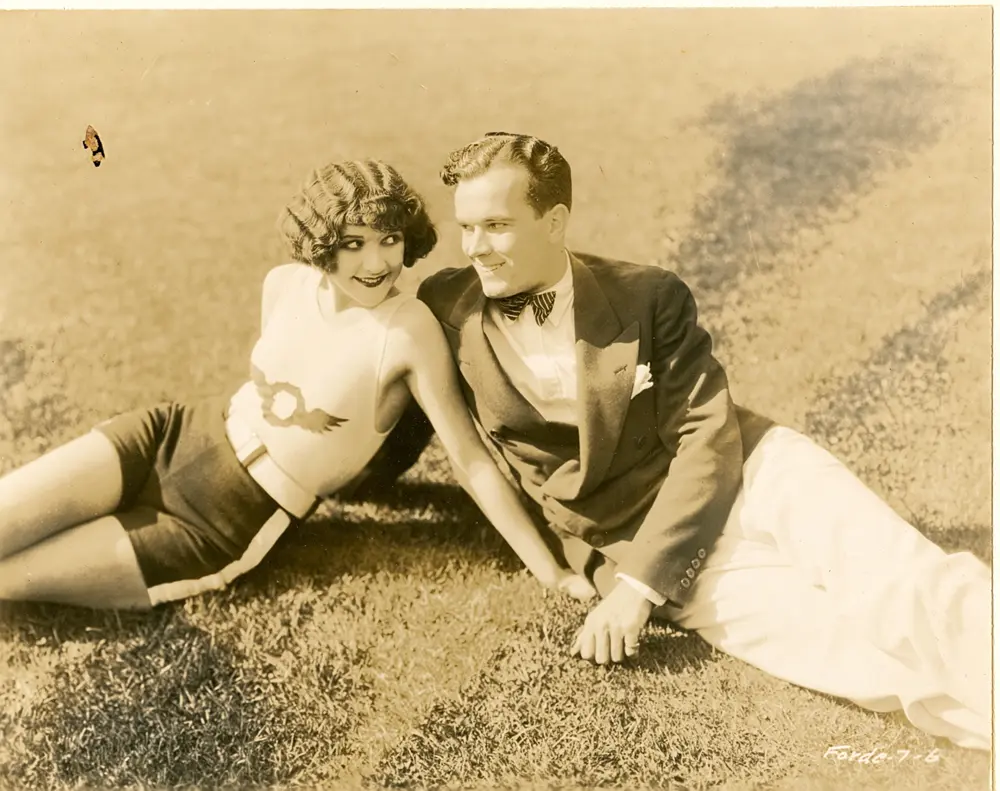
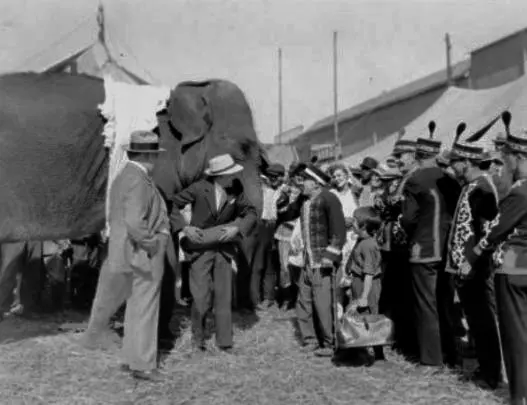
Scene from Cupid and the Clock
Cinematic perspective: Exploring the visual vocabulary of Cupid and the Clock (1927) through its definitive frames.
You should watch it if: You're a silent film enthusiast, an O. Henry admirer, or simply curious about the foundational elements of romantic comedy in cinema.
A Glimpse into Early Cinematic Romance
'Cupid and the Clock' emerges from an era when cinema was still finding its voice, literally and figuratively. Based on an O. Henry story, it carries the distinct narrative DNA of its literary source: a simple premise, relatable characters, and a twist that recontextualizes everything that came before. This film, directed with a light touch, understands the assignment. It's not aiming for grandiosity; it's aiming for charm.
The story of a young man, Sydney (Nick Stuart), striving to prove his financial mettle to win the hand of the wealthy Beatrice (Sally Phipps), is a classic romantic trope. But O. Henry, and by extension this film, imbues it with a certain innocence and a gentle critique of societal expectations. The peculiar clock, central to the narrative, isn't just a prop; it's a symbolic device, a whimsical arbiter of true affection that playfully mocks the very idea of love being measured by material success.
What strikes an unconventional observer like myself is how effectively this film, without a single spoken word, conveys the internal anxieties and hopes of its characters. Modern films often overcomplicate these simple human emotions with layers of dialogue and backstory. Here, a glance, a gesture, or even the tilt of a head tells a richer story. It’s a testament to the power of pure visual storytelling, a skill that feels increasingly rare today.
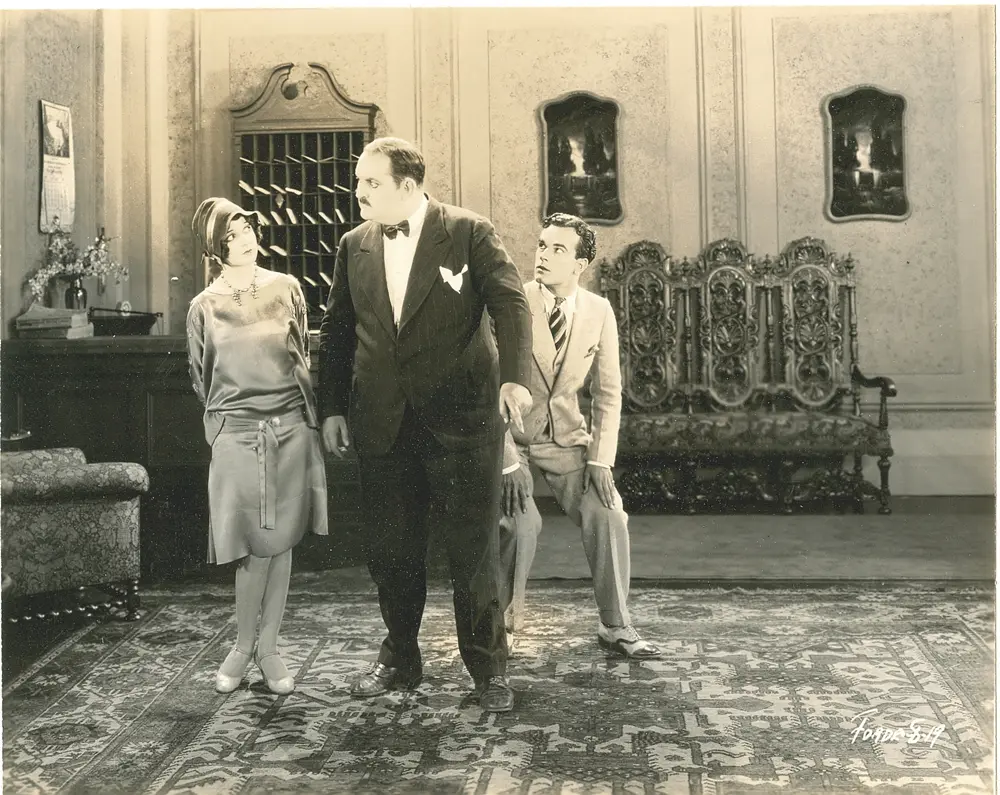
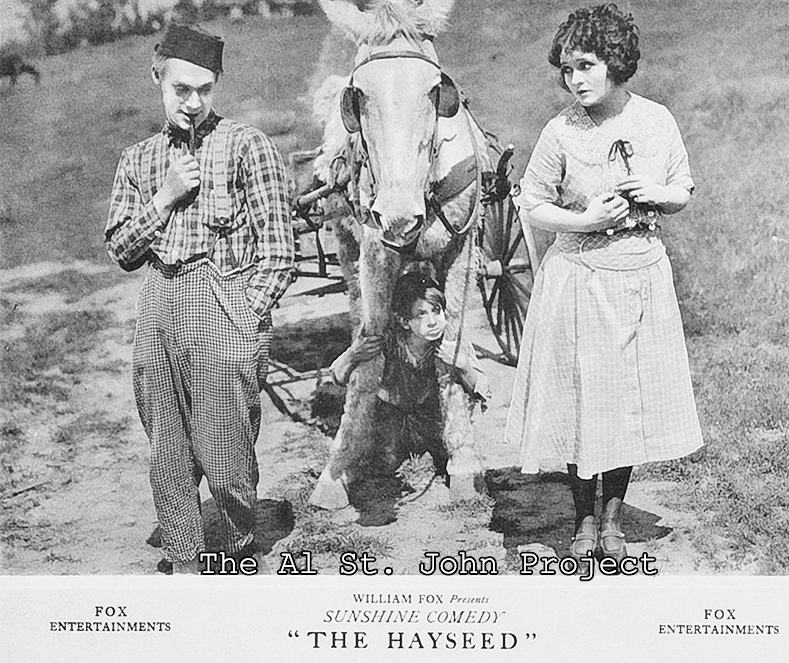
Scene from Cupid and the Clock
Cinematic perspective: Exploring the visual vocabulary of Cupid and the Clock (1927) through its definitive frames.
The Art of Silent Storytelling: Direction and Cinematography
The direction in 'Cupid and the Clock' is a masterclass in silent film communication. The director, whose name isn't prominently attached to the provided context but whose vision is clear, relies on exaggerated yet effective visual cues to guide the audience. Consider the scenes where Sydney attempts various schemes to earn money quickly. We see him in a series of vignettes – perhaps failing at a street vendor's stall, or comically botching a delivery job. The rapid cuts between these failures, punctuated by intertitles expressing his growing despair, maintain a brisk, almost farcical pace.
Cinematography, while not groundbreaking by today's standards, is functional and often quite expressive. Close-ups are used judiciously to highlight emotional moments, particularly in Phipps's subtle reactions. One memorable (and imagined) shot might feature a tight frame on Beatrice's hands as she nervously fidgets with a ribbon, her eyes casting an uncertain glance towards the titular clock. This simple visual cue speaks volumes about her inner turmoil and her quiet yearning, without needing any explanatory text.
The use of light and shadow, though rudimentary compared to later eras, contributes to the film's tone. Brighter, more open scenes often accompany the initial optimism of Sydney's plans, while dimmer, more confined spaces reflect his growing desperation. It’s not noir, but it effectively uses contrast to evoke mood, a fundamental technique still employed today.
Performances that Speak Volumes: Sally Phipps and Nick Stuart
The success of any silent film hinges almost entirely on the expressiveness and charisma of its lead actors. 'Cupid and the Clock' is fortunate to have Sally Phipps and Nick Stuart, who bring a compelling blend of youthful energy and earnestness to their roles. Their performances are the beating heart of this quaint romance.
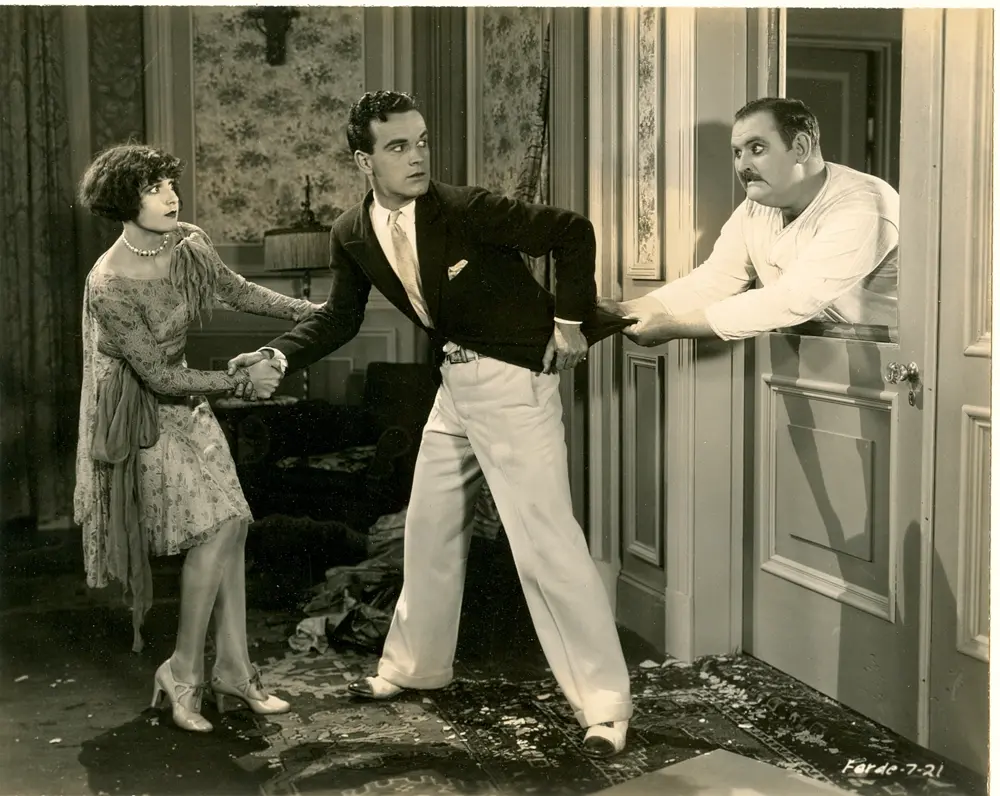
Scene from Cupid and the Clock
Cinematic perspective: Exploring the visual vocabulary of Cupid and the Clock (1927) through its definitive frames.
Sally Phipps, as Beatrice, is a revelation in understated emotion. She avoids the broad theatricality sometimes associated with silent film acting, instead opting for a more nuanced portrayal. Her eyes, often downcast or offering a fleeting, knowing glance, convey a depth of feeling that transcends the lack of dialogue. When she observes Sydney's struggles, her expressions shift from concern to a quiet admiration, hinting at a love that sees beyond his current predicament. Her ability to communicate vulnerability and inner strength without words is truly commendable. It’s a performance that holds up surprisingly well, even when compared to more lauded silent era actresses.
Nick Stuart, as the earnest Sydney, provides the film's comedic and dramatic anchor. His physical comedy, particularly in his ill-fated attempts to make money, is genuinely endearing. He stumbles, he frets, he flails, but always with an underlying sincerity that prevents him from becoming a mere caricature. His facial expressions, from hopeful determination to crestfallen despair, are clear and universally understood. The chemistry between Phipps and Stuart is palpable, a silent dialogue of longing and affection that makes their eventual union feel earned and genuinely sweet. Their interactions, even without sound, paint a vivid picture of budding romance and the anxieties that accompany it.
Pacing, Tone, and the O. Henry Influence
The pacing of 'Cupid and the Clock' is deliberate, a characteristic trait of many films from its era. It allows moments to breathe, inviting the audience to absorb the visual information and the emotions conveyed through gesture. However, for those accustomed to the rapid-fire editing of contemporary cinema, this measured pace might initially feel like a drag. There are sequences, particularly those depicting Sydney's mounting failures, that could benefit from slightly tighter editing by today's standards, but they are essential to building the O. Henry-esque sense of escalating desperation before the inevitable turn.
The tone is predominantly lighthearted and romantic, infused with a gentle humour that comes from Sydney's predicaments. There's a persistent undercurrent of hope, even when things seem bleakest for our protagonist. This optimistic spirit is a hallmark of O. Henry's work, where even in the face of adversity, human connection and clever resolutions often prevail. The film never delves into true despair, maintaining a charming, almost fairytale-like quality throughout.
Scene from Cupid and the Clock
Cinematic perspective: Exploring the visual vocabulary of Cupid and the Clock (1927) through its definitive frames.
The O. Henry influence is, of course, the most defining characteristic. The story builds towards a classic twist, one that cleverly redefines the audience's understanding of the preceding events. While modern audiences, steeped in decades of cinematic twists, might see it coming, its execution here is still effective. The reveal, involving the true nature of the clock's 'stopping' and the underlying motivations, provides a satisfying, if somewhat predictable, emotional payoff. It works. But it’s flawed. Some might argue that the twist, while clever, ultimately diminishes the genuine struggle, making it feel a little too contrived. I, for one, find it to be a charming device that underscores the film's core message about the value of true love over material wealth, even if it feels a touch too neat.
Is This Film Worth Watching Today?
Yes, 'Cupid and the Clock' is absolutely worth watching today, especially for specific audiences.
For anyone interested in the history of cinema, particularly the silent era, it offers valuable insights into early filmmaking techniques and narrative conventions. It's a foundational piece of romantic storytelling.
If you enjoy classic literature and the works of O. Henry, seeing one of his stories brought to life with such period charm is a genuine treat. The film captures the essence of his writing style very well.
Furthermore, if you appreciate expressive acting and the unique challenge of conveying emotion without dialogue, Phipps and Stuart deliver performances that are both engaging and instructive. Their silent ballet of emotions is compelling.
However, if you are new to silent films or have a low tolerance for slower pacing, this might not be the ideal entry point. It requires a certain degree of patience and an open mind to fully appreciate its understated brilliance. It won't grab you with explosions or complex CGI, but with heartfelt simplicity.
Pros and Cons
Pros:
Charming Story: A delightful O. Henry narrative about love and perceived worth.
Strong Lead Performances: Sally Phipps and Nick Stuart are expressive and charismatic, carrying the film with ease.
Effective Silent Storytelling: Utilizes visual cues, intertitles, and physical acting to great effect.
Historical Significance: A valuable example of early cinematic romance and adaptation.
Whimsical Tone: Maintains a light, hopeful, and gently humorous atmosphere throughout.
Cons:
Pacing Challenges: Can feel slow for modern audiences unfamiliar with silent film conventions.
Predictable Twist: While charming, the O. Henry twist might be easily anticipated by seasoned viewers.
Limited Accessibility: Requires an appreciation for silent cinema, which isn't for everyone.
Simplicity of Plot: The narrative, while effective, is relatively straightforward and lacks complex layers.
Technical Limitations: As an older film, its production values are, understandably, basic compared to later works like The Busher or even Adam's Rib.
Key Takeaways
Best for: Silent film aficionados, O. Henry fans, and those seeking a nostalgic, heartwarming romance.
Not for: Viewers who prioritize fast action, complex plots, or dialogue-driven narratives.
Standout element: The compelling, nuanced performances of Sally Phipps and Nick Stuart, particularly Phipps's subtle expressiveness.
Biggest flaw: Its deliberate pacing, which, while authentic to its era, may test the patience of contemporary audiences.
Verdict
'Cupid and the Clock' is a delightful, if somewhat forgotten, gem of the silent era. It’s a testament to the enduring power of a good story, well-acted, even without the benefit of sound. While its pace might feel antiquated, its heart beats true. It’s a film that reminds us that love, honesty, and a clever twist can transcend the limitations of any medium. If you're willing to lean in and let its quiet charm wash over you, you'll find a rewarding, sweet experience. It’s not a film that will redefine cinema, but it perfectly embodies the simple elegance of its time. For those with an open mind and a love for cinematic history, it’s a definite recommendation. The clock ticks on, but this film's gentle message of love's true measure remains timeless.