DbcultAccessing Vault...
6.1/10
Senior Film Conservator
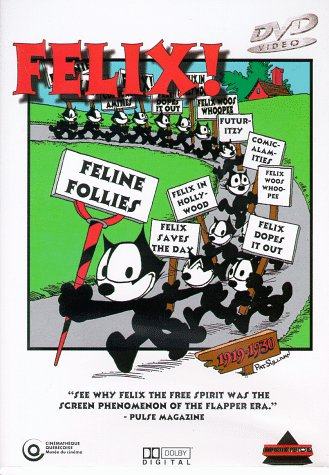
A definitive 6.1/10 rating for a film that redefined the boundaries of cult cinema. Feline Follies remains a cornerstone of transgressive art.
Stepping into the flickering world of early cinema, one often encounters foundational works that, while rudimentary by modern standards, hum with an undeniable, pioneering spirit. "Feline Follies", a quintessential example from the dawn of animated storytelling, is precisely such a film. It’s not merely a historical curiosity; it’s a vibrant, if brief, testament to the nascent power of the moving image to craft character, narrative, and even a touch of moral allegory through the seemingly simple act of drawing. Released at a time when cinema itself was still finding its voice, and animation was an audacious, experimental art form, this short stands as a crucial waypoint in the evolution of an entire industry. Its enduring significance lies not just in its charm, but in its role as a precursor to one of the most iconic characters in cartoon history, hinting at the boundless potential that animators like Otto Messmer were just beginning to unlock.
The premise is disarmingly straightforward, yet it unpacks a surprisingly resonant theme: the eternal struggle between duty and desire. We are introduced to Master Tom, a feline protagonist whose primary directive is the vigilant protection of his domestic domain from the inevitable incursions of mice. This is a responsibility he initially embodies with a certain gravitas, a silent sentinel against chaos. However, his resolve is swiftly undermined by the enchanting presence of Miss Kitty, a character whose allure proves irresistible. The narrative pivot, where Tom abandons his post for the intoxicating pursuit of romance, is where the film truly begins to articulate its central conflict. This isn't just a cat chasing a love interest; it's an exploration of human-like foibles, of how easily an individual can be swayed from their appointed tasks by the promise of personal gratification. The subsequent unraveling of order, as the mice gleefully seize their opportunity to wreak havoc, serves as a visceral, comedic, yet ultimately poignant depiction of the consequences of negligence. The meticulously drawn chaos that ensues, transforming a once orderly household into a veritable playground for pests, is a visual metaphor for the rapid descent into disarray when foundational duties are neglected. It’s a timeless lesson, presented with a whimsical touch that belies its underlying seriousness.
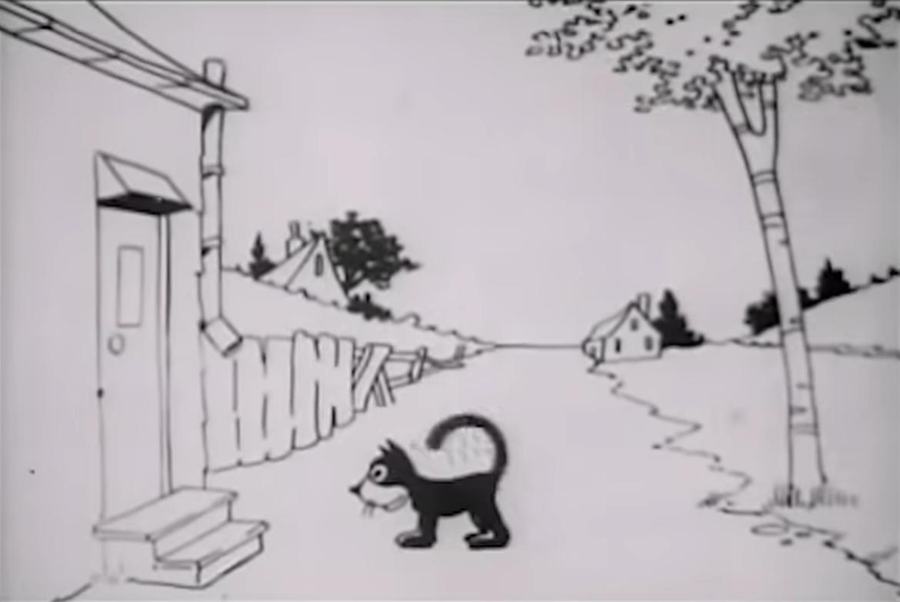
Otto Messmer, often credited with much of the creative force behind this early animation, demonstrates an intuitive grasp of visual storytelling that was revolutionary for its era. The animation, though characterized by its simplicity of line and economy of movement, possesses a remarkable fluidity and expressiveness. Master Tom, despite being a two-dimensional figure, conveys a range of emotions – from dutiful vigilance to lovesick distraction and ultimately, bewildered regret – through subtle shifts in posture, eye movement, and tail swishes. This ability to imbue drawn characters with distinct personalities and emotional depth was a groundbreaking achievement. Unlike some contemporaries who relied heavily on rotoscoping or more rigid, segmented movements, Messmer’s approach felt organic, allowing his characters to feel alive and reactive within their painted environments. The visual gags, while simple, are effective, relying on universal comedic principles rather than elaborate setups. The mice, for instance, are not just generic antagonists; they are mischievous, organized, and utterly delightful in their destructive spree, each animated gesture contributing to their collective personality. The pacing of the film is also noteworthy; it moves with a brisk efficiency, never lingering unnecessarily, allowing the narrative to unfold naturally and engagingly. This early mastery of pacing and character animation laid critical groundwork for the complex, character-driven narratives that would come to define the golden age of animation.
The thematic undercurrents of "Feline Follies" extend beyond mere entertainment, touching upon universal human experiences. It delves into the allure of temptation, the fragile nature of order, and the often-unforeseen repercussions of our choices. Master Tom’s romantic escapade, while seemingly harmless, precipitates a domestic catastrophe, illustrating how personal desires, unchecked, can disrupt the collective good. This mirrors societal anxieties of the time, where rapid industrialization and changing social norms were constantly challenging established orders. While live-action dramas like The Royal Slave might explore grander narratives of love and duty within historical or melodramatic contexts, "Feline Follies" distills these complex ideas into an accessible, allegorical form. It’s a charming, yet profound, reminder that even the smallest dereliction of duty can lead to significant upheaval. The film, in its own whimsical way, subtly critiques the human tendency towards self-gratification over responsibility, a theme that remains perennially relevant. The ultimate scene of Tom's return to a trashed home is a moment of quiet, comedic tragedy, a visual punchline that resonates with the audience's own experiences of consequences, whether grand or mundane. This ability to imbue a simple cartoon with such relatable human pathos is a testament to its artistic depth, proving that animation, even in its infancy, was capable of more than just superficial amusement.
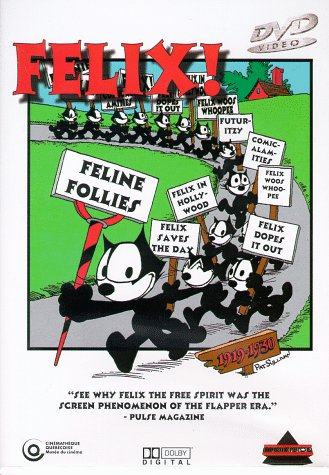
The film’s historical placement is equally fascinating. Released in 1919, it emerged during a period of intense experimentation in cinema. While filmmakers like D.W. Griffith were pushing the boundaries of epic storytelling with works such as When Rome Ruled, and serials like Beatrice Fairfax Episode 15: Wristwatches captivated audiences with ongoing mysteries, animation was forging its own path. "Feline Follies" is widely considered the debut of what would soon become Felix the Cat, albeit under a different name. This makes it a critical artifact in the genesis of character animation. Before Mickey Mouse, before Bugs Bunny, there was this unassuming cat, whose expressive face and rubber-hose limbs would define an era. Messmer’s pioneering work here established many of the visual conventions that would become staples of early animation: the malleable character, the use of thought bubbles, and the ability to interact with the film frame itself. This innovative spirit was not unlike the daring narrative choices seen in films such as The Unknown, which challenged audience perceptions of reality, or Trapped by the Camera, which toyed with the very medium of film itself. "Feline Follies", in its own right, was a daring exploration of what cinema could be beyond mere documentation or live-action drama, proving that a drawn character could evoke just as much personality and engagement as any flesh-and-blood actor.
The influence of this short cannot be overstated. It laid the groundwork for the personality-driven cartoons that would dominate the 1920s and beyond. The success of Master Tom (and his subsequent incarnation as Felix) proved that audiences craved recurring characters, not just standalone animated vignettes. This, in turn, spurred the development of animation studios, the refinement of techniques, and the growth of animation as a viable commercial art form. Without these early experiments, the landscape of cinematic entertainment, particularly children's media, would be profoundly different. It demonstrated that animation could be a powerful medium for creating stars, driving merchandise, and establishing cultural touchstones. The film's simple narrative structure, focusing on a clear conflict and resolution (or rather, the chaotic aftermath), became a template for countless animated shorts that followed, proving that effective storytelling transcends complex plots. It showed that animation could speak a universal language, accessible across cultures and ages, much like the broader appeal sought by dramatic films such as Her Greatest Love or The Ransom, which aimed for broad emotional resonance.
From an artistic standpoint, "Feline Follies" possesses an enduring charm that transcends its historical context. There is a raw, unpolished energy to its animation that is immensely appealing. It’s a snapshot of creation in its purest form, before animation became a highly industrialized, assembly-line process. The inventiveness in depicting movement, the subtle expressions, and the sheer joy in bringing characters to life on screen are palpable. It stands as a testament to the power of imagination and rudimentary tools to create something truly groundbreaking. While contemporary audiences might initially be struck by its age, a deeper look reveals a film brimming with intelligence and wit. It’s a masterclass in visual economy, telling a complete story with minimal dialogue (as was common in silent films) and maximum visual impact. This clarity of narrative and character, achieved through simple yet effective animation, is a quality that modern, hyper-complex productions sometimes struggle to capture. It reminds us that sometimes, less truly is more, especially when guided by a visionary like Messmer.
The legacy of "Feline Follies" is thus multifaceted: it is a pivotal historical document, a foundational animation short, and a charming piece of entertainment in its own right. It showcases the pioneering spirit of early animators and their ability to imbue simple drawings with complex emotions and narratives. It’s a humble yet mighty cornerstone upon which much of subsequent character animation was built, a testament to the power of a cat, a mouse, and a little bit of mischief to change the course of cinematic history. Its influence can be traced through generations of animators and characters, making it far more than just a forgotten relic; it is a vibrant, living piece of cultural heritage that continues to inform and inspire. The film, despite its brevity, offers a profound glimpse into the infancy of an art form that would one day captivate billions around the globe, proving that even the earliest flickers of creativity can cast the longest shadows.
IMDb —
1920
Community
Log in to comment.