DbcultAccessing Vault...
Cult Review
Senior Film Conservator
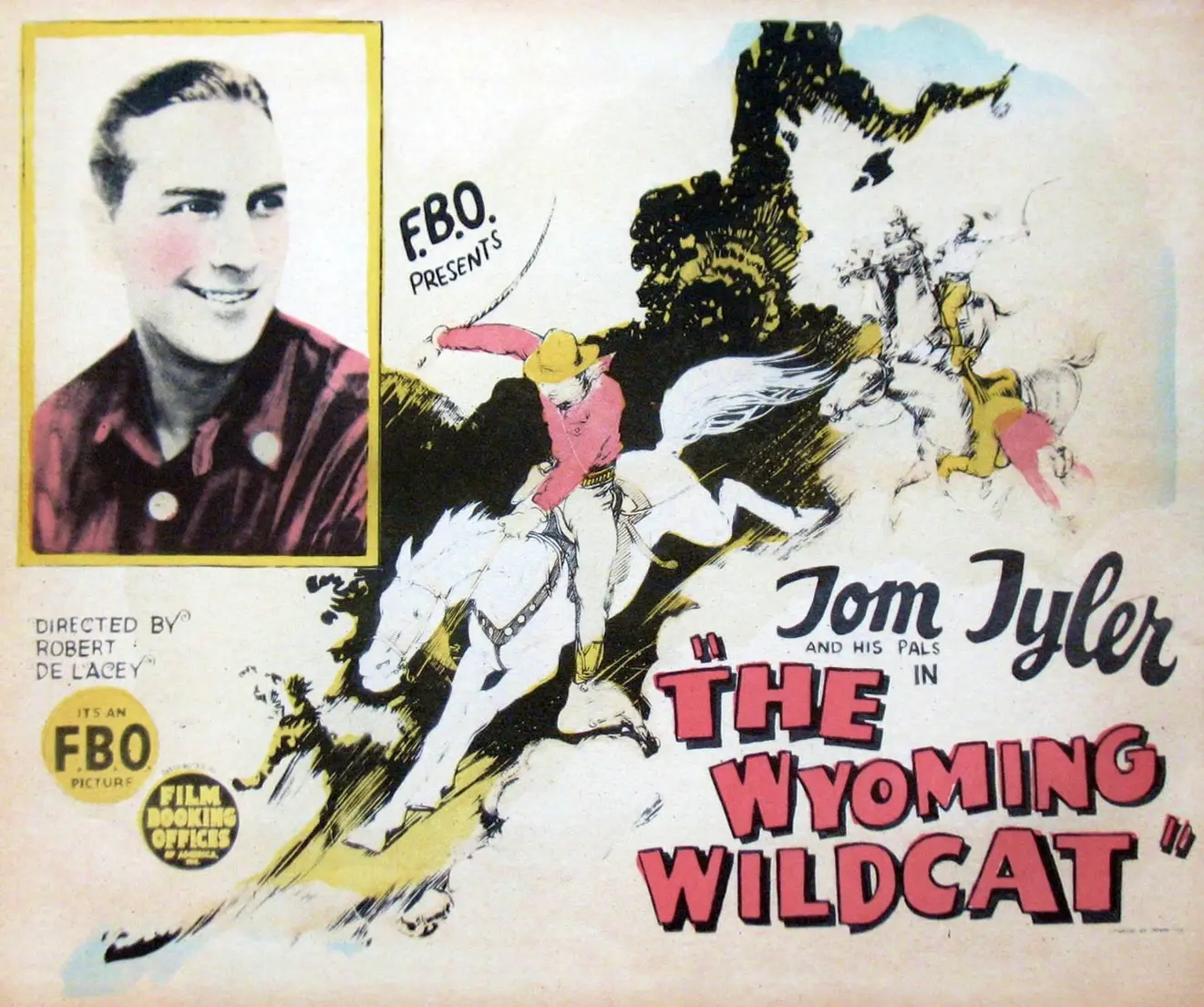
Is The Wyoming Wildcat a hidden masterpiece or a relic best left in the archives? Short answer: It is a sturdy, functional B-Western that serves as a fascinating showcase for early genre archetypes, though it lacks the narrative complexity of modern cinema.
This film is for silent film enthusiasts and those interested in the evolution of the Western villain. It is not for viewers who require fast-paced editing or high-definition spectacle to remain engaged.
1) This film works because the presence of Tom Tyler as the villainous 'Cyclops' provides a genuine sense of physical threat that was often missing from the more theatrical silents of the era.
2) This film fails because the central plot device—the 'inheritance if unmarried' trope—feels exceptionally dated and serves more as a convenient mechanical gear than a compelling human drama.
3) You should watch it if you want to see the literal blueprints of the American Western being drawn, specifically the transition from the 'dashing hero' to the 'rugged protector'.
The Wyoming Wildcat arrives from an era where the Western was the bread and butter of the American film industry. Unlike the more experimental The Adventures of an Octoberite, this film remains firmly planted in the soil of tradition. Directed with a workmanlike efficiency, the film’s greatest asset isn't its script, but its casting. Ethan Laidlaw, playing Phil Stone, brings a grounded physicality to the role of the foreman. He doesn't just ride; he occupies the space with the weary confidence of a man who knows the price of a day's labor.
However, the real revelation is Tom Tyler. Though he would later become a hero in his own right, his turn as 'Cyclops' here is a masterclass in silent intimidation. In the scene where he is first introduced, lurking in the shadows of Jeff Kopp’s office, Tyler uses his height and a fixed, unsettling gaze to communicate more danger than ten pages of dialogue ever could. It’s a performance that feels surprisingly modern. It works. But it’s flawed by the surrounding melodrama.
Visually, the film utilizes the natural light of the outdoors to compensate for its modest budget. The cinematography captures the isolation of the Hastings ranch with a starkness that mirrors Isabel’s social predicament. When we compare the visual language here to something like Way Out West, we see a shift toward a more rugged realism. The dust feels real. The horses look tired. There is a tangible sense of the heat and the wind.
The pacing, however, is where the film shows its age. The middle act leans heavily on intertitles to explain the intricacies of Jeff Kopp’s legal claim. While necessary for the plot, these moments stall the momentum. A sequence involving a standoff near the creek is beautifully shot, but it takes nearly five minutes to resolve a conflict that a modern director would handle in thirty seconds. This isn't necessarily a failure of the film, but a reflection of the era's rhythmic expectations.
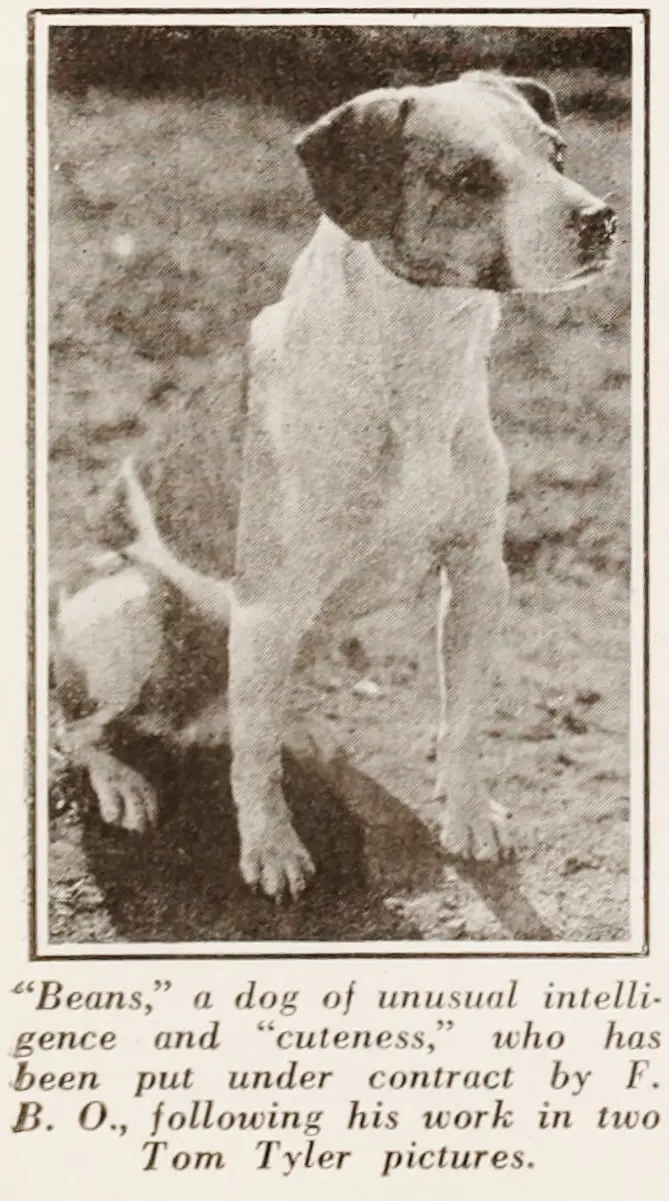
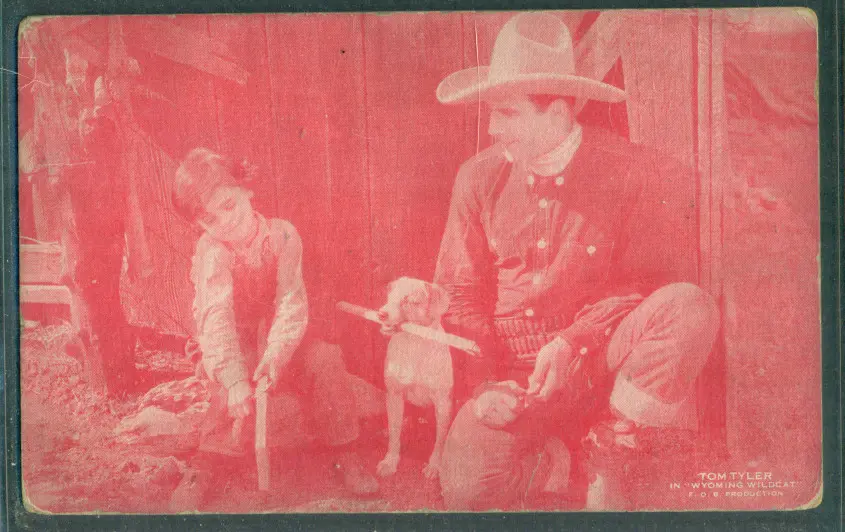
Yes, The Wyoming Wildcat is worth watching for anyone interested in the technical history of the Western genre. It provides a clear look at how early filmmakers used physical stunts and animal actors like Beans the Dog to create 'production value' without the use of expensive sets. While the story is predictable, the execution of the climactic confrontation is genuinely exciting.
One of the most debatable aspects of the film is the treatment of its female lead, Isabel Hastings. Played by Virginia Southern, Isabel is frequently a pawn in the machinations of the men around her. While this was standard for 1925, looking at it through a contemporary lens reveals a missed opportunity. There are moments, particularly when she rejects Rudy Kopp, where Southern flashes a fierce independence that the script unfortunately suppresses in favor of a 'damsel in distress' finale. It’s an observation that makes the film feel more like a product of its time than a timeless classic like Tillie's Punctured Romance.
The use of Beans the Dog is another fascinating element. Animal sidekicks were often used for comic relief or as a 'deus ex machina'. Here, Beans is integrated into the ranch life in a way that feels organic. He isn't just a gimmick; he’s a part of the foreman’s toolkit. This level of detail adds a layer of warmth to an otherwise cold story of greed and murder.
Percy Heath’s writing is lean, perhaps too lean. By the time we reach the final act, the motivations of Jeff Kopp feel almost cartoonish. He wants the land because he is the villain, and that is that. Contrast this with the more nuanced characterizations found in The Tigress, and you start to see where this film settles into its B-movie status. It doesn't aim for the stars; it aims for the back of the theater.
The stunt work, however, deserves a standing ovation. There is a horse-to-wagon transfer in the final chase that is performed without the safety nets or digital trickery of today. It is raw, dangerous, and exhilarating. This is where the film finds its pulse. When the action moves, the film sings. When the characters talk (via titles), the film limps.
Pros:
Cons:
The Wyoming Wildcat is a rough-hewn piece of cinematic history. It isn't as polished as The Fate of a Flirt, nor as culturally impactful as the major epics of its day. Yet, it possesses a certain honesty. It is a film that knows exactly what it is: a Saturday afternoon thriller designed to give the audience a hero to cheer for and a villain to hiss at. If you can overlook the creaky plot mechanics, you’ll find a surprisingly intense experience waiting in the shadows of the Wyoming hills. It’s a solid 6 out of 10 that gains an extra point for the sheer audacity of its stunts.
IMDb —
1926
Community
Log in to comment.