DbcultAccessing Vault...
7.2/10
Senior Film Conservator
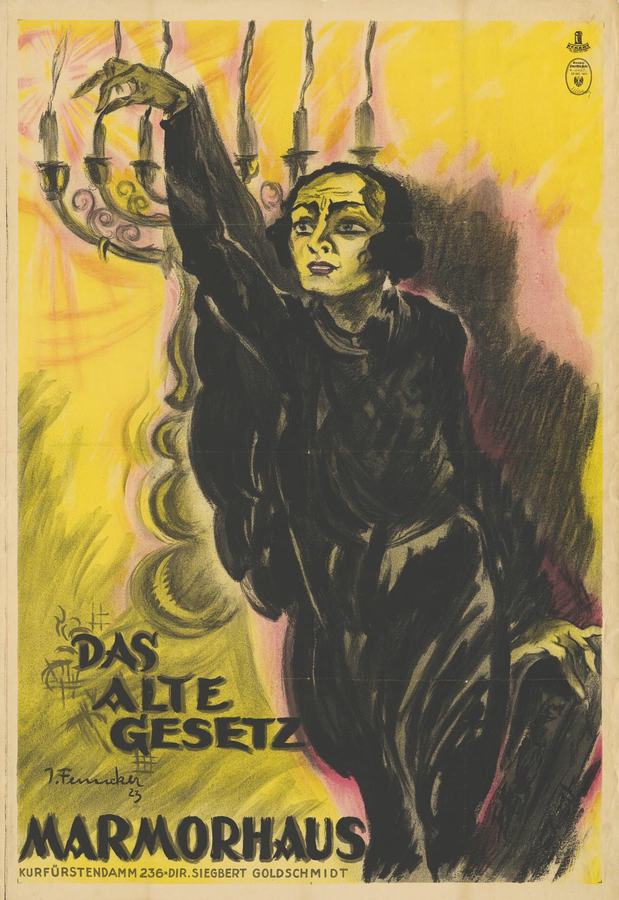
A definitive 7.2/10 rating for a film that redefined the boundaries of cult cinema. This Ancient Law remains a cornerstone of transgressive art.
Few cinematic works capture the profound schism between tradition and self-actualization with the raw, emotional intensity of E.A. Dupont and Heinrich Laube's 1923 silent epic, 'This Ancient Law' (original title: Das alte Gesetz). This isn't merely a period piece; it's a timeless meditation on the cost of ambition, the pull of heritage, and the often-irreconcilable demands of personal destiny versus communal expectation. It invites us, almost a century later, to reflect on the universal struggle of forging an individual path in the shadow of deep-rooted custom. The film unfurls with the delicate precision of a master storyteller, drawing us into a world that, while historically specific, resonates with contemporary anxieties about belonging and identity.
At its heart, 'This Ancient Law' is the saga of Baruch Mayr, portrayed with breathtaking nuance by the magnificent Ernst Deutsch. We meet him first in the austere, insular world of a Galician shtetl, a community steeped in the unwavering tenets of Orthodox Judaism. Baruch is the son of a revered rabbi, destined, by birthright and communal decree, to follow in his father's hallowed footsteps. Yet, beneath the scholarly façade, a nascent artistic yearning stirs, a longing for a different kind of stage. This initial conflict is masterfully established without a single spoken word, conveyed through Deutsch’s expressive eyes and the subtle, almost imperceptible shifts in his demeanor as he observes the world beyond the synagogue walls. The arrival of an itinerant friend of his father, a worldly figure who speaks of grand theatres and distant cities, acts as the catalyst, igniting a spark of rebellion that will consume Baruch's predetermined future. It's a moment not unlike the burgeoning discontent seen in films like The Sons of Satan, where individual desire clashes violently with religious orthodoxy, though 'This Ancient Law' handles its protagonist's departure with a more introspective, yearning quality.
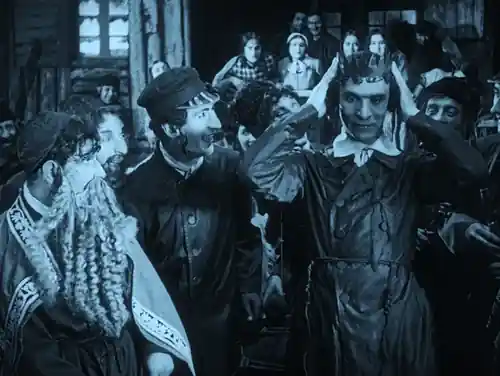
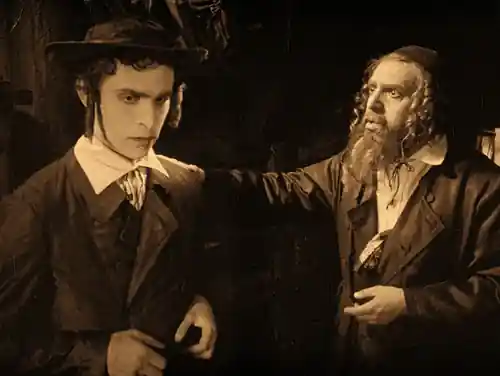
Baruch's decision to forsake his heritage for the uncertain life of an actor is met with the swift, uncompromising wrath of his father, a performance by Fritz Richard that embodies the unyielding force of tradition itself. The banishment isn't merely a physical expulsion; it’s a spiritual excommunication, a tearing of the very fabric of his being. This dramatic rupture propels Baruch into the glittering, often superficial, world of Viennese theatre. His early days are spent in a burlesque troupe, a stark contrast to the solemnity of his upbringing, yet it is here that his raw talent for performance begins to blossom. This transition from sacred to profane, from the quiet devotion of the shtetl to the boisterous energy of the stage, is depicted with a keen eye for detail, highlighting the cultural chasm Baruch must navigate. The film doesn't shy away from showing the initial awkwardness, the cultural missteps, but also the rapid adaptability of a spirit determined to find its voice.
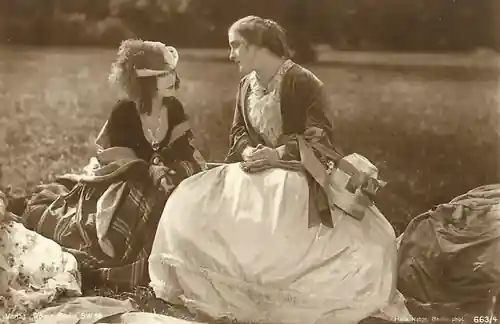
Baruch's fortunes turn dramatically when he catches the eye of an Austrian Archduchess, portrayed with aristocratic grace by Ruth Weyher. Her patronage is the golden key, unlocking the doors to the prestigious Burgtheater, Vienna's most hallowed theatrical institution. This ascent is swift and dazzling. Baruch sheds his shtetl origins, adopting the manners, dress, and even the internal landscape of an assimilated Viennese Jew. He becomes a celebrated actor, lauded by critics and adored by audiences. The film elegantly portrays this process of assimilation, not just as a superficial change but as a profound internal reordering. His relationship with the Archduchess, a passionate affair that transcends social boundaries, symbolizes his complete immersion into this new, secular world. It's a romance born of mutual admiration and shared artistic sensibilities, yet it carries the heavy weight of societal disapproval, a theme explored with similar tragic inevitability in works like The Whirlpool of Destiny, where personal desires are often crushed by the machinery of fate and social convention.
However, the imperial court, ever watchful and fiercely protective of its traditions, deems their liaison unacceptable. The Archduchess, bound by her royal duties and the rigid protocols of her station, is forced to end the relationship. This severance, though painful, marks a crucial turning point for Baruch. The gilded cage of his assimilation, once a source of triumph, now reveals its inherent fragility. The acceptance he so desperately sought in Viennese society proves conditional, dependent on his ability to conform to its unspoken rules, even at the expense of his deepest affections. This moment of disillusionment plants the seeds of homesickness, a quiet longing for the simplicity and unequivocal belonging of his past, however restrictive it may have been.
The

IMDb 4.8
1927
Community
Log in to comment.