DbcultAccessing Vault...
Cult Review
Senior Film Conservator
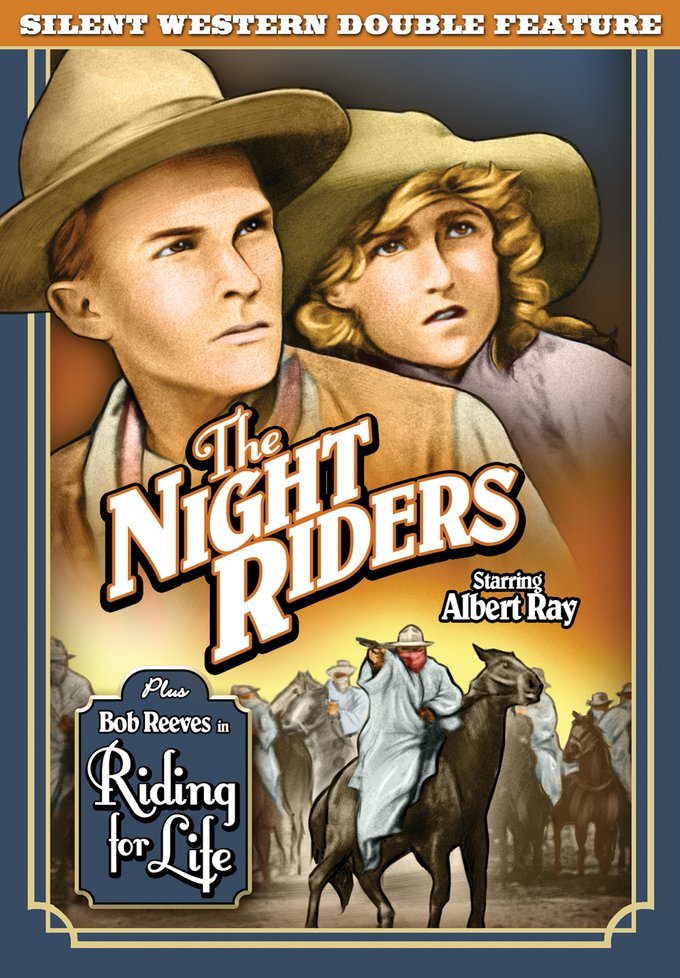
Ah, the Wild West. Or, in this particular cinematic excursion, the wild North West. There’s a particular allure to films that transport us to the untamed frontiers, isn't there? A raw, unvarnished glimpse into a world governed by grit, resourcefulness, and often, a stark, uncompromising sense of justice. Alexander Butler’s The Night Riders, penned by Butler himself alongside Ridgwell Cullum and Irene Miller, is precisely one such journey. It’s a film that, despite its vintage, resonates with timeless themes of deception, moral fortitude, and the relentless pursuit of truth. Set against the vast, often unforgiving canvas of Alberta, Canada, this narrative doesn't just entertain; it compels a deeper reflection on the nature of appearance versus reality, a narrative thread as old as storytelling itself, yet rendered with a refreshing vigour here.
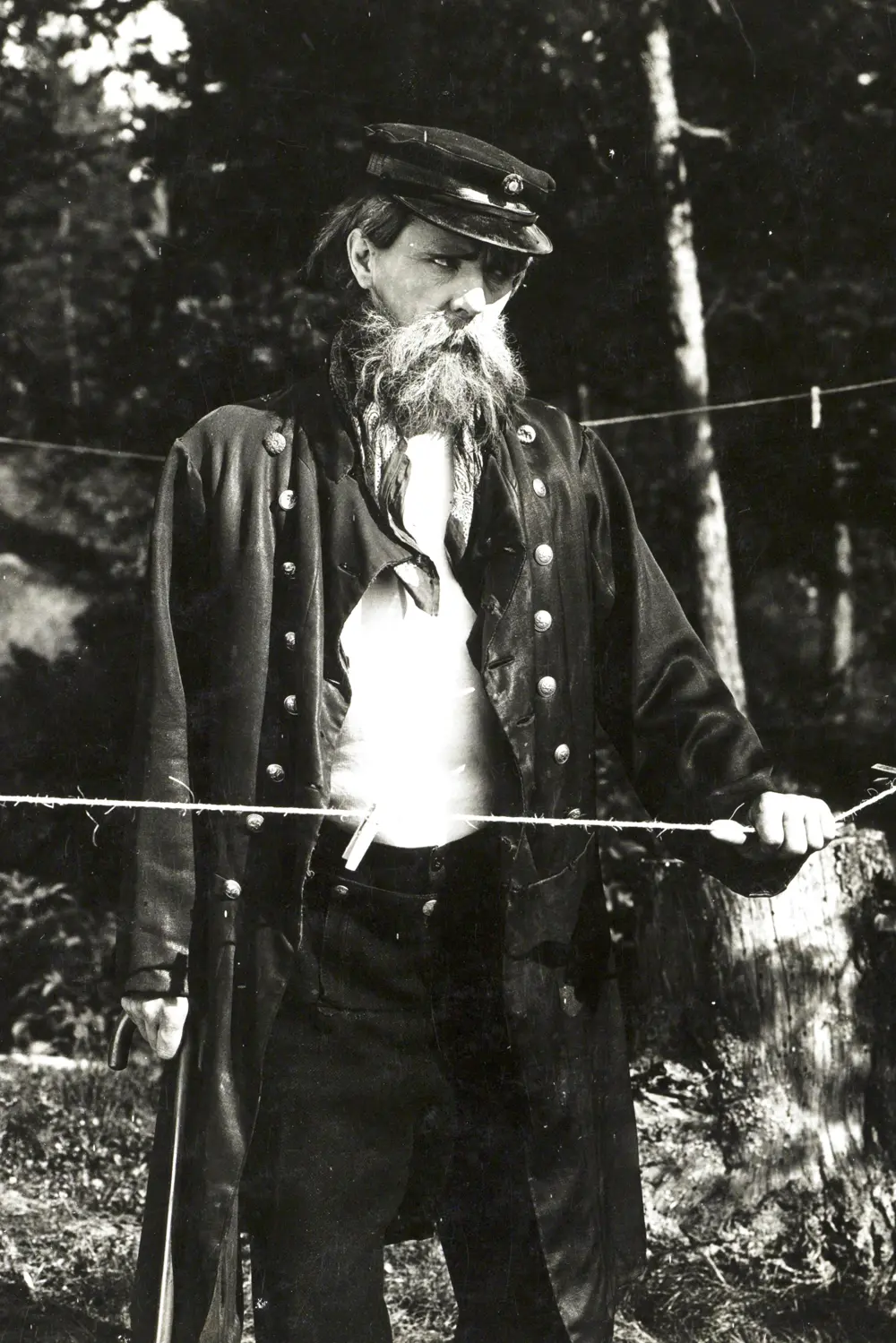
The heart of The Night Riders beats with a compelling, if deceptively simple, premise: a Cornish emigrant, a man whose quiet demeanour belies an astute observational prowess and an unshakeable moral compass, arrives in the Canadian frontier. His arrival is not heralded by fanfare, nor is his presence initially perceived as anything more than a new face in a land where new faces were perhaps not uncommon, but certainly scrutinized. Yet, this emigrant, portrayed with understated power by J. Gordon Russell, soon finds himself ensnared in a local drama that is far more sinister than it first appears. It’s a classic setup, certainly, but one that Butler and his co-writers infuse with a palpable sense of tension and slow-burn revelation. The plot hinges on a truly reprehensible act of villainy: a rustler, a wolf in sheep’s clothing, has adopted the most insidious of guises. He poses as the 'blind' father of a young girl, exploiting her innocence and the perceived helplessness of his condition to mask his illicit cattle rustling operations. This is not merely a crime of property; it is a crime against humanity, a psychological manipulation that preys upon empathy and trust, turning a familial bond into a shield for nefarious deeds. The girl, innocent and unwitting, becomes a pawn in a game of high stakes, her very existence lending credibility to the elaborate charade concocted by the villain. This aspect of the narrative elevates The Night Riders beyond a mere Western adventure; it delves into the psychological horror of betrayal and the profound injustice of exploitation. The emigrant, initially an outsider, gradually becomes the sole beacon of hope, his inherent sense of justice pricking at the edges of the deception until the entire edifice begins to crumble.
J. Gordon Russell's portrayal of the Cornish emigrant is nothing short of masterful. He doesn't rely on bombastic heroics or grand pronouncements. Instead, Russell imbues his character with a quiet dignity and a piercing intelligence that manifests in subtle gestures and keen glances. His heroism is born not of brute force, but of relentless observation and an unwavering commitment to what is right. We see him processing information, connecting disparate clues, and slowly, methodically, constructing the truth. It's a performance that speaks volumes without uttering many words, a testament to the power of nuanced acting in an era often characterized by more overt theatricality. His presence anchors the film, providing a steady moral centre in a world teetering on the brink of lawlessness and deceit. In stark contrast stands Joe De La Cruz's rustler, a character of truly despicable cunning. De La Cruz delivers a chilling performance, embodying the villain with a deceptive charm that makes his eventual unmasking all the more impactful. His 'blindness' is not merely a plot device; it's a profound metaphor for the moral blindness that permeates his character, a self-imposed darkness that allows him to commit heinous acts without apparent compunction. The way he manipulates the girl, the way he maintains his facade, speaks to a deep well of malevolence that is genuinely unsettling. Maudie Dunham, as the innocent girl caught in this web, provides the emotional core of the film. Her vulnerability is palpable, her unwitting complicity heartbreaking. She is the embodiment of the stakes involved, the innocent life that hangs in the balance, making the emigrant's quest for justice all the more urgent and emotionally resonant. The supporting cast, including C. McCarthy, Goober Glenn, William Ryno, and Albert Ray, contribute to the film's rich texture, populating the frontier with believable characters who react to the unfolding drama with varying degrees of suspicion, ignorance, or complicity. Alexander Butler, beyond his directorial duties, also features as an actor, further demonstrating his multifaceted involvement in this production.
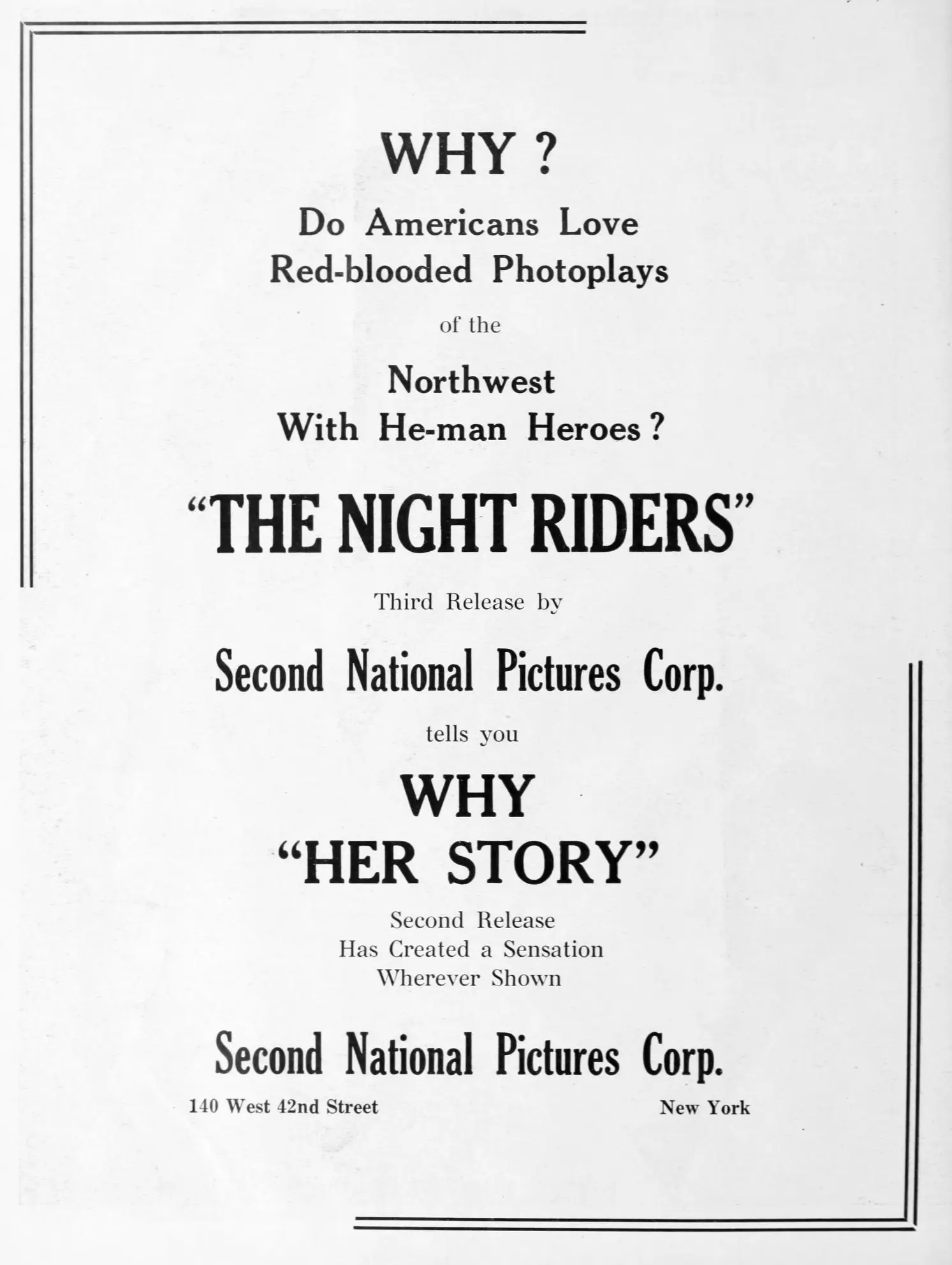
Alexander Butler’s direction of The Night Riders is remarkably assured for its time. He possesses a keen understanding of how to build suspense and how to utilize the expansive Alberta landscape as more than just a backdrop. The vast, open plains and rugged terrain become integral to the narrative, emphasizing the isolation of the characters and the formidable challenges they face. The natural environment mirrors the moral wilderness in which the characters operate, a place where justice must often be carved out by individuals rather than institutions. Butler employs long shots to convey the sheer scale of the frontier, making the characters feel small yet resilient against its grandeur. The cinematography, though characteristic of the period, manages to capture the stark beauty and potential dangers of this untamed land. The 'night riders' themselves – the rustlers operating under the cloak of darkness – gain an almost mythical quality, their illicit activities shrouded in shadow, heightening the sense of menace. The pacing is deliberate, allowing the tension to simmer and build rather than relying on rapid-fire action sequences. This measured approach allows for a deeper exploration of character and motivation, giving the audience time to absorb the intricacies of the plot and the moral dilemmas at its core. It’s a directorial choice that pays dividends, fostering a more immersive and thoughtful viewing experience.
The screenplay, a collaborative effort by Alexander Butler, Ridgwell Cullum, and Irene Miller, is where The Night Riders truly shines. The writers meticulously construct a narrative that hinges on the classic trope of appearance versus reality, but they do so with a refreshing complexity. The 'blind' father is a stroke of genius, a potent symbol of how easily perception can be manipulated, and how readily society can be fooled by a well-orchestrated performance of vulnerability. This theme of dissimulation is not unique; one might find echoes in films like The Pretenders (1916), which also delves into intricate webs of mistaken identity and concealed truths. However, The Night Riders grounds its deception in a particularly cruel exploitation of innocence, lending it an additional layer of moral gravity. The exploration of justice is also a central pillar. In a land where formal law enforcement might be distant or ineffective, the responsibility often falls to individuals to uphold a moral code. The Cornish emigrant embodies this frontier justice, not as a vigilante seeking revenge, but as a principled individual driven by an innate desire for fairness and truth. This resonates with the stoic heroism seen in films like The Man from Oregon, where lone figures often stand against overwhelming odds to right wrongs. The writers also cleverly weave in the immigrant experience, albeit subtly. The emigrant, an outsider, brings a fresh perspective, untainted by local biases or established deceptions. His 'otherness' allows him to see what others might overlook, making him the ideal agent of revelation. This sense of being an outsider who ultimately belongs through their actions finds parallels in narratives like The Bushman's Bride, where new arrivals navigate unfamiliar social landscapes and prove their worth.
Placing The Night Riders within its cinematic context illuminates its particular strengths. While it shares the rugged setting and moral struggles of many Westerns, its focus on psychological deception and the unmasking of a domestic fraud gives it a distinctive flavour. Many films of the era explored moral dilemmas, but few tied them so directly to such a personal, intimate betrayal. Consider The Blindness of Virtue, for instance, which tackles societal expectations and moral ambiguities, but through a different lens. Here, the 'blindness' is literal and feigned, a deliberate act of malice rather than a societal failing. The film’s narrative structure, building slowly towards the revelation, also sets it apart from more action-heavy contemporaries. It's a testament to the power of a well-crafted mystery, a slow burn that keeps the audience engaged not through explosions, but through the tension of impending discovery. The plight of the innocent, exploited character, like the girl in The Night Riders, is a recurring motif in early cinema, often serving as a catalyst for the hero's intervention. We see similar vulnerable figures in films such as The Kingdom of Love or even the more lighthearted The Lily of Poverty Flat, though the stakes here feel considerably higher and more menacing due to the specific nature of the deception. The film also touches upon the idea of payment and consequence, a theme explored directly in Paid in Advance, where actions inevitably lead to their due. In The Night Riders, the 'payment' for the rustler's deceit is the loss of his carefully constructed façade and, implicitly, his freedom or standing. The use of disguise and trickery, central to the plot, also brings to mind the playful deceptions of Flirts and Fakirs, though with a far more sinister purpose here. The writers and director clearly understood the dramatic potential of such a setup, crafting a story that is both morally unambiguous in its conclusion and nuanced in its unfolding.
While The Night Riders may not be as widely discussed as some of its more celebrated peers, it remains a compelling piece of early cinematic history, a robust example of genre filmmaking that transcends its straightforward plot through strong characterization and thoughtful thematic exploration. Its strength lies in its refusal to sensationalize unnecessarily, instead trusting the inherent drama of its moral conflict. The film serves as a potent reminder that evil often lurks not in the shadows of monstrous figures, but in the calculated cruelty of those who exploit trust and vulnerability, hiding in plain sight. J. Gordon Russell’s quiet resolve and Joe De La Cruz’s chilling portrayal of deceit leave a lasting impression, long after the final frame has faded. It's a film that asks us to look closer, to question assumptions, and to champion the quiet heroes who dare to unmask the truth, no matter
IMDb —
1921
Community
Log in to comment.