DbcultAccessing Vault...
6.8/10
Senior Film Conservator
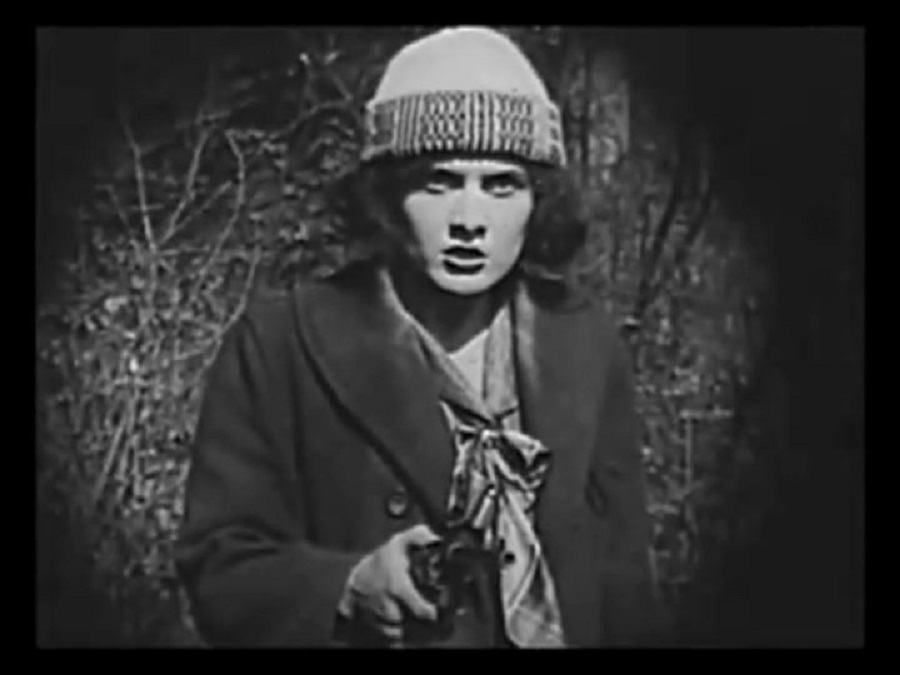
A definitive 6.8/10 rating for a film that redefined the boundaries of cult cinema. Border River remains a cornerstone of transgressive art.
Stepping back into the early cinematic tapestry, we unearth a gem that, despite its age, still possesses a potent emotional resonance: Border River. This 1917 silent drama, a compelling artifact from a nascent era of filmmaking, plunges us into a world where the rugged beauty of the Canadian frontier serves as a backdrop for a tense cat-and-mouse game, complicated by the most human of emotions – love. It's a testament to the enduring power of storytelling that even without spoken dialogue, the narrative of a Mountie torn between his unwavering commitment to law and the unexpected pull of affection can still captivate and provoke thought a century later.
The film masterfully leverages its setting. The borderland, often perceived as a mere line on a map, transforms into a character in itself – a place of permeable boundaries, where legalities blur and allegiances are tested. This is not some idyllic, pastoral landscape; rather, it's a harsh, demanding environment that mirrors the internal struggles of its inhabitants. The illegal trade of moonshine, a pervasive issue of the Prohibition era, provides the perfect canvas for conflict. It's a world where survival often dictates morality, and the law, while absolute on paper, can feel distant and abstract to those living on the fringes. This stark reality imbues Border River with an authentic grit that many contemporary dramas still strive to achieve. The visual storytelling, characteristic of silent films, relies heavily on these environmental cues and the expressive performances of its cast to convey the gravity of the situation.
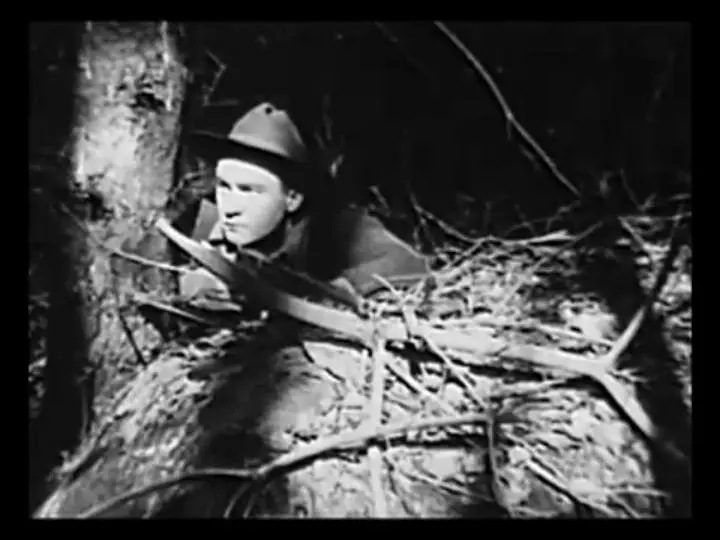
At the heart of this narrative stands our protagonist, the Mountie, portrayed with a compelling blend of stoicism and burgeoning vulnerability by Ben Hendricks Jr. His character embodies the archetypal figure of Canadian law enforcement – resolute, incorruptible, and dedicated to upholding order. From the outset, we see him as a man driven by a clear sense of purpose: to dismantle the illicit moonshining operations that plague the border. Yet, the film skillfully peels back these layers of duty as he encounters the sister of a known moonshiner, a role brought to life with nuance by Evelyn Brent. The internal conflict that arises within Hendricks' character is palpable, even without dialogue. His furrowed brow, the subtle shifts in his gaze, and the hesitant gestures all speak volumes about the war raging within him – a conflict between the badge he wears and the burgeoning emotions he can no longer deny. This isn't merely a simple love story; it's a profound exploration of professional ethics versus personal desire, a theme that resonates deeply regardless of the era. One might draw parallels to the steadfast yet conflicted hero in The Long Trail, where protagonists also grapple with arduous journeys and moral ambiguities in untamed settings.
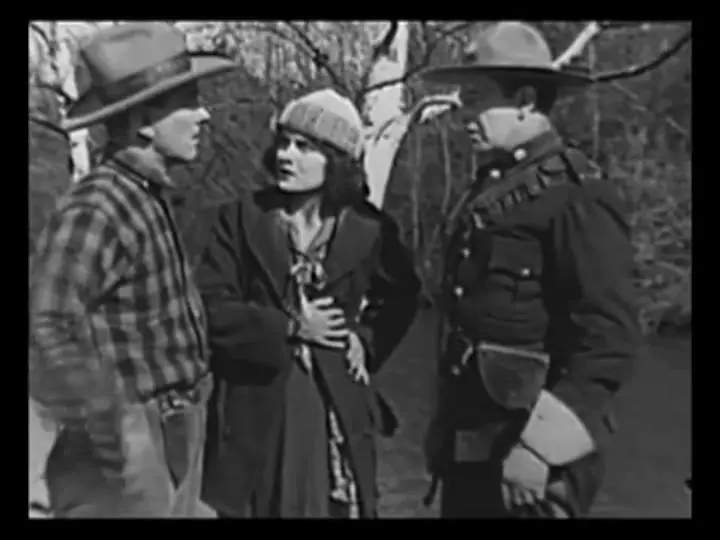
Evelyn Brent, a formidable presence in early cinema, delivers a performance that is both captivating and complex. As the sister entangled in the moonshining world through familial loyalty, her character is immediately thrust into a precarious position. She is not a criminal herself, but her association places her under suspicion and, more importantly, creates an insurmountable barrier between her and the Mountie. Brent conveys the character's inherent goodness, her struggles with her brother's illicit activities, and the growing affection she feels for the lawman with remarkable grace and expressiveness. Her eyes, often downcast in thought or sparkling with defiance, communicate a wealth of unspoken emotion. This particular dynamic – a woman caught between her family's transgressions and an external force of law – adds a layer of tragic inevitability to the burgeoning romance. It's reminiscent, in a thematic sense, of the difficult choices faced by characters in films like The Yellow Ticket, where societal pressures and moral compromises dictate personal fate.
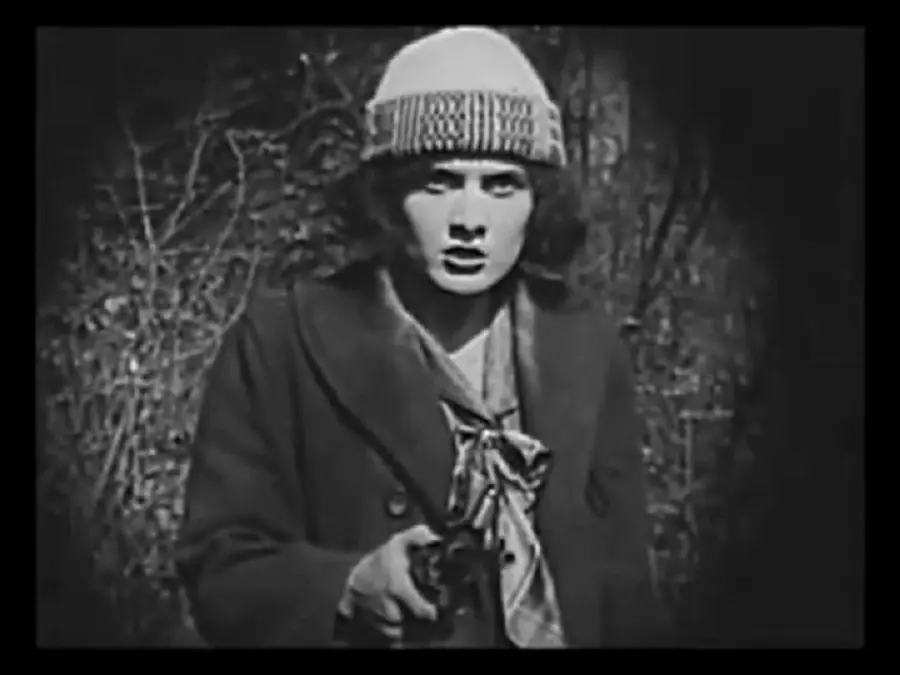
While Hendricks and Brent anchor the film, the supporting cast, including Carlton Brickert, Edgar Jones, William Peavey, and Florence Ashbrooke, populate this world with credible figures. Brickert likely plays the moonshiner brother, embodying the dangerous allure and desperation of those living outside the law. His actions, though criminal, are often presented with a degree of human motivation, preventing him from becoming a one-dimensional villain. Edgar Jones and William Peavey, in their respective roles, contribute to the sense of a community, albeit one fraught with tension and underlying illicit activity. Florence Ashbrooke, too, helps flesh out the social fabric of this remote locale. The interplay between these characters, often communicated through subtle gestures and facial expressions, is crucial for building the film's atmosphere of suspicion and camaraderie. The danger inherent in their 'game' of evading the law is palpable, echoing the thematic tension found in a film like The Danger Game, where every move carries significant risk.
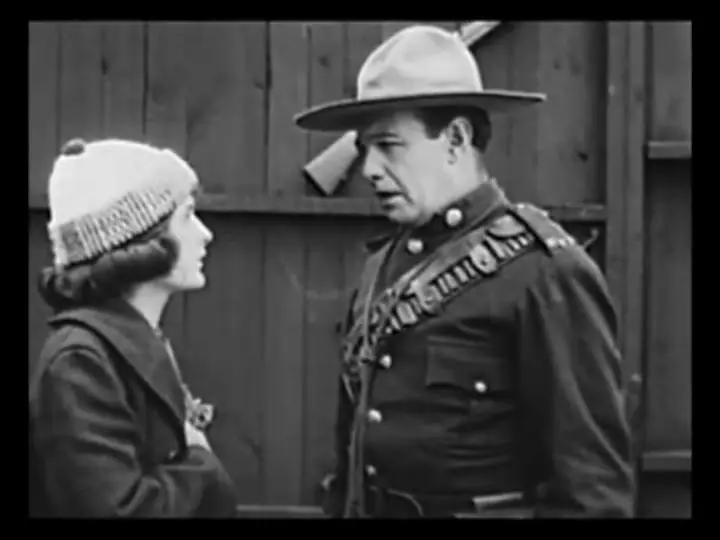
Border River serves as an excellent primer on the unique artistry of silent cinema. The film relies entirely on visual cues, intertitles, and the highly expressive acting styles of the era to convey its intricate plot and emotional depth. The cinematography, though perhaps rudimentary by today's standards, is effective in establishing mood and place. Close-ups are used judiciously to emphasize key emotional moments, drawing the audience directly into the characters' inner turmoil. The pacing, while slower than modern films, allows for a deliberate build-up of tension and romance. Each scene is constructed to maximize visual impact, from the rugged outdoor pursuits to the intimate, conflicted glances shared between the lovers. This focus on visual narrative is a hallmark of the period, demonstrating how filmmakers honed their craft without the crutch of dialogue, much like the evocative visual narratives in Thais or Die Insel der Seligen, where atmosphere and symbolic imagery often speak louder than words.
Beyond the surface narrative of pursuit and romance, Border River delves into profound thematic territory. The central conflict between duty and love is timeless, but here it's amplified by the harsh realities of the law and the dangerous implications of illicit trade. The Mountie's oath, a sacred bond to his country and its laws, is pitted against a burgeoning passion that threatens to compromise everything he stands for. Similarly, the sister's loyalty to her family, a fundamental human instinct, clashes with her growing feelings for the very man who seeks to bring her brother to justice. This creates a compelling moral ambiguity where neither choice feels entirely right or wrong, only agonizing. The film avoids simplistic black-and-white morality, instead painting a nuanced portrait of individuals caught in complex circumstances. This gray area of ethics and personal compromise is a recurring motif in human drama, much like the internal battles fought by characters in In the Shadow, where hidden motives and moral dilemmas drive the narrative.
Released in 1917, Border River predates the full implementation of national Prohibition in the United States, but the rumblings of temperance movements and local prohibitions were already strong, particularly along borders where smuggling became rampant. The film taps into this societal tension, reflecting a period of significant social change and moral debate. The moonshiners are not merely abstract villains; they represent a segment of society reacting to, or profiting from, changing laws. The Mountie, in turn, is a symbol of the authority attempting to enforce these new societal norms. This historical context adds a layer of authenticity and urgency to the film, making it more than just a romance but also a snapshot of a specific cultural moment. The economic drivers behind such illicit activities can be seen as a precursor to the themes of profit and ethical compromise explored in films like Business Is Business.
For modern audiences, engaging with a silent film like Border River offers a unique opportunity to connect with the foundational artistry of cinema. It challenges us to look beyond dialogue and special effects, to appreciate the power of visual storytelling, expressive acting, and carefully crafted narrative arcs. The film's themes of forbidden love, duty versus desire, and the complexities of law enforcement against the backdrop of a changing society remain as relevant today as they were over a century ago. While it may not possess the grandiosity of an epic, its intimate drama and compelling character studies make it a valuable piece of cinematic history. It reminds us that fundamental human experiences, like those explored in Charley on the Farm or Private Peat (albeit in different genres), are universally understood and appreciated across time and medium. The Mountie's heroic yet conflicted stance also subtly evokes the spirit of adventure and moral uprightness seen in figures like those in A Modern Musketeer, albeit with a more grounded, less flamboyant approach.
In an era dominated by rapid-fire dialogue and intricate soundscapes, the quiet intensity of Border River offers a refreshing pause. It invites viewers to lean in, to observe closely, and to interpret the subtle cues that define its characters' journeys. It's a film that, despite its lack of audible voices, speaks volumes about the human condition, the sacrifices demanded by love, and the enduring conflict between personal heart and public duty. For those eager to delve into the rich archives of early cinema, Border River is a compelling watch that rewards patience with a poignant and thought-provoking narrative. Its exploration of boundaries, both geographical and emotional, makes it a fascinating precursor to countless dramas that would follow, solidifying its place as a quietly significant entry in the annals of film history.
The enduring power of Border River lies not just in its historical value but in its ability to tell a universal story with a simplicity and sincerity that often eludes more technologically advanced productions. It’s a compelling reminder that the core elements of drama – conflict, character, and emotion – are truly timeless. And as the final frame fades, one is left pondering the difficult choices made, the paths diverged, and the silent cries of hearts caught between the unyielding demands of the law and the irresistible pull of love. It’s a poignant reflection on the often-insurmountable obstacles that life, and indeed, the border, can place between individuals destined to collide. Its dramatic tension, while different in manifestation, can be appreciated alongside other narratives of confinement or inescapable situations, such as those implied by Bound and Gagged, where characters also find themselves trapped by circumstances beyond their immediate control. Ultimately, Border River stands as a quiet yet powerful testament to the early mastery of cinematic storytelling, deserving of its place in the spotlight for any discerning aficionado of classic film.
IMDb —
1926
Community
Log in to comment.