DbcultAccessing Vault...
Cult Review
Senior Film Conservator
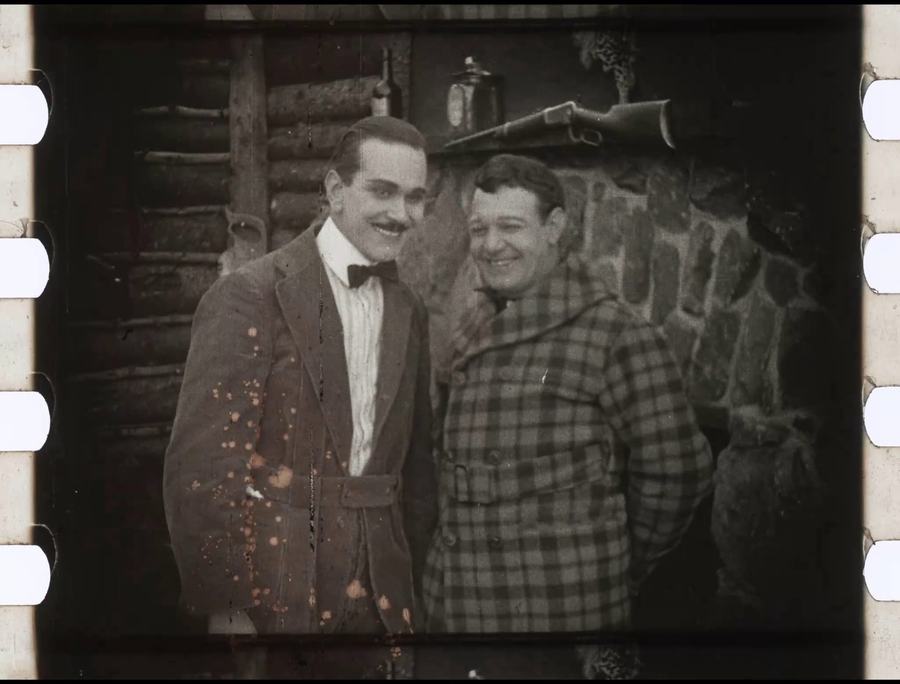
There is a peculiar, almost haunting quality to the flickering shadows of the silent era, a time when the grammar of cinema was being written in real-time by pioneers who understood the visceral power of a glance or a gesture. Three and a Girl (1917) serves as a quintessential artifact of this period, capturing a specific zeitgeist where romantic whimsy often collided with a surprisingly sharp-edged cynicism. Directed by and starring Edgar Jones, the film navigates the treacherous waters of courtship with a narrative engine fueled by the friction of a tripartite rivalry. Unlike the more earnest explorations of love found in The ABC of Love, this production leans into the art of the 'sting,' transforming a standard romance into a psychological gambit.
The premise is deceptively simple, yet it taps into a profound anxiety regarding the stability of affection. Edna May Sperl portrays the 'girl'—a character whose name often feels secondary to her function as the catalyst for male competition. She is a figure of mercurial charm, a woman who finds herself paralyzed by an abundance of choice. In the modern lexicon, we might describe her predicament as 'choice overload,' but in 1917, it was framed as a charming, if frustrating, feminine caprice. Her suitors—played with varying degrees of earnestness and bravado by Ben Hendricks Jr., Carlton Brickert, and Jones himself—represent a spectrum of masculine archetypes. The film’s brilliance, or perhaps its most controversial element, lies in how it shifts the power dynamic from the sought-after prize to the collective of the spurned.
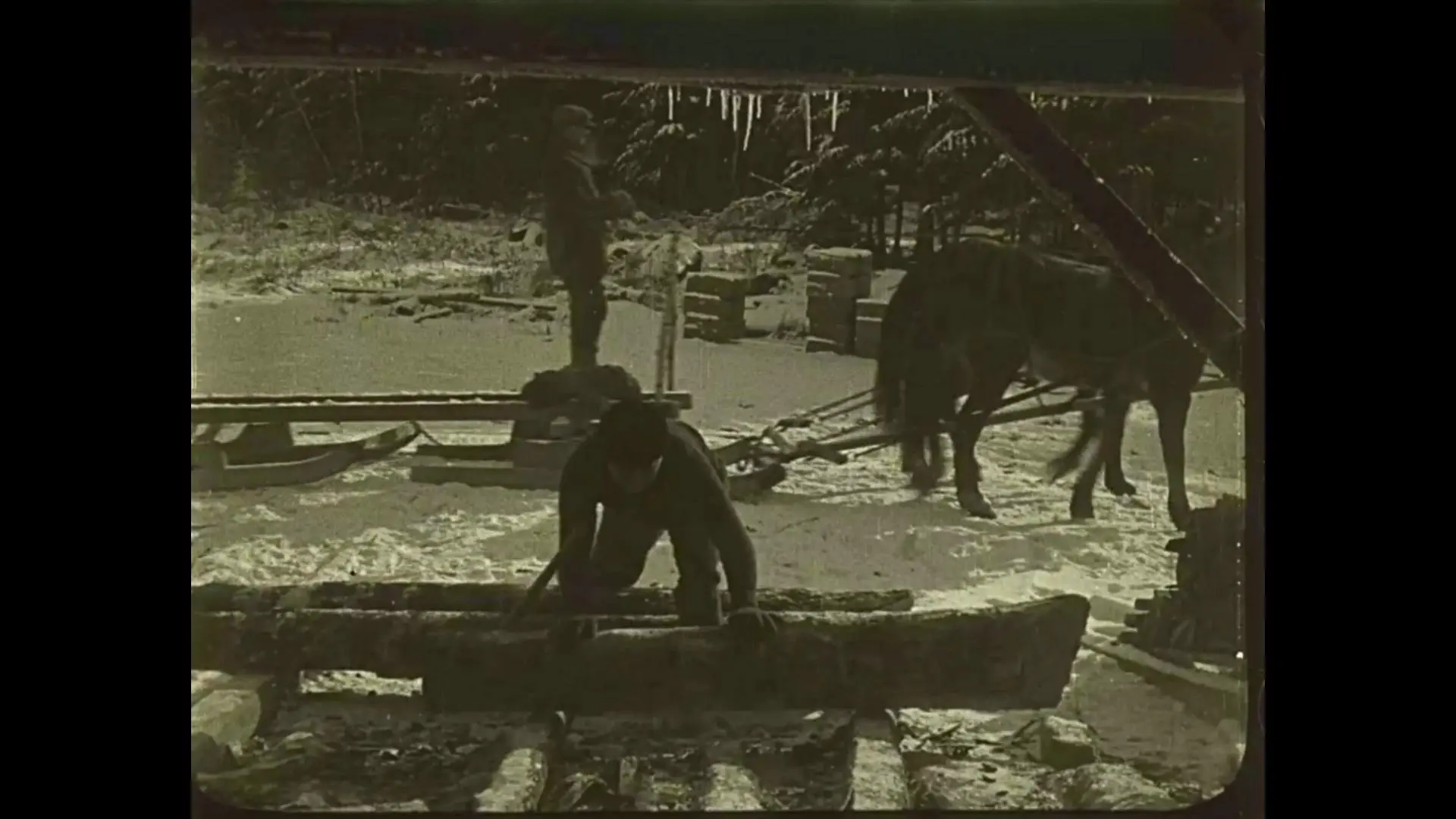
As the narrative unfolds, the frustration of the three men reaches a boiling point. The film cleverly avoids the typical tropes of physical confrontation between rivals, opting instead for a cerebral alliance. This shift is fascinating; it suggests that the bond formed through shared rejection is stronger than the competitive drive for a single woman's hand. They decide to play a trick on her—a deceptive maneuver intended to expose her indecision and, perhaps, punish her for it. This plot point echoes the tonal shifts seen in The Tell-Tale Step, where the mechanics of a plot often take precedence over the emotional interiority of the characters.
"The film operates as a silent-era precursor to the 'mean comedy,' a genre that finds humor in the calculated discomfort of its protagonists. The trick played by the suitors isn't merely a prank; it's a reclamation of agency in a world where they felt rendered powerless by a woman's whims."
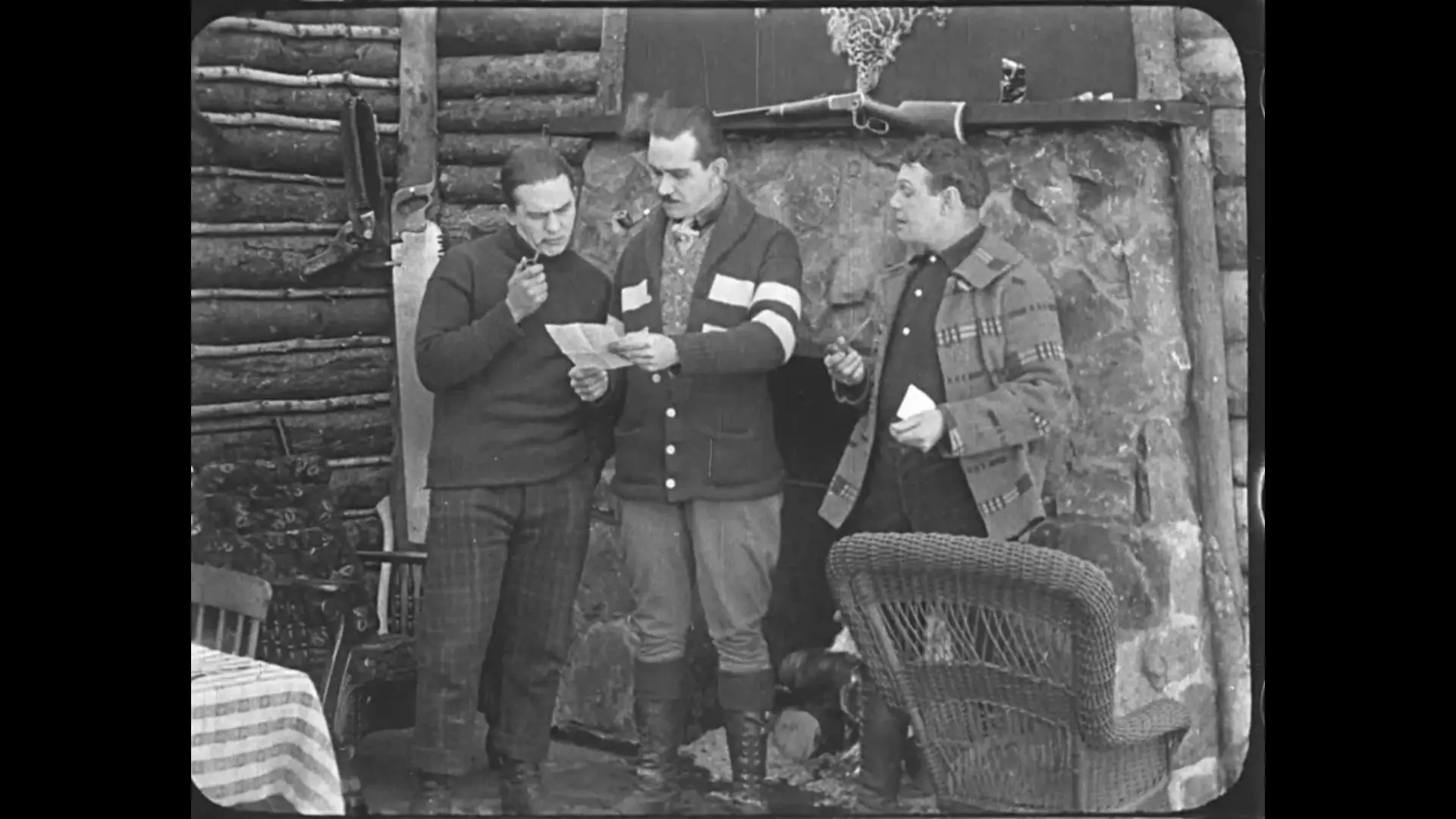
The visual language employed by Edgar Jones is remarkably sophisticated for its time. There is a reliance on medium shots that allow the audience to track the subtle shifts in facial expressions—a necessity when the dialogue is confined to intermittent intertitles. Sperl’s performance is particularly noteworthy; she manages to convey a sense of genuine confusion rather than malice, making the eventual 'trick' feel all the more impactful. We see echoes of this performance style in other contemporary works like Caprice of the Mountains, where the environment and the actor's physicality do the heavy lifting that dialogue cannot.
When placing Three and a Girl alongside its peers, one notices a distinct lack of the melodrama that defined many films of the late 1910s. It lacks the sweeping stakes of Treasure Island or the rugged isolation of Baree, Son of Kazan. Instead, it occupies a domestic, almost theatrical space. The 'trick' itself is a piece of stagecraft brought to the celluloid medium, relying on the audience’s awareness of the deception to create tension. This meta-narrative quality is something that wouldn't be fully explored until much later in cinema history, yet here it is, in its embryonic form, tucked away in a 1917 romantic comedy.
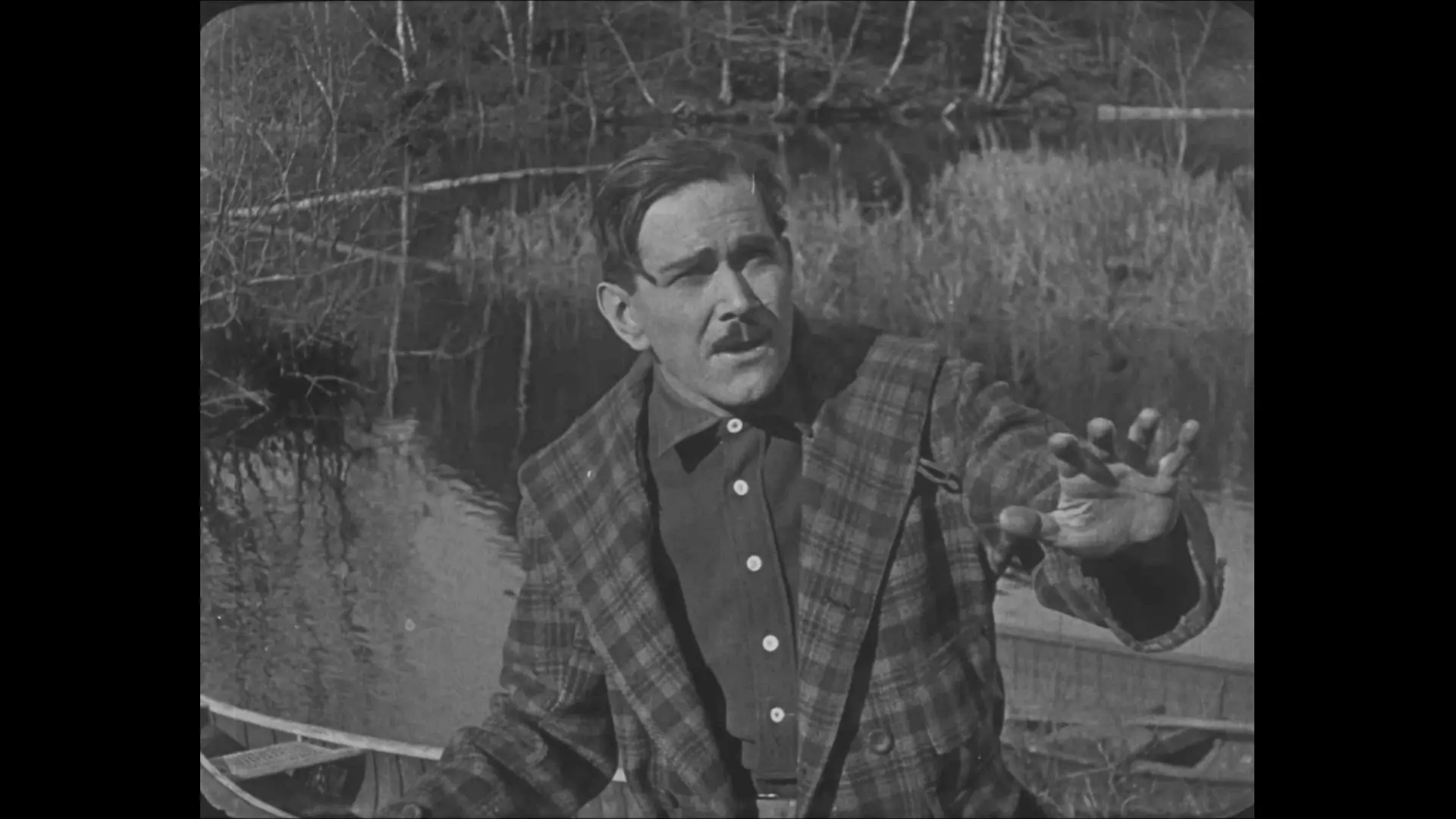
The film also invites comparison to The Right Element, particularly in how it treats the concept of social 'fitness' and the suitability of partners. In Three and a Girl, the suitability of the suitors is never the issue; they are all presented as viable, if indistinguishable, options. The conflict arises purely from the protagonist's inability to prioritize. This lack of clear differentiation between the men serves the film’s theme—if the men are interchangeable, then the girl's indecision is not a failure of the suitors, but a fundamental character flaw that requires a 'lesson.'
Technically, the film utilizes the limited lighting technology of the era to great effect. The interior scenes are bathed in a soft, diffused light that emphasizes the domestic nature of the conflict. There is a sense of intimacy that contrasts sharply with the broader, more adventurous tones of films like The Outcasts of Poker Flat. The editing, though primitive by modern standards, shows a clear understanding of pacing. The transition from the girl’s individual interactions with each man to the collective gathering of the suitors is handled with a rhythmic precision that builds anticipation for the final reveal.
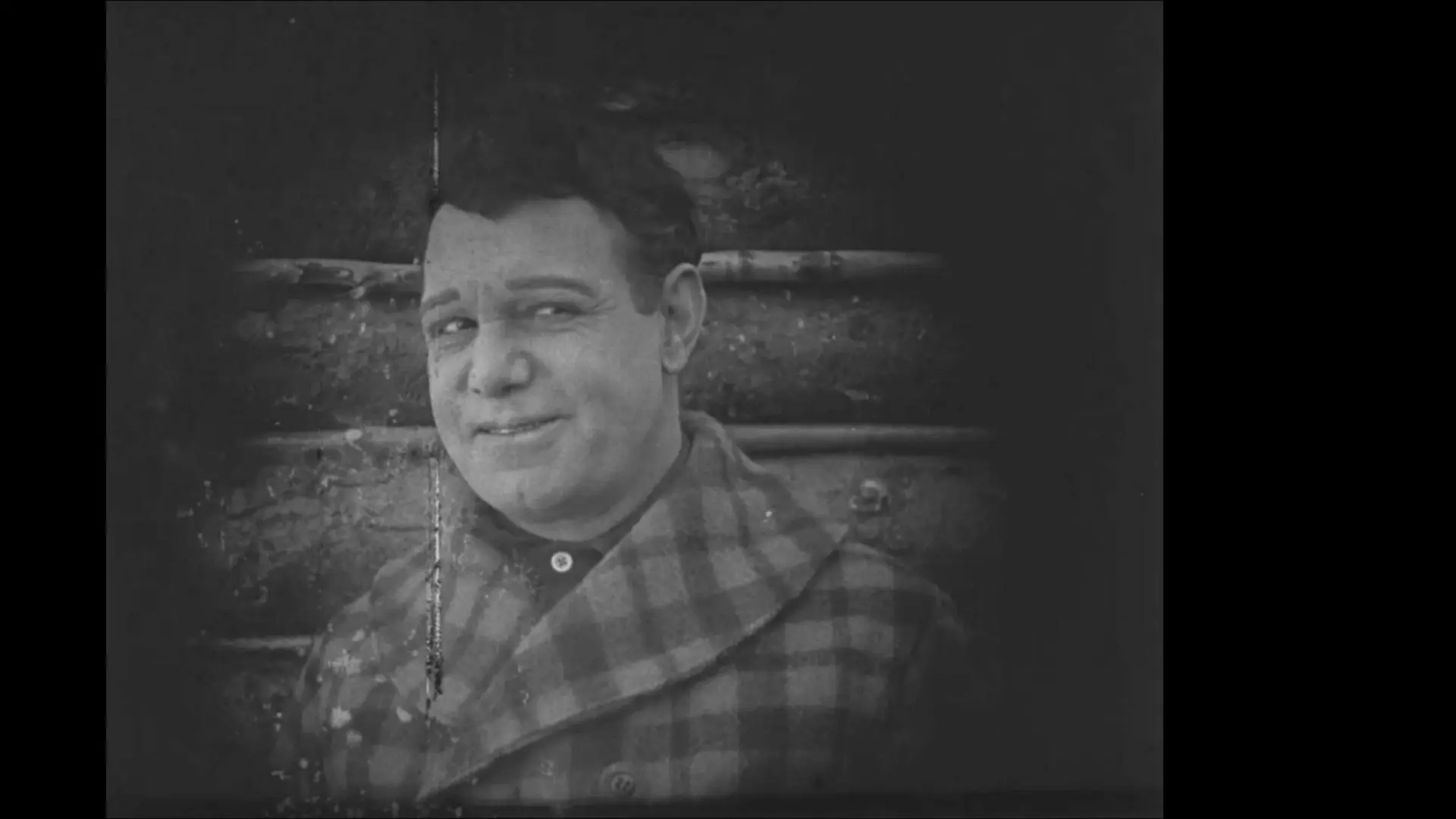
One must also consider the contribution of the writers. While the credits for early silent films are often murky or incomplete, the structural integrity of the plot suggests a writer well-versed in the tropes of the stage. The 'trick' is a classic Vaudevillian device, repurposed for a medium that allows for more nuanced psychological exploration. The film avoids the slapstick tendencies of something like A Pigskin Hero, choosing instead a drier, more observational wit.
Viewing Three and a Girl through a contemporary lens is a complex exercise. We are forced to grapple with a narrative that essentially punishes a woman for her lack of romantic certainty. However, to dismiss it as merely a relic of a bygone era would be a mistake. The film captures a moment of transition in storytelling where the 'happily ever after' was beginning to be interrogated by more cynical, or perhaps more realistic, perspectives. It shares a certain DNA with Upside Down, where the subversion of expectations is the primary goal.
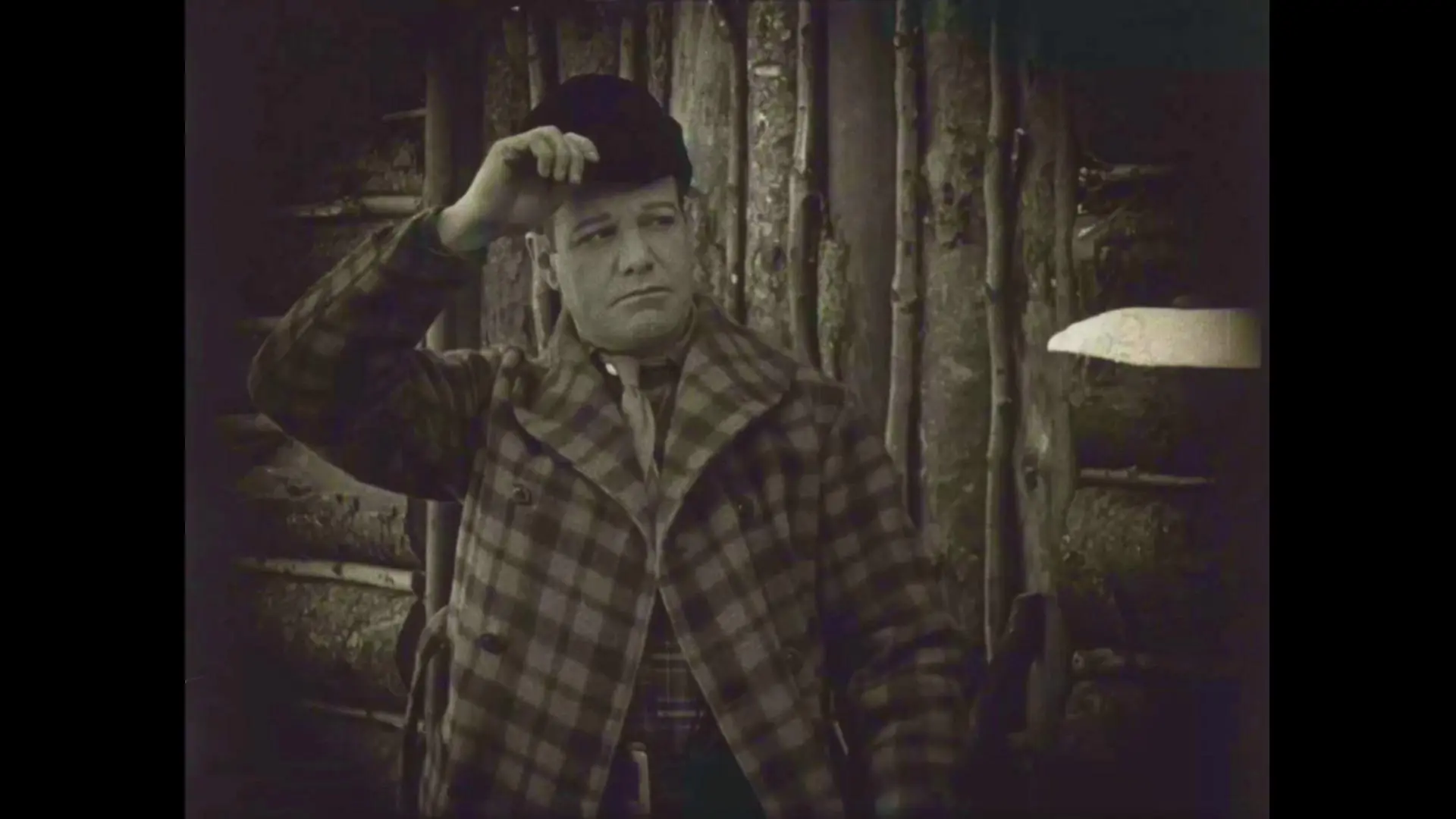
The performance of Ben Hendricks Jr. deserves a special mention. He brings a certain gravitas to his role that anchors the more flighty elements of the plot. His interactions with Edgar Jones and Carlton Brickert provide a fascinating look at male camaraderie in the early 20th century—a bond that is often depicted as more stable and reliable than the volatile nature of romantic attraction. This theme of male solidarity in the face of female 'unreliability' was a common trope, yet in this film, it is handled with a level of sophistication that elevates it above mere caricature.
In the broader context of silent cinema, Three and a Girl remains a compelling study of character and artifice. It may not have the epic scale of Syndens datter or the heavy dramatic weight of The Light in Darkness, but its focus on the minutiae of human interaction and the mechanics of deception makes it an essential watch for any serious student of film history. It reminds us that even in the infancy of the medium, filmmakers were already exploring the darker, more manipulative corners of the human heart.
Ultimately, the film concludes not with a traditional romantic resolution, but with a sense of ironic detachment. The 'trick' is revealed, the girl is confronted, and the audience is left to ponder the morality of the suitors' actions. Is it a justified response to emotional manipulation, or is it a cruel overreaction? The film leaves this question largely unanswered, a testament to its narrative complexity. For those who enjoy the intricate dance of early screen comedy, Three and a Girl offers a rich, multi-layered experience that rewards close viewing. It is a testament to the power of the silent image to convey complex social dynamics without the need for a single spoken word, standing as a proud, if prickly, example of the era's creative output.
For more explorations of silent era gems, consider our reviews of Wanted - $5,000 or the emotional depths of Das törichte Herz.
IMDb —
1920
Community
Log in to comment.