DbcultAccessing Vault...
6.2/10
Senior Film Conservator
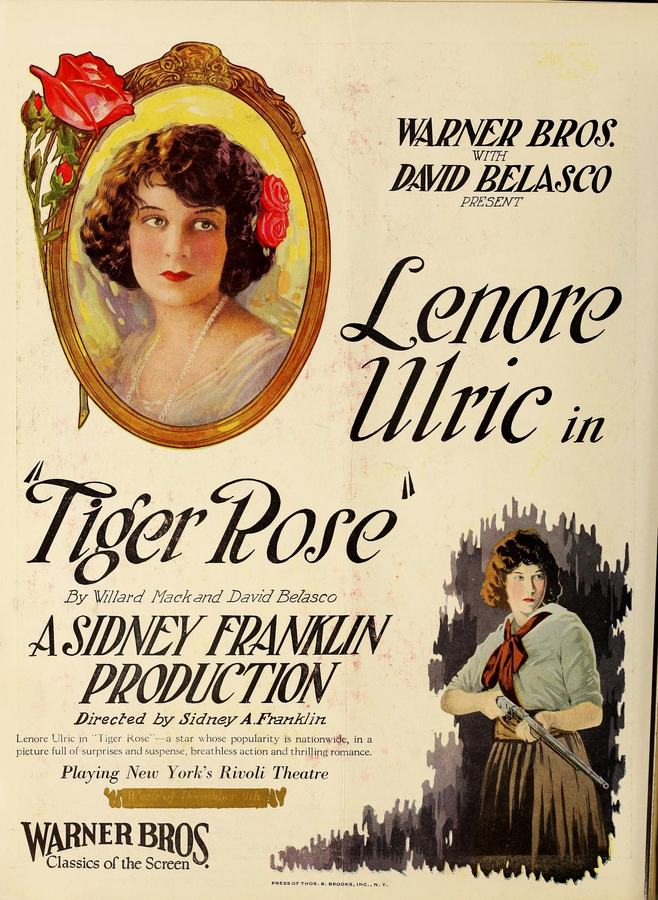
A definitive 6.2/10 rating for a film that redefined the boundaries of cult cinema. Tiger Rose remains a cornerstone of transgressive art.
From the moment the camera lingers on the snow‑capped silhouettes of the Loon River Valley, Tiger Rose announces its ambition: to transpose the theatrical intensity of Willard Mack’s Broadway hit onto the unforgiving canvas of the Canadian frontier. Lenore Ulric, reprising the role she made famous onstage, carries the film with a magnetic gravitas that feels both theatrical and startlingly intimate. Her eyes, often narrowed against the wind, convey a spectrum of grief, yearning, and feral determination that silent cinema rarely captures with such nuance.

The cinematography, while constrained by the era’s technical limits, exploits chiaroscuro to render the trading post as a sanctuary of amber light amidst a sea of inky wilderness. The stark contrast between the warm glow of the hearth and the cold, blue‑tinged expanse beyond mirrors Rose’s internal conflict—her heart ablaze with love yet encased in a frost of vengeance. This visual dialectic recalls the atmospheric tension found in Outcast, where setting likewise amplifies emotional stakes.
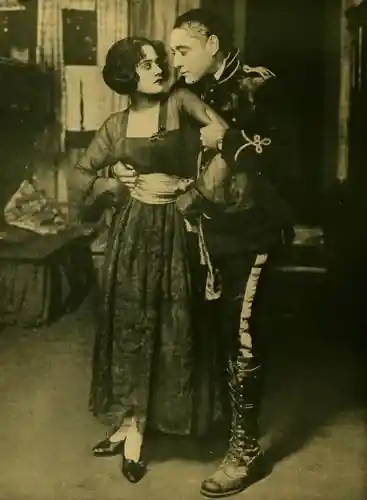
Ulric’s performance is a masterclass in silent‑era expressiveness. She eschews melodramatic gestures for a restrained, almost tactile physicality: the way her fingers brush the worn wood of the post, the measured cadence of her steps across the snow, the clenched jaw as she confronts Blackthorn. Each movement is a paragraph in an unspoken narrative. Forrest Stanley’s Jim provides a sturdy counterpoint, his stoic demeanor softened only by fleeting glances that betray a deepening affection. Their chemistry, though understated, crackles with an electric tension that propels the story forward.
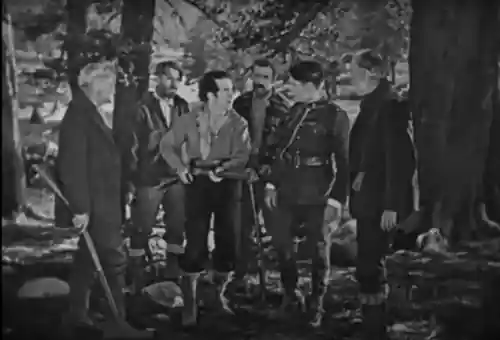
The screenplay, shaped by Millard Webb, David Belasco, and Edmund Goulding, adheres to a three‑act structure that feels both familiar and daring. Act one establishes the isolation of the post and Rose’s solitary guardianship. Act two introduces the inciting incident—Jim’s arrival and the resurfacing of a vendetta that threatens to unravel the fragile peace. The third act crescendos in a meticulously staged confrontation at the frozen ford, where Rose’s strategic acumen shines. This progression echoes the narrative beats of The Misleading Lady, yet the film’s frontier setting infuses the conflict with a primal urgency.
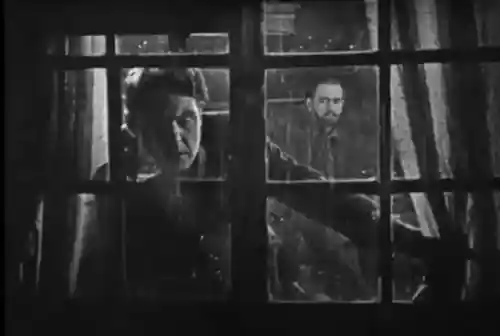
At its core, Tiger Rose interrogates the notion of agency within a patriarchal, lawless landscape. Rose’s evolution from caretaker to orchestrator of her own destiny challenges the era’s gender expectations. Her decision to confront Blackthorn—driven not merely by personal revenge but by a protective love for Jim—positions her as a catalyst for change, rather than a passive victim. This thematic resonance aligns with the feminist undercurrents present in White Oak, where female protagonists also subvert traditional roles.
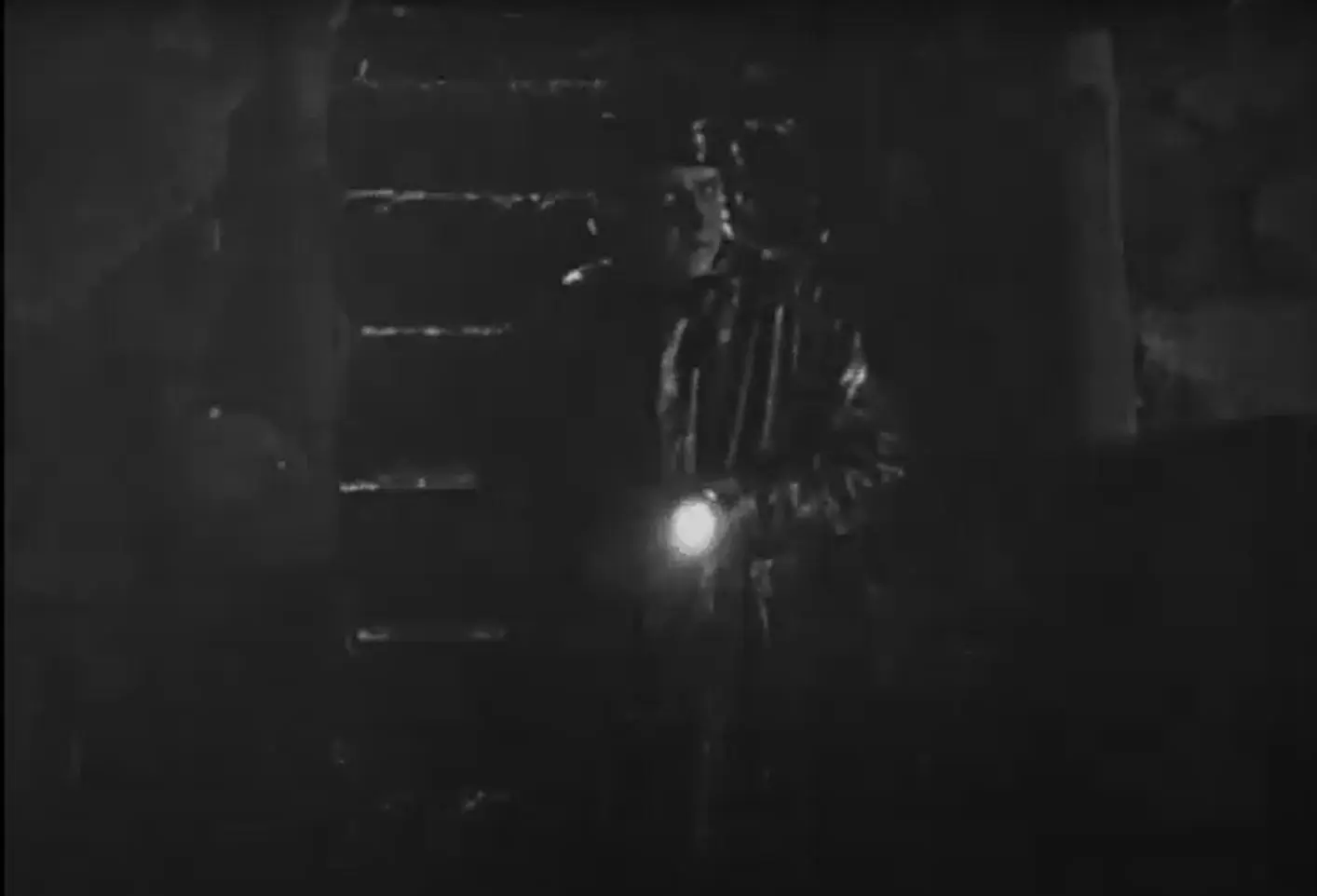
When juxtaposed with contemporaneous adventure dramas such as Come and Get Me or the more melodramatic Morals, Tiger Rose distinguishes itself through its psychological depth. Where Come and Get Me relies heavily on external action, Ulric’s film invests in internal turmoil, rendering the conflict as much about emotional survival as physical danger.
The editing, though linear, employs cross‑cutting during the climactic ambush to heighten suspense—a technique later refined in sound-era epics. The intertitles are sparingly used, each line imbued with poetic brevity that complements the visual storytelling. The musical score, reconstructed for modern audiences, blends plaintive strings with indigenous flute motifs, underscoring the cultural tapestry of the Northwest.
Nearly a century after its debut, Tiger Rose remains a compelling study of resilience. Its portrayal of a strong, nuanced female lead prefigures later icons such as Joan Crawford’s Possession and Katharine Hepburn’s roles in the 1940s. Moreover, the film’s respectful, albeit limited, depiction of Indigenous characters—portrayed with dignity rather than caricature—offers a modest but noteworthy deviation from the period’s typical stereotypes.
In the pantheon of silent frontier cinema, Tiger Rose occupies a distinct niche. It marries the theatrical intensity of its stage origins with a visual language that anticipates the psychological complexity of later sound films. Lenore Ulric’s tour de force performance, coupled with adept direction and a hauntingly beautiful setting, renders the film an essential viewing for aficionados of early American cinema. Its exploration of love, vengeance, and self‑actualization continues to resonate, proving that even in the starkest of landscapes, the human spirit can blaze with an indomitable fire.
IMDb 7
1919
Community
Log in to comment.