DbcultAccessing Vault...
Cult Review
Senior Film Conservator
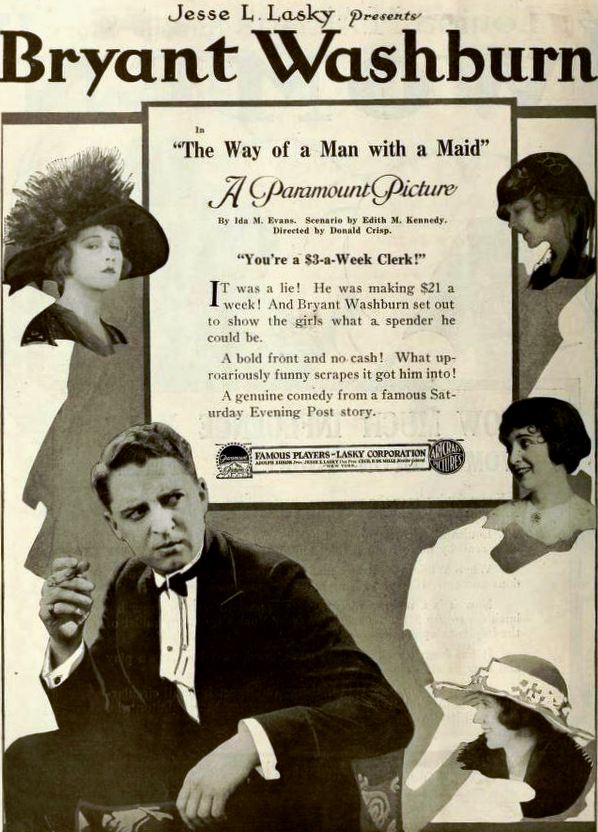
Stepping back into the cinematic landscape of 1917, one encounters a fascinating tapestry of storytelling, often characterized by grand gestures, moralistic undertones, and the nascent exploration of human psychology. Among these early works, The Way of a Man with a Maid emerges not merely as a quaint relic, but as a surprisingly incisive examination of societal pressures, romantic aspirations, and the often-perilous pursuit of material happiness. Directed with a keen eye for human foibles and triumphs, this silent film, penned by the insightful duo of Ida M. Evans and Edith M. Kennedy, offers a window into the evolving dynamics of love and labor in early 20th-century America.
At its core, the film unravels the earnest, if somewhat misguided, journey of Arthur McArney, portrayed with a captivating blend of vulnerability and ambition by Bryant Washburn. Washburn, an actor whose silent film career was marked by a steady presence and a knack for conveying sincerity, imbues Arthur with an Everyman quality that immediately draws the audience into his plight. Arthur is a shipping clerk, a cog in the industrial machinery of the era, whose modest existence is irrevocably altered by the entrance of Elsa Owenson. Bessie Eyton, as Elsa, is a vision of contemporary femininity—beautiful, poised, and possessed of tastes that far outstrip Arthur's humble means. Her presence, both alluring and demanding, sets in motion a chain of events that forms the narrative backbone of the film.
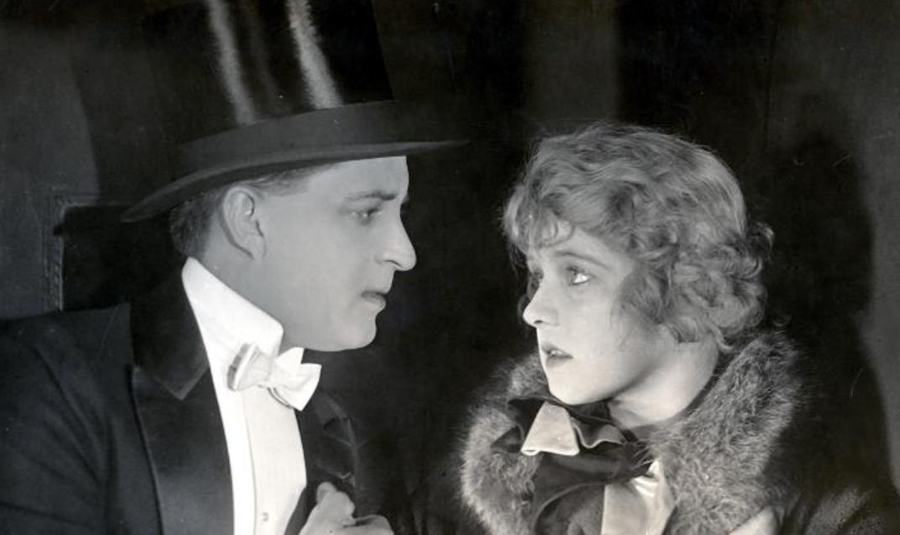
Elsa, with her expensive preferences, acts as a catalyst for Arthur’s transformation. His initial attempts to win her affection are characterized by a desperate, almost comedic, overextension of his financial capabilities. We witness him squandering an entire week's salary on a single evening's entertainment, a gesture that, while grand in its intent, is financially ruinous. The scene where he parts with his cherished watch to cover a taxi fare is particularly poignant, highlighting the extent of his infatuation and his willingness to sacrifice personal possessions for the ephemeral glow of Elsa's approval. This theme of a man striving to meet the perceived expectations of a woman, often at great personal cost, resonates with a timeless quality, albeit one amplified by the specific economic realities of the period. One might draw a parallel, though perhaps a more tragic one, to the struggles depicted in films like A Boy and the Law, where youthful ambition confronts harsh systemic realities, or even the moral quandaries explored in The Yellow Traffic, albeit in a different context of societal pressures.
The narrative is further complicated by the presence of Sankey, a wealthy but corpulent broker, whose financial prowess makes him a formidable rival for Elsa's affections. Sankey, though a secondary character, serves as an essential foil to Arthur. He represents the stark reality of a society where financial security often trumped genuine affection, a pervasive theme that silent films frequently explored. The competition between the two men is not merely for Elsa's hand, but for her lifestyle. Sankey offers a life of ease and luxury, a stark contrast to Arthur's earnest but struggling existence. This dynamic sets up a classic love triangle, but one imbued with a strong undercurrent of social commentary on class and consumerism.
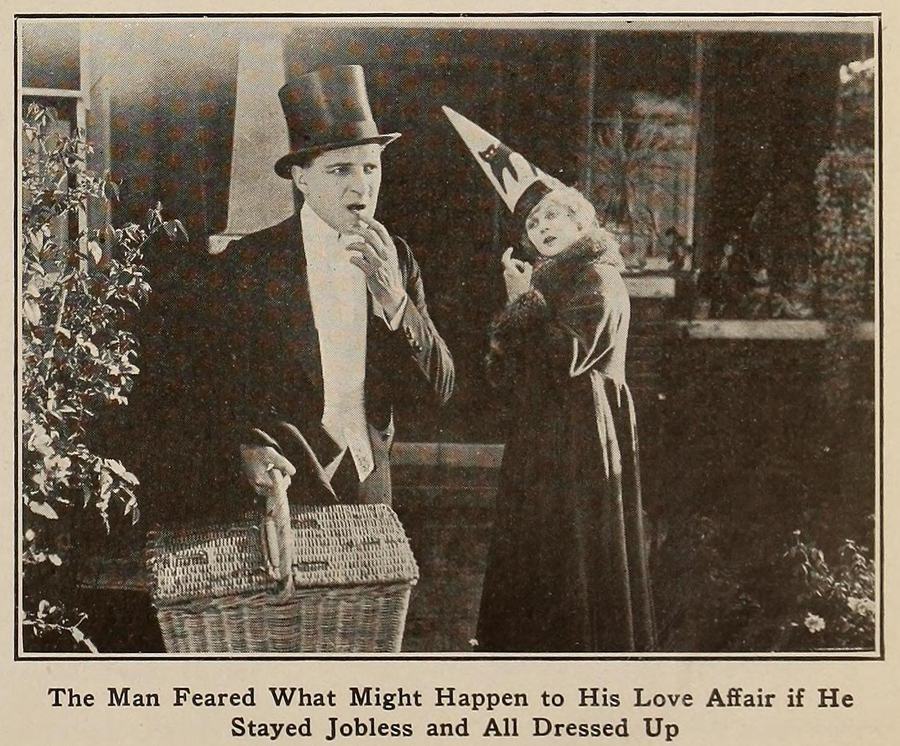
Arthur's increasing financial desperation forces him into a relentless cycle of odd jobs and arduous night duties. This period of intense labor, initially driven by romantic folly, inadvertently transforms him. It is during this phase that the film's most intriguing character, Hallet, Arthur's employer, comes into play. Portrayed by Clarence Geldert, Hallet is not merely a boss, but an observant mentor, a quiet arbiter of fate. His decision to grant Arthur a small raise is not based on pity, but on a shrewd recognition of newfound dedication and industriousness. This subtle shift in Arthur's trajectory—from a lovestruck spendthrift to a diligent worker—is a testament to the film's nuanced understanding of character development, even within the confines of silent cinema.
The climax of Arthur's personal and professional journey arrives dramatically. Having spent a considerable sum—$200, a truly extravagant amount for the time—on a proper attire for a lavish Halloween party, his plans are thwarted. Hallet, seemingly oblivious to Arthur's romantic aspirations, summons him to the office that very evening. This moment of sacrifice, where Arthur forsakes a night of potential romantic triumph for the demands of his job, is pivotal. It is a test of his commitment, a crucible forged by his own earlier financial indiscretions. Meanwhile, Elsa attends the affair with Sankey, an image that must have stung Arthur deeply, yet it underscores the path he has chosen.
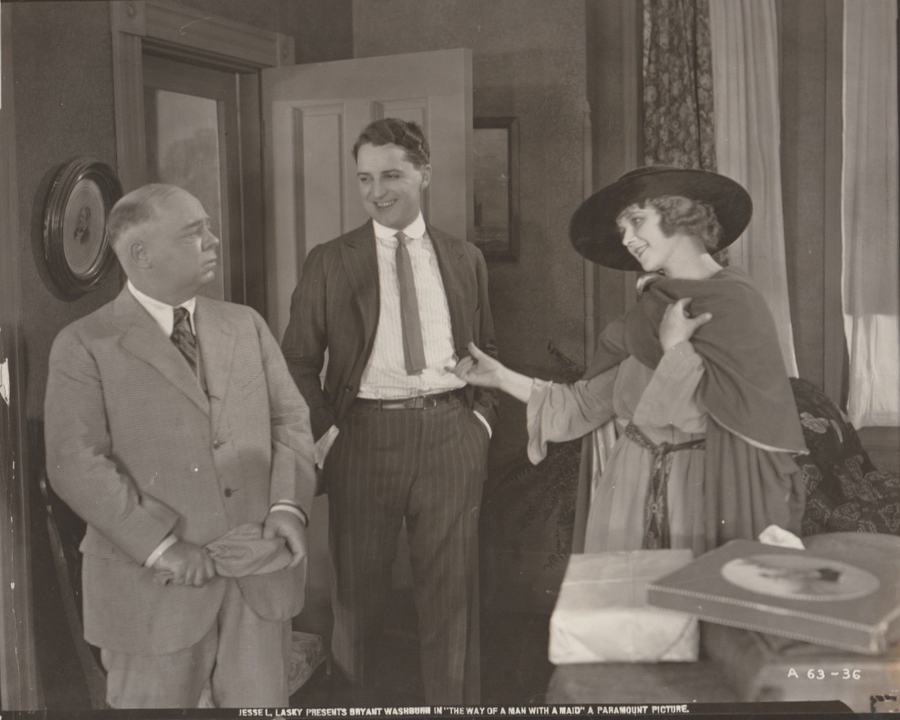
The payoff for Arthur’s unwavering dedication is significant. Hallet, observing his employee's steadfastness and burgeoning competence, promotes him to the esteemed post of branch manager. This elevation is not merely a reward; it is a recognition of growth, a testament to the idea that true success often stems from hard work and integrity, rather than superficial displays of wealth. This narrative arc, where an individual's perseverance against personal odds leads to professional advancement, echoes the spirit of similar films of the era, such as The Measure of a Man, which often championed the virtues of grit and determination.
With his newfound stability and professional standing, Arthur finally proposes to Elsa. Her acceptance, however, comes with a crucial caveat: a promise to economize. This ending, rather than being a simplistic 'happily ever after,' offers a more complex, perhaps even pragmatic, resolution. It suggests that Elsa, while drawn to the allure of wealth, is also capable of recognizing and valuing genuine character and hard-earned success. Her promise to economize, while perhaps a convenient narrative device, also hints at a burgeoning maturity, a realization that true happiness might lie beyond extravagant consumption. This subtle shift in her character prevents her from being a one-dimensional 'gold digger' and adds a layer of realism to the romantic conclusion.
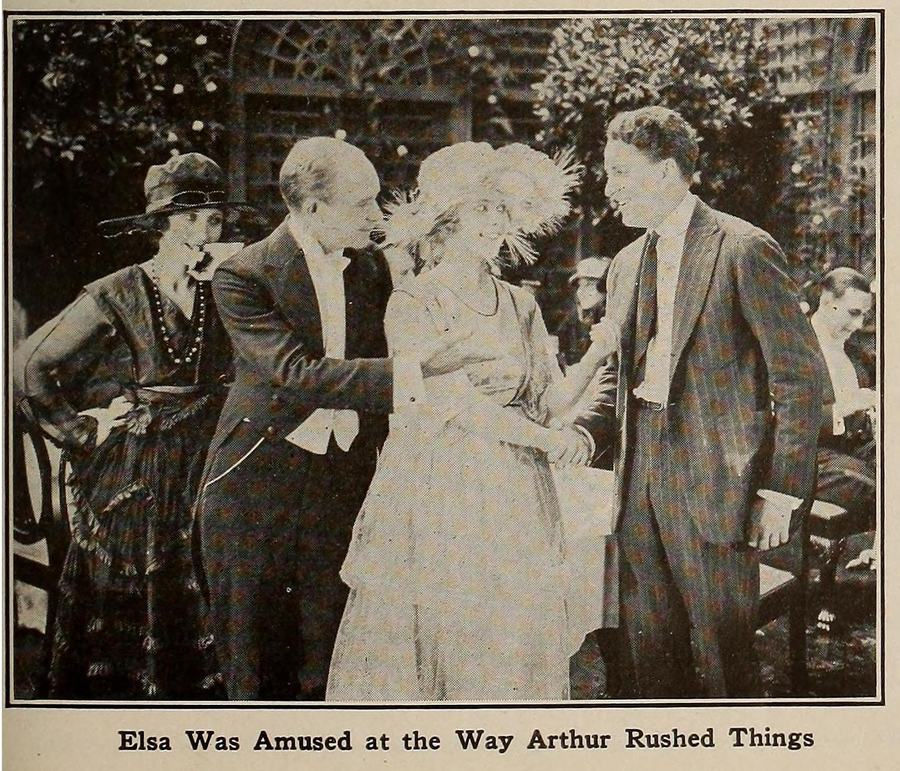
The acting in The Way of a Man with a Maid is, of course, characteristic of the silent era, relying heavily on exaggerated facial expressions, grand gestures, and body language to convey emotion and intent. Bryant Washburn, as Arthur, masterfully navigates the emotional spectrum from lovesick puppy to resolute professional. His earnestness is palpable, making his struggles and triumphs genuinely engaging. Bessie Eyton, as Elsa, projects an image of refined beauty and subtle longing, ensuring that her character remains sympathetic despite her initial materialistic leanings. The supporting cast, including Jay Dwiggins, William Elmer, Wanda Hawley, James Neill, and Fred Goodwins, contribute to the vibrant tapestry of the office and social scenes, each playing their part in grounding the narrative in a believable social context.
The screenwriting by Ida M. Evans and Edith M. Kennedy is particularly noteworthy. Their ability to weave a compelling narrative that blends romantic drama with social commentary speaks volumes about their talent. They craft a story that, despite its period setting, explores universal themes of ambition, love, and the search for identity through work and relationships. The pacing, while slower than modern cinema, allows for a deliberate unfolding of events, giving the audience time to connect with the characters' emotional states and the moral dilemmas they face. The visual storytelling, characteristic of early cinema, effectively uses intertitles to advance the plot and convey dialogue, while the compositions and character blocking guide the viewer's eye through the unfolding drama.
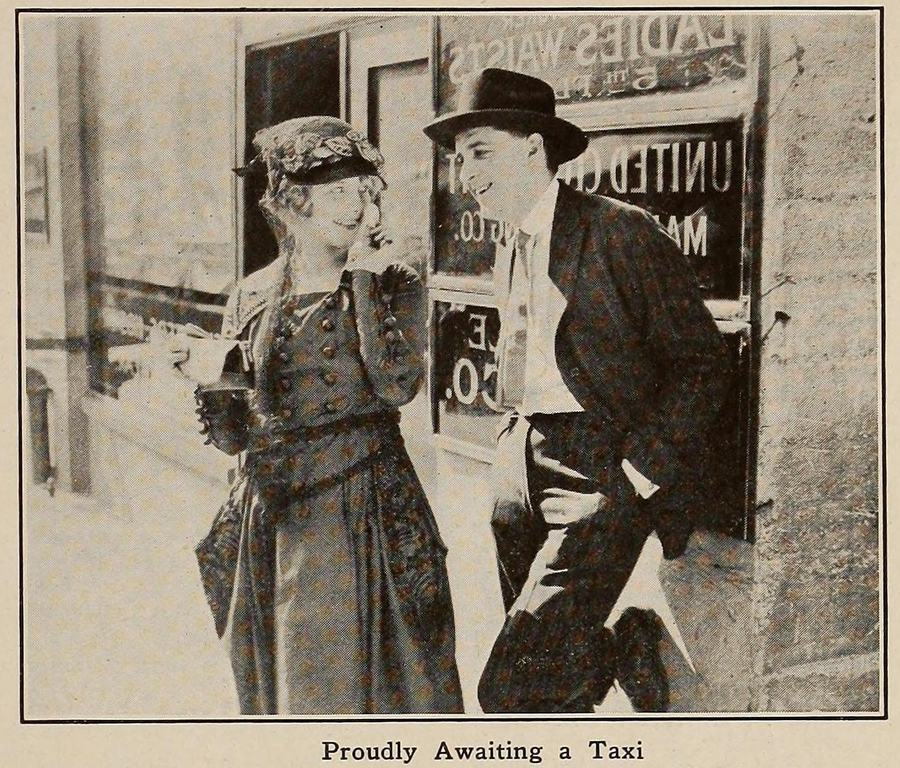
Beyond its romantic narrative, The Way of a Man with a Maid offers a fascinating glimpse into the social fabric of the early 20th century. It subtly critiques the burgeoning consumer culture, where outward displays of wealth were often prioritized over intrinsic value. The film highlights the economic pressures faced by young men striving to establish themselves and the societal expectations placed upon women, often pushing them towards financially secure marriages. This commentary, though delivered without overt preachment, resonates deeply, offering a historical mirror to contemporary issues of aspirational living and the pursuit of 'keeping up with the Joneses.'
The film’s portrayal of the workplace, particularly Hallet’s observant and ultimately benevolent role, also speaks to a certain ideal of corporate paternalism that was prevalent in some sectors during that era. It posits a world where diligence and loyalty are recognized and rewarded, offering a hopeful, perhaps even idealized, vision of social mobility through hard work. This stands in contrast to the more cynical portrayals of industrial life found in some other contemporary works, such as the stark realities often hinted at in films like Thrown to the Lions, which explored harsher aspects of societal power dynamics.
In an era where cinema was still finding its voice, films like this were instrumental in shaping public perception and reflecting societal values. They served not only as entertainment but also as a form of social education, subtly guiding audiences through moral dilemmas and reinforcing cultural norms. The themes presented here—the balance between personal desire and financial responsibility, the transformative power of dedication, and the complexities of romantic relationships—remain remarkably pertinent even today.
Ultimately, The Way of a Man with a Maid stands as a charming and insightful piece of early American cinema. It might not possess the epic scale of a Civilization, nor the stark moralizing of some of its contemporaries, but its strength lies in its intimate portrayal of a universal human experience: the struggle to balance love with livelihood, aspiration with reality. It is a story of a man who, in his desperate pursuit of love, stumbles upon the path to self-improvement and professional success, ultimately winning both the girl and a sense of self-worth.
The film’s lasting appeal resides in its ability to transcend its silent film origins and speak to enduring human truths. It reminds us that sometimes, the most circuitous routes lead to the most profound discoveries, and that genuine dedication, even when born from romantic folly, can forge character and open doors to unexpected opportunities. For those interested in the evolution of romantic drama and social realism in early cinema, The Way of a Man with a Maid offers a compelling and thoroughly rewarding viewing experience, a testament to the timeless power of well-crafted storytelling.
IMDb —
1936
Community
Log in to comment.