DbcultAccessing Vault...
5.9/10
Senior Film Conservator
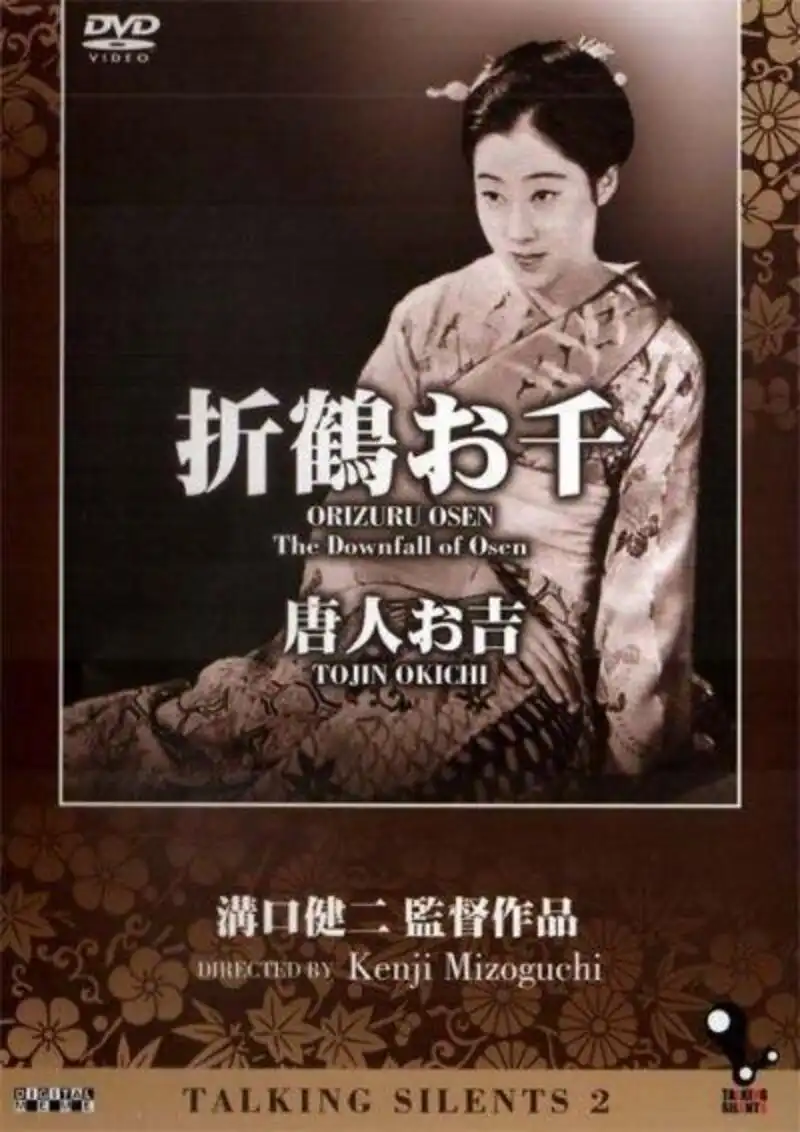
A definitive 5.9/10 rating for a film that redefined the boundaries of cult cinema. Tôjin Okichi remains a cornerstone of transgressive art.
If you have any interest in old silent movies that actually have some bite, then yes. You should watch this.
People who like tragic dramas where the world is just unfair will get a lot out of it. It feels very raw for something made so long ago.
If you hate slow movies or things with no sound, you will probably be bored out of your mind. It takes its time.
I sat down to watch this thinking it would be a stiff history lesson. I was wrong.
The movie follows Okichi, played by Yôko Umemura. She is a geisha who just wants to be with the guy she loves.
But the government guys come knocking. They need her to stay with the American consul, Townsend Harris.
They tell her it is for the good of Japan. They make it sound like she is a hero.
But the movie shows you that being a hero in this case just means being a sacrificial lamb.
Yôko Umemura is incredible in this. Her face does so much work without saying a single word.
There is a scene early on where she realizes she cannot say no. The way her shoulders slump just a little bit broke my heart.
It is not a big, loud moment. It is just quiet defeat.
The sets are actually pretty interesting. They feel a bit lived-in, not like a museum.
The lighting in the indoor scenes is very moody. Lots of shadows that make the rooms feel smaller than they are.
It reminds me a bit of the dark feelings in Lost in Darkness. Both movies feel like they are trapping their characters.
One thing that bugged me was how some of the guys in the town acted. They were so hypocritical.
They beg her to go to the American guy. Then, once she does, they call her names behind her back.
The movie gets really angry about this. You can feel the frustration coming through the screen.
I noticed one extra in the background of a street scene who looked like he was laughing when he shouldn't be. It was a bit distracting.
But mostly, the crowd scenes feel heavy. Like the whole town is just one big, judging eye.
There is a moment where Okichi is walking through the town later in the film. People just move away from her.
It is a simple shot. But the way the space opens up around her makes her look so lonely.
I think the writers, Shūichi Hatamoto and Gisaburô Jûichiya, really understood how to make a point without being too preachy.
They just show you the consequences. They show you the drinking and the sadness.
The pacing is a bit weird in the middle. It feels like it jumps ahead too fast and I lost track of how much time had passed.
I had to go back and re-read a title card because I was confused. Maybe I just wasn't paying enough attention.
But the ending makes up for it. It is not a happy ending.
Don't go into this expecting a big hug. It is a downer.
It feels a lot more grounded than something like The Gold Rush which was out around the same era. This is not for laughs.
I wonder what people in 1930 thought of this. It feels like it is criticizing the whole idea of "duty" to your country.
The American consul guy, Harris, isn't even the main villain. The villain is just the situation.
And the cowardice of the local officials. They are the worst.
One of them has this very annoying mustache. It makes him look even more like a snake.
The music in the version I saw was a bit much. Sometimes the drums were so loud they drowned out the mood.
But that's probably just the modern score someone added later. I try not to blame the movie for that.
Some of the makeup on the men looks a bit thick. It makes them look like dolls sometimes.
But Yôko Umemura looks very natural. Her performance is the thing that sticks with you.
I kept thinking about The Painted Lie while watching this. There is a similar vibe of things not being what they seem.
It is a shame that so many films from this time are hard to find or in bad shape. This one looks okay, but you can tell it's seen better days.
There are some scratches on the film that show up during the big emotional climax. It's a bit distracting but also kind of cool.
It makes it feel like a relic. Something that barely survived.
Which is fitting, because Okichi barely survives her own life.
I didn't expect to be this moved by a movie this old. Usually, the acting is too theatrical for me.
But this felt different. It felt modern in its sadness.
I think anyone who has ever felt used by their job or their family will understand her.
She did everything right and still lost. That is a very human story.
The scene where she says goodbye to her lover is particularly rough. The guy looks like he wants to fight, but he knows he can't.
It is all very hopeless. But in a way that feels honest.
I'll probably think about that final shot for a few days. It's just her, alone, and the world moving on.
If you can find a copy, give it a shot. Just bring some tissues. 😭
Anyway, I'm glad I watched it. It's a heavy watch, but it's real.
IMDb 5.2
1928
Community
Log in to comment.