DbcultAccessing Vault...
Cult Review
Senior Film Conservator
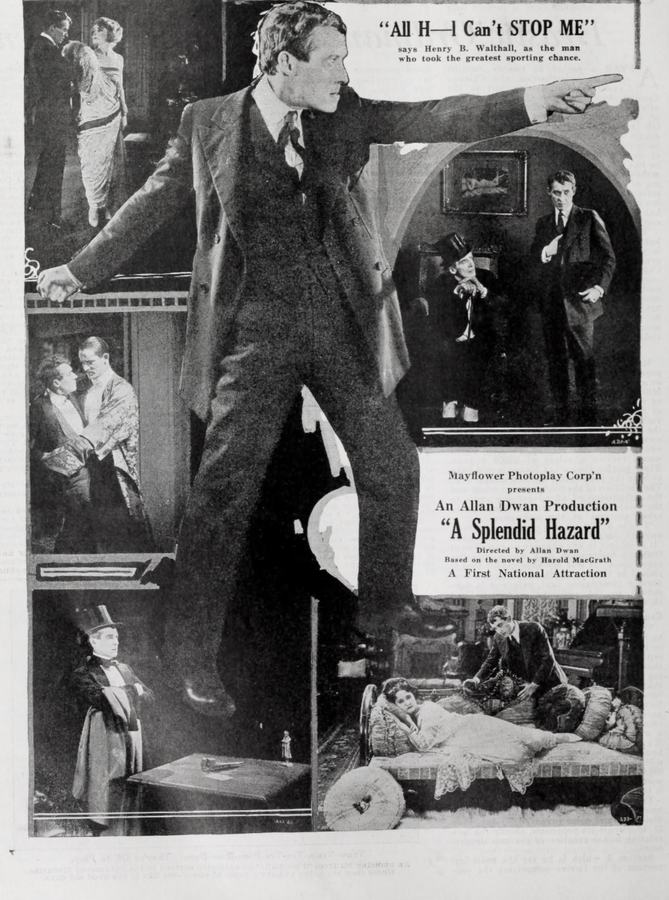
Karl Breitman’s quest for a ghost-emperor’s gold is less a treasure hunt than an autopsy on the seductive rot of legacy.
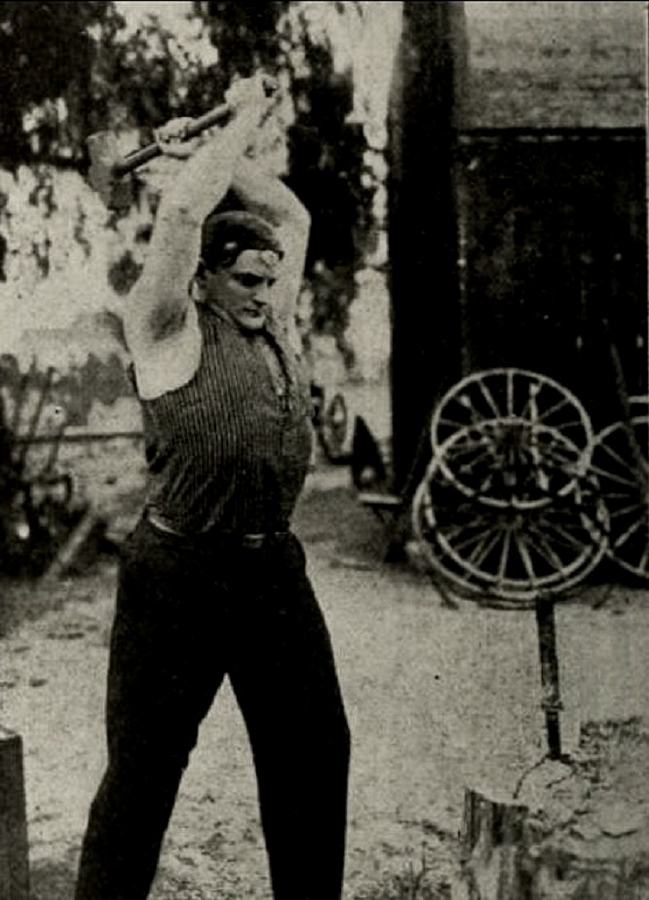
There are films that recount events, and then there are films that exhume the stench of yearning; A Splendid Hazard belongs to the latter caste. Shot through with the sulfuric tint of nitrate decay, this 1920 silent survives—miraculously—in scattered reels, yet its power crackles like faulty wiring beneath floorboards. Director William J. Humphrey (working from Harold McGrath’s thickly plotted novel) trusts atmosphere more than exposition, allowing candlelight to pool in Joseph J. Dowling’s hollow cheeks until the actor resembles a daguerreotype come half-undone.
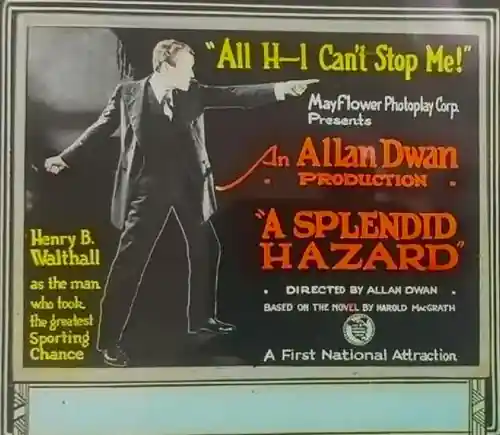
From the first iris-in, Breitman’s Paris is a city of echoing hooves and shuttered salons where wallpaper peels like sunburned skin. The art direction (credited to Clarence H. Miles) favors low ceilings and claustrophobic staircases; ceilings sag under the weight of ancestral portraits whose eyes have been scratched out. Into this sepulchral elegance stalks our protagonist, tailored in black so severe it drinks kerosene light. His backstory—merchant father, convent-educated mother—matters less than the operatic certainty that he is the reincarnation of Napoleon’s disinfected glory. The screenplay never mocks him; instead, it lets his monomania seep into every intertitle, white letters on black that read like headstones.
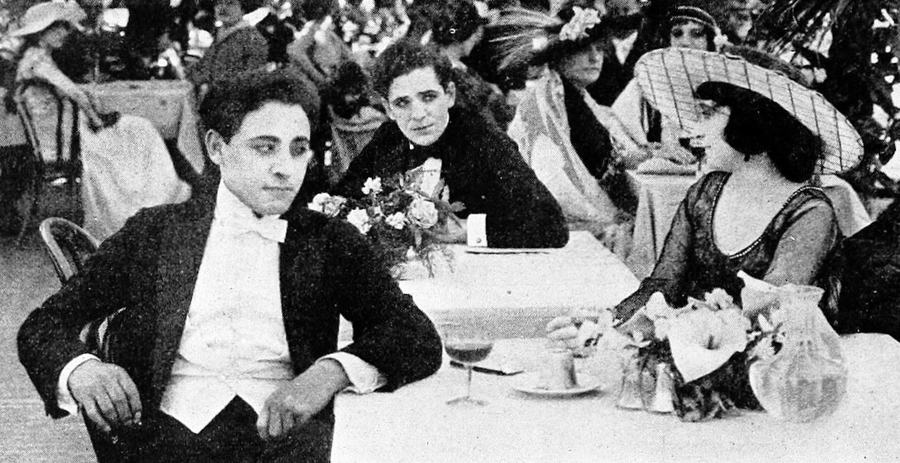
When Breitman first glimpses Hedda Gobert (a luminous, almost phosphorescent Rosemary Theby) at a soirée, the camera performs a slow, hungry push that feels like a trespass. She is draped in a gown the color of bruised pears; in her reticule she carries the faded letters that once passed between Saint-Cloud and Elba. Their courtship is a chess match played with opera glasses and perfumed notes, yet Humphrey stages it as a séance: hands hover inches apart, never quite touching, as if an invisible dowager chaperoned every glance.
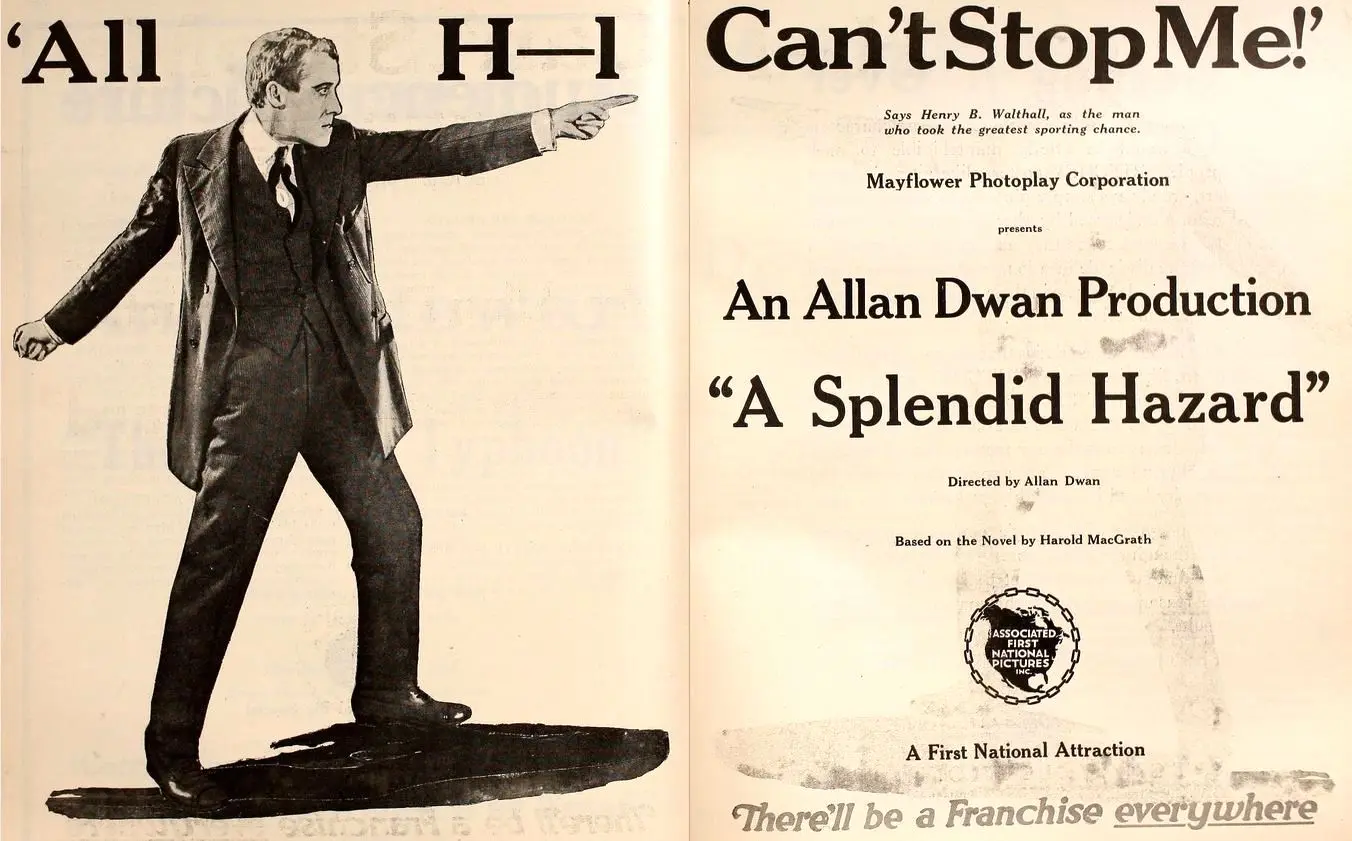
Once the documents are stolen—an edit as abrupt as a guillotine—the film’s palette shifts. The Atlantic is rendered via miniature ships bobbing on a studio tank, but the backdrop is hand-painted with bruised mauve thunderheads that anticipate Fritz Lang’s later expressionist skies. The New England sequence, shot on location around Gloucester, introduces square white houses and elm trees that refuse to bow to any emperor. Admiral Killigrew (Thomas Jefferson, gnarled like driftwood) presides over a parlor stuffed with sextants and harpoons; the treasure map is discovered inside a scrimshawed whale tooth—a detail so perversely poetic it vibrates.
Here the film indulges in tableaux vivants of American Gothic: maids in starched collars stare from doorways as Breitman digs by candlelight, their faces lit from below like jack-o’-lanterns. The tension derives not from whether he will find the map—viewers already suspect the McGuffin’s futility—but from the erosion of his European hauteur. Dust smears his silk lapels; sea-rot perfumes his gloves. For the first time, Dowling allows vulnerability to flicker across his gaunt mask, a twitch at the corner of the mouth that could be read as either triumph or stomach cramp.
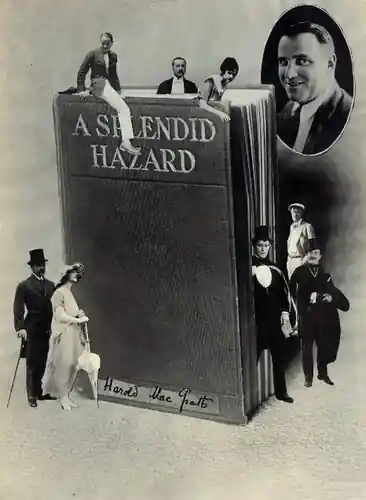
The final act relocates to Corsica, that ossified birthplace of emperors, here rendered through crumbling stone villages where goats wander into churches. Cinematographer Frank D. Williams lenses the maquis at high noon so that every olive leaf glints like bayonet steel. When Breitman overhears locals lampooning “le petit caporal,” the insult detonates something primordial; he slaps cheeks with kid-gloved arrogance, demanding pistols at twenty paces. The duel is staged in a limestone quarry, shadows carved into razored shards. Shot-reverse-shot choreography borrows from Mizoguchi’s later Harakiri: wide empty frames, then sudden intrusion of bodies, then blood on dust like pomegranate seeds.
As Breitman collapses, Hedda arrives—having crossed oceans on a steamer whose smokestack fills the horizon like a black exclamation point. Their final exchange is wordless: she cradles his head, her tears diluting the blood on his shirt until the fabric resembles a muddied tricolor. Humphrey resists closing on a tableau of doomed lovers; instead, he cuts to the empty quarry where wind scoops dust into the shape of a spiral, the eternal whirlpool of ambition.
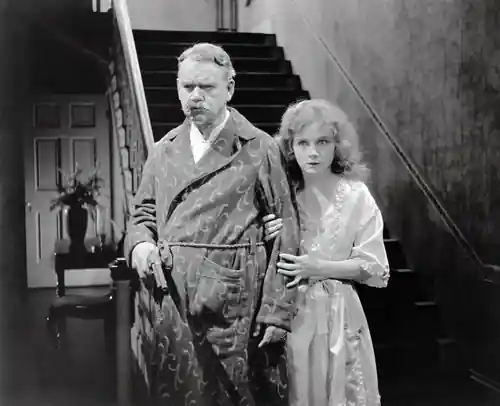
Dowling’s Breitman is a miracle of calibrated hysteria—eyelids peeled back like window-shutters, yet the tremor in his gloved fingers confesses the terror of being unmasked. Compare him to Henry B. Walthall’s supporting turn as a dissipated poet: Walthall floats through scenes with laudanum languor, a counter-melody to Dowling’s Wagnerian crescendo. Meanwhile, Theby’s Hedda oscillates between porcelain composure and animal panic; watch her pupils dilate when she first caresses the stolen letters—lust and dread fused into a single chemical flash.
The film’s lighting credo could be cribbed from Walter Benjamin: every document of civilization is also a document of barbarism. Interior scenes favor top-lighting that carves Breitman’s cheekbones into alpine ridges, while the cellar where he deciphers the map is lit by a single lantern that swings like a metronome, smearing shadows across stone as if history itself were bleeding ink. Exterior day-for-night shots in Corsica are achieved through cobalt filters, turning moonlight into a scalpel that dissects rather than soothes.
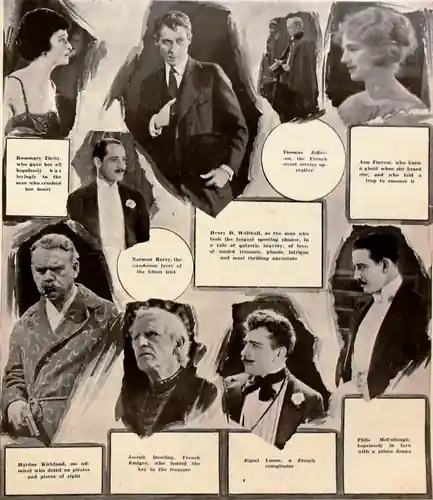
Though originally released with a compiled score of Chopin and Meyerbeer, modern screenings often commission new accompaniment. I experienced a 2019 restoration at Lincoln Center with a trio weaving Breton folk motifs into dissonant string glissandi; each time Breitman fondles the map, the accordion exhales a chord that feels like rust flaking off a cuirass. Silence, too, is weaponized—thirty seconds of black leader after the fatal shot, the audience listening to its own communal inhale.
Cinephiles will detect pre-echoes of Whispering Smith’s doomed pursuit of justice, and of the Mad Czar’s pathological entitlement. Yet A Splendid Hazard is less a political fable than a study in hereditary hallucination—the way bloodline myth metastasizes into private religion. Where A Victim of the Mormons externalizes paranoia onto sectarian conspirators, Hazard internalizes it until the self becomes both empire and colony.
For decades the film slumbered in the Library of Congress paper-print vaults, mis-cataloged under the generic label “Man Obsessed.” A 4K scan in 2017 revealed previously lost textures: the nacreous sheen on Hedda’s opera cloak, the gooseflesh on Breitman’s neck during the duel. Streaming platforms now host the restoration, though compression flattens the grayscale; cineastes should seek the Blu-ray from Kino, whose booklet essay by Dr. Lidia Pernecieva situates the film within post-WWI nostalgia for imperial certainty.
Is A Splendid Hazard a neglected masterpiece? Not quite. Its middle act sags under expositional ballast, and the intertitles occasionally sermonize. Yet its cumulative effect is ravaging: it leaves you haunted by the possibility that every family attic might harbor a map to a kingdom that never was, every mirror a potential usurper. Watch it at midnight, with rain needling the windows and a bottle of Corsican rosé breathing beside you. When the screen cuts to black, resist the urge to google whether Napoleon really salted away American bullion. Some secrets, like bullet wounds, are meant to stay open.
A Splendid Hazard does not end; it merely sinks into the loam of your memory, waiting for some future fever to resurrect its ghosts.
IMDb 7.2
1931
Community
Log in to comment.