DbcultAccessing Vault...
6.7/10
Senior Film Conservator
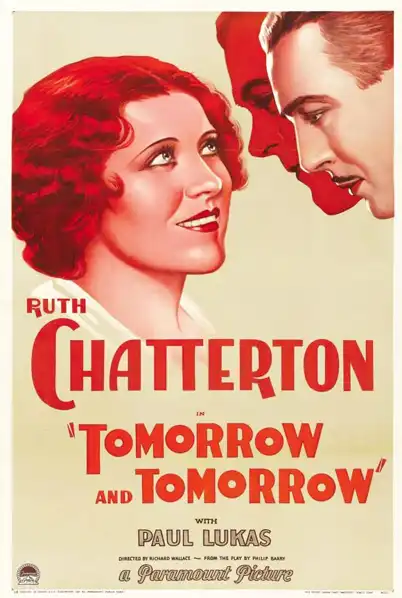
A definitive 6.7/10 rating for a film that redefined the boundaries of cult cinema. Tomorrow and Tomorrow remains a cornerstone of transgressive art.
Alright, so if you’re into those early talkies, the kind that really let the actors *act* without too much fuss, then Tomorrow and Tomorrow might be worth digging up. It’s not some lost masterpiece, but it’s got a genuine ache to it. If you’re usually bored by relationship dramas from way back, probably skip it. This one’s for folks who appreciate a slower pace and some seriously good performances.
The whole thing hangs on Eve Redman, played by Ruth Chatterton. She just wants a family. Her husband, Gail (Robert Ames), is so wrapped up in his career, he barely sees her. It’s not that he’s mean, just… absent. That early scene where she’s sitting alone, fiddling with a teacup, and he’s talking about business on the phone – that silence, you can feel it.
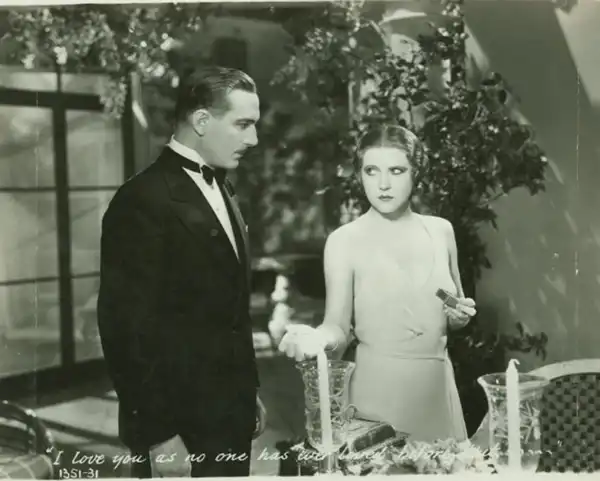
She starts spending time with Dr. Nicholas Faber, the brain surgeon, played by Paul Lukas. He’s kind, he listens. It’s a classic setup, right? But the film handles it with a kind of restraint you don’t always get. Their conversations are so polite, almost formal, even as their feelings are clearly shifting.
There's a moment, a really small one, where Faber is operating, and the camera just stays on his face. He’s so focused. You understand why Eve finds him comforting. He’s present, unlike her husband. It’s a subtle contrast, but it landed hard.
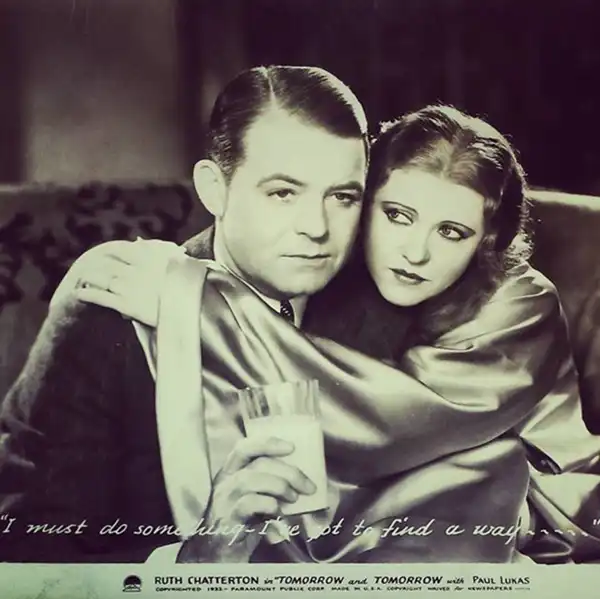
The pacing, for sure, is *leisurely*. Don’t go in expecting anything quick. The movie really lets scenes breathe, sometimes almost too much. There’s a scene where Eve and Gail are eating dinner, and it just goes on. You can almost feel the movie trying to convince you this marital distance matters.
Ruth Chatterton, though. Wow. She carries so much just in her eyes. You see her character’s entire journey without her needing to say a word. Her longing, the quiet resignation, then the flicker of hope with Faber. She really makes Eve a person you root for, even when things get messy.
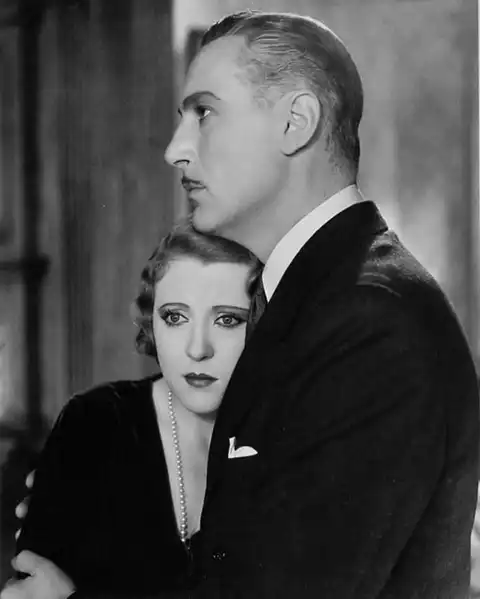
And things do get messy. The complications aren’t explosive or dramatic in a modern sense. It’s more about the slow build of impossible choices. The film doesn’t judge anyone too harshly, which I appreciated. Everyone’s just trying to find happiness, or at least some peace.
There’s a part near the end, where the consequences really start to hit. It’s not a big speech, just a quiet conversation between Eve and Gail. The way she looks at him, almost pitying, almost forgiving. It’s **heavy**, but in a very understated way.
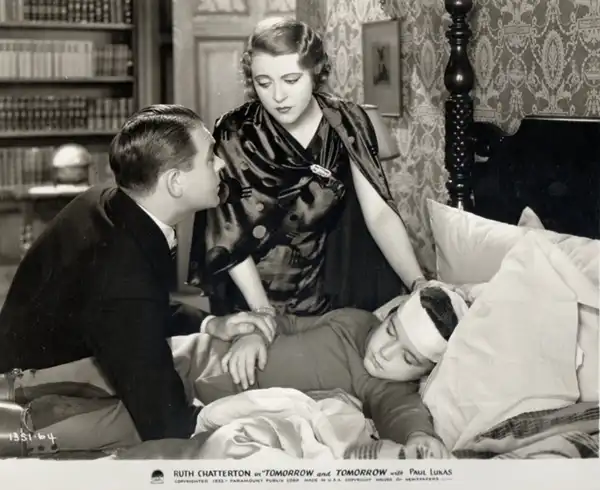
The supporting cast is mostly fine. Robert Ames as Gail is suitably detached, if a bit stiff. Sometimes his delivery feels a little… *wooden*, like he’s still getting used to the mic. But it fits the character’s emotional unavailability.
I found myself thinking about Bought!, another film from around this time that also deals with relationship struggles, but this one feels more intimate. Less about societal pressures, more about personal yearning.
This film is a good reminder that not every old movie is just a historical curiosity. Some of them still have a lot to say about human feelings. It’s not perfect, some of the dialogue feels a bit stilted now, but the emotional core is solid.
Final thought: If you’re in the mood for a thoughtful, character-driven drama from the early 30s, give it a shot. Just be ready for a slow burn. It’s a quiet film, but it sure does echo.
IMDb —
1920
Community
Log in to comment.