DbcultAccessing Vault...
Cult Review
Senior Film Conservator
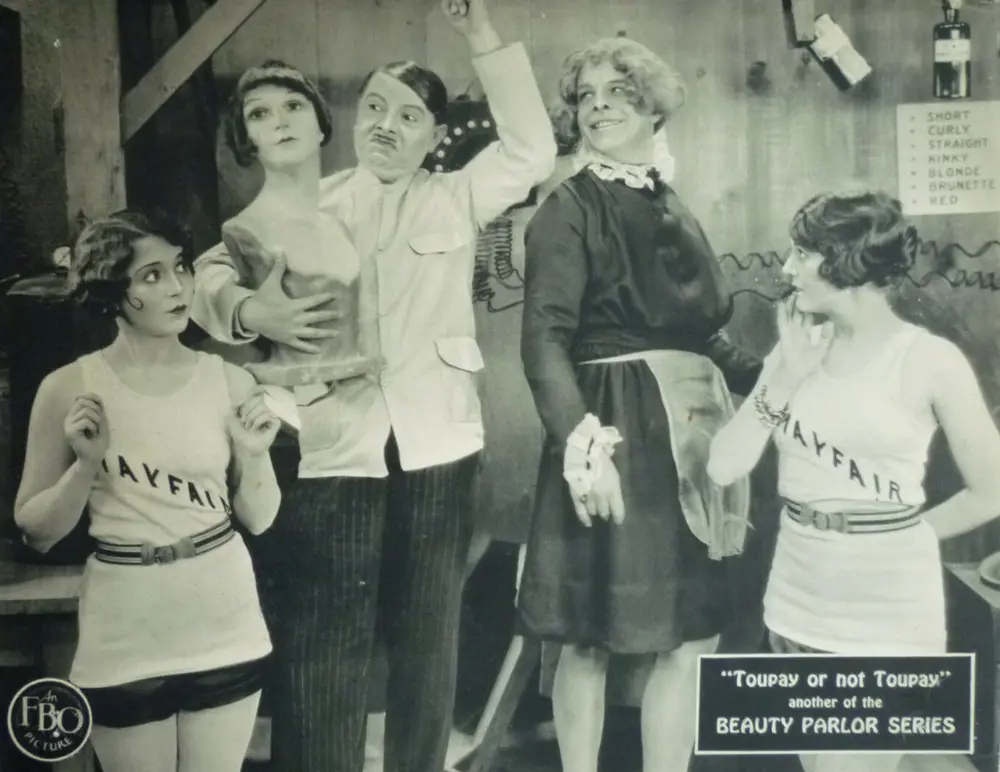
Is Toupay or Not Toupay a hidden gem of the silent era? Short answer: yes, but only if you appreciate the frantic, unpolished energy of early 20th-century short-form comedy. This film is for silent cinema completionists and fans of physical gags who enjoy seeing the mechanics of vaudeville translated to the screen; it is not for those who require narrative depth, nuanced character arcs, or modern sound design to stay engaged.
This film works because it leans entirely into the physical chemistry between Kit Guard and Al Cooke, utilizing a singular, absurd prop to drive the entire internal logic of the scenes. Unlike some of its contemporaries, it doesn't try to be a sweeping epic; it knows it is a gag machine and operates with a mechanical efficiency that is rare for 1926.
This film fails because the central joke is stretched to its absolute breaking point, often sacrificing the pacing of the boxing sequences for the sake of another hairpiece-related misunderstanding. By the second act, the novelty of the 'toupay' begins to wear thin, revealing a script that is somewhat anemic beneath its frantic surface.
You should watch it if you are a student of the 'Fighting Blood' series or if you want to see how silent shorts like Props or Home Brew influenced the later, more polished slapstick of the 1930s. It provides a raw, unvarnished look at the transition of the comedy duo from the stage to the silver screen.
The year 1926 was a strange time for cinema. While features like A Gentleman of Leisure were attempting to bring a certain level of sophistication to the screen, the short-form comedy market remained a wild west of physical stunts and repetitive gags. Toupay or Not Toupay sits squarely in this chaotic middle ground. It is visceral. It is clunky. It is undeniably human.
The film’s reliance on the 'toupee' as a plot device is more than just a cheap laugh. In the context of 1920s masculinity, where the 'strongman' and the 'athlete' were the peak of social standing, the threat of baldness was a potent metaphor for aging and loss of power. When Kit Guard’s character loses his hairpiece mid-fight, it isn't just a gag; it is a public stripping of his carefully constructed persona. The comedy comes from the desperation to maintain an illusion, a theme that feels surprisingly modern.
One specific scene stands out: the moment in the locker room where the hairpiece is accidentally swapped with a piece of cleaning equipment. The timing here is impeccable. Guard’s facial expressions transition from smug confidence to a horrifying realization that is played with a sincerity that elevates the material. It’s not just a man with a mop on his head; it’s a man watching his entire social future evaporate. This is where the film succeeds—it treats its absurd stakes with life-or-death seriousness.
Tom McNamara’s direction is utilitarian, but in a way that serves the genre perfectly. He understands that in slapstick, the frame is a cage. He keeps the camera static, allowing the actors to bounce off the walls and each other. This creates a sense of claustrophobia that heightens the comedy. Compare this to the more experimental framing in international works like El apóstol or the atmospheric dread of La bruja, and you see a director who is solely focused on the delivery of the punchline.
H.C. Witwer’s writing provides the backbone for this madness. Witwer was the king of the 'tough guy' comedy, and his influence is felt in every sharp title card and aggressive exchange. He had a knack for vernacular that made these characters feel like people you’d actually meet at a 1920s dive bar. The dialogue—though silent—has a rhythmic, percussive quality that matches the boxing theme. It is punchy. It is lean. It works.
However, there is a certain fatigue that sets in. Unlike the more balanced storytelling in Nobody's Wife, Toupay or Not Toupay lacks a secondary emotional beat. It is a one-note symphony. While that note is played with incredible vigor, the lack of variation makes the film’s short runtime feel longer than it actually is. It’s a sprint that feels like a marathon by the end.
Kit Guard is the blue-collar Buster Keaton. He doesn't have Keaton’s poetic grace, but he has a rugged, desperate energy that is fascinating to watch. His physicality is grounded in the reality of the boxing ring. When he takes a hit, you feel the weight of it. This makes the comedy more effective because the stakes feel real. He isn't a cartoon; he’s a man having a very bad day.
Al Cooke serves as the perfect foil. His timing in the 'straight man' role is what allows Guard to go as big as he does. There is a moment during the climax where Cooke has to distract a referee while Guard attempts to re-attach his hairpiece using nothing but spirit gum and prayer. The subtle interplay between the two—a series of nods and frantic eye movements—is a testament to their years of working together. They move like a single organism.
Thelma Hill, often relegated to the 'love interest' role in these shorts, manages to inject a surprising amount of agency into her scenes. She isn't just a trophy to be won; she is the judge of the entire proceedings. Her presence in the crowd during the final fight adds a layer of tension that the film desperately needs. Every time the camera cuts to her, the stakes are reset. If he loses the hair, he loses the girl. It’s simple, brutal, and effective.
From a technical standpoint, the film is a product of its time, but it uses its limitations as a stylistic choice. The lighting is harsh, casting deep shadows that make the boxing ring look like a pit. This grittiness contrasts beautifully with the high-society costumes of the female leads. It creates a visual dichotomy between the 'clean' world of the spectators and the 'dirty' world of the performers.
The pacing is where the film shows its age most clearly. Silent comedy often operated on a 'gag-a-minute' rule, but Toupay or Not Toupay pushes this to a 'gag-a-second' pace that can be exhausting. It lacks the breathing room found in films like The Mating or the deliberate build-up of The Splendid Crime. It is a relentless assault on the funny bone, which may leave some modern viewers feeling more battered than amused.
"The film doesn't just ask us to laugh at a man losing his hair; it asks us to witness the total disintegration of a man's social standing through the lens of a $5 hairpiece."
Yes, but with caveats. If you are looking for a deep narrative or a film that explores the human condition, you are in the wrong place. However, if you want to see a masterclass in how to build an entire film around a single, ridiculous prop, Toupay or Not Toupay is essential viewing. It is a snapshot of a time when comedy was physical, dangerous, and deeply obsessed with the surface level of things.
It is a film that rewards those who pay attention to the background details. The extras in the boxing crowd, the frantic movements of the trainers, and the specific way the hairpiece is handled like a sacred relic all add layers of humor that aren't immediately apparent. It’s a loud, messy, and occasionally brilliant piece of silent history.
Pros:
Cons:
Toupay or Not Toupay is a frantic, often hilarious relic that demonstrates the power of a simple idea executed with conviction. It’s not a masterpiece, but it doesn't need to be. It works. It’s flawed. It’s a punchy reminder of why we fell in love with silent comedy in the first place. If you can handle the repetitive nature of its follicular focus, you'll find a film that still has plenty of fight left in it. It’s a knockout in its own specific, weird way.
IMDb 5.7
1932
Community
Log in to comment.