DbcultAccessing Vault...
7.1/10
Senior Film Conservator
A definitive 7.1/10 rating for a film that redefined the boundaries of cult cinema. Wasted Love remains a cornerstone of transgressive art.
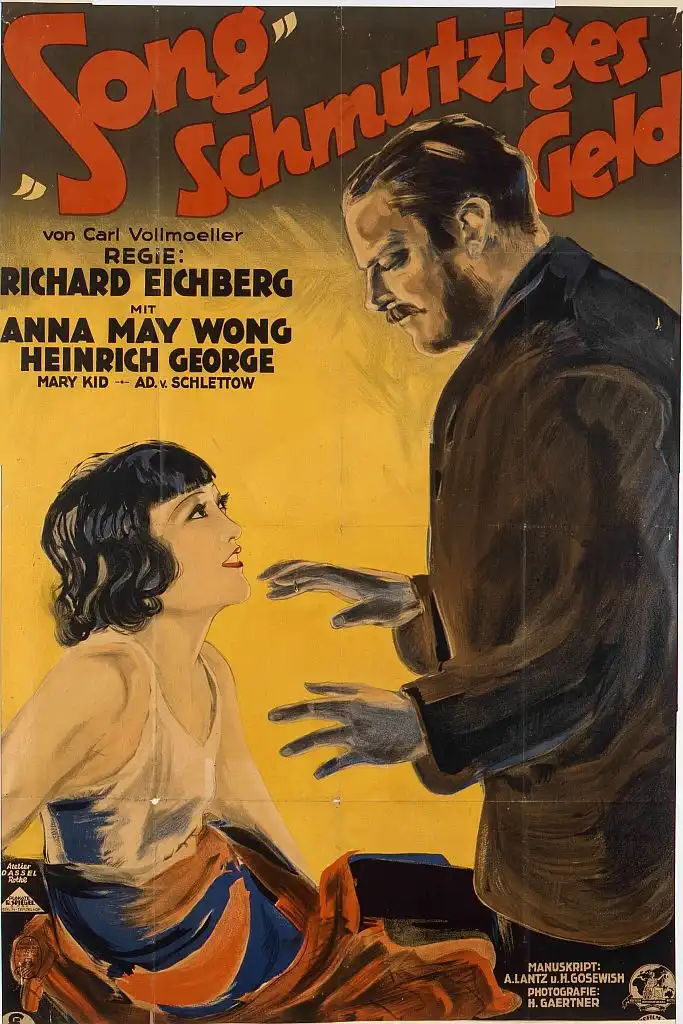
If you are looking for a reason to watch Wasted Love (originally released as Großstadtschmetterling) today, look no further than Anna May Wong. This 1929 silent melodrama is essential viewing for anyone interested in how Wong’s career flourished in Europe when Hollywood refused to give her anything but caricatures. It is a film for fans of late-silent era visual storytelling and those who enjoy the 'low-life' aesthetic of harbor dramas. However, if you have a low tolerance for the heavy-handed coincidences common in 1920s scripts, the plotting might test your patience.
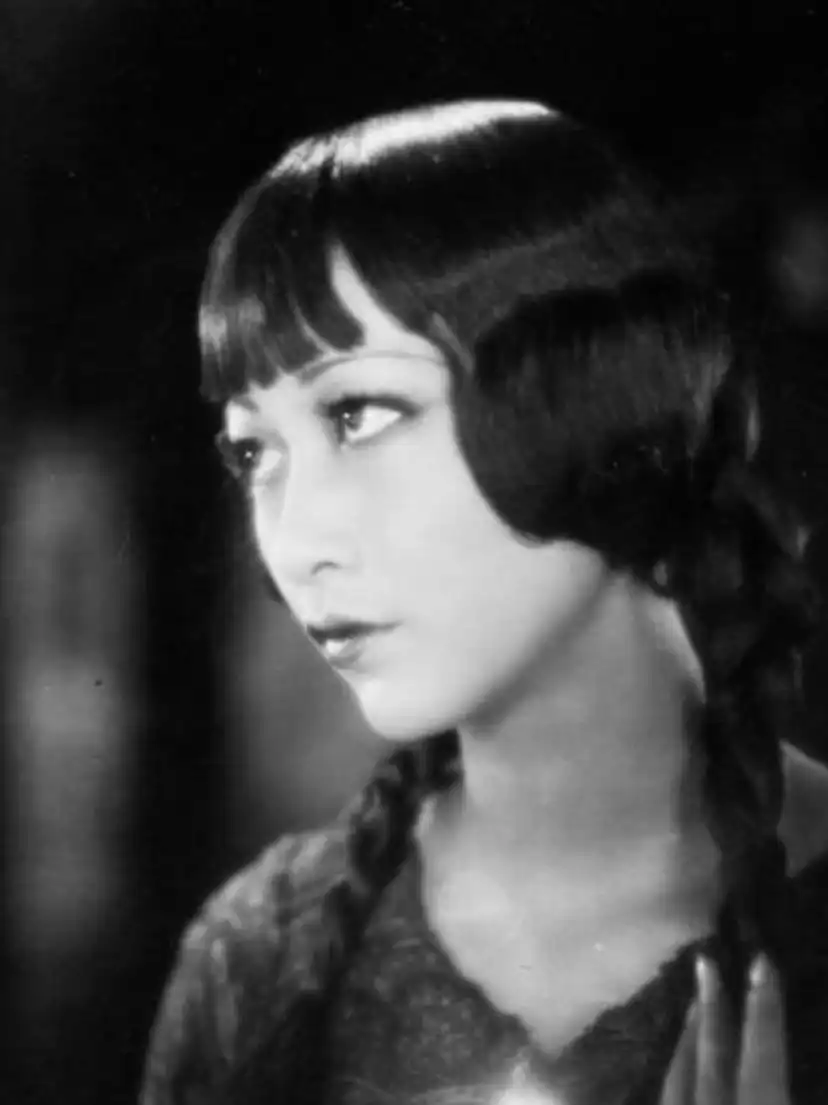
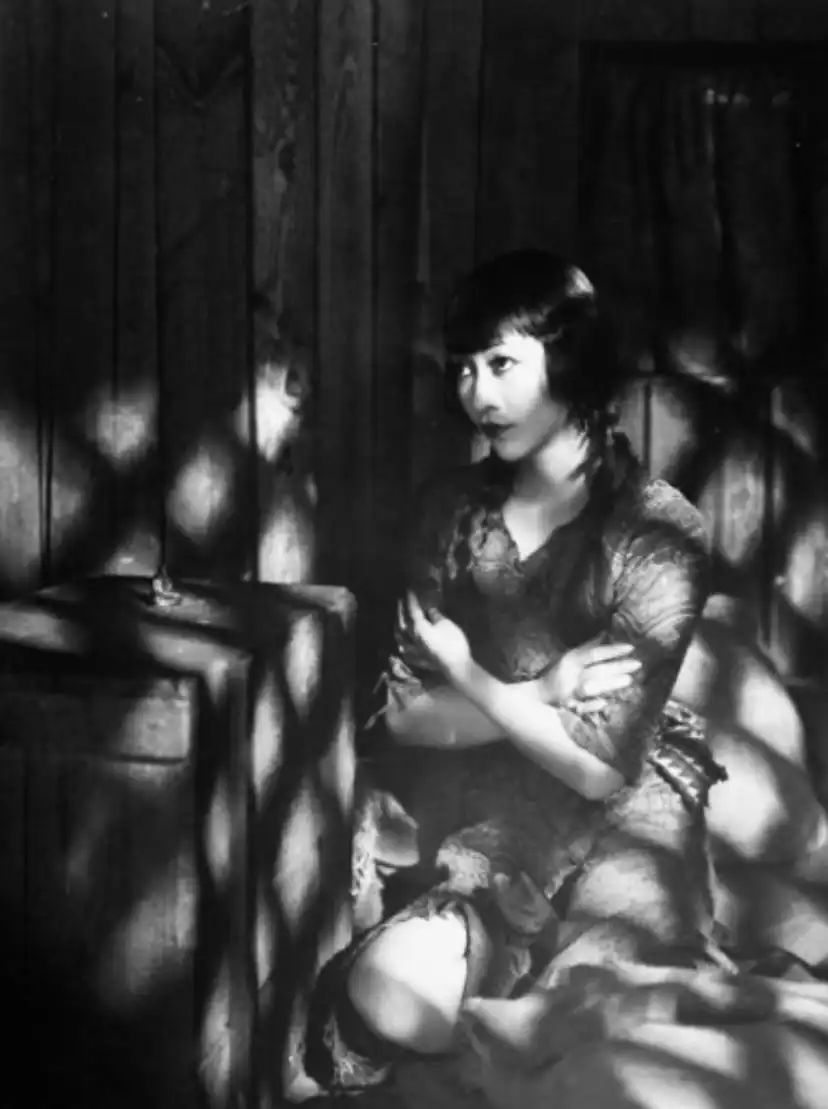
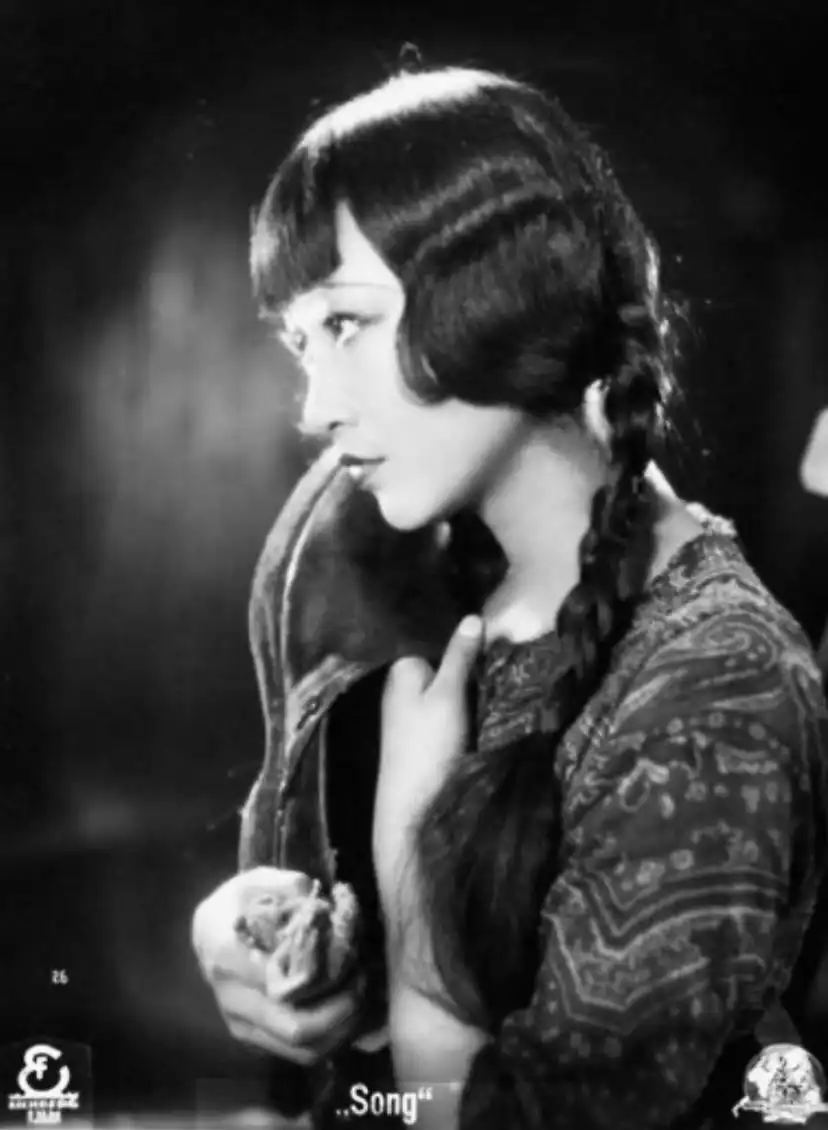
The film belongs entirely to Wong. Playing Song, a woman rescued from the docks, she brings a level of modern naturalism to the screen that makes many of her European co-stars look like they are still performing for the back row of a theater. There is a specific moment after Jack (Heinrich George) saves her from the sailors where she simply sits in his dingy room, her eyes tracking his movements with a mix of terror and burgeoning devotion. She doesn't need the exaggerated hand-to-forehead gestures of the era; her presence is quiet, focused, and incredibly cinematic.
Heinrich George, as Jack, provides a massive physical contrast. He is a heavy, sweating presence on screen, and while his performance is grounded, it carries that distinct Weimar-era intensity. The chemistry between them isn't necessarily romantic in a traditional sense—it feels more like two drowning people clutching at each other in a storm. This desperation is what keeps the film from feeling like a standard 'fallen man' trope.
One of the most impressive aspects of Wasted Love is its tonal shift from the sterile, high-society world of Jack’s art studio to the grime of the harbor. The production design of the 'tingle dungeon'—the basement cabaret where they eventually perform—is wonderfully claustrophobic. You can almost smell the stale tobacco and cheap liquor through the lens. The lighting in these scenes is harsh and directional, casting long shadows that mirror the characters' status as fugitives.
The knife-throwing act is the film's centerpiece. Director Richard Eichberg uses quick cuts and tight close-ups on the knives thudding into the wood inches from Wong's face. You can see the genuine tension in her shoulders. It’s a sequence that feels much more dangerous than the typical staged stunts of the time. It also serves as a sharp metaphor for their relationship: Jack is literally throwing weapons at the woman he saved, and she has to remain perfectly still to survive his 'protection.'
The film isn't without its drags. The middle section, where Jack is hiding out before they join the variety show, feels overextended. There are several scenes of Jack brooding over his past life that could have been trimmed by half. The transition from 'famous painter' to 'professional knife thrower' is also a bit of a leap, even for a silent melodrama. We see him practice for a few moments, but the film expects us to believe he has mastered a circus-level skill almost overnight.
The subplot involving the original lover, Gloria, feels thin compared to the harbor scenes. Whenever the camera leaves the docks to check back in on the high-society fallout of Jack's crime, the energy of the film dips. It’s a common issue in films from this period—the 'respectable' world is simply less interesting than the underworld. Fans of seafaring or dockside dramas like Shanghaied Lovers will find the gritty atmosphere here much more rewarding than the melodrama of the elite.
There are small, human touches that elevate the film. Notice the way Song handles Jack's painting supplies early on—with a reverence that suggests she sees them as magical tools rather than just brushes. Or the way the background extras in the cabaret aren't just standing still; they are constantly moving, whispering, and reacting to the performers, which gives the setting a lived-in, chaotic feel. The costume choices for Wong are also notable; she moves from tattered rags to an ornate, almost architectural dance costume that emphasizes her isolation from the rough crowd watching her.
Wasted Love is a fascinating artifact of late silent cinema. It lacks the polish of a Hollywood production from the same year, but it replaces that gloss with a raw, sweaty energy that feels more honest. It is a vital chapter in the filmography of Anna May Wong, proving she was a powerhouse capable of carrying a film through sheer screen presence. While the pacing occasionally stumbles and the plot relies on tired 'fugitive' cliches, the visual compositions and the central performance make it well worth the watch for anyone who appreciates the artistry of the silent screen.
IMDb 6.3
1927
Community
Log in to comment.