DbcultAccessing Vault...
Cult Review
Senior Film Conservator
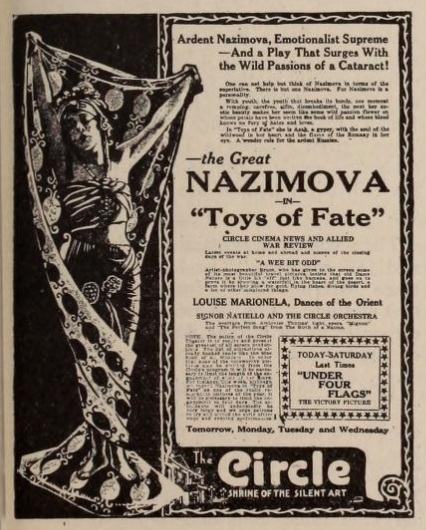
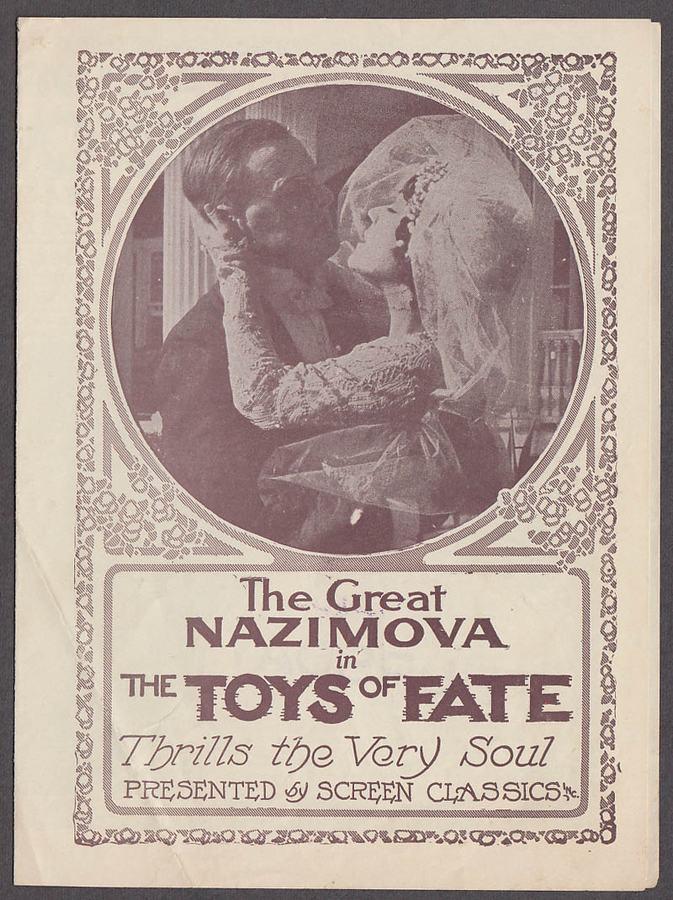
Stepping into the flickering glow of silent cinema, one often anticipates grand gestures and overt melodrama. Yet, within the nuanced world of *Toys of Fate*, released in 1918, we discover a narrative that transcends mere theatrics, delving into the profound and often brutal machinations of destiny. This isn't just a film; it's a somber meditation on the relentless nature of consequence, a story that echoes through generations, demonstrating how the sins of the father – or, in this case, the wealthy seducer – can cast an impossibly long shadow over the lives of the innocent. Alla Nazimova, a name synonymous with intensity and psychological depth in the nascent days of film, anchors this production with a performance that is nothing short of mesmerizing, elevating the material beyond its seemingly straightforward premise.
The film, penned by June Mathis and Ferdinand P. Earle, crafts a tale that feels both timeless and acutely modern in its exploration of trauma and cyclical patterns. At its core, we witness the devastating ripple effect of a rich man's fleeting affections. His seduction and subsequent abandonment of a gypsy woman lead to her tragic suicide, an act of profound despair. Fast forward twenty years, and the audience is presented with a chillingly poetic parallel: the daughter of the deceased woman, now grown, finds herself the unwitting object of affection for the very same man who destroyed her mother. This narrative conceit, while potentially veering into sensationalism in less capable hands, is handled with a gravity that compels genuine engagement. It’s a classic setup for revenge, certainly, but it’s also a poignant exploration of how ignorance can make us vulnerable to history's most painful repetitions. The tragic irony is palpable, a silent scream across time, and Nazimova embodies both the haunted legacy and the burgeoning, unsuspecting hope of the new generation.
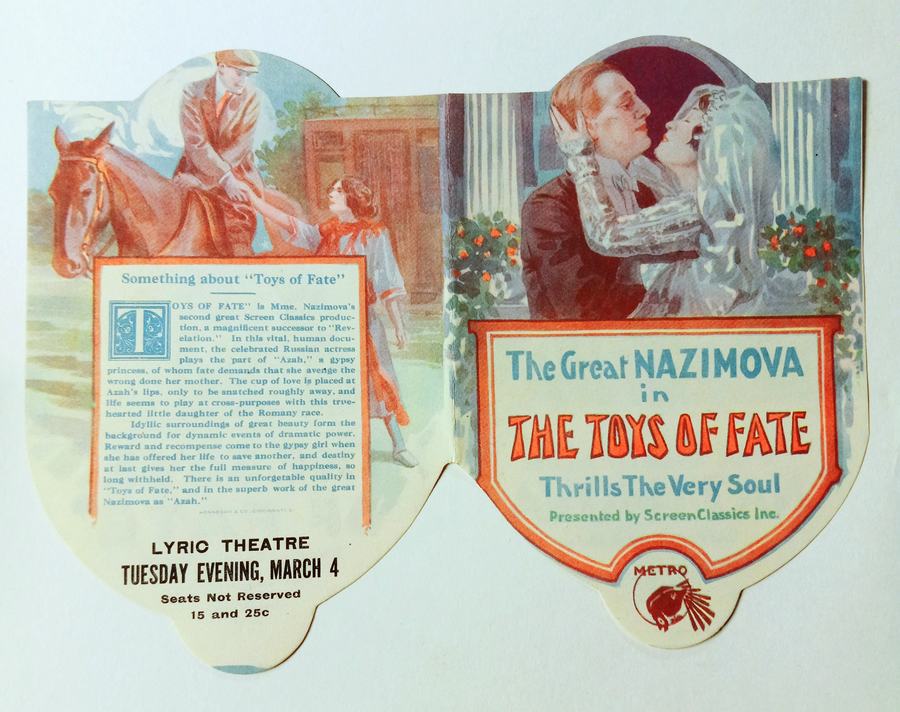
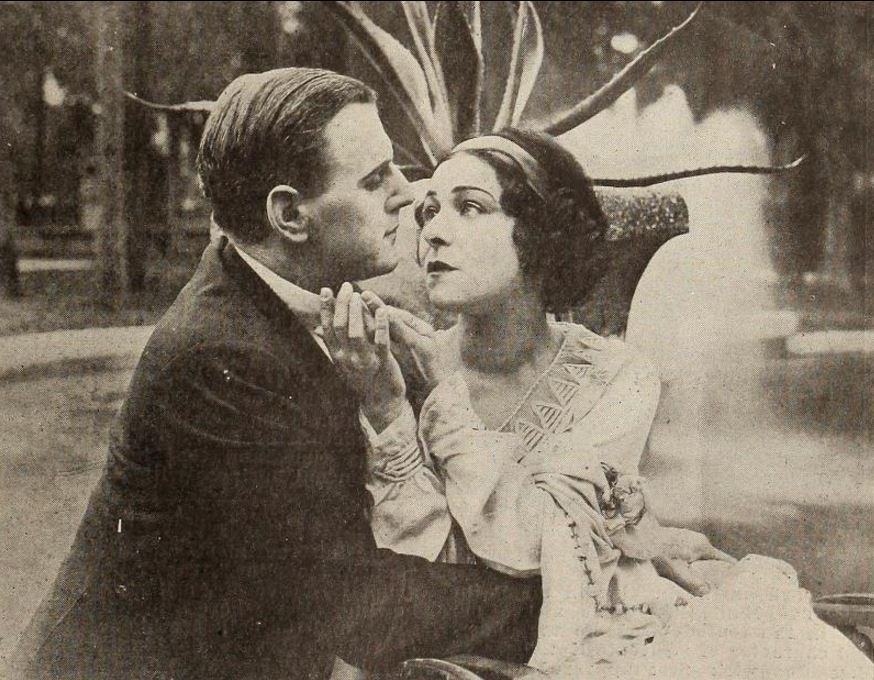
Nazimova’s portrayal is a masterclass in silent acting, conveying a spectrum of emotions with an economy of gesture and an intensity of gaze that few of her contemporaries could match. She imbues her character with a fierce independence, a vitality that belies the tragic undercurrent of her lineage. The audience is drawn into her world, feeling her joy, her nascent love, and the creeping dread as the past begins to assert its formidable presence. Her ability to communicate complex internal states without uttering a single word is a testament to her theatrical training and her profound understanding of the cinematic medium. One might draw parallels to her work in A Modern Mephisto, where she also tackled roles of profound psychological weight, often exploring themes of moral ambiguity and societal pressures. Here, however, the stakes feel even more personal, more viscerally tied to the very fabric of identity.
The supporting cast, including Edward Connelly, Dodson Mitchell, Charles Bryant, Nila Mack, Frank Currier, and Irving Cummings, provides a solid framework for Nazimova's central performance. While the focus undeniably remains on her, these actors contribute to the film’s atmosphere, fleshing out the societal landscape and the various forces at play. Charles Bryant, often Nazimova's on-screen partner and off-screen husband, likely brings a nuanced dynamic to his role, even if it's in service of the antagonist. The interaction between these characters, though conveyed through intertitles and expressive physicality, builds a believable world where social stratification and personal morality collide with devastating force. The film subtly highlights the vast chasm between the opulent world of the rich man and the more marginalized, yet spirited, existence of the gypsy community, a theme not uncommon in silent dramas, and one that resonates with the social commentary found in films like The Gilded Cage, which also critiqued societal divisions.
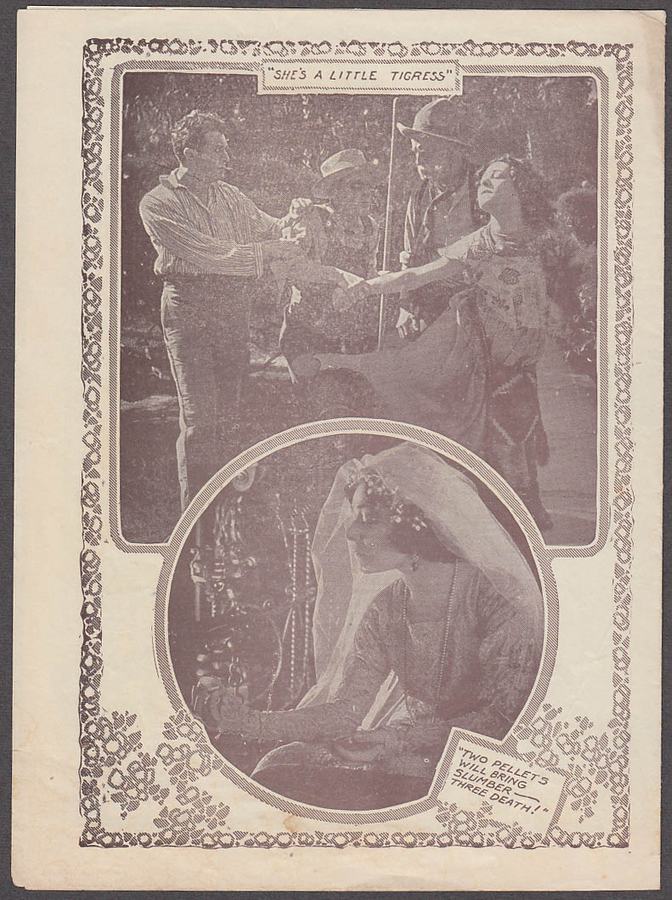
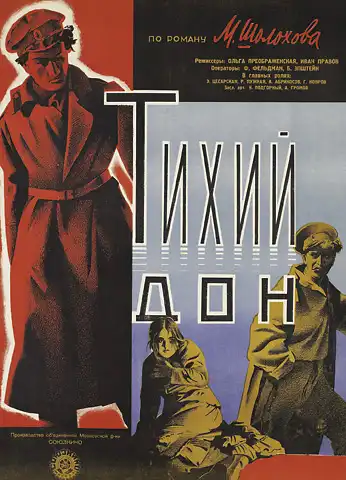
The aesthetic choices, while perhaps limited by the technology of the era, are nonetheless effective. The cinematography, though lacking the sophisticated camera movements of later decades, skillfully frames the emotional beats of the story. Close-ups on Nazimova’s face are particularly impactful, allowing the audience to read her every thought and feeling. The use of light and shadow, a hallmark of silent film expressionism, would undoubtedly have been employed to underscore the dramatic tension and the moral ambiguities inherent in the plot. Imagine the stark contrast between the bright, superficial world of the wealthy antagonist and the shadowed, perhaps more authentic, existence of the gypsy encampment. These visual dichotomies are crucial in conveying the film's thematic weight, much like the stark visual storytelling often seen in Russian silent films such as Satana likuyushchiy, which used its visual language to explore moral decay and spiritual conflict.
June Mathis, as one of the principal writers, was a formidable force in early Hollywood, known for her strong narratives and her ability to craft compelling female characters. Her collaboration with Ferdinand P. Earle on *Toys of Fate* clearly demonstrates a keen understanding of dramatic structure and character development. They resist the urge to simplify the antagonist into a one-dimensional villain, instead painting a portrait of a man perhaps oblivious to the full extent of his past cruelty, or simply too self-absorbed to care. This complexity adds layers to the narrative, making the eventual revelation and confrontation all the more potent. The screenplay is a tight, well-paced exploration of its themes, allowing the emotional arcs to unfold organically, rather than relying on forced plot points. This narrative precision is something one might appreciate when comparing it to the more episodic adventures of the time, such as The Exploits of Elaine, which prioritized thrilling cliffhangers over deep character study.
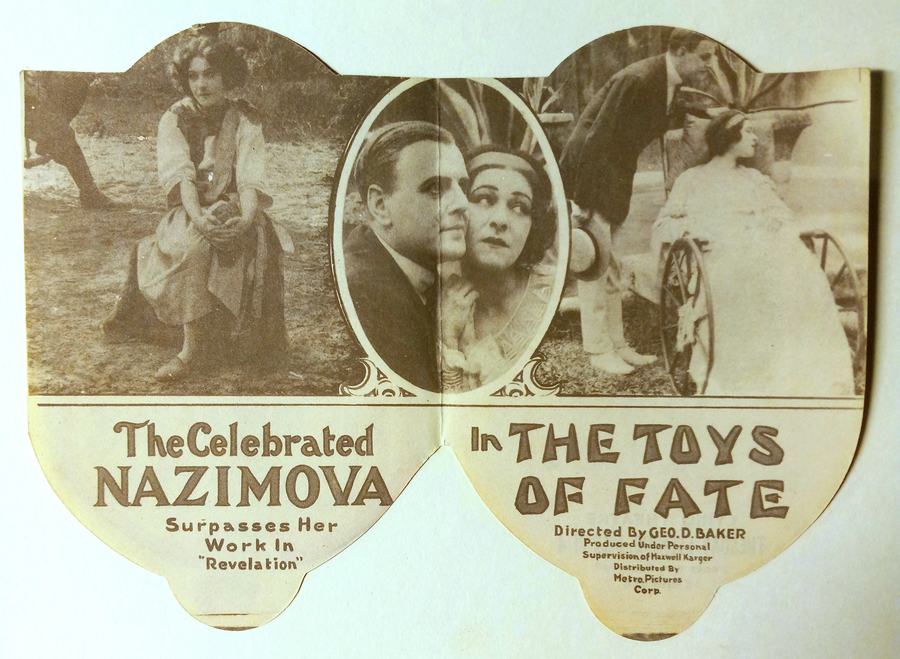
The central theme of fate versus free will is explored with an intriguing subtlety. Is the daughter truly a mere 'toy of fate,' destined to repeat her mother's tragedy, or does she possess the agency to break the cycle? This question hangs heavy over the entire film, providing much of its psychological tension. The film doesn't offer easy answers, instead inviting the audience to ponder the enduring power of history and the choices individuals make when confronted with their past. It’s a narrative that suggests that while circumstances may be predetermined, the response to those circumstances is where true character is forged. The film's title itself is a provocative statement, implying a sense of helplessness, yet Nazimova's performance suggests a defiant spirit capable of challenging even the most predetermined paths. This internal struggle is what makes the film resonate long after the final frame.
The emotional impact of *Toys of Fate* lies in its ability to evoke profound empathy for its protagonist. We feel the weight of her inherited sorrow, the injustice of her unwitting predicament. The film taps into universal fears: the fear of repeating mistakes, the fear of betrayal, and the profound sadness that comes with realizing that love can sometimes be a dangerous, destructive force. The film’s dramatic climax, the inevitable moment of recognition and confrontation, must have been utterly electrifying for audiences of the era, and even now, the narrative promises a powerful emotional release. It's the kind of story that stays with you, prompting reflection on the unseen connections that bind generations and the often-unacknowledged debts of the past. It's a testament to the enduring power of silent storytelling, where the absence of spoken dialogue often amplifies the visual and emotional language.
Considering the cultural landscape of 1918, a world grappling with the Great War and profound social change, *Toys of Fate* offered audiences a potent blend of escapism and poignant reflection. While films like Famous Battles of Napoleon offered grand historical spectacle, and others like Johanna Enlists provided lighter, more comedic fare, *Toys of Fate* provided a deeper, more introspective experience. It spoke to the universal human condition, to the struggles with love, loss, and the quest for identity, themes that transcend any specific historical moment. The film’s ability to tap into these timeless concerns is a key factor in its continued relevance, even for modern viewers willing to engage with the unique artistry of silent cinema.
Alla Nazimova's career was marked by her bold choices and her captivating screen presence. She frequently sought out roles that allowed her to explore complex female psychology, shying away from mere ingenue parts. Her performance in *Toys of Fate* is a prime example of this artistic integrity. She doesn't just play a character; she inhabits her, bringing a raw vulnerability and an unyielding strength to the screen. This depth of portrayal is what separates true artists from mere performers, and it's why Nazimova remains such a celebrated figure in film history. Her work here, much like her iconic turns in other dramatic features, serves as a powerful reminder of the profound impact a single actor can have on a film's overall power and message. Her ability to convey nuanced emotions with such precision is truly remarkable.
Ultimately, *Toys of Fate* stands as a compelling example of early cinematic drama, a film that utilizes the unique strengths of the silent era to tell a story of immense emotional resonance. It's a testament to the power of a well-crafted narrative, the brilliance of a magnetic lead performance, and the enduring human struggle against the forces of destiny. For those seeking to delve into the rich tapestry of early cinema, this film offers a powerful and thought-provoking experience, one that encourages contemplation long after the final credits (or lack thereof) have rolled. It is a stark reminder that some stories, particularly those concerning the human heart and its intricate entanglements with fate, possess an eternal resonance, regardless of the technological advancements in filmmaking. The legacy of *Toys of Fate* is etched not just in its plot, but in its masterful evocation of the silent scream against an unyielding destiny.
The film's exploration of social class and its impact on individual lives is another thread that merits attention. The wealthy seducer, embodying a certain kind of aristocratic privilege, operates with an impunity that ultimately devastates lives. This stark contrast between the haves and have-nots, and the moral implications of such power imbalances, was a common, yet powerful, theme in early cinema. It allowed audiences to reflect on societal injustices, even if the narratives often resolved in ways that reinforced or challenged the status quo. In *Toys of Fate*, the class divide isn't merely background dressing; it's an active catalyst for the tragedy, highlighting how unchecked power can lead to profound human suffering. This mirrors similar social critiques found in other films of the period, such as Dolken, which also explored the darker aspects of human nature and societal pressures.
The writers, June Mathis and Ferdinand P. Earle, navigated the conventions of the time while pushing boundaries with their characterizations. They understood that a truly compelling story needed more than just plot twists; it required characters with believable motivations and emotional depth. The antagonist, while undeniably the catalyst for much of the pain, is not presented as a caricature. His actions, though reprehensible, stem from a place of privilege and perhaps a lack of empathy rather than outright malice, making his eventual reckoning, or lack thereof, all the more impactful. This nuanced approach to villainy adds a layer of psychological realism that elevates *Toys of Fate* beyond typical melodramatic fare. It’s a testament to the sophistication of early screenwriting that such complex moral landscapes were being explored, setting a precedent for future cinematic narratives.
The very title, *Toys of Fate*, encapsulates the profound philosophical question at its heart. Are we merely puppets, manipulated by an unseen hand of destiny, or do we possess the inherent strength to carve our own path? The film, through Nazimova’s powerful performance, leans towards the latter, suggesting that even when confronted with overwhelming odds and the echoes of a painful past, the human spirit can find a way to assert its will. This message of resilience, even within a tragic framework, provides a glimmer of hope, preventing the film from descending into pure nihilism. It's a subtle yet potent affirmation of human agency, making the narrative not just a story of woe, but also a quiet celebration of endurance. The film’s ability to provoke such existential contemplation is a mark of its artistic merit, distinguishing it from simpler, more straightforward dramas.
Alla Nazimova's magnetic presence is, without question, the film's greatest asset. Her unique blend of theatricality and raw emotional honesty captivated audiences and critics alike. She was known for her intense gaze, her dramatic gestures, and her ability to convey a whirlwind of emotions with just a subtle shift in expression. In *Toys of Fate*, she embodies the gypsy girl with a captivating blend of innocence, fiery spirit, and underlying melancholy. Her journey from carefree youth to a woman grappling with a devastating truth is portrayed with an authenticity that transcends the silent medium. Her performance is not merely acting; it is an experience, drawing the viewer into her inner world with an almost hypnotic pull. Her ability to command the screen without uttering a single word is a powerful reminder of the artistry inherent in early cinema, where visual storytelling was paramount. Her work here is as compelling as her more widely known roles, solidifying her status as a silent screen legend.
The film's enduring power lies in its universal themes. Betrayal, revenge, the cyclical nature of trauma, and the quest for identity are narratives that resonate across cultures and time periods. While the specific setting and social mores might be rooted in the early 20th century, the emotional core of *Toys of Fate* remains profoundly relatable. It speaks to the human experience of grappling with difficult pasts, confronting injustice, and striving for a future free from inherited pain. This timeless quality is what allows silent films like this to continue to captivate new generations of viewers, offering insights into both the history of cinema and the unchanging complexities of the human condition. It’s a testament to the skill of its creators that a film from over a century ago can still evoke such strong emotions and provoke such deep thought, making it far more than just a historical artifact.
IMDb 5.7
1936
Community
Log in to comment.