DbcultAccessing Vault...
6.1/10
Senior Film Conservator
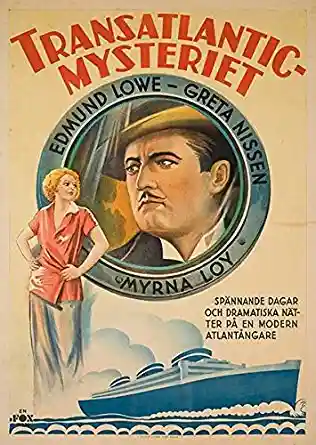
A definitive 6.1/10 rating for a film that redefined the boundaries of cult cinema. Transatlantic remains a cornerstone of transgressive art.
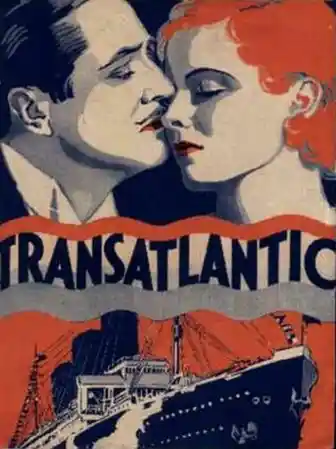
Okay, so "Transatlantic" from way back in 1931? It's kind of a curious little time capsule. If you dig those early talkies, especially the ones that try to build tension in a tight space, you might get a kick out of this. It’s definitely not for folks who need explosions every five minutes. Think more claustrophobic drama, a bit of crime, and some very earnest acting. For everyone else, it’ll feel like watching paint dry, but with fancier clothes. 🚢
The whole thing plays out on a luxury liner, all shiny and new. We got a bunch of characters, mostly strangers, all stuck together for a transatlantic journey. Naturally, things go sideways. It's less about the destination and more about the money problems that start popping up for a few key passengers, dragging everyone into a bit of a mess. Someone's trying to steal something big, and it throws the whole ship into a quiet panic.
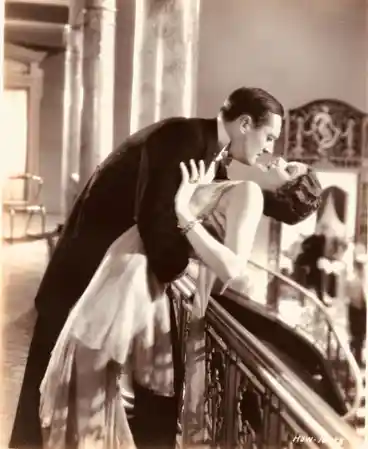
The ship itself is almost a character, isn't it? Those art deco sets are just gorgeous. You can practically smell the polished brass and fancy wood. It’s all very grand, even when bad stuff is happening. The camera really takes its time showing off the corridors and grand staircases. It’s all very much part of the atmosphere.
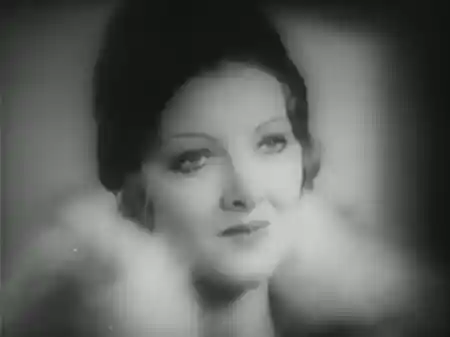
We meet a few folks right away. There’s Edmund Lowe, playing a sort of slick, maybe-good-maybe-bad guy, Gene Graham. He just kinda appears and starts charming everyone. Myrna Loy is around too, as the sophisticated, slightly mysterious Kay. She doesn't have a ton of lines, but every time she's on screen, you feel her presence. Her eyes do a lot of talking.
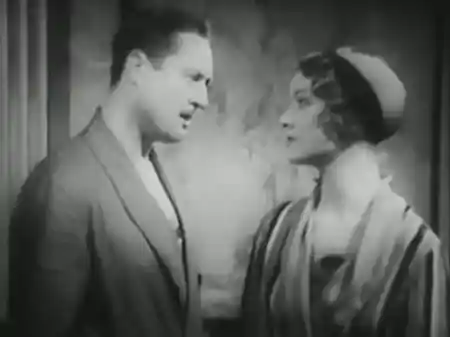
The plot, such as it is, really kicks in when a guy gets murdered. Right there, on the ship. And it’s a shock. The whole "who did it" thing starts, but it's not a fast-paced mystery. It's more about how everyone reacts. The captain, played by Jean Hersholt, tries to keep a lid on things. He's got this weary look about him, like he’s seen this kind of stuff before, but still hates it. You feel for him.
There's a scene where Graham (Lowe) is just walking the deck, looking out at the ocean, and the camera just holds on him. For quite a while. You expect something profound, but it's just... a guy looking at the sea. It's a bit odd. Like the director forgot to yell "cut." 🌊
The "monetary issues" part feels a bit vague at times. It’s like everyone's worried about money, but the actual stakes are sometimes hard to pin down beyond the initial theft. You can almost feel the movie trying to convince you this moment matters. But then it moves on.
Some of the dialogue is really snappy for its age. Other times, it's a bit clunky. You get these long, unbroken takes of people talking, which is typical for early sound films. It gives it a very theatrical feel, like you're watching a play, just on a boat.
There's this whole thing with a secret safe, and a couple of characters really trying to get into it. The close-ups on their faces, all sweaty and intense, are pretty effective. It makes you lean in. The tension in those moments is surprisingly palpable, even if the acting is a little over the top by today's standards. Nobody ever just opens a safe in these movies, do they? It's always a struggle.
The ending kinda just… happens. It wraps up, but not with a huge bang. More of a quiet sigh. It feels less about solving the crime and more about the journey these folks went through. You're left thinking about the different characters, not just who the bad guy was.

One tiny detail: the ship’s band plays in the background of a few scenes. It’s a nice touch, giving a sense of the normalcy that’s being disrupted. Like, life goes on, even when someone's been murdered. And the music is just... so 1930s. 🎷
Overall, it’s not a masterpiece, but it's got its moments. It’s a good example of how early cinema tried to do suspense. Not perfect, not slick, but definitely earnest. You can feel the effort.
IMDb —
1930
Community
Log in to comment.