DbcultAccessing Vault...
Cult Review
Senior Film Conservator
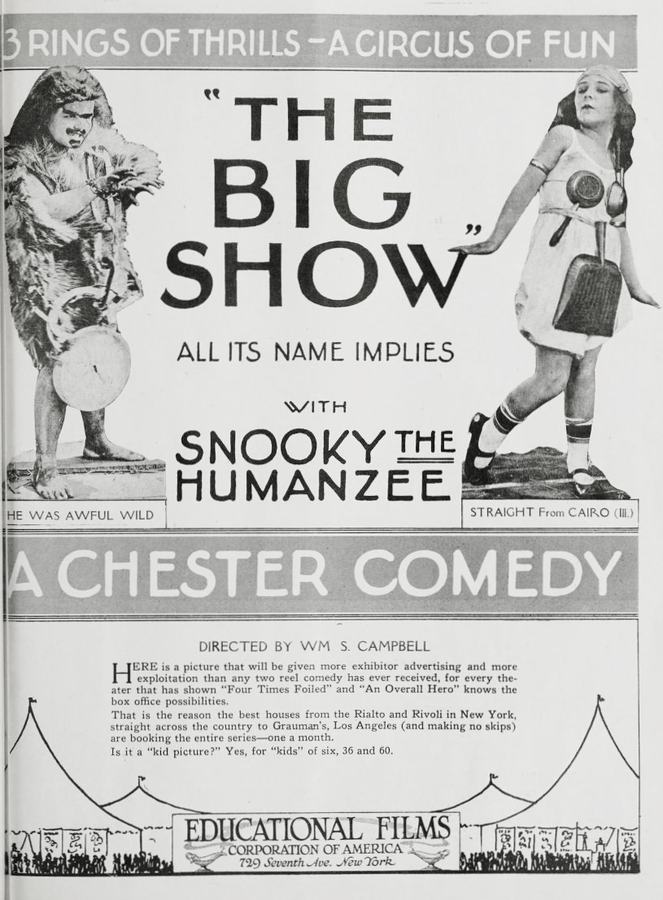
The premise of The Big Show is deceptively simple: a group of children, led by the earnest Arthur Nowell and the irrepressible Snooky, decide to stage an imitation circus in their own backyard. Yet within that simplicity lies a complex tapestry of nostalgia, community dynamics, and the pure, unfiltered joy of creation. The film’s narrative unfurls like a child’s sketchbook, each page a fresh burst of colour, each line a daring leap of imagination. As the youngsters drape tattered sheets over garden chairs to fashion a tent, the audience is invited to remember the first time they ever turned a mundane space into a stage for their own fantasies.
What distinguishes this film from other coming‑of‑age stories is its commitment to visual authenticity. The camera lingers on the texture of the grass, the rustle of leaves, the way sunlight filters through a makeshift canvas, creating a chiaroscuro that feels both intimate and theatrical. The backyard becomes a liminal zone where reality and performance blur, echoing the thematic concerns of classic works like East Is East, where cultural boundaries are both contested and celebrated through the act of performance.
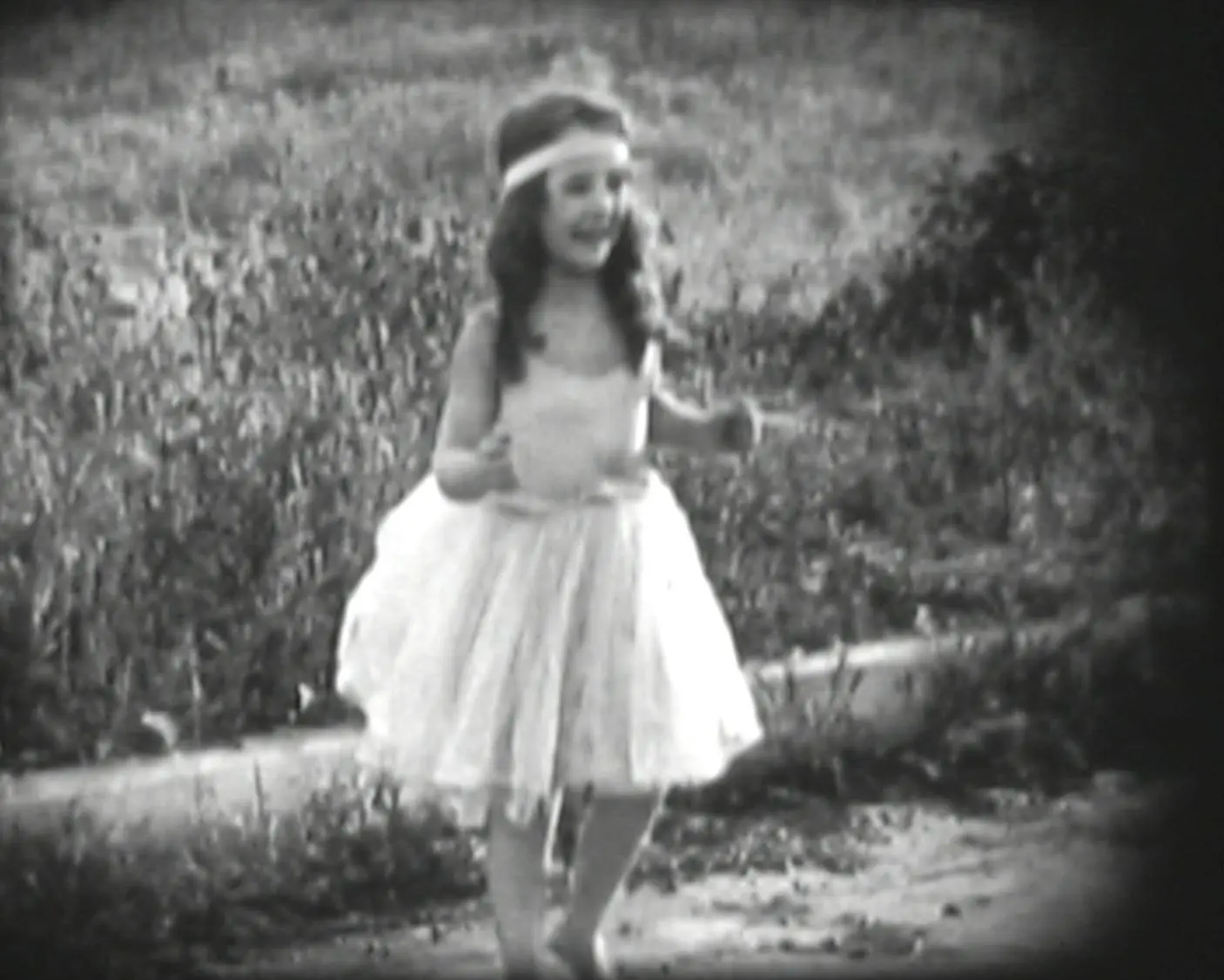
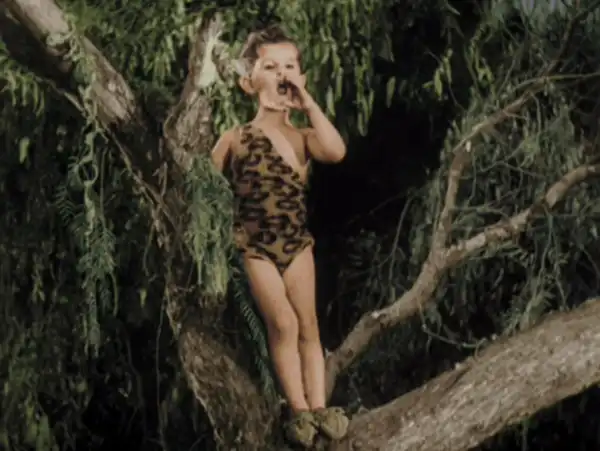
Arthur Nowell, portrayed with a quiet intensity, embodies the archetype of the earnest leader. His determination to choreograph a tight‑rope act using a garden hose is a masterstroke of childlike ingenuity, and his earnestness never slides into melodrama. Snooky, on the other hand, provides the film’s comic counter‑balance. With a mischievous grin and a propensity for improvisation, she transforms a broken bicycle into a unicycle act that, while precarious, elicits genuine laughter from both the on‑screen audience and viewers at home.
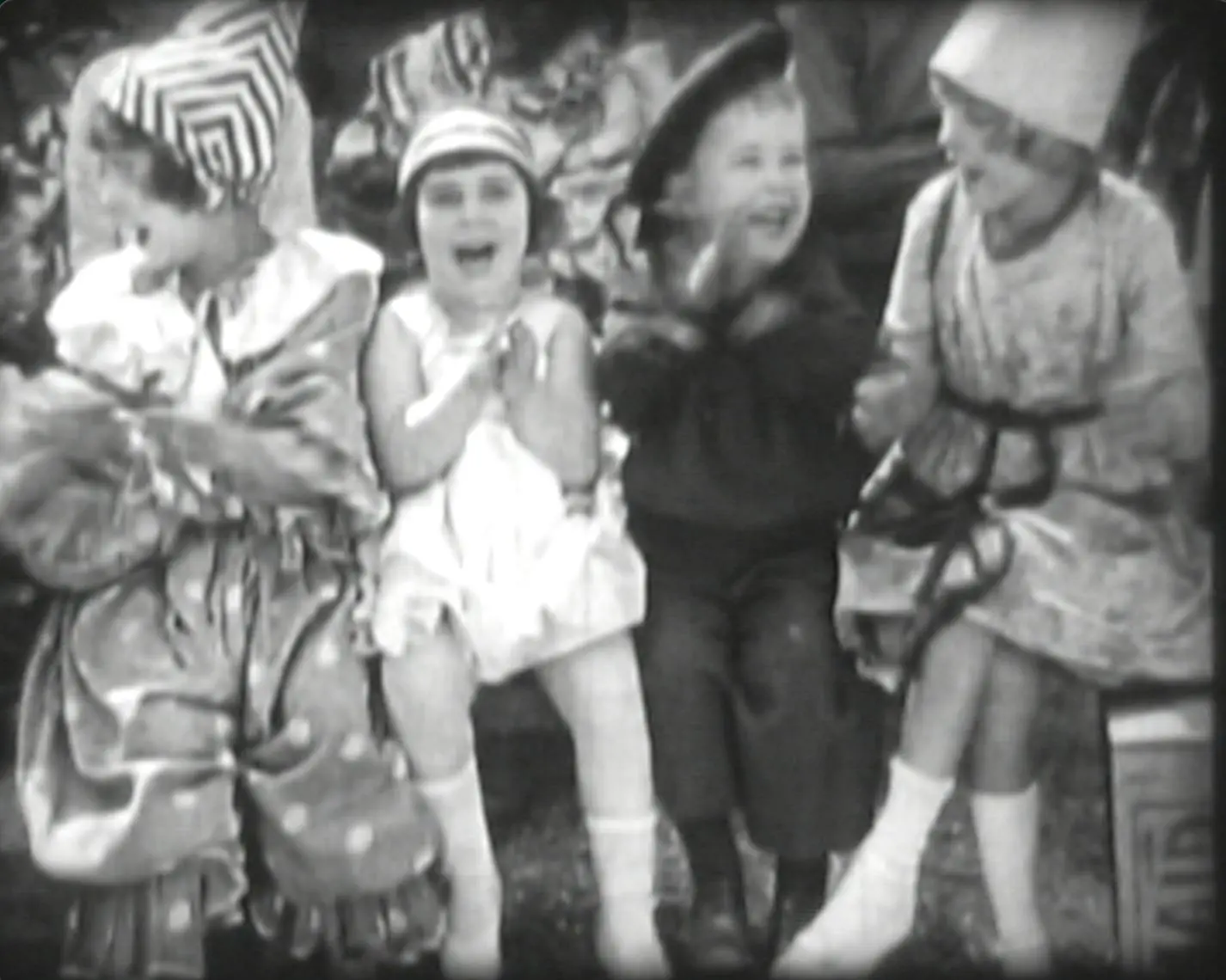
Ida Mae McKenzie’s role as the self‑appointed clown is a study in resourcefulness. She concocts a face‑paint palette from garden soil, crushed berries, and a dash of chalk, turning each brushstroke into a visual metaphor for the messiness of growing up. Her performance, though seemingly whimsical, carries an undercurrent of vulnerability that resonates with the emotional stakes of the film. When she trips over a garden gnome during a slapstick routine, the moment is not merely comic relief; it is a poignant reminder of the thin line between triumph and failure that children navigate daily.
The film’s visual language is a kaleidoscope of muted earth tones punctuated by bursts of the three signature hues—dark orange (#C2410C), yellow (#EAB308), and sea blue (#0E7490). These colors are not merely decorative; they serve as emotional signposts. Dark orange appears during moments of resolve—Arthur tightening the rope, Snooky rehearsing her unicycle—signifying determination. Yellow glows in the twilight scenes, bathing the makeshift ring in a warm, nostalgic light that evokes the golden hour of childhood memories. Sea blue surfaces in the background sky, a reminder of the limitless possibilities that stretch beyond the confines of the backyard.
The sound design merits particular praise. The ambient chorus of cicadas, distant traffic, and the occasional bark of a neighbor’s dog creates a soundscape that feels lived‑in. When the children perform, the clatter of improvised props—tin cans, wooden spoons, a squeaky rubber ball—becomes a percussive symphony that underscores the film’s theme of making art from the ordinary. The score, a minimalist piano motif interwoven with a subtle accordion, subtly nods to classic circus music while maintaining an intimate, home‑grown feel.
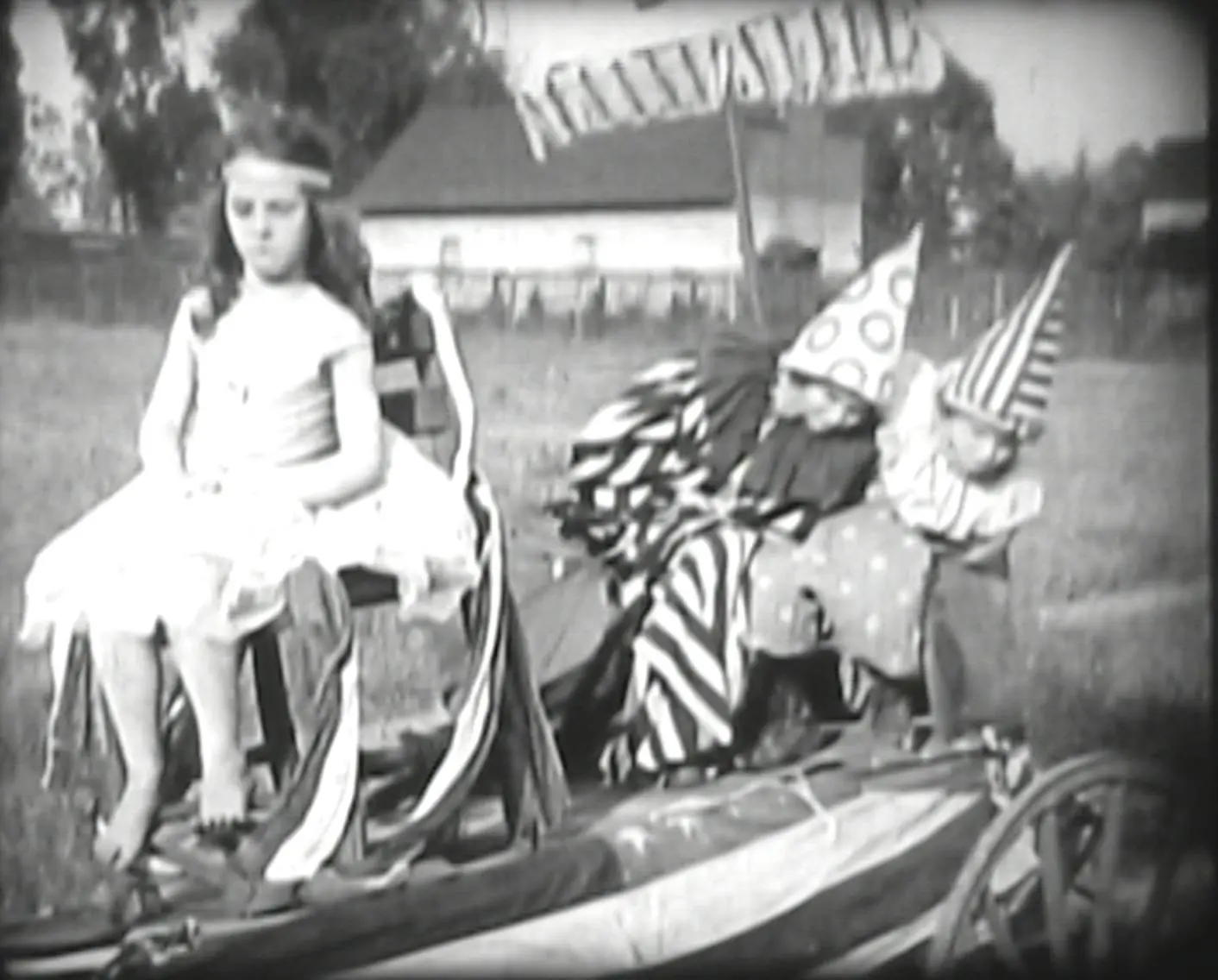
The screenplay, though lacking a credited writer in the source material, displays a deft hand at pacing. The film oscillates between the frenetic preparation of the circus and quieter, reflective interludes where the children confront personal doubts. This ebb and flow mirrors the structure of a traditional circus program—opening act, intermission, climax—yet it is grounded in the authenticity of childhood rhythms. The interludes, where Arthur sits alone on the swing contemplating the rope’s tension, echo the introspective beats found in Martin Eden, where the protagonist grapples with ambition versus authenticity.
One could argue that the film’s climax—when the children finally unveil their performance to an unsuspecting neighborhood audience—risks feeling contrived. However, the director sidesteps this by focusing on the raw, unpolished nature of the acts. The high‑wire act, for instance, is not a flawless display; the rope wobbles, Arthur’s foot slips, yet the crowd erupts in applause, not for perfection, but for courage. This choice reinforces the film’s central thesis: art’s value lies not in technical mastery but in the sincerity of its expression.
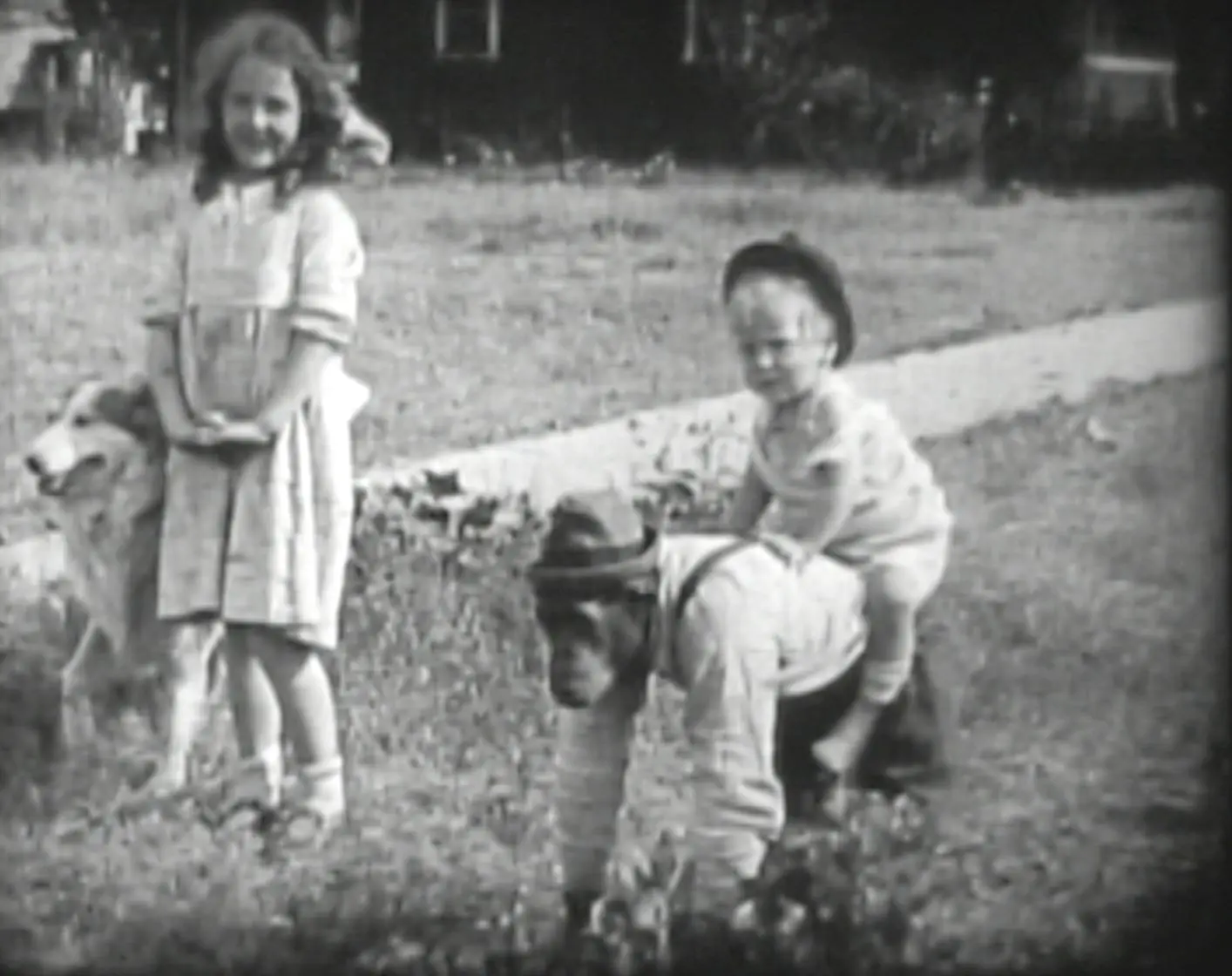
At its core, The Big Show is a meditation on the transformative power of play. The backyard, a space traditionally associated with routine chores and idle boredom, becomes a crucible for collective imagination. The children’s collaborative effort reflects a micro‑society where roles are fluid—Arthur’s leadership, Snooky’s spontaneity, Ida Mae’s humor—mirroring the dynamics of a real circus troupe.
The film also subtly critiques adult complacency. The parents, initially skeptical, gradually become participants, offering snacks, adjusting lighting, and even joining the applause. Their evolution from detached observers to engaged supporters underscores a broader societal message: when adults nurture, rather than stifle, youthful creativity, communities flourish. This theme resonates with the narrative of The Girl from the Marsh Croft, where intergenerational empathy bridges gaps.
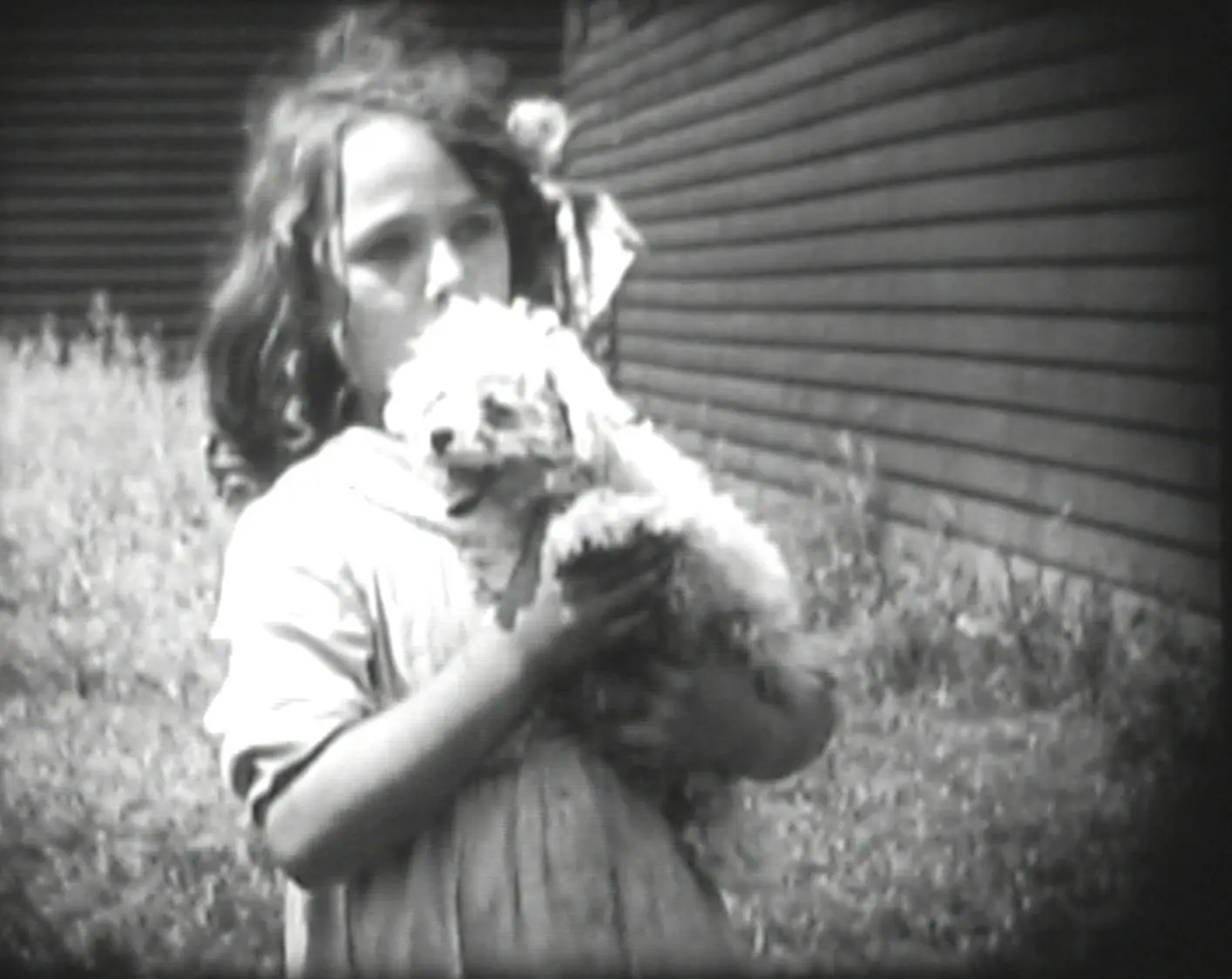
When placed alongside other films that explore the intersection of youthful imagination and societal structures—such as Tongues of Flame or Little Lady Eileen—The Big Show distinguishes itself through its unwavering focus on the micro‑cosmic world of a single backyard. While Tongues of Flame tackles broader political upheaval, and Little Lady Eileen delves into personal tragedy, The Big Show opts for an intimate, almost tactile exploration of joy, making its impact both immediate and lingering.
The film’s modest scale does not diminish its artistic ambition. In fact, the constraint of a single location amplifies the director’s inventive use of space, reminiscent of the claustrophobic brilliance seen in The Streets of Illusion. The careful choreography of each act, the deliberate framing of lantern light against the night sky, and the seamless integration of diegetic sound all contribute to a cohesive aesthetic that feels both handcrafted and cinematic.
Beyond its immediate entertainment value, The Big Show offers a template for educators and community organizers seeking to harness the power of play in real‑world settings. Its depiction of children negotiating roles, solving logistical challenges, and ultimately delivering a performance that resonates with adults provides a case study in experiential learning. The film’s emphasis on collaboration over competition aligns with contemporary pedagogical trends that prioritize social‑emotional development.
The film’s resonance is likely to endure, especially as it captures a timeless aspect of human experience: the yearning to create spectacle from the ordinary. In an era dominated by digital media, the analog charm of a backyard circus—a tangible, tactile experience—serves as a nostalgic antidote, reminding viewers of the simple pleasures that lie just beyond the front gate.
Rating: ★★★★☆ (4 out of 5)
The film succeeds in weaving together visual poetry, heartfelt performances, and a resonant thematic core. While it occasionally flirts with sentimentality—particularly in the closing montage where lanterns float like fireflies—these moments feel earned rather than manipulative. The lack of a credited screenwriter does not detract from the screenplay’s evident craftsmanship; instead, it highlights the collaborative spirit that mirrors the film’s narrative. For audiences craving a sincere, artful reflection on childhood’s boundless potential, The Big Show delivers a compelling, unforgettable experience.
In sum, the film stands as a testament to the magic that can arise when imagination is given room to breathe, even if that room is just a patch of grass behind a suburban home. It invites viewers to recall their own backyard performances, to cherish the moments when the world seemed as simple as a rope, a hat, and a handful of friends ready to share the spotlight.
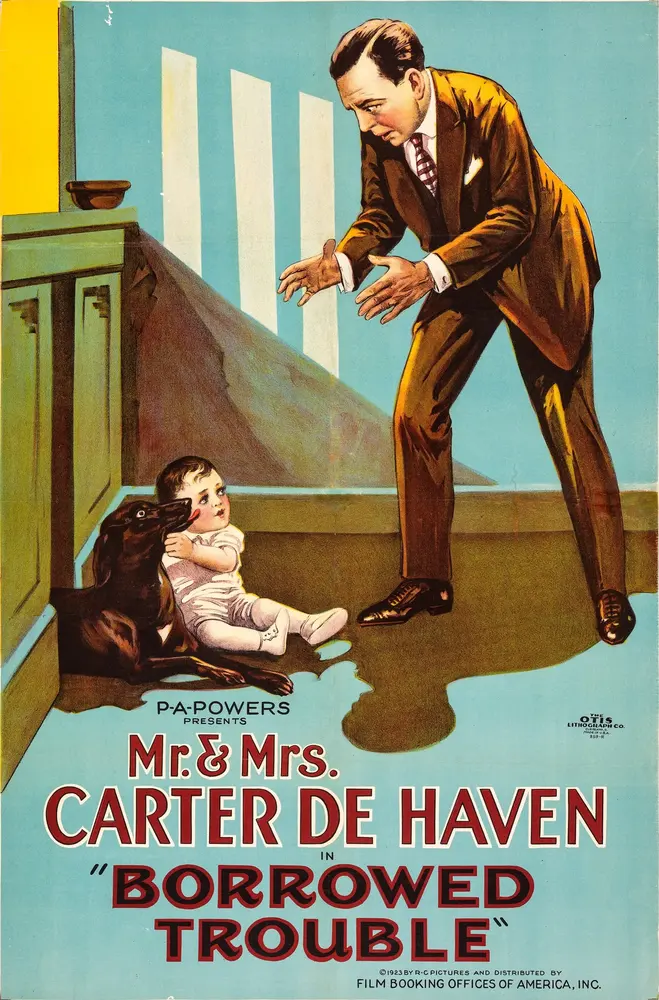
IMDb —
1923
Community
Log in to comment.