DbcultAccessing Vault...
5.4/10
Senior Film Conservator
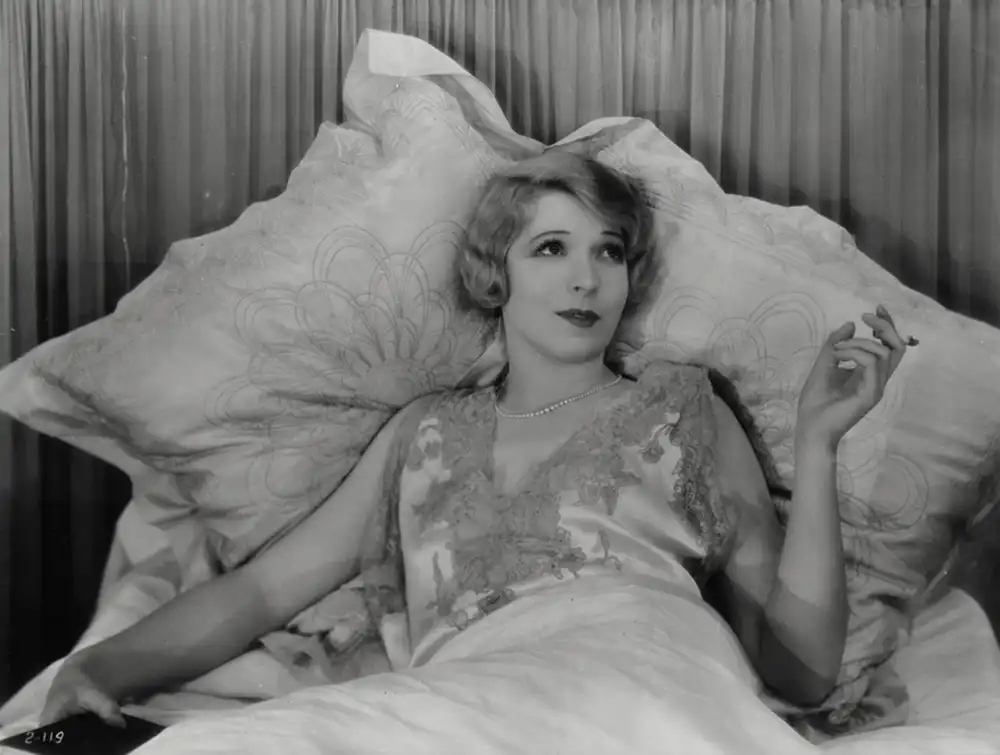
A definitive 5.4/10 rating for a film that redefined the boundaries of cult cinema. The Awful Truth remains a cornerstone of transgressive art.
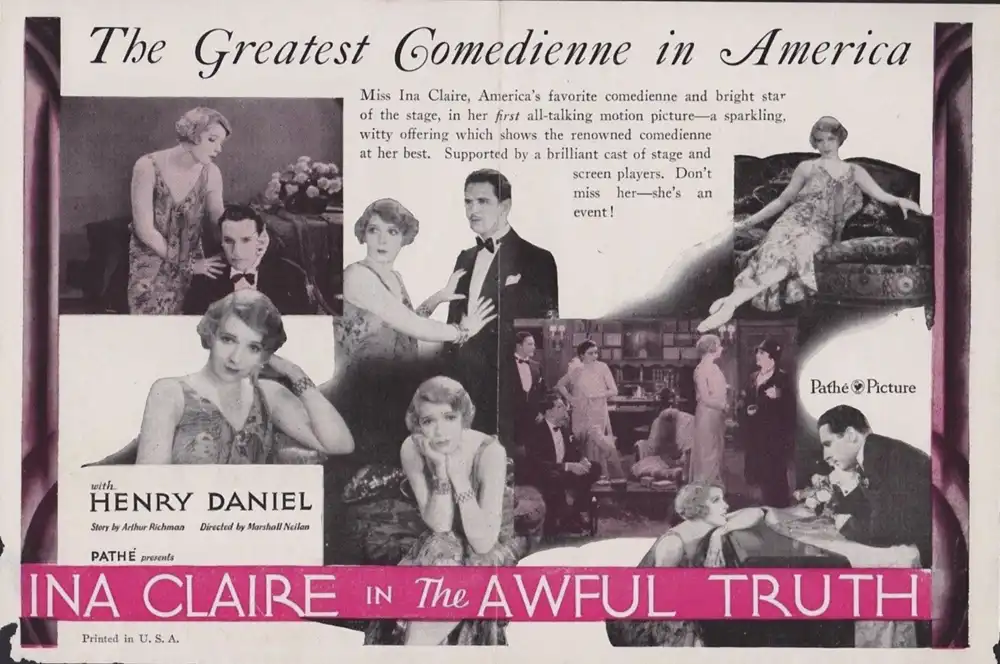
Alright, so 'The Awful Truth' from 1929. Yes, that one, not the snappy, famous screwball comedy with Cary Grant and Irene Dunne. And honestly? If you're even a little curious about how movies learned to talk, how those early sound pictures felt, this is a pretty neat peek. It's definitely for the patient, for classic film buffs, or anyone fascinated by cinema's growing pains; if you're looking for modern pacing or slick dialogue, you'll probably find it a bit of a slog.
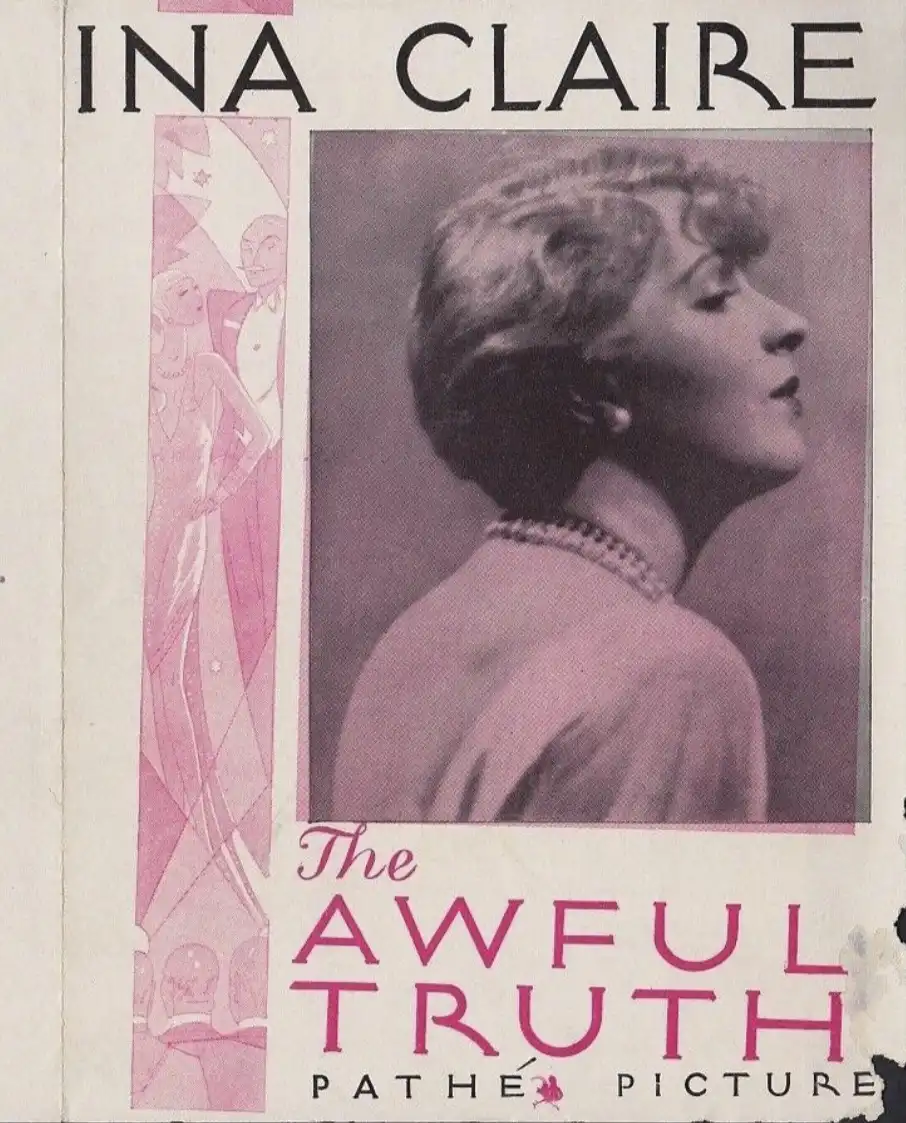
Ina Claire, who plays Lucy Warriner, is really the main event here. She was a huge Broadway star, known for her wit and presence, and you can absolutely tell. There's this _regal_ air about her, even when she's supposed to be distressed. You almost feel her stage training coming through every line delivery. Her voice is clear and precise, which, for 1929, is actually quite a feat given the microphones they were working with.
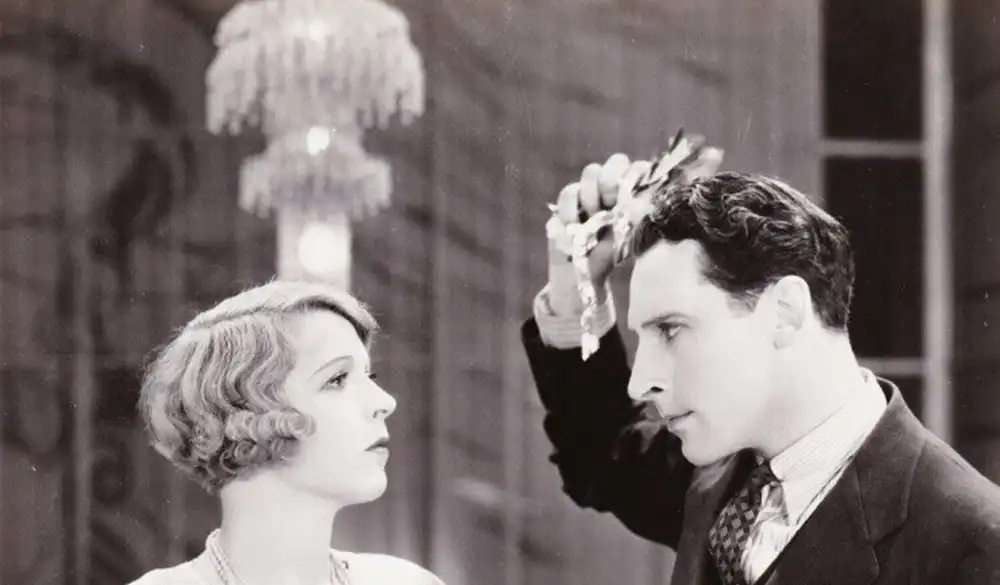
But sometimes, that stage presence translates to something a little… stiff on screen. You can almost _feel_ the director telling her to 'hit her marks' and 'don't move too much' because those early sound cameras were pretty much bolted to the floor. There's a lot of talking head shots, which is understandable, but it does mean the energy sometimes drops a bit, you know?
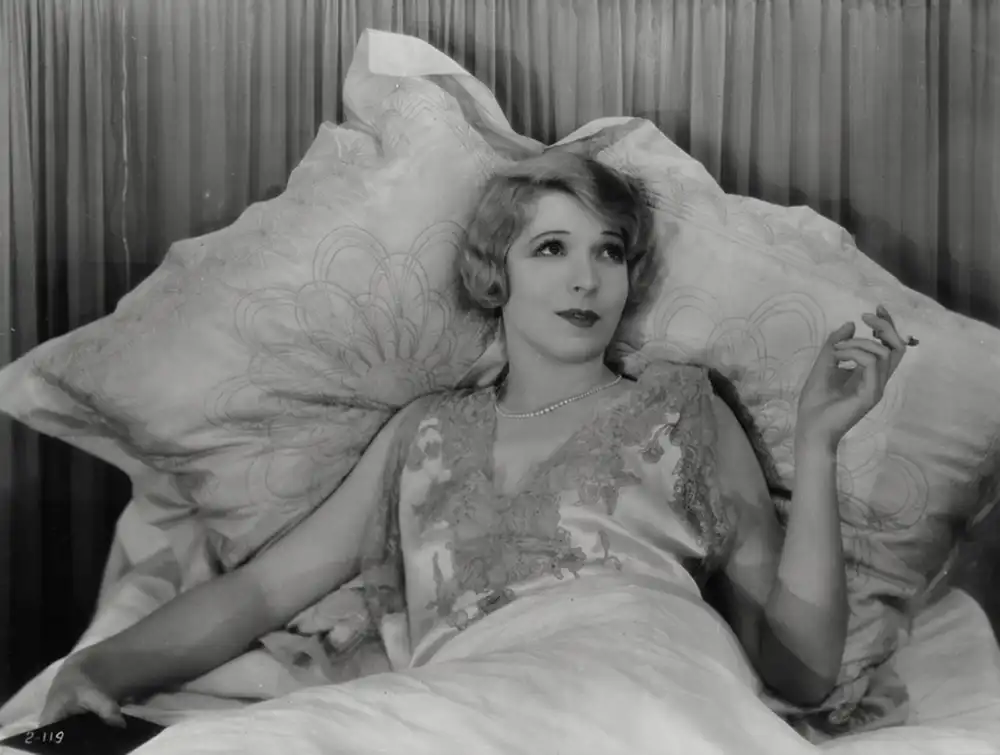
The story itself is classic 'marital misunderstanding' stuff. Lucy and Norman Warriner (Paul Harvey) are getting a divorce, but of course, neither one really wants it. Enter jealous ex-lovers and various complications. It’s not exactly groundbreaking, but it has a certain charm.
Henry Daniell, as the oily, overly smooth suitor, really gets under your skin, even in these early days. He's got that sneering look down pat already. You just want to push him off screen every time he appears. It’s a good contrast to Paul Harvey's more earnest, if a bit clueless, Norman.
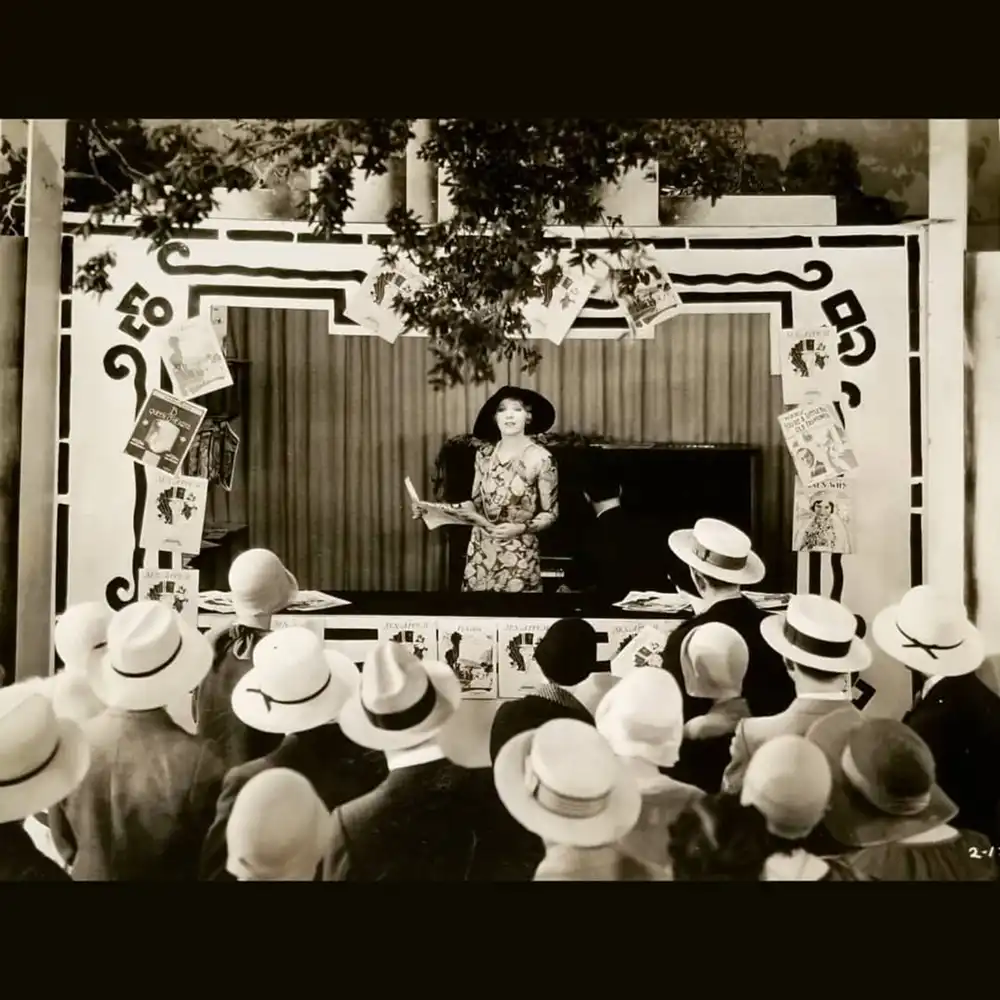
One moment that stuck with me is how they handle the idea of the 'truth.' It’s less about some grand, dramatic reveal and more about little, everyday 'truths' that get twisted. The way Lucy subtly manipulates situations, or Norman’s clumsy attempts to prove himself. It’s all very human, even if the acting styles feel a bit alien now. 🤷♀️
The ending feels a little abrupt, like they suddenly realized they were running out of film or something. It doesn't quite land with the satisfying 'aha!' you might expect from a comedy of errors. It just sort of… resolves. Still, for a movie made when sound was still a novelty, it does a pretty good job of keeping you engaged.
You can see the seeds of what would become the fast-talking screwball comedies that would explode a few years later. It's not there yet, but the witty dialogue, the battle of the sexes, it's all starting to simmer. It's a fascinating snapshot of a pivotal moment in cinema, even if it sometimes feels like a play that just happened to be filmed.
If you're ever in the mood to truly appreciate how far movies have come, or if you just want to see a stage legend making her early sound film mark, give The Awful Truth (1929) a shot. Just remember, it's a marathon, not a sprint. And maybe grab some popcorn, the kind that makes a bit of noise, to fill the occasional quiet gaps.
IMDb 4.8
1929
Community
Log in to comment.