DbcultAccessing Vault...
5.2/10
Senior Film Conservator
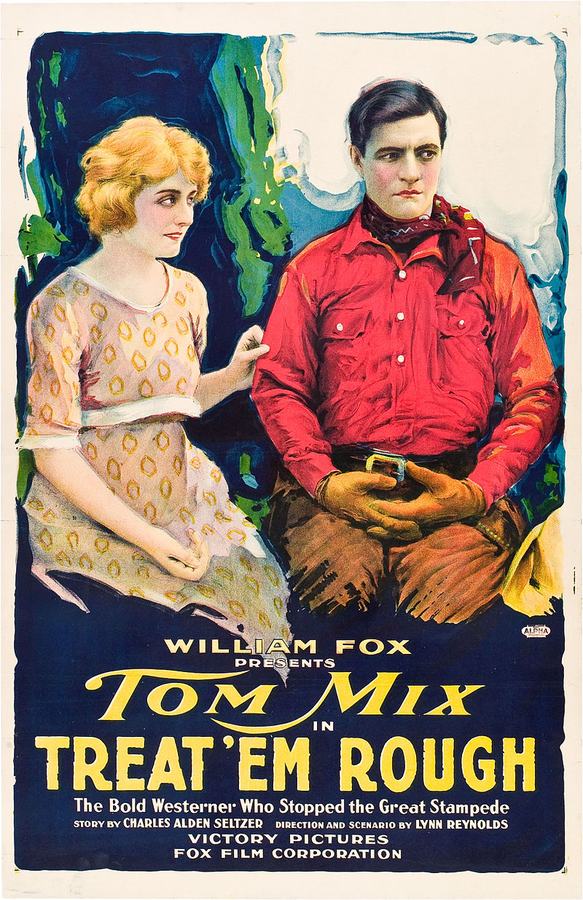
A definitive 5.2/10 rating for a film that redefined the boundaries of cult cinema. Treat 'Em Rough remains a cornerstone of transgressive art.
In the annals of early cinematic history, particularly within the burgeoning genre of the Western, certain figures tower like the majestic mesas of the American frontier they so often depicted. Tom Mix, without a shadow of a doubt, is one such icon. His name became synonymous with daring horsemanship, impeccable cowboy attire, and a brand of rugged heroism that captivated audiences worldwide. To revisit a film like Treat 'Em Rough, released in 1919, is not merely to observe a silent picture; it is to engage with a foundational text of Hollywood myth-making, a vibrant snapshot of a bygone era where the silver screen was still finding its voice, yet spoke volumes through action, expression, and the sheer charisma of its stars.
At its heart, Treat 'Em Rough unfurls a narrative steeped in the classic Western tropes that would define the genre for decades to come: cattle rustling, a hero's quest for justice, a damsel in distress, and a villain whose duplicity knows no bounds. The plot, penned by Charles Alden Seltzer and Lynn Reynolds, is deceptively simple yet weaves a surprisingly intricate web of misunderstanding and betrayal. John Stafford, a rancher beleaguered by persistent thefts of his livestock, makes the astute decision to enlist Ned Ferguson (portrayed with effortless charm and athletic prowess by Tom Mix), a cowboy whose reputation for skill and courage is legendary. This premise immediately sets the stage for a quintessential hero's journey, albeit one fraught with unexpected personal complications.
The journey to Stafford's ranch is anything but straightforward for Ned. A venomous encounter with a rattlesnake — a potent symbol of the untamed wilderness and ever-present danger – incapacitates our hero. This incident, rather than being a mere plot device, serves as a crucial turning point, introducing Mary Radford (the luminous Jane Novak) into Ned's orbit. Mary, a woman of intellect and ambition, is engrossed in the creation of her own Western novel, a meta-narrative layer that adds a fascinating dimension to the film. Her role as Ned's nurse establishes an immediate, intimate connection, fostering a bond that transcends the typical hero-saves-girl dynamic. It's a relationship built on vulnerability and care, setting it apart from the more superficial romantic entanglements often seen in contemporary action films like The Explorer, where adventure often overshadows emotional depth.
However, this budding affection does not go unnoticed. Dave Leviatt (the menacing Val Paul), Stafford's foreman, harbors a possessive desire for Mary. His jealousy, a destructive force, becomes the catalyst for the film's central conflict. Leviatt, a master of manipulation, skillfully poisons Stafford's mind, convincing him that Mary's brother, Ben, is the mastermind behind the cattle rustling. This act of calumny is further compounded by Leviatt's heinous crime: he shoots Ben in the back, ensuring that Ben mistakenly attributes the treacherous act to Ned. The immediate fallout is devastating: Mary, convinced of Ned's culpability, recoils from him, her trust shattered, her perception of her 'hero' irrevocably tainted. It's a classic case of mistaken identity and insidious manipulation, a dramatic engine that drives the narrative forward with considerable tension.
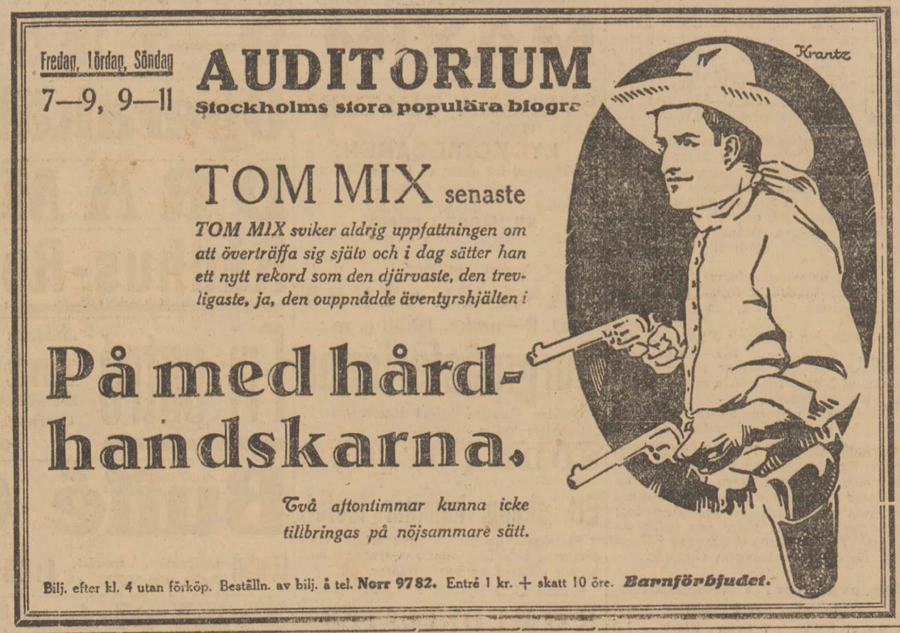
Tom Mix's portrayal of Ned Ferguson is a study in stoic determination. Despite being unjustly accused and spurned by the woman he cares for, Ned remains steadfast in his pursuit of justice. This unwavering resolve is a hallmark of Mix's screen persona, distinguishing him from the more conflicted protagonists sometimes seen in melodramas like The Price of Silence (1917). The film's action sequences, a crucial component of any Tom Mix vehicle, are expertly choreographed, showcasing his legendary horsemanship and daring stunts. A pivotal moment, both visually spectacular and narratively significant, involves Ned rescuing Mary from a terrifying cattle stampede. This sequence, undoubtedly a technical marvel for its time, highlights Mix's physical prowess and commitment to authentic action. Yet, even this act of undeniable heroism fails to immediately sway Mary, illustrating the depth of her conviction in Ned's supposed guilt – a testament to the power of Leviatt's deception.
The dramatic tension builds steadily, fueled by the audience's knowledge of the truth and our protagonist's struggle against overwhelming odds. The performance of Val Paul as Dave Leviatt is particularly noteworthy. He embodies the sneering, treacherous villain with a chilling effectiveness that makes his eventual comeuppance all the more satisfying. Leviatt's capture and subsequent confession serve as the narrative's cathartic release, unraveling the intricate tapestry of lies and revealing the unvarnished truth. It is only then that Mary's eyes are truly opened, allowing her to reconcile her literary ideal of a hero with the genuine article standing before her. The resolution, while predictable by today's standards, is immensely gratifying, affirming the triumph of good over evil and the restoration of justice.
Treat 'Em Rough is more than just a thrilling Western; it's a significant artifact in the evolution of cinema. Tom Mix, often credited with defining the cowboy archetype for a generation, brought an unparalleled authenticity to his roles. His real-life experience as a rodeo star and cowboy lent a credibility to his on-screen stunts that few could match. Unlike some of the more theatrical performances of the era, Mix's physicality felt genuine, grounded. His interaction with his magnificent horse, Tony, was a character in itself, a bond that resonated deeply with audiences and became a recurring motif in his films. This tangible connection between man and beast, wilderness and civilization, underscored the profound appeal of the Western genre, a theme perhaps less explored in contemporary films focusing on urban dramas or abstract concepts.
Jane Novak, as Mary Radford, provides a strong counterpoint to Mix's rugged masculinity. Her character is not merely a passive object of affection but an aspiring writer, embodying a nascent independence for women in the frontier narrative. Her journey from literary idealization to the recognition of genuine heroism adds a layer of intellectual depth to what could have been a straightforward action flick. The supporting cast, including Charles Le Moyne and Jack Curtis, deliver solid performances that flesh out the world of the ranch and its inhabitants, contributing to the film's overall coherence and impact. The directorial choices, though often constrained by the technological limitations of the era, effectively build suspense and convey emotion through visual storytelling, a testament to the ingenuity of early filmmakers.
The cinematography of Treat 'Em Rough, while perhaps lacking the sweeping vistas of later Westerns, effectively captures the rugged beauty and inherent dangers of the Western landscape. The use of natural light, the dynamic framing of action sequences, and the subtle facial expressions of the actors (magnified by the absence of spoken dialogue) all contribute to a compelling visual experience. The film's pacing is brisk, a hallmark of silent action films that relied heavily on visual momentum to engage audiences. It avoids the slower, more contemplative rhythms of some European films of the era, such as La course du flambeau, opting instead for a direct, impactful narrative drive.
Thematic resonance in Treat 'Em Rough extends beyond mere good-versus-evil. It explores the fragility of perception, the corrosive nature of jealousy, and the enduring power of truth. The character of Mary, a writer, grappling with the discrepancy between her idealized fictional heroes and the messy reality of human nature, provides a subtle commentary on the very act of storytelling and myth-making that the Western genre so often engages in. This meta-textual layer elevates the film, making it more than just a simple adventure story. It speaks to the human desire for heroes, and the often-rocky path to recognizing them in the real world.
While silent films might seem distant to modern audiences accustomed to sound and elaborate special effects, Treat 'Em Rough retains a surprising vitality. Its narrative clarity, robust action, and compelling performances ensure its enduring appeal. It serves as a potent reminder of the foundational elements of storytelling that transcend technological advancements. The film's straightforward morality, where villains are clearly defined and heroes unequivocally righteous, offers a comforting escape into a world where justice, though sometimes delayed, is ultimately served. This clarity contrasts with the more ambiguous moral landscapes explored in later, more nuanced films, but for its era, it was precisely what audiences craved.
In conclusion, Treat 'Em Rough is a foundational piece of Western cinema, a testament to the star power of Tom Mix and the enduring allure of the frontier narrative. It's a film that, despite its age, continues to entertain and inform, offering valuable insights into the cinematic techniques and cultural values of its time. For enthusiasts of classic Hollywood, silent films, or simply a good old-fashioned tale of heroism and villainy, this picture is an absolute must-see. It's a vibrant echo from the past, reminding us that the spirit of adventure, the quest for justice, and the complexities of human relationships are truly timeless themes, capable of captivating audiences across generations, much like the majestic landscapes depicted in Glacier National Park continue to inspire awe.
IMDb —
1917
Community
Log in to comment.