DbcultAccessing Vault...
Cult Review
Senior Film Conservator
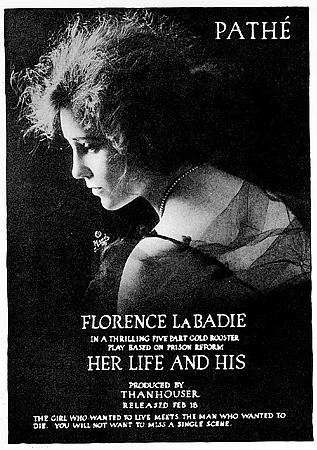
The flickering canvas of early cinema often served as a potent mirror to society's most entrenched inequities, and few films encapsulate this reflection with such poignancy and narrative ambition as Her Life and His (1916). This cinematic endeavor, penned by Philip Lonergan, plunges into the abyss of human desperation, only to emerge with a stirring testament to the transformative power of empathy and the unyielding pursuit of justice. It’s a narrative that, despite its vintage, resonates with an almost alarming contemporary relevance, challenging its audience to confront the systemic failures that often trap individuals in an inescapable cycle of poverty and punishment.
The film introduces us to Mary Murdock, portrayed with an earnest intensity by Ethyle Cooke, a woman pushed to the precipice by the cruelties of circumstance. Her choice isn't one of malice, but of stark survival: the merciless streets or the desperate act of theft. This is not a tale of inherent criminality, but rather a searing indictment of a society that offers no safety net, no alternative for those teetering on the brink. When Mary is apprehended within the opulent confines of Robert Howard's residence, the stage is set for a moral crucible. Howard, initially inclined towards a compassionate understanding of her plight, finds his nascent empathy brutally suppressed by the insidious influence of his wife. This character, a masterclass in selfish indifference, embodies a particular brand of societal cruelty – not the overt malice of a villain, but the chilling apathy that allows injustice to flourish. Her insistence that the law run its full, unyielding course transforms Howard from a potential savior into an unwitting instrument of Mary's downfall. It’s a moment that defines the film’s early trajectory, highlighting how personal moral failings can have devastating, far-reaching consequences, echoing the thematic weight seen in other dramas of the era that explored societal judgment, such as A Question of Right.
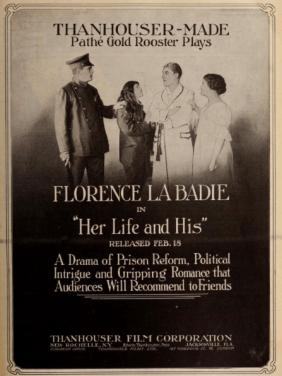
Mary's journey through the penal system is not merely a period of confinement but a societal branding, an indelible mark that renders her a pariah upon release. The film meticulously illustrates the brutal reality faced by ex-convicts: the doors of legitimate employment are slammed shut, the whispers of her past echoing louder than any plea for a second chance. This segment of the narrative serves as a powerful commentary on the punitive rather than rehabilitative nature of the justice system of the era, a theme that, regrettably, continues to provoke discourse even today. Mary's inability to secure work, a direct consequence of her prison record, fuels her quest for the two individuals she holds responsible for her profound predicament. Her initial motivation is not necessarily revenge, but a desperate yearning for recognition of the injustice she has suffered, a demand for accountability from those who wielded power over her fate. It's a poignant exploration of the human need for closure and the corrosive effect of societal ostracization, a stark reminder that punishment often extends far beyond the prison walls.
The narrative takes a profound turn when Mary locates Robert Howard (Arthur Bauer), not thriving in his privilege, but utterly broken. His cruel wife, the architect of Mary's misfortune, has abandoned him for another, leaving him in a state of profound despondency, contemplating the ultimate escape: suicide. This dramatic juxtaposition is where Her Life and His truly distinguishes itself. The woman who clung ferociously to life, despite every obstacle, confronts the man who, despite his wealth and societal standing, wishes to extinguish his own. It is a moment of exquisite irony and immense dramatic potential, beautifully exploited by Lonergan's screenplay. Mary, instead of seeking retribution, offers a proposition that is as audacious as it is visionary. She proposes a partnership: Howard's considerable fortune, now devoid of purpose, to be redirected towards a cause far greater than himself – the amelioration of prison conditions and the provision of genuine assistance to those with criminal records. Her half of the bargain is her invaluable, firsthand knowledge, her unique understanding of the system's flaws and the profound needs of its victims. This isn't merely a business arrangement; it's a spiritual pact, a fusion of two shattered souls finding purpose in collective redemption. The idea of using personal suffering to fuel systemic change is a powerful one, reminiscent of the social consciousness found in films like The Penitentes, which also delved into the moral complexities of justice and atonement.

Howard's acceptance of Mary's proposition marks the genesis of a truly transformative endeavor. The film, through its silent yet eloquent storytelling, depicts the blossoming of their joint venture. Their plan, rooted in Mary's practical wisdom and Howard's financial leverage, proves remarkably successful. They don't just tinker with the existing system; they fundamentally rethink it, injecting humanity and opportunity where only despair once resided. This success is not merely anecdotal; it is so profound and far-reaching that Howard is appointed warden of a major prison, a testament to the efficacy and progressive nature of their reforms. The narrative here becomes a celebration of what can be achieved when compassion is coupled with strategic action, when personal experience informs public policy. It highlights the often-overlooked truth that true societal advancement stems from understanding and addressing the root causes of problems, rather than simply applying superficial remedies. The film, in this sense, acts as a progressive manifesto, advocating for a more humane and effective approach to corrections, a theme that, while perhaps not central to its plot, finds resonance in other socially conscious films like The Prodigal Son, which often explored themes of moral rehabilitation.
Yet, the path of righteous reform is rarely smooth or unhindered, especially when it challenges entrenched power structures. The film expertly introduces its antagonist: a corrupt political ring whose interests are directly threatened by Howard and Mary's transparent and effective administration. Their success, sailing along too cleanly and effectively, becomes an affront to those who profit from the shadows and inefficiencies of the old system. The narrative shifts from a tale of personal redemption to a high-stakes battle against systemic corruption. The political ring initiates a insidious blackmail scheme against Howard, threatening to dismantle everything he and Mary have painstakingly built. This development elevates the stakes considerably, transforming the film into a thrilling drama of political intrigue and moral fortitude. It underscores the perpetual struggle between those who seek to uplift and those who seek to exploit, a timeless conflict that resonates deeply with audiences even today. The tension generated by this external threat showcases the vulnerability of even the most well-intentioned reforms when confronted by powerful, unscrupulous forces, a narrative device effectively used in films like V ognyakh shantazha (In the Fires of Blackmail), which similarly explored the destructive power of extortion.

It is at this critical juncture that Mary Murdock, no longer merely a survivor but a formidable strategist, truly shines. Her past experiences, her intimate knowledge of the underbelly of society, and her keen intellect coalesce into an almost prescient intuition. She senses the impending danger, the subtle machinations of the corrupt ring, and, more importantly, she perceives a viable path to Howard's vindication. The film masterfully portrays her transformation from a victim of circumstance into an active agent of her own destiny, and indeed, the destiny of the man she has grown to love. Her brains become her primary weapon, matching wits against the cunning political boss and his henchmen. This aspect of the film is particularly progressive for its time, showcasing a female protagonist who is not merely a love interest or a damsel in distress, but an intelligent, resourceful individual capable of outmaneuvering powerful male adversaries. It’s a powerful statement about female agency and intellectual prowess, anticipating the strong female leads seen in later films like The Woman Who Dared, which also championed women taking charge of their own narratives.
The climax of Her Life and His is a thrilling intellectual duel, a testament to Mary's strategic brilliance. She navigates the treacherous landscape of political corruption with an astute understanding of human nature and the mechanisms of power. The film, through its silent drama, effectively conveys the tension and the high stakes of her confrontation with the political boss. Her actions are not driven by rashness but by a calculated ingenuity, ultimately leading to the exposure and downfall of the corrupt forces. Howard’s name is cleared, his reputation not only restored but burnished by the crucible of adversity. But the true reward, the film suggests, is not just the vanquishing of evil or the restoration of order. For Mary, it is the profound, hard-won happiness that blossoms from her journey. It is the joy of finding purpose, of making a tangible difference, and of discovering love and partnership with a man who sees her not for her past, but for her extraordinary capabilities and indomitable spirit. This resolution is deeply satisfying, offering a powerful message that redemption is not just for the penitent, but also for those who champion justice and fight for a better world. The narrative arc, from utter despair to ultimate triumph and love, provides a cathartic release, solidifying the film’s status as a compelling human drama.
Reflecting on Her Life and His, one cannot help but be struck by its profound thematic depth and its surprisingly modern sensibilities. The film, despite its silent origins, speaks volumes about systemic injustice, the redemptive power of empathy, and the indomitable spirit of those who dare to challenge the status quo. Ethyle Cooke's portrayal of Mary Murdock is central to its success, imbuing the character with a quiet strength that evolves into formidable resolve. Arthur Bauer, as Robert Howard, delivers a nuanced performance that captures the arc from privileged indifference to shattered despair, and finally to purposeful action. The chemistry between the two leads, conveyed through subtle glances and gestures, is palpable, grounding the grand narrative in a deeply personal love story.
Philip Lonergan's screenplay is a masterclass in weaving together disparate threads of personal tragedy and societal critique into a cohesive and inspiring whole. It's a narrative that doesn't shy away from the harsh realities of its time but ultimately champions the possibility of change and the triumph of human spirit over adversity. The film’s message about prison reform and the second chances for ex-convicts was remarkably progressive for 1916, challenging prevailing punitive attitudes and advocating for rehabilitation. This progressive stance places it in conversation with other films that tackled social issues head-on, such as The Family Honor, which often explored the moral intricacies of societal expectations and individual integrity.
Beyond its social commentary, Her Life and His is also a compelling romantic drama, showcasing how love can blossom from the most unexpected circumstances and be forged in the fires of shared purpose. Mary and Howard's relationship is built not on superficial attraction but on mutual respect, shared ideals, and a common struggle against injustice. This depth of connection elevates their story beyond a simple romance, making it a powerful testament to partnership in both personal and professional spheres. The film’s lasting impact lies not just in its engaging plot or its powerful performances but in its enduring relevance. It reminds us that the fight for justice, for a more equitable society, is a continuous one, and that even in the face of overwhelming odds, the courage and intellect of individuals can indeed bring about profound change. It's a silent film that continues to speak loudly, reverberating with timeless truths about human resilience, the complexities of morality, and the enduring quest for a better world. It stands as a testament to early cinema's capacity for both entertainment and profound social commentary, a film that, much like its heroine, triumphs against the odds and leaves an indelible mark.
IMDb 6.5
1925
Community
Log in to comment.