DbcultAccessing Vault...
6.4/10
Senior Film Conservator
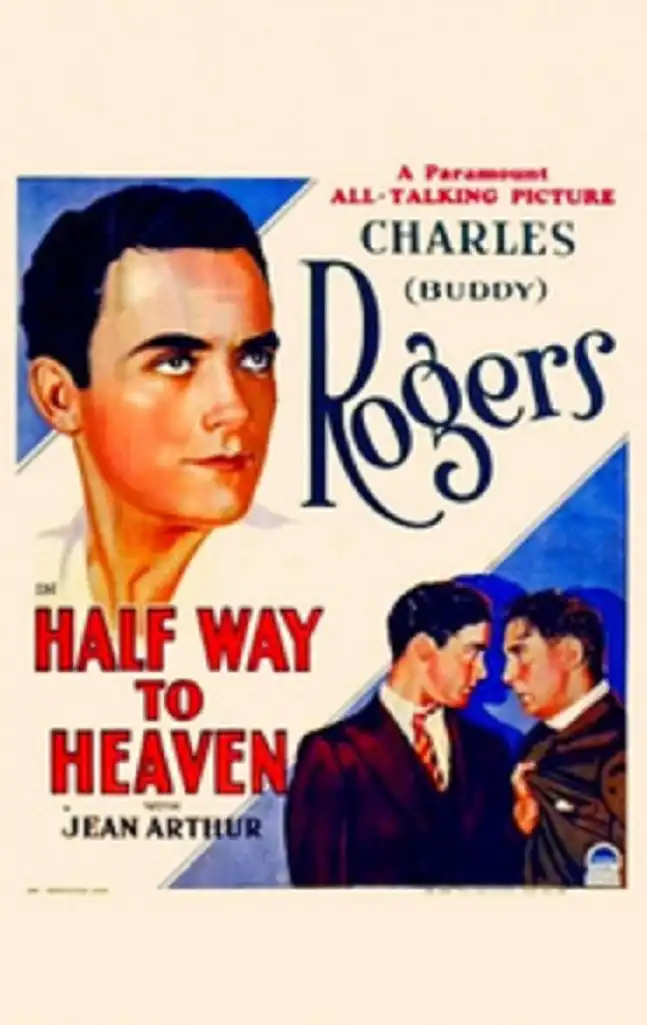
A definitive 6.4/10 rating for a film that redefined the boundaries of cult cinema. Half Way to Heaven remains a cornerstone of transgressive art.
Alright, so you're asking if Half Way to Heaven, a film from way back in 1929, is worth your time today? Well, if you're into those early talkies, especially the ones with a real dramatic flair and some circus tent melodrama, then maybe. This one’s got Jean Arthur, which is a big plus for some folks. But if you’re hoping for quick pacing or anything subtle, you might find yourself checking your watch.
It’s a circus story, right? We’re introduced to this trapeze trio. Nick, the 'swing' man, is obviously head over heels for Greta, who's the main attraction. But Greta, played by a very young Jean Arthur, she’s got eyes for Tony, the 'flyer.' It’s all very dramatic from the start, a real classic love triangle hanging literally in the air.
Then comes the big 'accident.' Tony falls. And you just know, even without a clear shot, that Nick *lets him fall*. The film doesn't really try to hide Nick's jealousy or his intention. It’s pretty clear from his face, honestly, a kind of dark satisfaction that makes your skin crawl a little. The whole sequence, the way it plays out with the early sound, it feels a bit stilted, sure, but the impact is there.
Greta, she sees it too. That moment when she looks at Nick, after Tony’s gone, you can feel her realize something terrible. It’s not said, not really, but her expression just *sells* it. That's good stuff for a movie from this era.
Enter Ned Lee, the new guy. He’s a novice, a bit green, but he’s got heart. And he's immediately thrown into this messy situation. Greta, she clings to him, not just because she's falling for him, but because he feels safe, a kind of shield against Nick. It’s a bit of a weird dynamic, protecting someone while also falling for them, but it works.
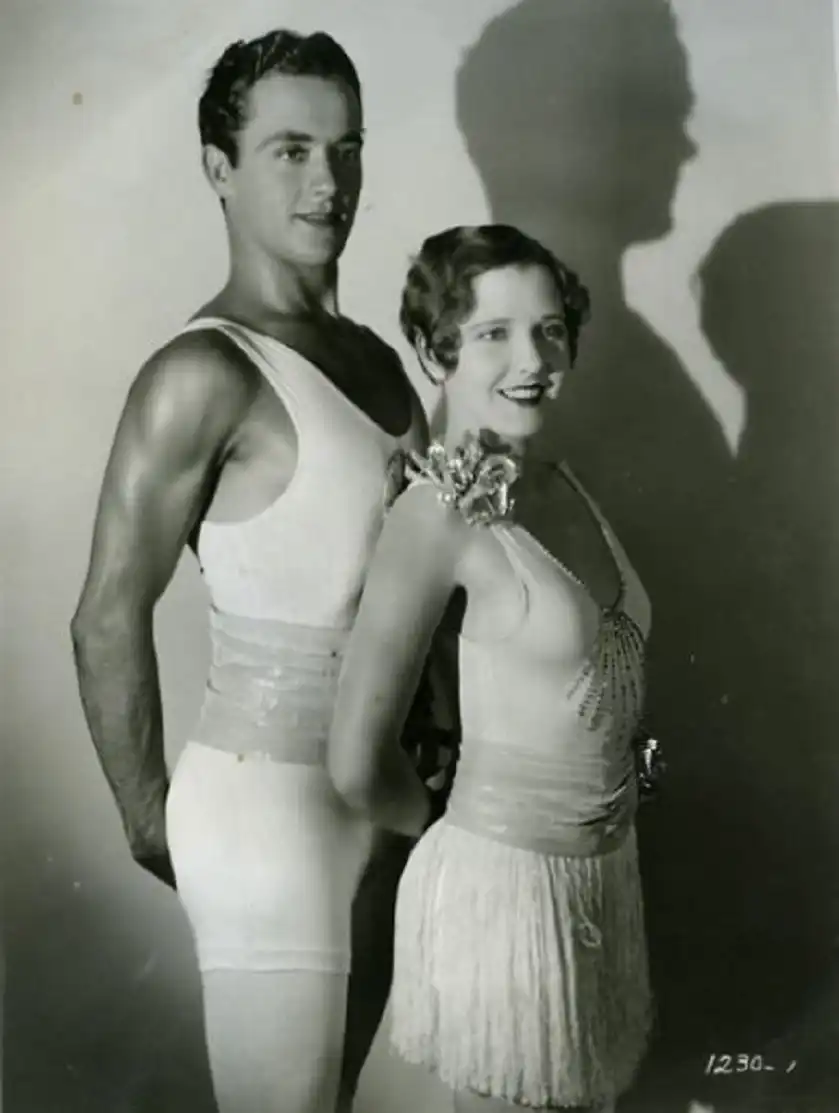
The film then builds to this second trapeze act, another big performance. You just know Nick is going to try something again. He’s got that look about him, almost like a cartoon villain, honestly. His movements, the way he sets up for the catch – it’s all just a bit *too* deliberate.
But Ned, he’s clever. Instead of just grabbing Nick's hands, he swings right past him. He then just hangs there by his feet. It's a quick, almost blink-and-you-miss-it move, but it completely throws Nick off. And it saves Ned, of course. A simple, effective bit of choreography that still holds up.
The fight after the show, well, that's exactly what you'd expect. A lot of shoving, a few solid punches. Nick gets what's coming to him, dismissed from the troupe. And Greta and Ned, they get their happy ending. It's all tied up rather neatly, perhaps a bit *too* neatly for modern tastes.
I found myself wondering about the crowd scenes sometimes. They feel sparse, like you can count the extras. But then again, it’s 1929, they probably didn't have huge budgets for that. The close-ups on Jean Arthur, though, those really help you connect with her dilemma. She's got this quiet intensity. And Paul Lukas as Nick, he really leans into the villainy, maybe a little *too* much at times, but it’s entertaining.
This film is a curious peek into early Hollywood, especially how they handled suspense and melodrama with the new challenges of sound. It’s certainly not perfect. The pacing drags in spots, and some of the dialogue feels like it belongs on a stage, not on screen. But for what it is, a dramatic circus tale with some real human stakes (and a very clear villain), it's a pretty compelling watch, especially if you appreciate the era.
IMDb —
1929
Community
Log in to comment.