The Drift and the Deterioration: A Portrait of Two Lives Entwined
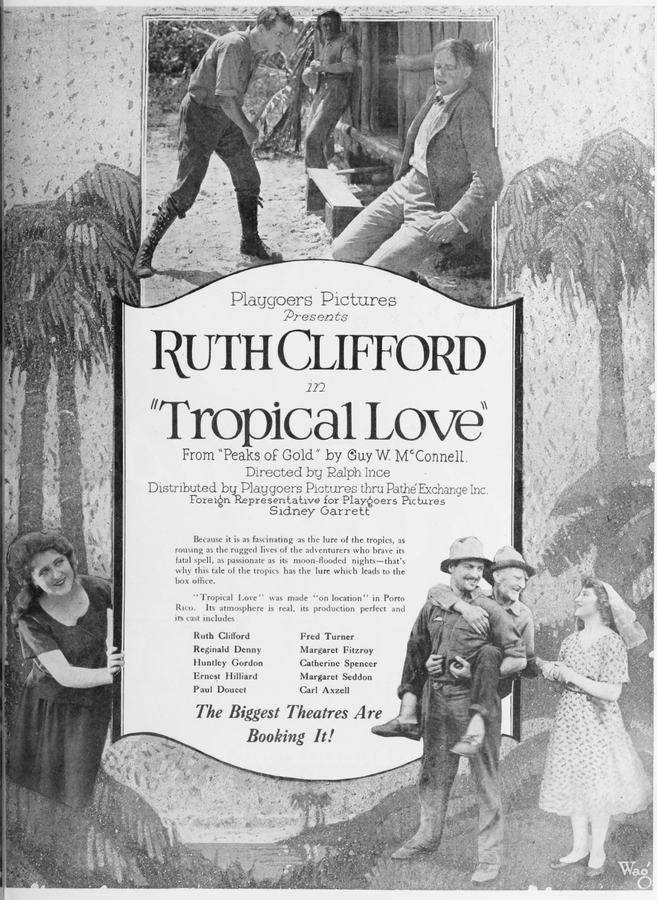
Tropical Love’s opening act is a masterclass in slow-burn tension. The Drifter, portrayed with a languid intensity by F.A. Turner, arrives in San Juan not as a tourist but as a man seeking solace from a life adrift. His entrance is unceremonious—a shadow against the heat of the coast—yet his presence hums with unspoken purpose. In contrast, The Seeker (Huntley Gordon) is a study in decay: a man whose mind, shattered by a tropical storm years prior, now wanders in loops of memory and delusion. Gordon’s performance is a marvel of physical theater, his twitching hands and vacant eyes painting a portrait of a soul eroded by grief. The two characters form an unlikely partnership, their dynamic oscillating between mentorship and exploitation. Turner’s Drifter is a pragmatist, offering The Seeker the illusion of direction, while Gordon’s tremulous vulnerability suggests a man perpetually on the edge of collapse.
Rosario: The Land, the Legacy, the Longest Silence
Enter Rosario, played with steely grace by Ruth Clifford. Her arrival is a jolt of clarity amid the haze of the film’s first act. Rosario is no passive figure; she is a woman of action, poised on the precipice of a life-altering decision. The land she owns—a plot of soil deeded to her by an unknown benefactor—is about to be sold to Clifford Fayne (Carl Axzelle), a character whose charm masks a predatory intent. Axzelle’s portrayal is a chilling blend of suavity and menace, his every smile a calculated maneuver. Yet it is Rosario’s ignorance of her lineage that propels the film into its emotional core. The revelation that she is The Seeker’s daughter is not a mere twist but a thematic anchor, bridging the chasm between past and present. The writers, Guy McConnell and Reginald Denny, craft her arc with a deftness that avoids cliché, allowing her to embody resilience without sacrificing emotional nuance.
The Storm’s Echo: Metaphor and Memory
The tropical storm that haunts The Seeker’s psyche is more than a catalyst for his madness; it is a recurring motif that shapes the film’s aesthetic and narrative DNA. Director F.A. Turner uses the storm as both a literal and symbolic force, its memory seeping into the landscape like a ghost. When The Seeker claims gold is buried in Rosario’s land, the audience is left to wonder whether this is delusion or the storm’s final, cruel joke. The storm also mirrors the film’s structure—unpredictable, destructive, yet ultimately generative. In a lesser film, the storm might have been a mere plot device, but here it becomes a character, its absence felt as keenly as its presence.
Clifford Fayne’s Machinations: A Study in Moral Ambiguity
Axzelle’s Clifford Fayne is a standout antagonist, his schemes executed with a quiet precision that contrasts sharply with the film’s sun-scorched visuals. His cabin, a place of supposed refuge, becomes a stage for psychological warfare. The scene where Fayne lures Rosario into signing the bill of sale is a masterstroke of tension, its pacing deliberate and its stakes suffocating. Axzelle’s performance is understated yet seething with menace, his dialogue laced with a politeness that belies his true intentions. What elevates this sequence is its thematic weight: Fayne’s greed mirrors The Seeker’s lost home, both men defined by their inability to let go. The resolution—where The Drifter and The Seeker intervene—feels less like a triumph and more like a tragic necessity, underscored by the cost of The Seeker’s final moments.
The Seeker’s Redemption: A Bittersweet Epiphany
The film’s climax is a poignant study in emotional economy. As The Seeker lies mortally wounded, his eyes finally settle on Rosario, the daughter he abandoned. The writers resist melodrama, letting the recognition play out in a hush of gestures—a trembling hand, a tear, a whisper. Gordon’s performance here is transcendent, his voice cracking with the weight of decades of regret. The Seeker’s death is not a spectacle but a quiet reckoning, his final words a balm for a life fractured by grief. In this moment, the film’s themes coalesce: the land, once a source of contention, becomes a vessel for healing; the storm, a symbol of chaos, gives way to clarity.
Visual and Aesthetic Nuances: A Feast for the Senses
Tropical Love’s visual language is a treat for cinephiles. The cinematography, though modest by modern standards, captures the duality of San Juan’s beauty and decay. The Drifter’s wanderings through the island are rendered in golden-hour hues, while The Seeker’s crumbling home is bathed in shadows, its peeling walls a metaphor for his unraveling mind. The use of color is particularly striking: the gold buried in the soil glints like a beacon, its promise both material and spiritual. The soundtrack, a blend of traditional Puerto Rican melodies and ambient natural sounds, enhances the film’s immersive quality, grounding its emotional beats in a sonic landscape.
Comparative Context: A Film in Conversation with Its Era
To fully appreciate Tropical Love, one must situate it within the broader tapestry of 1930s cinema. Its exploration of fractured identity and paternal redemption echoes the themes of films like
On the Jump and
The Blood of His Fathers, yet it distinguishes itself through its sun-drenched aesthetic and nuanced character studies. The film’s focus on legacy and land recalls
A Vida do Barão do Rio Branco, but where that film leans into historical grandeur, Tropical Love opts for intimacy. Its emotional core is more akin to
Hvor Sorgerne Glemmes, though the latter’s melancholy is tempered by the hope that permeates Turner’s direction.
Performances That Linger: A Casting Masterclass
The film’s success hinges on its performances, with Ruth Clifford’s Rosario standing out as a tour de force. Clifford brings a quiet strength to her role, her vulnerability never overshadowing her agency. Her chemistry with Turner is palpable, their shared glances conveying a silent understanding that transcends dialogue. Huntley Gordon’s The Seeker is a revelation, his portrayal of mental fragility both heartbreaking and humanizing. Gordon avoids caricature, allowing the audience to see the flicker of the man he once was beneath the disintegration. Even supporting players like Paul Doucet and Ernest Hilliard add texture, their scenes with The Drifter and The Seeker hinting at subplots that remain tantalizingly unresolved.
A Director’s Vision: Balancing Restraint and Emotion
F.A. Turner’s direction is a study in restraint. He allows the script and performances to carry the weight of the narrative, resisting the urge to over-direct. This approach pays dividends in the film’s quieter moments—such as a late-night conversation between The Drifter and Rosario under a canopy of stars, where the dialogue lingers on shared silence rather than exposition. Turner’s use of negative space is particularly effective; the empty chairs in The Seeker’s home become a symbol of absence, the storm’s aftermath a lingering presence. The final act, where the sun sets over San Juan as The Drifter and Rosario walk into the horizon, is a visual metaphor for renewal that lingers long after the credits roll.
Final Reflections: A Film of Quiet Triumphs
Tropical Love is a film that rewards patience. Its pleasures are not in its plot mechanics but in its emotional resonance and visual poetry. The writers’ decision to frame the story through the lens of a tropical setting—where the land itself is both a character and a witness—elevates the narrative beyond mere melodrama. The film’s exploration of identity, redemption, and the passage of time is handled with a delicacy that feels both timeless and urgently contemporary. In an era where cinema often prioritizes spectacle over substance, Tropical Love stands as a reminder that the most powerful stories are those that echo the rhythms of human experience. It is a film that lingers, not for its twists, but for the quiet beauty of its resolution—a sun-drenched epiphany that suggests even the most fractured lives can find coherence in the warmth of connection.