DbcultAccessing Vault...
5.8/10
Senior Film Conservator
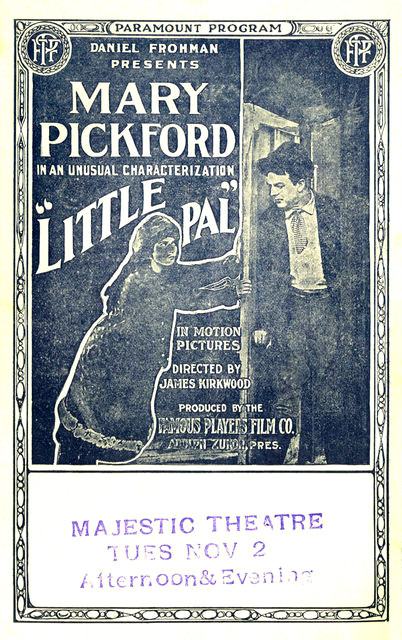
A definitive 5.8/10 rating for a film that redefined the boundaries of cult cinema. Little Pal remains a cornerstone of transgressive art.
In the annals of early cinema, few figures shone as brightly or commanded the same affection as Mary Pickford. Deftly navigating the transition from stage to screen, she became 'America's Sweetheart,' a global phenomenon whose innocent charm and expressive eyes captivated millions. Yet, beneath the veneer of wholesome appeal, Pickford often tackled roles that plumbed the depths of human emotion, particularly those of resilience and sacrifice in the face of immense hardship. Marshall Neilan's 1918 silent drama, 'Little Pal,' stands as a compelling testament to this facet of her career, transporting audiences to the brutal, yet mesmerizing, landscape of the Alaskan gold rush. It's a film that, while rooted in its era, resonates with timeless themes of survival, unrequited love, and the arduous journey from childhood innocence to a profound, if sorrowful, understanding of the world’s complexities.
The film plunges us headfirst into a world defined by its stark contrasts: the intoxicating promise of untold riches juxtaposed against the unforgiving realities of a frontier where law and order are often mere suggestions. The gold rush, a period of frenzied migration and desperate ambition, provides a vivid, almost character-like backdrop for Little Pal's ordeal. This setting is not merely decorative; it actively shapes the narrative, forcing its characters into desperate circumstances and testing the very limits of their moral fortitude. Films like The War Correspondents, though set in a different context of extreme human endeavor, similarly leverage harsh environments to amplify the stakes and reveal the raw core of human spirit under duress. The saloon, Little Pal's childhood home, is a microcosm of this world—a place of transient joys, fleeting fortunes, and sudden, brutal violence.
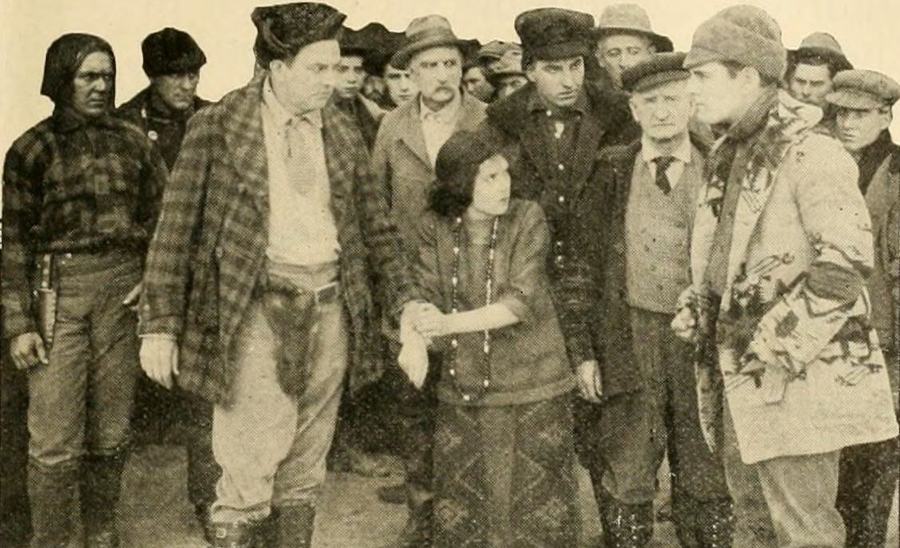
It is within this volatile environment that the film's central tragedy unfolds. Little Pal's father, a saloon keeper whose fortunes are as fickle as a turn of a card, succumbs to the ultimate gamble, losing not only his life but also his daughter in a game of dice to the nefarious 'Black Brand.' This moment is a stark, shocking initiation for Little Pal into the harsh realities of her world. It’s a thematic echo of the profound impact of paternal actions seen in films such as Hans Faders Ære (His Father's Honor), where the legacy and consequences of a father's choices ripple through the protagonist's life, albeit in a different social context. Pickford, even at this early stage of her career, possesses an innate ability to convey profound trauma and vulnerability without uttering a single word, relying instead on the nuanced language of silent film acting—her eyes, her posture, her subtle gestures. Her flight into the wilderness following her father's death is less an escape and more a desperate search for sanctuary, a child thrust into a world far too cruel for her tender years.
Her refuge comes in the form of John, an Easterner who, unlike the hardened prospectors and saloon denizens, represents a sliver of civility and kindness. His initial compassion offers Little Pal a momentary reprieve, a chance to rebuild a semblance of normalcy. However, the unforgiving Alaskan climate soon takes its toll on John, rendering him gravely ill. It is here that Little Pal's character truly begins to blossom, transforming from a frightened orphan into a fiercely devoted caregiver. Her unarticulated love for John becomes the driving force behind her actions, a selfless devotion that transcends the conventional boundaries of age or circumstance. She nurses him back to health with the unwavering assistance of Cultus, a loyal friend whose silent devotion to Little Pal mirrors her own unspoken affections.
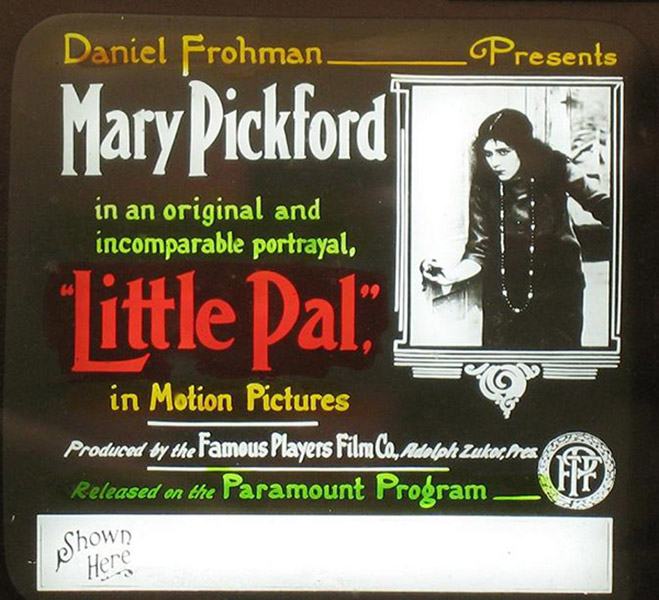
The arrival of John's wife shatters Little Pal's fragile world, introducing the agonizing pangs of unrequited love. This emotional devastation is a powerful cinematic moment, conveyed through Pickford’s heartbreaking expressions and the subtle shifts in her demeanor. It’s a familiar trope in cinema, explored in different cultural contexts, such as the Hungarian film Akit ketten szeretnek, which also delves into the complexities of affections shared or unreturned. Pickford here moves beyond mere sentimentality, portraying the genuine anguish of a young heart confronted with an insurmountable barrier to happiness. The subsequent revelation that John's continued presence in Alaska would prove fatal sets the stage for Little Pal's ultimate act of sacrifice. Driven by an all-consuming desire for his well-being, she, along with Cultus, undertakes the perilous and morally dubious act of stealing gold dust from a rival claim. This desperate measure is not for personal gain but for John’s survival, a testament to a love so profound it compels her to transgress societal norms.
The film navigates a fascinating terrain of moral ambiguity. Little Pal's act of theft, though born of pure intentions, is still a crime. The narrative cleverly sidesteps a direct confrontation with her culpability by introducing a parallel injustice: Black Brand, the very man responsible for her father's death, is falsely implicated in the gold theft and subsequently shot. This narrative twist serves multiple purposes: it eliminates a primary antagonist, adds another layer of tragic irony to the story, and ultimately allows Little Pal's transgression to remain unpunished, framed instead as an act of heroic devotion. It speaks to a certain poetic justice, where the scales of fate, though often unbalanced, sometimes right themselves in unexpected ways. This thematic exploration of fate and its unpredictable turns is reminiscent of films like When Fate Leads Trump, which also grapples with how external forces dictate human destinies.
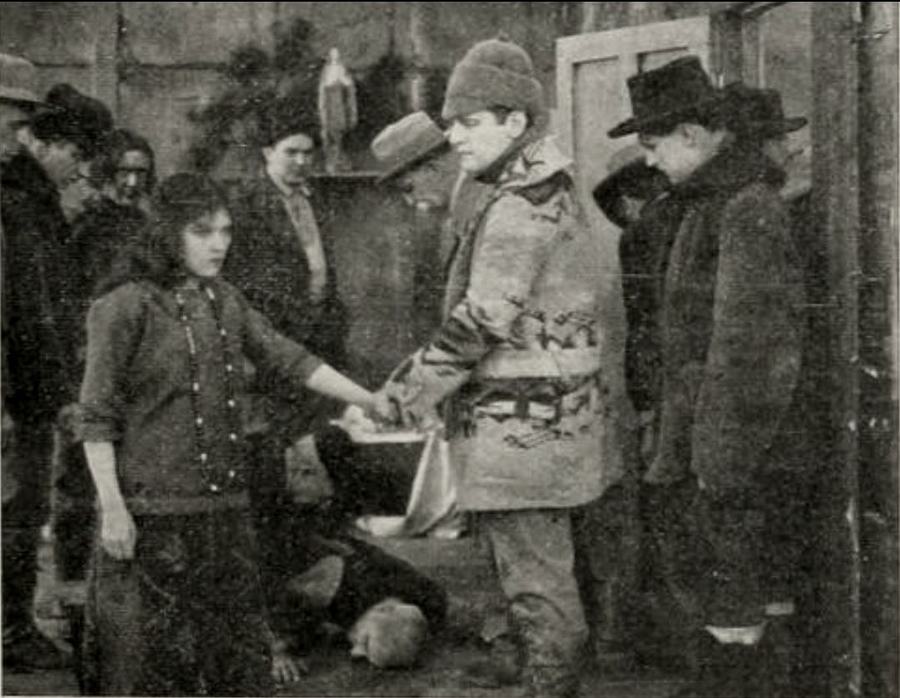
As John and his wife depart Alaska, leaving Little Pal behind, the emotional weight of her sacrifice becomes palpable. Her heartbreak is profound, a silent lament for a love that could never be. Yet, the film offers a glimmer of solace in the steadfast presence of Cultus, whose quiet, enduring affection provides Little Pal with a new form of comfort and perhaps, a path towards healing. This concluding note, while tinged with sorrow, hints at the possibility of a different kind of love, one that is built on loyalty, understanding, and shared experience rather than the passionate, yet ultimately unattainable, ideal she held for John. It's a nuanced portrayal of emotional resilience, suggesting that even in the wake of profound loss, new forms of happiness, or at least contentment, can emerge.
Mary Pickford's portrayal of Little Pal is a tour de force, showcasing her unparalleled ability to convey complex emotions through gesture, expression, and the sheer force of her screen presence. She masterfully navigates the character's arc from a wide-eyed child of the frontier to a young woman capable of immense self-sacrifice. Her performance is a testament to the power of silent cinema, where every movement, every flicker of an eye, carried profound meaning. Unlike the more theatrical acting styles of some of her contemporaries, Pickford's approach was often naturalistic, drawing audiences into her emotional world with an effortless grace. This naturalism, even in a dramatic gold rush setting, allowed her to connect deeply with viewers, making Little Pal's trials and triumphs feel intensely personal.
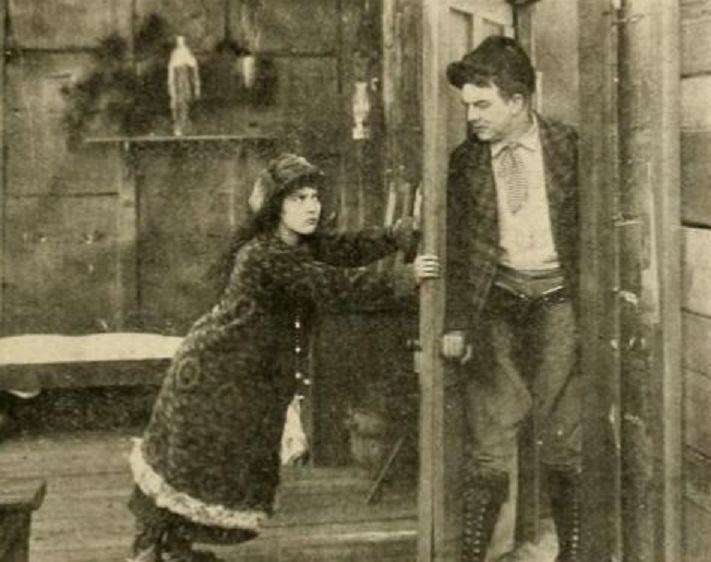
The film’s visual storytelling, characteristic of the era, relies heavily on intertitles to convey dialogue and crucial plot points, but it is Pickford's non-verbal communication that truly elevates the narrative. Her scenes of grief, devotion, and quiet despair are etched onto the screen with a clarity that transcends the absence of spoken words. One can draw parallels to the profound emotional depth achieved in other silent era dramas, even those of a grander scale like Pyotr Velikiy, where the gravitas of historical figures is conveyed through equally powerful, if different, cinematic techniques. Pickford's ability to maintain her character's inherent goodness despite the harshness of her circumstances, and even through her morally questionable actions, is a testament to her skill and the sympathetic writing by Marshall Neilan, who also directed the film.
While 'Little Pal' might not be as widely discussed as some of Pickford's other iconic works, it offers a compelling look at her versatility and the thematic richness of early American cinema. It's a film that grapples with universal human experiences: the loss of innocence, the power of love (both requited and unrequited), the struggle for survival against overwhelming odds, and the bittersweet nature of sacrifice. The raw, untamed spirit of the Alaskan frontier serves as a potent metaphor for the challenges Little Pal faces, forcing her to confront the very limits of her endurance and compassion. The film's conclusion, while not a conventionally happy ending, offers a profound sense of closure and the promise of a different kind of future for its protagonist, one built on the steadfast loyalty of a true friend.
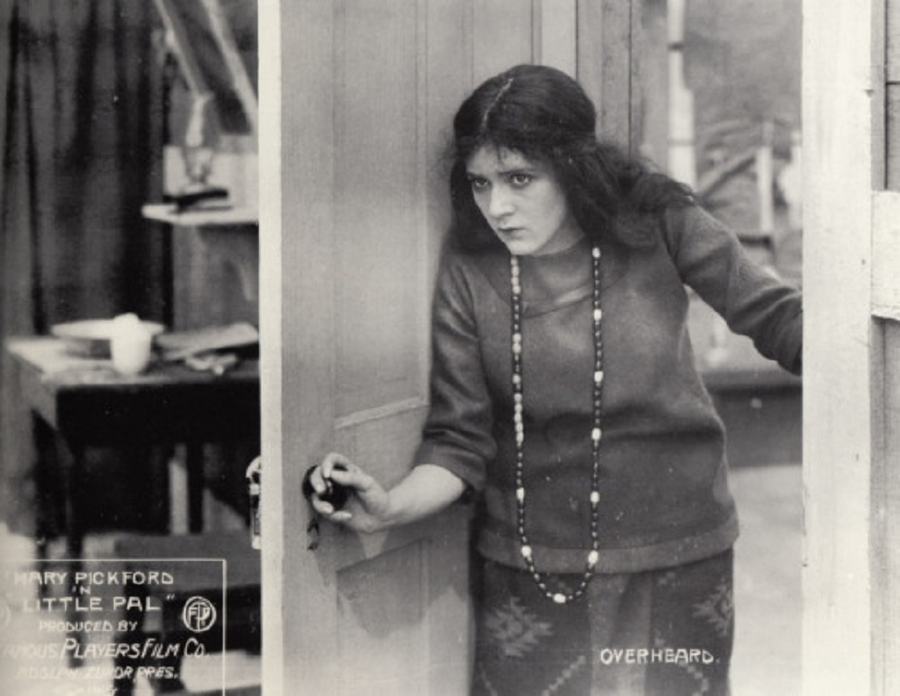
The film's exploration of intense emotional states and sacrificial love can be seen as a precursor to later, more overtly dramatic works like Locura de amor (Madness of Love), which similarly delves into the extremities of romantic devotion. 'Little Pal' reminds us that even in the nascent years of cinema, filmmakers were capable of crafting narratives that were emotionally complex and deeply affecting. It stands as a powerful example of how silent films, through masterful acting and evocative visual storytelling, could transcend the absence of sound to deliver narratives of profound human experience. For anyone interested in the evolution of cinema, the enduring appeal of Mary Pickford, or the dramatic narratives forged in the crucible of the American frontier, 'Little Pal' remains a vital and moving piece of cinematic history.
The enduring power of 'Little Pal' lies not just in its dramatic plot or Pickford's star power, but in its nuanced portrayal of human resilience. Little Pal’s journey is one of continuous adaptation and emotional growth, forced upon her by circumstances beyond her control. She loses her family, her home, her first love, yet she never succumbs entirely to despair. Instead, she finds strength in her capacity for selflessness and ultimately, solace in an unexpected quarter. This narrative arc speaks to the universal human capacity to find light even in the darkest of times, to forge new bonds and redefine happiness after profound loss. The film’s silent frames communicate this struggle and triumph with a clarity that resonates across generations, proving that the language of emotion is truly universal.
In an era marked by rapid social and technological change, 'Little Pal' offered audiences a compelling escape into a world of high stakes and raw emotion, while simultaneously reflecting deeper truths about human nature. It solidified Mary Pickford’s status as an actress capable of delivering performances that were both enchanting and profoundly moving, cementing her legacy as one of cinema’s first true superstars. Its blend of frontier adventure, romantic drama, and moral quandaries ensures its place as a significant work in the tapestry of early American film, a poignant reminder of the power of visual storytelling to capture the enduring spirit of humanity.
IMDb 6.6
1929
Community
Log in to comment.