DbcultAccessing Vault...
5.4/10
Senior Film Conservator
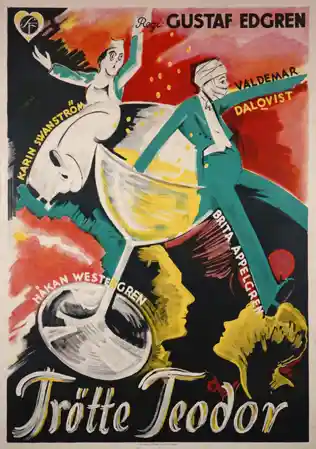
A definitive 5.4/10 rating for a film that redefined the boundaries of cult cinema. Trötte Teodor remains a cornerstone of transgressive art.
So, you’ve stumbled upon Trötte Teodor, huh? If you’re into the old Swedish film scene, or just a sucker for a classic theatrical farce, then yes, give this a whirl. It's a charming little time capsule. Anyone expecting huge laughs or a slick modern pace, though? You'll probably be bored stiff. This one's for the patient, the curious, the folks who don't mind a film that takes its sweet time setting up a gag.
The whole thing hinges on Teodor, played by Artur Cederborgh, who is just *exhausted*. And for good reason! He's got this secret job at the Hotel Babylon, which, let's be honest, sounds way more scandalous than it probably is. But his rich wife, she can't know. The tension, or rather, the *gentle* tension, comes from his constant fear of getting caught.
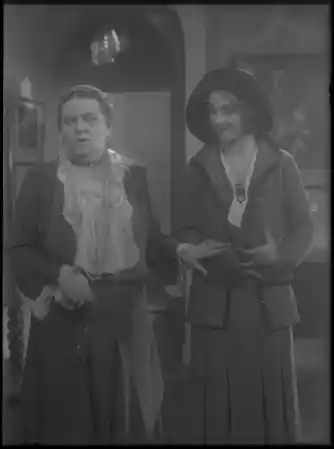
Cederborgh's portrayal of Teodor is really the heart of it all. He's not some grand comedic genius, but he has this wonderfully weary look about him. You really feel for the guy, trying to sneak around, constantly looking over his shoulder. It’s not broad physical comedy, more like a consistent, low-level panic.
The Hotel Babylon itself is more a concept than a place of true sin. It's got dancers, yes, and maybe some late-night revelry, but it feels more like a lively restaurant than anything truly 'wicked'. The film *wants* you to think it's scandalous, but it's all very polite Swedish scandal.
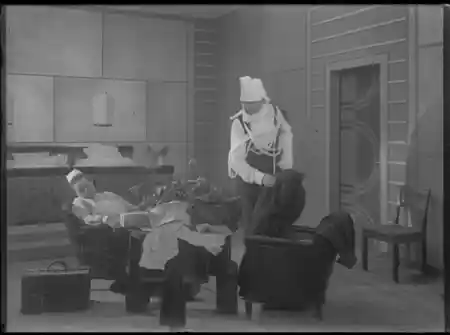
One scene sticks with me: Teodor almost bumps right into someone he knows from his 'respectable' life while he's trying to slip out of the hotel in his work clothes. The way he just freezes, eyes wide, is a perfect little bit of physical acting. No big dramatic music cue, just that sudden stillness. It’s effective.
Julia Cæsar as the wife is fantastic, of course. She brings this wonderful, almost *regal* sternness to the role. Her every appearance makes Teodor visibly shrink a little. You can almost see the gears turning in her head, even when she's completely oblivious to his secret.
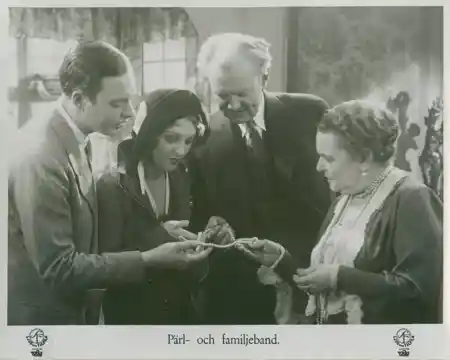
There are these little moments, like when Teodor tries to cover up a smudge on his suit jacket. It’s not a huge plot point, but it's those small, human details that make him feel real. The little lies he tells, tripping over his words, just to get through a conversation.
The pacing is… well, it's a 1930s Swedish comedy. Don't expect rapid-fire jokes. It builds. Slowly. Sometimes you wish it would speed up a little, especially in the middle section when Teodor is just trying to *avoid* things.
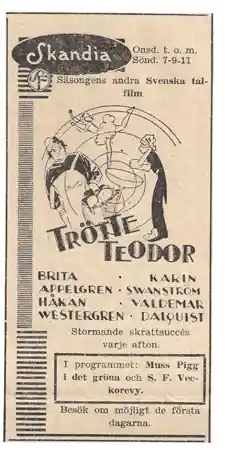
It's interesting how the film portrays the societal expectations of the time. The pressure on Teodor to maintain appearances, to keep up this image of a man who doesn't need to *work*. It’s a quiet commentary, almost accidental.
The comedy here is mostly situational. It's about doors slamming, people just missing each other, mistaken identities. Very stagey, which makes sense given the source material. It relies on you understanding the classic farce structure.
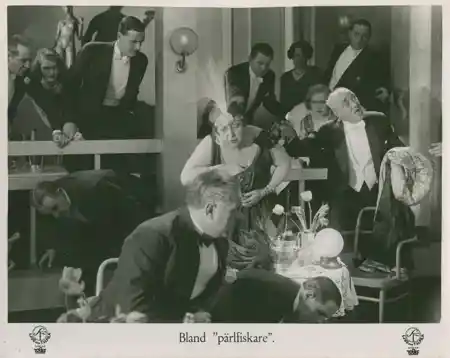
The resolution, when it comes, is pretty neat. Not a huge bang, but a satisfying unraveling of all the threads. You leave feeling like Teodor can finally get some proper sleep. 😴
This isn't a groundbreaking film. It’s not trying to reinvent anything. It’s a comfortable, slightly creaky old armchair of a movie. You settle in, you chuckle occasionally, and you appreciate the craft of a different era. If you’ve seen The Girl from the Marsh Croft and want something lighter from around that time, this might be your speed.
It’s an enjoyable watch for what it is. A peek into a simpler time, with simpler comedic troubles. Worth it on a lazy afternoon, perhaps with a cup of coffee and no distractions.
IMDb 4.9
1915
Community
Log in to comment.