DbcultAccessing Vault...
4.9/10
Senior Film Conservator
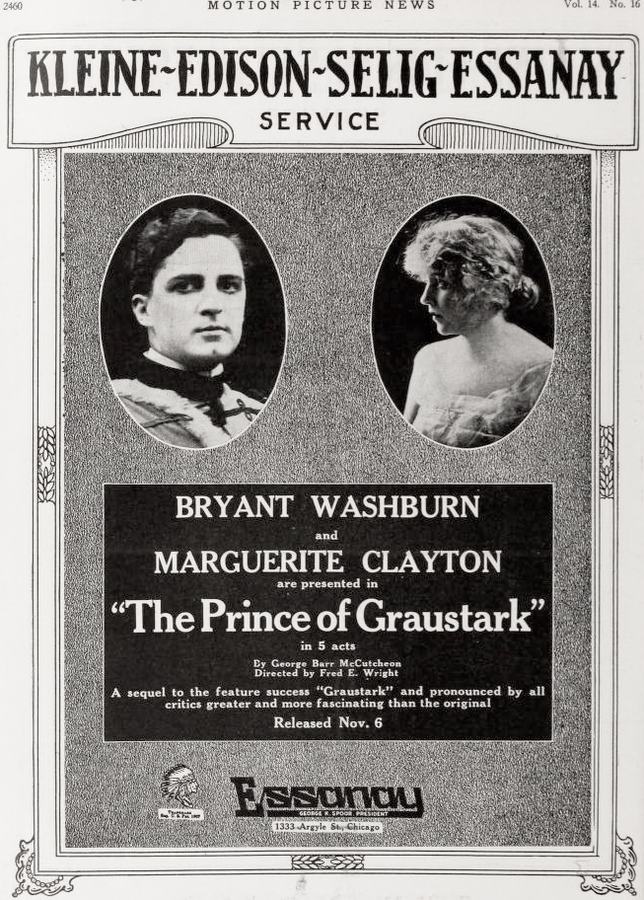
A definitive 4.9/10 rating for a film that redefined the boundaries of cult cinema. The Prince of Graustark remains a cornerstone of transgressive art.
Step back into the opulent, yet often precarious, world of silent cinema, where grand narratives unfolded with a captivating blend of melodrama, romance, and burgeoning comedic sensibilities. Among these cinematic treasures, The Prince of Graustark emerges as a particularly charming and surprisingly layered entry from 1925, a film that deftly navigates the treacherous waters of royal duty, personal desire, and the delightful chaos of mistaken identity. Far from being a mere relic of its era, this picture, starring the charismatic Rod La Rocque and the effervescent Colleen Moore, offers a fascinating glimpse into the cultural anxieties and romantic ideals of its time, all wrapped in a visually engaging package that continues to resonate with its timeless themes.
At its heart, The Prince of Graustark is a tale of a young ruler thrust into an impossible predicament. Prince Robin, sovereign of the fictional European principality of Graustark, finds his nation staring down the barrel of financial ruin, owing a staggering thirty million dollars to a Russian loan shark. The proposed solution, a classic trope of European royalty, is a marriage of convenience: the powerful Prince of Dawsbergen offers to settle the debt if Robin will wed his daughter. This is where the film immediately establishes its central conflict. Robin, unlike many of his cinematic royal predecessors, is not a stoic, duty-bound figure entirely subservient to tradition. His American heritage, a subtle but crucial detail in the narrative, imbues him with an independent, almost rebellious, spirit. He harbors a profound aversion to marrying a woman he has never met, a sentiment that feels remarkably modern for a film of its vintage. This initial act of defiance sets the stage for a transatlantic adventure, driven by both patriotic necessity and a deeply personal quest for authentic love. It’s a compelling setup, echoing the broader societal shifts occurring in the roaring twenties, where individual aspirations began to challenge entrenched societal norms.
Robin’s journey to America is not merely a geographical shift; it’s a cultural collision. He seeks not only financial salvation for Graustark but also the elusive "girl of his dreams." This dual quest is brilliantly facilitated by William W. Blithers, a quintessential self-made American millionaire. Blithers, portrayed with a delightful blend of bluster and ambition by William V. Mong, embodies the nouveau riche desire to ascend the social ladder through marital alliances. He readily advances the colossal sum, envisioning his daughter, the unseen heiress, becoming a princess. This dynamic beautifully contrasts the old-world aristocracy's inherent power with the new-world's financial might, highlighting a fascinating interplay of influence and aspiration. The film cleverly uses Blithers as a comedic foil and a catalyst for much of the subsequent misdirection, his eagerness for a royal son-in-law blinding him to the unfolding romantic entanglements right under his nose. The humor derived from Blithers' character, oblivious to the true machinations of love and identity, is a testament to the script's nuanced understanding of social satire.
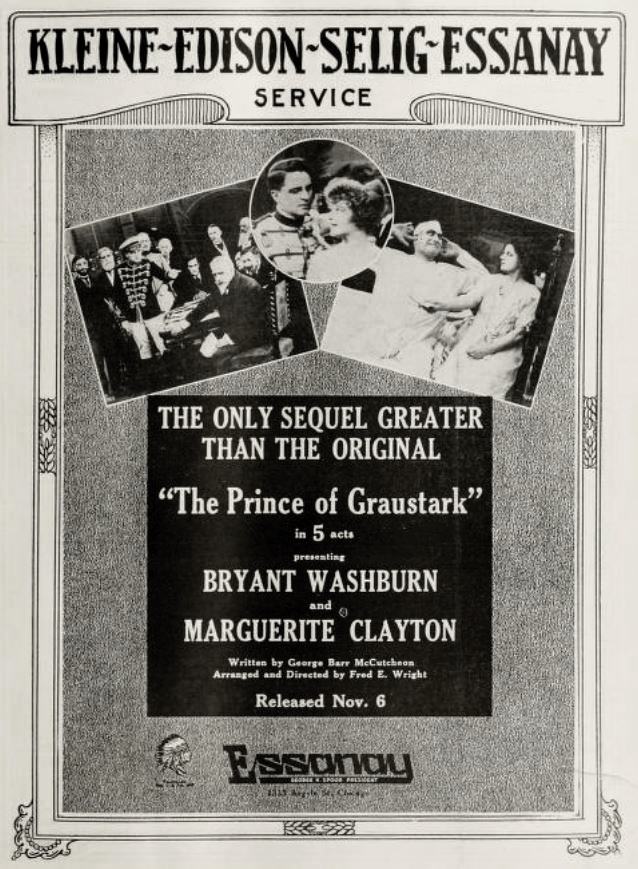
The core of The Prince of Graustark’s charm lies in its intricate dance of mistaken identities. Robin, failing to encounter Blithers’ actual daughter, instead rescues a mysterious young woman from a precarious situation – a classic romantic meet-cute. This woman, played with vibrant charm by Colleen Moore, is, of course, the princess he so adamantly refused to marry, though Robin remains blissfully unaware. Their burgeoning romance, fueled by genuine affection rather than dynastic obligation, forms the emotional anchor of the film. The narrative gains considerable comedic mileage from this central deception. Blithers, mistakenly believing his daughter has sailed to Europe to escape Robin, is ironically elated, convinced the two will meet aboard the ship. And indeed, Robin does meet the girl he loves, solidifying their bond through a series of charming encounters and adventures. A particularly memorable sequence in Paris sees them arrested for speeding, only to be dramatically freed by a diplomatic intervention. Robin, still convinced of his beloved's identity as Blithers' daughter, attributes this powerful intercession to the millionaire's vast influence, underscoring the comedic irony of his misperception. This sequence, with its blend of lighthearted danger and swift resolution, exemplifies the film’s commitment to maintaining a buoyant, romantic tone, even amidst moments of mild peril. It also subtly hints at the true status of the woman, for only a figure of significant diplomatic weight could orchestrate such a swift release.
The success of any silent film hinges significantly on the expressive capabilities of its lead actors, and The Prince of Graustark is no exception. Rod La Rocque imbues Prince Robin with a compelling blend of boyish charm, aristocratic bearing, and genuine romantic fervor. He manages to convey Robin's internal conflict – the weight of his royal duties versus the yearning for personal happiness – with remarkable clarity through gesture and facial expression. His portrayal avoids the pitfalls of a one-dimensional princely figure, instead presenting a nuanced character who is both honorable and endearingly naive. Colleen Moore, a true star of the silent era, is utterly captivating as the unnamed princess. Her performance is a masterclass in silent comedy and romantic appeal. She projects an irresistible vivacity and intelligence, making her character far more than a mere object of affection. Moore’s ability to convey wit, mischief, and genuine affection without uttering a single word is a testament to her profound talent. The chemistry between La Rocque and Moore is palpable, lending authenticity and warmth to their evolving romance. Their interactions, from the initial rescue to their Parisian escapades, are charged with an engaging effervescence that draws the audience deeply into their story. William V. Mong as Blithers, though a supporting role, steals scenes with his bombastic portrayal, providing much-needed comedic relief and a grounded, if misguided, American perspective. The ensemble cast, including Marguerite Clayton and John Cossar, supports these leads admirably, creating a believable and engaging world for the narrative to unfold within.
The climax of The Prince of Graustark is a superbly orchestrated piece of narrative ingenuity, bringing all the threads of mistaken identity and romantic intrigue to a satisfying, if surprising, conclusion. Robin’s return to Graustark, triumphant with the secured loan, sets the stage for the ultimate reveal. The Prince of Dawsbergen, the very man whose daughter Robin refused to marry, is a guest at the palace, adding another layer of dramatic irony. A mysterious summons to the terrace leads Robin to his beloved, and in a moment of heartfelt declaration, he pledges his love, ready to defy all royal convention by marrying her, whom he still believes to be Blithers' daughter. The subsequent scene, where he presents her to his councilors as his future bride, is charged with anticipation. The councilors' knowing smiles, initially puzzling to Robin, are a delightful foreshadowing of the impending revelation. The entrance of Blithers, who has followed them across the ocean, seems to confirm Robin’s assumptions. But then, the princess delivers the punchline with elegant aplomb, pointing to the Prince of Dawsbergen and declaring him her true father. This moment is a masterstroke of comedic timing and narrative payoff. The energetic Blithers’ explosion of disbelief, followed by his gracious, if slightly deflated, acceptance – "Congratulations, Prince. I can be a good loser." – perfectly encapsulates the film's lighthearted spirit and its ability to resolve complex romantic entanglements with wit and charm. It’s a resolution that champions love over duty, yet ingeniously folds duty back into love, satisfying both the romantic and the pragmatic aspects of the plot.
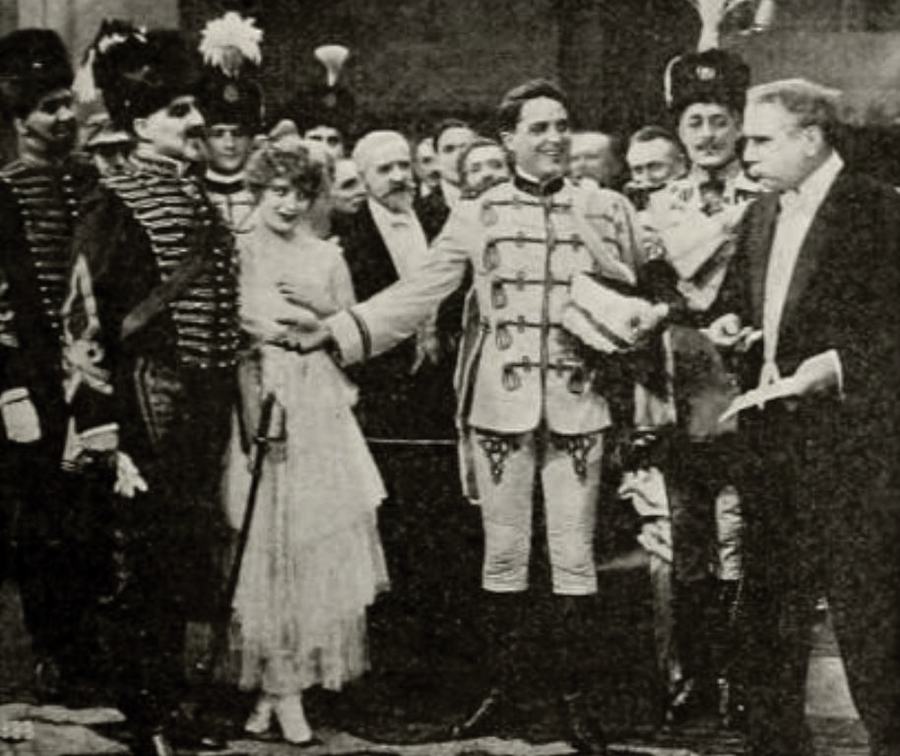
Fred E. Wright, working from George Barr McCutcheon’s original story, crafts a screenplay that balances romantic escapism with genuine emotional stakes. The film’s pacing is brisk, maintaining audience engagement through its various twists and turns. Visually, The Prince of Graustark benefits from its lavish production design, particularly in depicting both the European principality and the opulence of American high society. The cinematography, while typical of the era, effectively frames the intimate moments of romance and the broader comedic beats. It's a film that, much like contemporary romantic comedies, understands the power of a well-executed setup and payoff, using dramatic irony to great effect.
When considering its contemporaries, The Prince of Graustark stands out for its blend of romance and sophisticated comedic plotting. While films like Camille (1915) delved into tragic romance and From the Manger to the Cross (1912) explored profound religious narratives, Graustark carved a niche for itself in the realm of lighthearted, yet intricately plotted, romantic adventures. Its thematic exploration of an individual's desire for self-determination against the backdrop of ancient tradition is a recurring motif in cinema, but here it is handled with a particularly charming touch. The film's ability to juxtapose the old-world strictures of monarchy with the burgeoning individualism of the Jazz Age gives it a fascinating cultural resonance. It subtly critiques the arbitrariness of arranged marriages while celebrating the triumph of genuine affection, a message that remains perennially appealing.
The sheer joy of watching Colleen Moore navigate the intricacies of her dual identity, and Rod La Rocque’s earnest portrayal of a prince torn between duty and desire, makes this film a compelling watch. The supporting cast, particularly William V. Mong as the boisterous Blithers, adds layers of humor and character, ensuring that the narrative never feels stagnant. Even minor characters contribute to the vibrant tapestry of Graustarkian court life and American high society. The film’s construction, from its elegant set pieces to its dynamic performances, speaks volumes about the craftsmanship of silent-era filmmaking. It’s a testament to how effectively stories could be told without dialogue, relying instead on visual storytelling, character expression, and the universal language of human emotion. The use of intertitles is judicious, enhancing rather than overpowering the visual narrative, a hallmark of well-executed silent cinema.
Ultimately, The Prince of Graustark is a delightful romantic comedy that transcends its silent origins to deliver a consistently engaging and wonderfully satisfying experience. It’s a film that champions individuality, celebrates the unexpected turns of fate, and revels in the sweet victory of true love over societal expectation. For enthusiasts of classic cinema or anyone seeking a charming tale of royal romance with a clever twist, this film remains a brilliant example of its genre. Its enduring appeal lies not just in its historical significance, but in its timeless narrative, its endearing characters, and the sheer joy it evokes. It serves as a vibrant reminder that even a century later, the magic of a well-told story, especially one involving princes, princesses, and a dash of transatlantic intrigue, never truly fades. It’s a testament to the enduring power of narrative to captivate and entertain, proving that a compelling plot and charismatic performances can overcome any linguistic barrier or passage of time, leaving a lasting impression on the viewer long after the final intertitle fades from the screen.
IMDb 7.1
1921
Community
Log in to comment.