DbcultAccessing Vault...
6.9/10
Senior Film Conservator
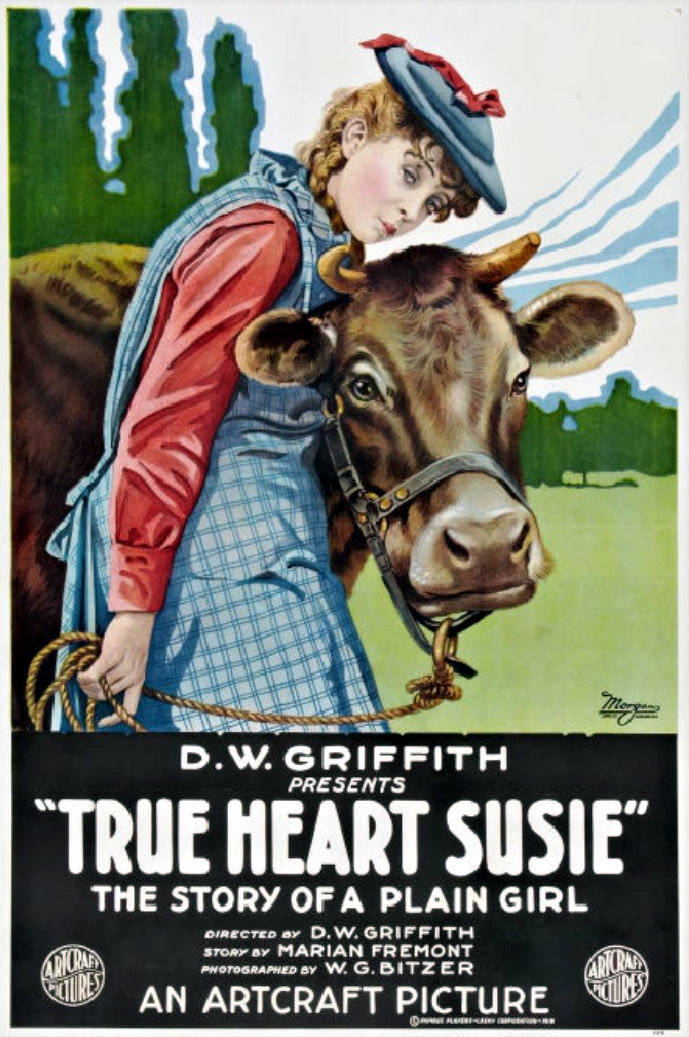
A definitive 6.9/10 rating for a film that redefined the boundaries of cult cinema. True Heart Susie remains a cornerstone of transgressive art.
Stepping back into the hallowed halls of silent cinema, one encounters works that, despite their age, resonate with an emotional depth and narrative sophistication often overlooked by modern audiences. Among these treasures, D.W. Griffith's 1919 drama, True Heart Susie, emerges as a particularly poignant offering, a delicate exploration of selfless love, ambition, and the cruel ironies of human connection. It's a film that, like a faded daguerreotype, reveals more with each contemplative glance, offering a profound commentary on the nature of devotion and the often-unseen architects of personal success. The enduring power of this narrative lies not in grand gestures or dramatic pronouncements, but in the quiet, almost imperceptible sacrifices of its protagonist, Susie, brought to life with an exquisite tenderness by the inimitable Lillian Gish.
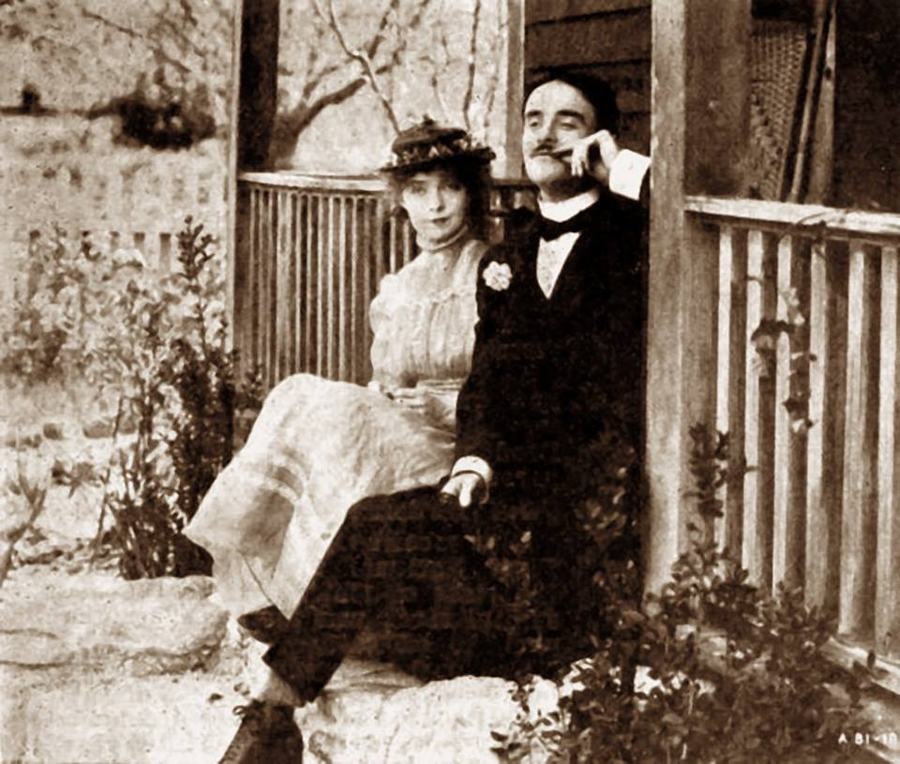
Lillian Gish, a titan of the silent screen, imbues Susie with a vulnerability and resilience that is nothing short of breathtaking. Her performance is a masterclass in subtlety, conveying entire emotional landscapes through a mere tilt of the head, a hesitant glance, or the gentle tremble of her lips. Susie is not a character of overt glamour or dramatic flair; she is, as the plot suggests, a 'plain young country girl.' Yet, in Gish's hands, her plainness becomes a canvas for an inner beauty so profound it eclipses any superficial adornment. We witness her secret love for William (Robert Harron) not through declarations, but through actions: the way she carefully mends his clothes, the clandestine financial aid she provides to further his education, the quiet pride in his accomplishments that she observes from a distance. This isn't the tempestuous, all-consuming passion often depicted in cinema; it's a slow-burning, enduring flame, a devotion so pure it borders on the spiritual. Gish makes Susie’s selflessness palpable, her sacrifices heart-wrenching because they are so utterly devoid of expectation or desire for recognition. It’s a performance that reminds us that true heroism often resides in the quiet, uncelebrated acts of kindness.
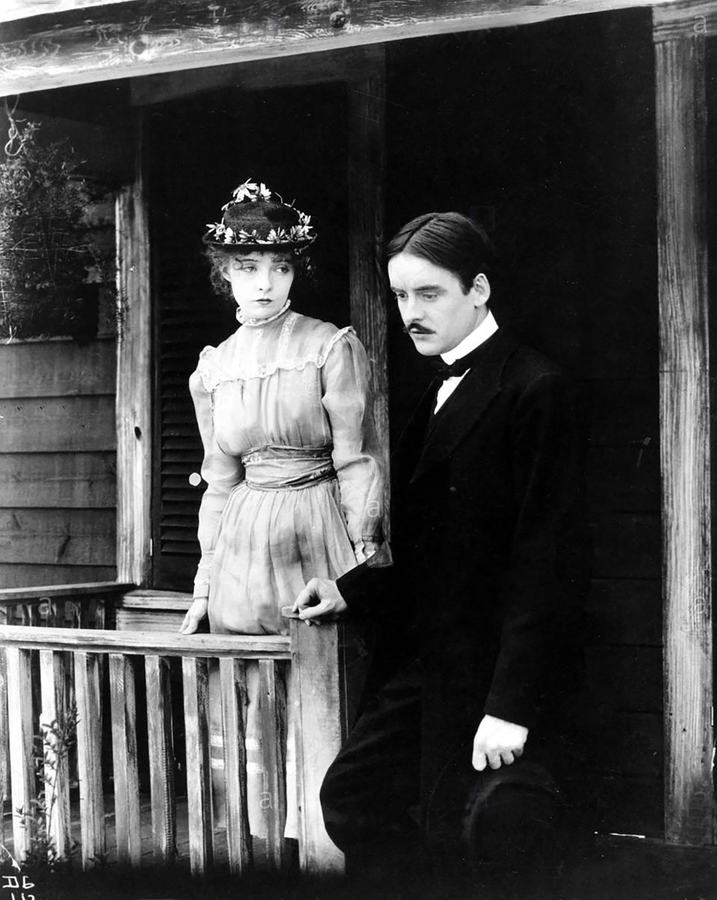
Robert Harron’s portrayal of William is equally crucial, though his character’s journey is one of blissful ignorance rather than conscious sacrifice. William is not a malicious figure; he is simply oblivious, a man whose ambitions are fueled by an unseen hand. Harron depicts William’s transformation from an earnest country boy to a sophisticated, successful gentleman with a believable trajectory. The tragedy, of course, is that his ascent, meticulously engineered by Susie, simultaneously creates an insurmountable distance between them. As he gains education and social polish, he becomes increasingly detached from the simple, heartfelt world Susie inhabits. This narrative arc cleverly highlights the social mobility of the era, but more acutely, it dissects the emotional chasm that can open when two individuals grow in disparate directions, even if one’s growth was nurtured by the other. The irony is stark: Susie, through her unwavering support, crafts the very man who can no longer see or appreciate her in the way she desires. This resonates with the quiet despair found in films like The Testing of Mildred Vane, where a protagonist's virtuous path leads to unforeseen personal isolation rather than expected reward.
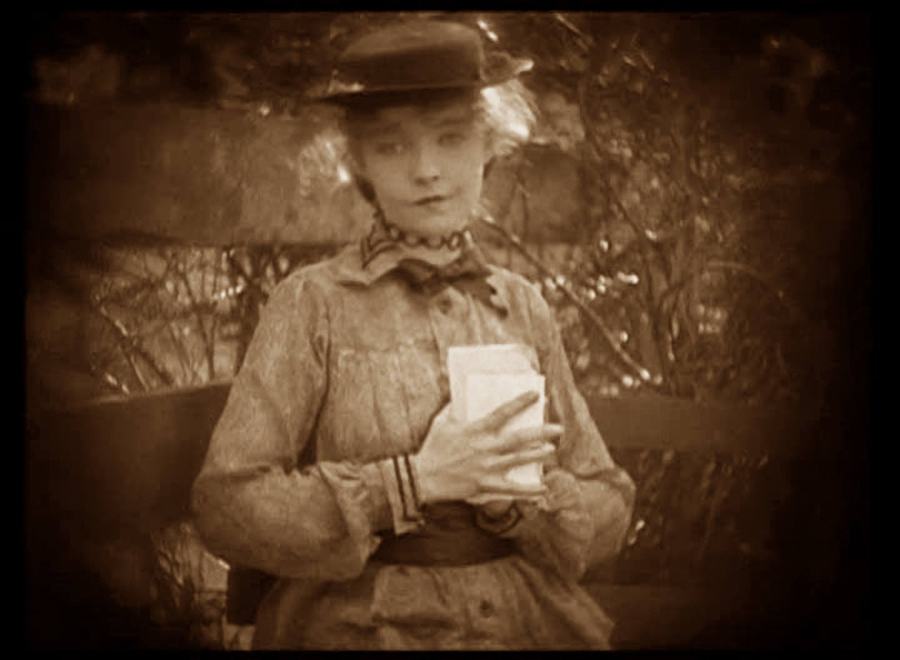
The screenplay, credited to Marian Fremont, is a masterclass in understated storytelling. It avoids overt melodrama, instead allowing the quiet accumulation of Susie's sacrifices to build a profound sense of pathos. The film's brilliance lies in its ability to depict the subtle shifts in relationships and social standing without resorting to heavy-handed exposition. We see Susie selling her beloved calf to fund William's education, an act of pure, unadulterated love that he will never know. We observe her quiet joy in his letters, and her equally quiet heartbreak as he becomes entangled with more 'suitable' women from his new, elevated sphere. This narrative structure, focusing on the unacknowledged contributions of one character to another's success, is a timeless theme. It speaks to the countless unsung heroes in life, the individuals whose foundational support often goes uncredited, yet is indispensable. The film subtly critiques societal values that prioritize outward success and superficial charm over genuine goodness and steadfast loyalty, a theme that echoes in the social dramas of its time, such as As Man Made Her, which often explored the constraints and expectations placed upon women.
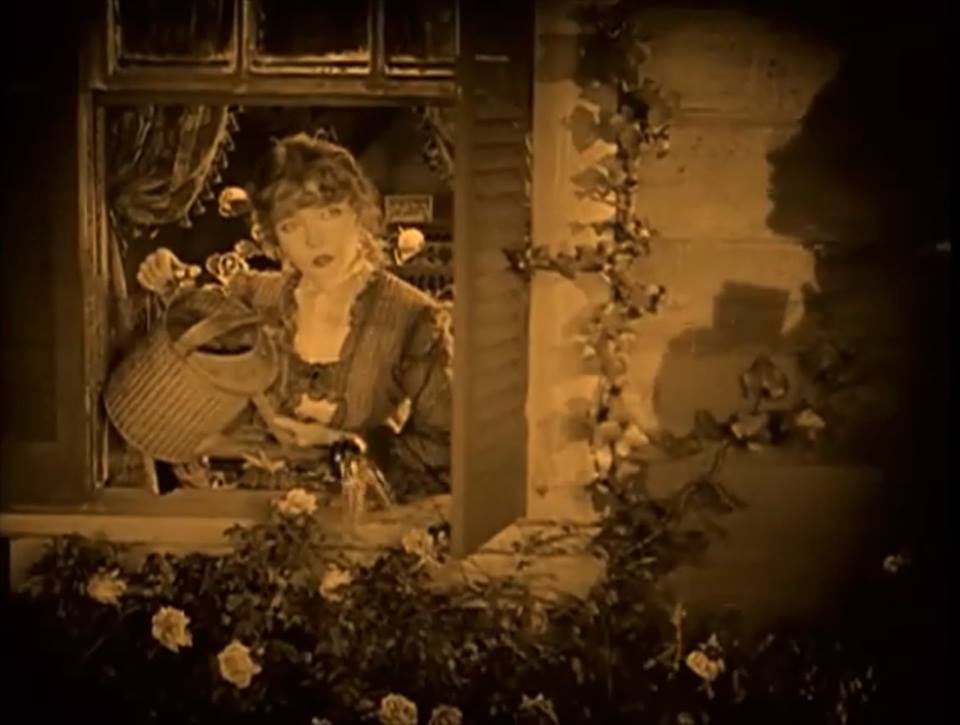
D.W. Griffith's direction, while occasionally prone to the broader theatricality of the era, here demonstrates a remarkable restraint and an eye for poetic realism. He masterfully uses close-ups to capture the nuances of Gish's performance, allowing her expressive face to convey the depths of Susie's inner turmoil and quiet fortitude. The pastoral settings are beautifully shot, contrasting sharply with the more sophisticated, albeit emotionally colder, environments William eventually inhabits. Griffith’s ability to juxtapose these worlds visually underscores the growing divide between the two protagonists. He employs a visual language that is both lyrical and direct, guiding the audience's emotional response without overtly manipulating it. The pacing, though deliberate by today's standards, allows for a full immersion into Susie's world, letting her silent struggles unfold with a natural, unhurried rhythm. This careful attention to atmosphere and character psychology sets it apart from more sensationalist films of the period, offering a contemplative viewing experience.
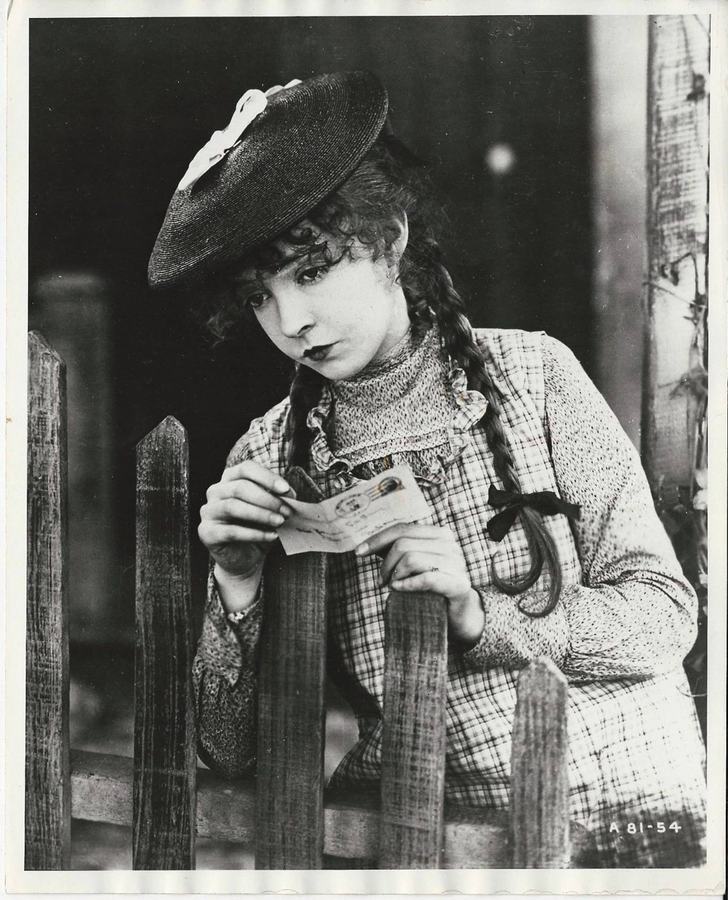
The core tragedy of True Heart Susie lies in Susie's dawning realization that her very acts of love have created an insurmountable barrier. She has, through her unwavering belief and tireless efforts, elevated William to a station where he is no longer suited for her, or perhaps, where he no longer perceives her as suitable for him. This is not a story of rejection in the traditional sense, but rather a more profound, existential alienation. Her love, selfless and pure, has become the instrument of her own heartbreak. The film asks us to ponder the nature of reciprocal love versus sacrificial love, and the often-painful consequences of the latter when it remains unacknowledged and unreciprocated. It's a testament to the film's emotional intelligence that this realization is conveyed with such quiet devastation, rather than a theatrical explosion of grief. Gish's portrayal of this internal collapse is utterly captivating, drawing the viewer into Susie's private world of sorrow and resignation.
Beyond its historical significance as a silent era classic, True Heart Susie endures because its central themes are timeless. The human desire to elevate a loved one, the pain of unrequited affection, the unintended consequences of one's most noble actions, and the societal pressures that dictate who is deemed 'worthy' of whom – these are universal experiences. The film’s exploration of class differences, though subtly handled, is also noteworthy. William's ascent into a more sophisticated social circle inadvertently highlights the rigidities of class and the unspoken rules that govern social acceptance. Susie, despite her intrinsic goodness, remains tethered to her humble origins, a stark reminder of the social barriers that persisted, and in many ways, continue to persist. This quiet commentary on societal structures gives the film an added layer of depth, elevating it beyond a simple love story.
In an era often characterized by broad histrionics and nascent cinematic techniques, True Heart Susie stands out for its delicate emotional tapestry and Gish's unforgettable performance. It is a film that rewards patience and invites contemplation, offering a stark reminder of the power of silent storytelling to convey complex human emotions. While films like Her Great Match might have explored similar romantic entanglements, True Heart Susie delves deeper into the psychological ramifications of selfless love. It’s a testament to Griffith's vision and Gish's unparalleled talent that this film continues to resonate, speaking to the quiet suffering and profound generosity that often defines the human condition. It prompts viewers to consider the unseen forces and individuals who shape our lives, and the often-unacknowledged sacrifices made in the name of love and ambition. This is not merely a historical artifact; it is a vibrant, beating heart of a film, offering a timeless meditation on the complexities of human connection and the enduring power of a true heart.
IMDb 6.8
1917
Community
Log in to comment.