DbcultAccessing Vault...
Cult Review
Senior Film Conservator
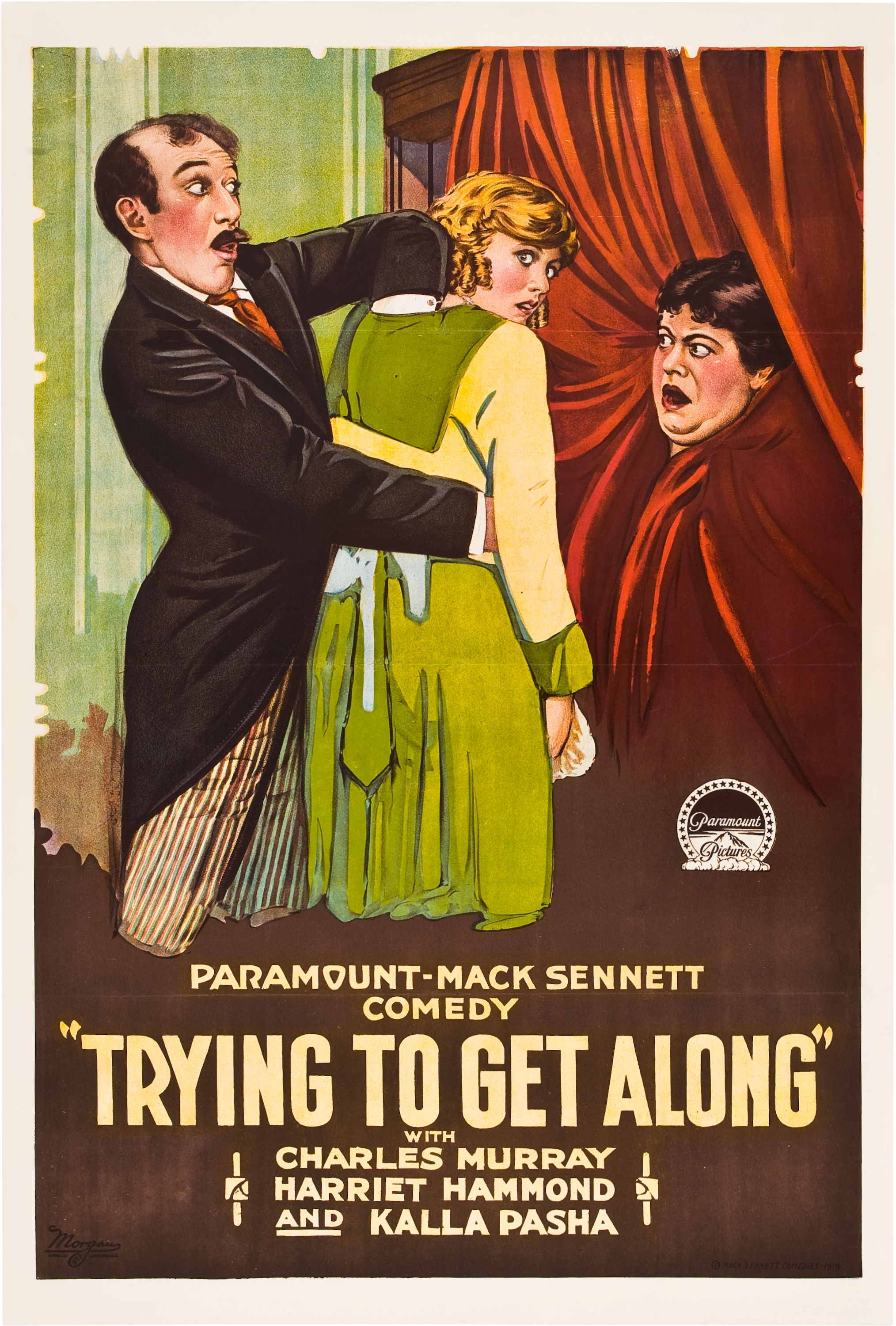
Ah, the silent era! A time when the grandiloquent gestures and exaggerated expressions of performers conveyed more emotion than a thousand spoken words. Amidst the flurry of melodramas and daring serials, a particular brand of comedy flourished – one rooted in physical prowess, absurd predicaments, and the universal foibles of human nature. 'Trying to Get Along,' a cinematic curio from that golden age, stands as a testament to this tradition, a riotous exploration of domestic discord and the sheer futility of enforced harmony. While its exact release date and full production details remain somewhat shrouded in the mists of time, its spirit, much like the enduring appeal of the era itself, shines through with a vibrant, almost tactile energy. It’s a film that, despite its age, feels remarkably fresh in its comedic timing, a symphony of slapstick that speaks volumes without uttering a single syllable.
The very title, 'Trying to Get Along,' is a masterclass in ironic understatement. From the opening frames, it becomes abundantly clear that 'getting along' is the one thing our protagonists are utterly incapable of achieving. The film introduces us to two neighboring households, locked in a perpetual, low-grade skirmish that threatens to erupt into full-blown war at any moment. On one side, we have Heinie Conklin, a perennial fixture of silent comedy, embodying the archetypal grumpy husband. His every facial contortion, his every frustrated shrug, is a nuanced performance of exasperation. Paired with Charlotte Mineau, whose character navigates the domestic minefield with a blend of long-suffering patience and sudden, explosive indignation, they form a perfectly mismatched comedic duo. Their home, a seemingly idyllic suburban dwelling, is in fact a powder keg of misplaced expectations and simmering resentment. One can almost feel the tension emanating from the screen, a palpable sense of impending doom that only heightens the comedic payoff.
Next door, we find the equally volatile Gribbon household, with Harry Gribbon bringing his characteristic bluster and exaggerated reactions to the fore. His character is a magnificent foil to Conklin’s simmering rage, often initiating the escalating conflicts with an almost childlike mischievousness, only to be caught in the ensuing chaos. Thelma Bates, as his bewildered spouse, adds another layer of comedic texture, her wide-eyed reactions often mirroring the audience’s own incredulity at the unfolding madness. The dynamic between these two couples is the very engine of the film, a relentless back-and-forth of petty grievances, misinterpreted gestures, and retaliatory actions that spiral wildly out of control. It’s a beautifully choreographed dance of dysfunction, where every attempt at resolution only serves to deepen the chasm of misunderstanding.
The genius of 'Trying to Get Along' lies not just in its human cast, but also in its integration of animal actors, particularly Teddy the Dog and Pepper the Cat. These furry co-stars are far from mere props; they are active, often unwitting, agents of chaos. Teddy, with his boundless energy and penchant for digging up prized rose bushes, frequently instigates the initial sparks of conflict, while Pepper, with her aloof demeanor and knack for appearing in the most inconvenient places, often exacerbates the already tense situations. One memorable sequence involves Teddy burying a bone in what turns out to be Mrs. Conklin’s prize-winning petunias, leading to a furious altercation with Mr. Gribbon, who insists the dog is merely 'aerating' the soil. The subsequent chase scene, involving both men, their wives, and the two pets, is a masterclass in kinetic comedy, a whirlwind of flailing limbs and frantic pursuits that would make even the most seasoned modern action director envious. The comedic timing, the precision of the physical gags, and the sheer audacity of the stunts are all hallmarks of the era, executed with a panache that remains captivating even today.
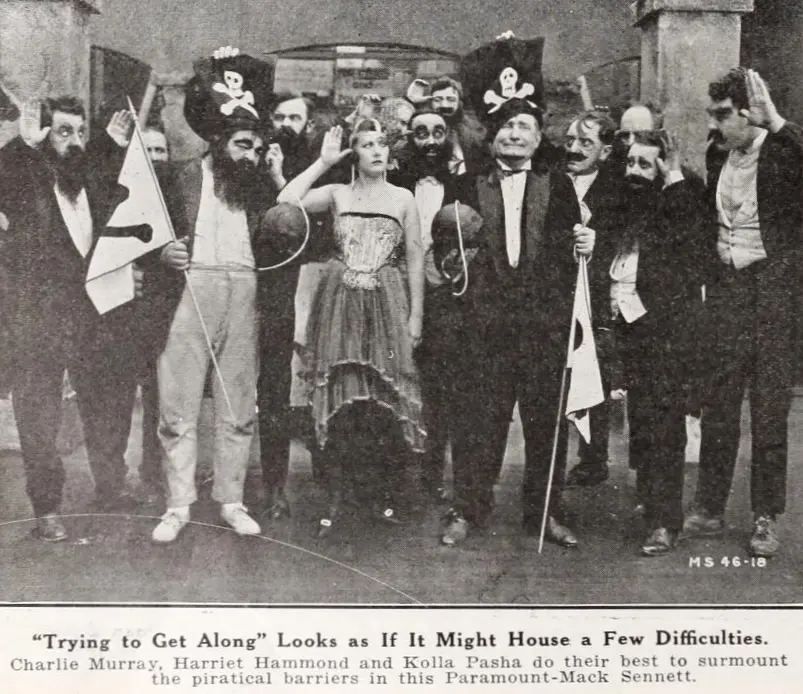
The arrival of Mr. Bingle, portrayed with delightful eccentricity by the inimitable Ben Turpin, injects a fresh dose of absurdity into the already volatile neighborhood. Turpin, famous for his cross-eyed gaze and rubbery physicality, is a force of nature. His character, a seemingly innocuous inventor with a penchant for bizarre contraptions, inadvertently becomes the catalyst for the film's grand crescendo of chaos. Imagine a lawnmower that spontaneously combusts, a sprinkler system that turns into a geyser, or a remote-controlled doorbell that summons not a visitor, but a flock of pigeons. Turpin's Mr. Bingle is responsible for such delightful mishaps, his earnest attempts at innovation invariably leading to catastrophic outcomes for his new neighbors. His performance is a testament to the power of visual comedy, each blink and twitch of his unique visage conveying a world of bewildered innocence and accidental destruction. It’s a performance that elevates the film from a mere domestic squabble to a truly anarchic spectacle, reminiscent of the broader, more elaborate gags seen in early Mack Sennett productions, where the world itself seems to conspire against order.
The film's narrative structure, though seemingly simple, is meticulously crafted to build comedic tension. Each minor disagreement is a stepping stone to a larger, more elaborate catastrophe. The initial squabble over the rosebush, for instance, escalates into a fence-painting rivalry, then a mutual sabotage of garden produce, and finally, a full-blown food fight involving pies, tomatoes, and even a rogue watermelon. The pacing is relentless, a rapid-fire succession of gags that leaves little room for contemplation, only laughter. The director, whose vision for this intricate dance of destruction is truly commendable, understands the rhythmic nature of silent comedy, allowing the visual gags to breathe while maintaining a brisk tempo that propels the audience from one hilarious predicament to the next. The use of intertitles is minimal, relying instead on the universal language of physical comedy, a testament to the performers' ability to convey emotion and intent without dialogue. This reliance on visual storytelling is a hallmark of the era, and 'Trying to Get Along' excels at it, making it accessible and entertaining across generations and linguistic barriers.
Comparing 'Trying to Get Along' to other films of the era illuminates its unique position within the comedic landscape. While it shares the slapstick energy of films like High Pockets, which also relied on exaggerated action and chase sequences, 'Trying to Get Along' delves deeper into the absurdities of domestic life. It lacks the grand adventure of a film like La fièvre de l'or (The Gold Rush), instead focusing its lens on the microcosm of the suburban neighborhood. The film's portrayal of marital strife, while comedic, offers a satirical glimpse into the societal expectations of 'getting along' and the often-hilarious failures to meet them. It's a more intimate, yet equally explosive, kind of comedy. The character archetypes, though exaggerated, resonate with a certain truth about human nature, a truth that finds expression in the universal language of physical comedy. The film also avoids the more overtly dramatic tones of films such as Sands of Sacrifice or The Seventh Noon, firmly planting itself in the realm of pure, unadulterated farce.
The performances are uniformly strong, a testament to the collaborative spirit of silent-era ensembles. Heinie Conklin, with his signature scowl and exasperated gestures, is a master of comedic timing. His reactions, often delayed for maximum effect, are priceless. Charlotte Mineau, often underappreciated, delivers a nuanced performance that balances exasperation with a surprising undercurrent of resilience. Her ability to convey mounting frustration through subtle facial expressions and increasingly frantic movements is exceptional. Harry Gribbon’s boisterous energy provides a wonderful contrast, his character often the unwitting instigator of the most elaborate gags. And of course, Ben Turpin, with his unparalleled ability to elicit laughter through his unique physical presence, is simply unforgettable. His cross-eyed stare, his clumsy movements, his earnest attempts to 'help' that invariably lead to disaster, are all part of his comedic genius. The supporting cast, including Joseph Belmont, Eddie Gribbon, Ethel Teare, Gladys Whitfield, Charles Murray, Ford Sterling, Kathryn McGuire, Phyllis Haver, Fanny Kelly, Kalla Pasha, James Finlayson, Harriet Hammond, Eva Thatcher, and Isabelle Keith, each contribute to the bustling, chaotic tapestry of the neighborhood, their brief appearances often adding crucial comedic beats or furthering the narrative’s madcap momentum. Even Tom Kennedy's seemingly minor role adds a layer of unexpected absurdity to the proceedings.
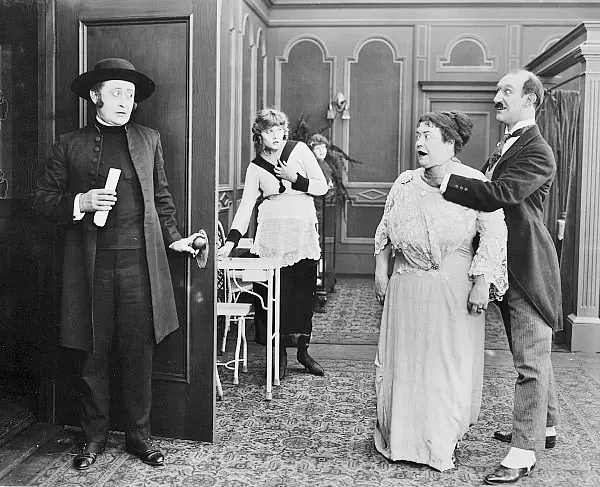
One cannot discuss 'Trying to Get Along' without acknowledging its brilliant use of physical comedy. The film is a veritable encyclopedia of slapstick techniques, from the classic pratfall to elaborate chain reactions involving household appliances and garden tools. There’s a scene where Heinie Conklin attempts to fix a leaky faucet, only to inadvertently trigger a cascade of events that floods his entire kitchen, sending him slipping and sliding across the soapy floor. This kind of escalating chaos is the film’s bread and butter. The precision with which these gags are executed is remarkable, a testament to the stunt work and choreography of the era. It's not just random flailing; there's an almost balletic quality to the mayhem, a controlled pandemonium that is both hilarious and impressive to behold. This focus on intricate physical gags distinguishes it from more character-driven comedies like A Modern Cinderella or the more dramatic narratives found in films such as Mary Moreland.
The underlying theme, or perhaps anti-theme, of 'Trying to Get Along' is the inherent difficulty of human co-existence, particularly when strong personalities clash. It's a humorous yet poignant commentary on the absurdities of social expectations and the often-futile attempts to maintain civility in the face of petty annoyances. The film suggests that sometimes, the most harmonious outcome is to simply embrace the chaos, to find joy in the glorious disarray of life. The ending, far from offering a tidy resolution, leaves the audience with the distinct impression that the cycle of domestic warfare will simply continue, perhaps even escalate further. This open-ended, almost nihilistic approach to resolution is surprisingly modern, a refreshing departure from the saccharine happy endings often found in contemporary films. It’s a film that doesn’t preach, but rather revels in the beautiful messiness of human relationships, especially when those relationships are strained by a rogue cat or a misplaced garden gnome. This lack of a clear 'moral' allows the pure comedic value to shine through unencumbered.
Technically, the film, like many from its era, showcases an ingenuity born of necessity. The camera work, while static by modern standards, is expertly composed to capture the full scope of the physical comedy. The editing is sharp and precise, ensuring that each gag lands with maximum impact. The production design, though seemingly simple, effectively creates the illusion of a cozy, yet perpetually threatened, suburban environment. The costumes, while not elaborate, serve to define the characters and enhance their comedic personas. The use of props is particularly noteworthy, with everyday objects being transformed into instruments of comedic destruction. This inventive spirit is a hallmark of early cinema, where filmmakers were constantly experimenting with the visual language of the medium. The enduring nature of its humor, despite the technological limitations of its time, speaks volumes about its inherent quality. It certainly stands apart from the more somber tones of films like Brottmålsdomaren or the exotic allure of Die Lieblingsfrau des Maharadscha, carving its own niche in the pantheon of silent comedy.
In conclusion, 'Trying to Get Along' is more than just a forgotten relic of the silent era; it is a vibrant, hilarious, and surprisingly insightful piece of cinematic art. It reminds us of a time when comedy was a physical, almost visceral experience, where laughter was elicited not through witty dialogue, but through the universal language of pratfalls, exaggerated expressions, and escalating chaos. The ensemble cast, led by the incomparable Heinie Conklin and Ben Turpin, delivers performances that are both timeless and deeply entertaining. The film's relentless pace, ingenious gags, and satirical take on domestic life make it a truly engaging watch. It's a film that demands to be rediscovered, a joyous celebration of human imperfection and the glorious, messy business of simply trying to exist alongside one another. For anyone with an appreciation for classic comedy, or simply a need for a good, hearty laugh, 'Trying to Get Along' is an absolute must-see, a testament to the enduring power of silent cinema to capture the absurdities of life with unparalleled charm and wit. It’s a riotous, unforgettable romp that proves some things, like the struggle to ‘get along,’ are eternally comedic. Its legacy, though perhaps not as widely celebrated as some of its contemporaries, is certainly deserving of greater recognition, a vibrant splash of yellow and sea blue in the monochromatic world of early film, a truly dark orange comedic gem.
IMDb —
1930
Community
Log in to comment.