DbcultAccessing Vault...
5.8/10
Senior Film Conservator
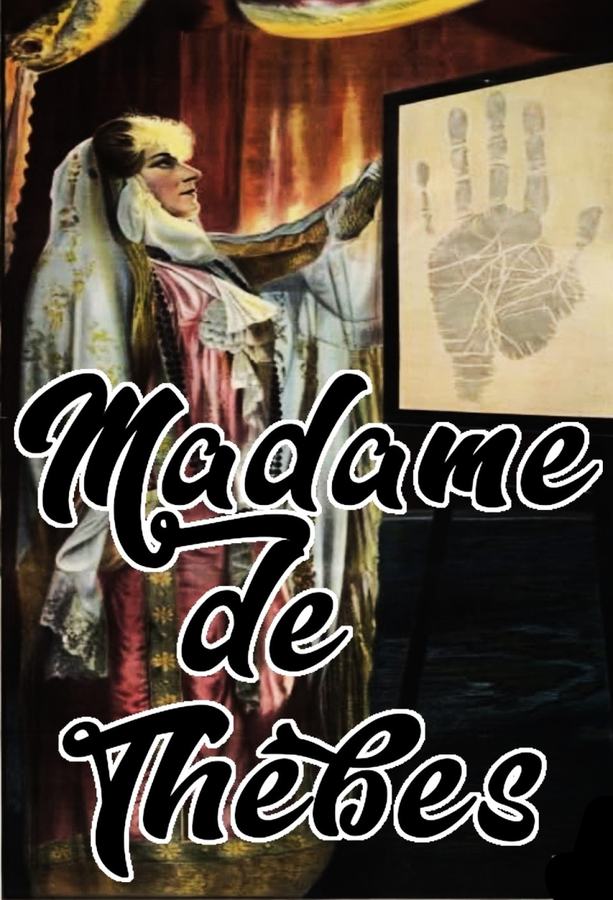
A definitive 5.8/10 rating for a film that redefined the boundaries of cult cinema. Madame de Thebes remains a cornerstone of transgressive art.
Forget every bedtime story that promised benevolent godmothers; Madame de Thebes prefers its miracles serrated. Filmed in 1917 when Europe still reeked of cordite, this Swedish production—shot largely in the graphite shadows of studio sets—unfurls like a tarot spread soaked in absinthe. Director-screenwriter duo Louis Levy and Martin Jørgensen splice together two worlds that refuse to harmonize: the rootless, incense-laden realm of Roma caravans and the chandeliered paralysis of the minor nobility. The splice is the newborn—half prophecy, half disgrace—whose cradle becomes a fault line.
Albert Ståhl, essaying the gypsy king with a glare that could split granite, opens the film astride a wagon tongue, presiding over a tribunal of whispers. When his daughter Ayla—Märta Halldén, all cheekbones and stormy irises—admits her liaison with a gadjo engineer, the king’s condemnation is delivered with the laconic cruelty of a man who trusts the cosmos to finish his sentences. A burning scrap of silk, a splash of salt across the threshold, and Ayla is un-homed, her name stricken from the family ledger like a misspelled epitaph.
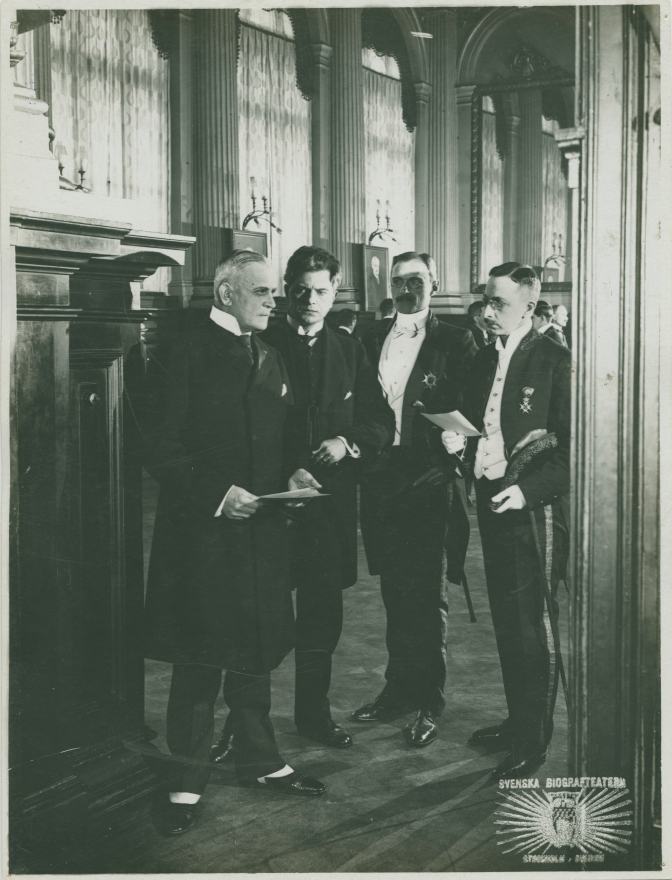
Enter the Countess—Doris Nelson channeling a marble bust that has learned to exhale—whose carriage rattles past the riverbank just as the infant’s basket bobs among the reeds. One smash-cut later, the foundling is christened Edmond and grows into Nicolai Johannsen, a boy whose posture is perpetually apologetic for taking up space. Around him the servants whisper about “the changeling,” while the Countess trains him in the art of social camouflage: speak only when the silver is aligned, smile as though your teeth were on loan.
The film’s middle section is a fever of mirrors. Levy blocks scenes so that characters are forever regarding their own reflections—sometimes literally, sometimes in the sheen of a polished breastplate or the black gloss of a pond. Each reflection is fractionally delayed, as if the world itself were lip-synching. The motif crescendos when Edmond, now a cavalry cadet, duels a fellow officer over a joke about “circus bastards.” His sword splits the rival’s cheek guard, and for a heartbeat the screen fills with a crimson iris-in that feels like a birth announcement in reverse.
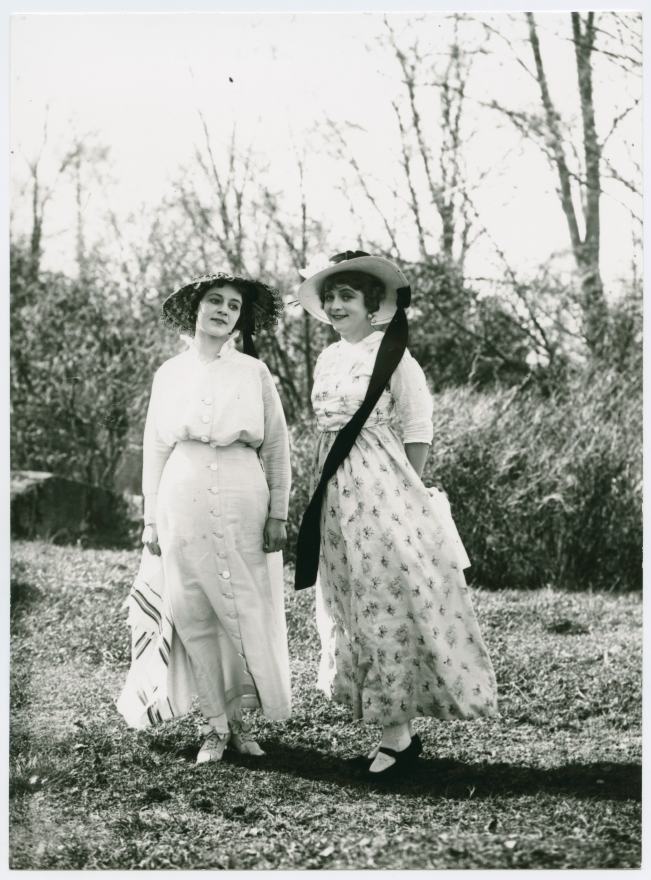
Parallel to this, Ayla survives on clairvoyance. In smoky taverns she reads cards for soldiers who laugh until her predictions manifest: a missing husband found hanged, a fortune in grain lost to mildew. Word spreads; the same aristocrats who would have her whipped for vagrancy now slip coins across the table, careful not to touch her fingertips. Halldén plays these scenes with the weary dignity of a woman who has pawned her own shadow. Every forecast she gives is laced with subtext: “You will outlive your purpose,” she tells a dowager, staring straight through the powdered mask to the skull beneath.
Technically, the film is a study in tenebrism. Cinematographer Albin Lavén paints with pools of kerosene light that lap at the edges of faces, leaving eyes glinting like nails. The camera seldom moves; instead it waits, patient as a spider, while characters drift into illumination and then recoil. The intertitles—rendered here in digital restorations with a yellow tint reminiscent of nicotine—are sparse, almost aphoristic: “A name is a tether; cut it and the world renames you.”
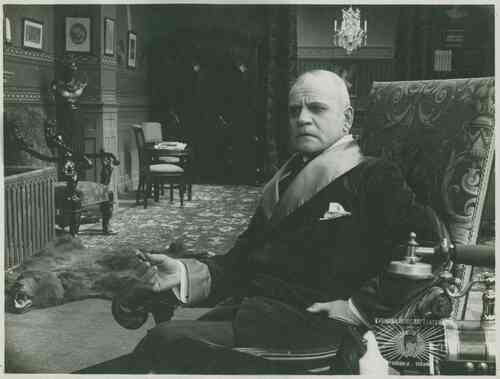
Composer Otto Malmberg’s original score, reconstructed from a 1923 chamber arrangement, alternates between lullabies in Hungarian minor and stabbing brass that evokes the military marches of Napoleon—a reminder that Europe’s borders were shifting like dunes while this intimate tragedy played out in Stockholm’s backlots. The dissonance is intentional: personal disgrace set against continental conflagration.
Supporting performances feel chiseled rather than acted. Ernst Eklund as the Countess steward carries his ledger like a hymnal, every entry a sin confessed to no one. Carl Apolloff portrays a smuggler-priest whose cellar hosts both contraband silk and fugitive mothers, a man convinced that grace is a currency devalued by over-printing. Even bit players—Thure Holm’s drunken farrier, William Larsson’s telegram boy—seem recruited from some archival photograph that has learned to breathe.
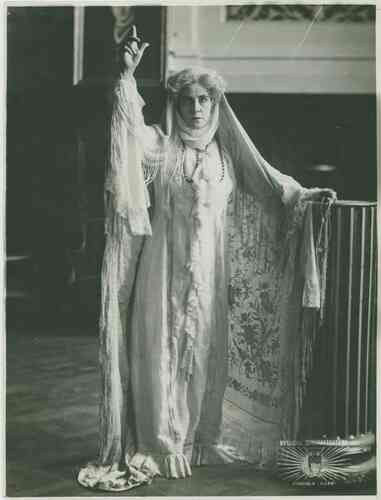
The climax transpires during a Lenten masquerade where domino masks serve less as disguise than as confession. Edmond, now cognizant of his bastardy, arrives costumed as a phoenix—feathers of gilt paper, wings that wilt under chandelier heat. Ayla, hired to tell fortunes in a side salon, recognizes the scar on his wrist (a childhood burn she once soothed with chamomile). Their recognition is filmed in a double exposure: mother and son superimposed over a montage of prior betrayals, the filmstrip itself seeming to buckle under emotional weight. She utters no words; simply presses into his palm the tarot card of The Hanged Man, reversed—signifying release.
What follows is not reconciliation but mutual abdication. Edmond cannot abdicate the aristocracy that has grafted itself onto his marrow; Ayla refuses to reclaim a son who has been re-engineered by privilege. The final tableau shows her departing the city at dawn, caravan reduced to a single wagon, the Countess’s coach visible on a distant ridge—two vectors heading toward opposite horizons, equally exiled from truth.
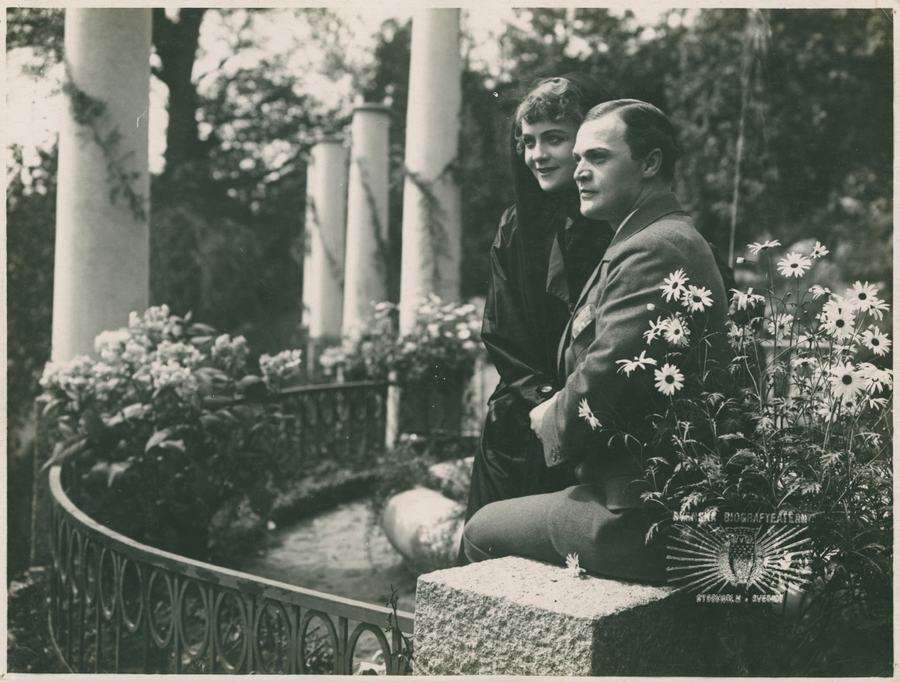
Contemporary critics, particularly in Svenska Dagbladet, praised the film’s “relentless chiaroscuro” yet balked at its “defeatist refusal of redemption.” Viewers today will detect pre-echoes of Wildfire’s fatalism and the class vertigo found in The Lady of Lyons. The picture also converses with Pierre of the Plains in the way landscape moralizes temperament: the open road is not freedom but a proscenium where punishment rehearses.
“We are not punished for our sins; we are punished by them,” reads the penultimate intertitle—a line that could serve as epitaph for an entire era that mistook nationalism for destiny.
Restoration notes: the 2018 Scandinavian Film Institute 4K scan salvaged a nitrate print discovered in a Tallinn attic beneath ledgers of Czarist salt duties. Approximately twelve percent remains lost, including (infuriatingly) the rumored childbirth scene shot in a real rainstorm. Yet the gaps enhance the dream-dislocation, as if the movie itself were subject to the same curse it dramatizes.
Interpretively, Madame de Thebes is a meditation on naming as original violence. The gypsy king’s erasure of his daughter’s name and the Countess’s imposition of a new one on the infant are symmetrical acts of colonization. Between these erasures, identity becomes palimpsest: every attempt to write a future only uncovers the scars of prior inscriptions. The film refuses catharsis because catharsis presumes a stable self to receive cleansing; here, selves are permeable, traded like currency.
For cinephiles tracking the genealogy of Nordic noir, the picture stands as a missing link between the moral chill of The Doom of Darkness and the existential vistas later mined by Dreyer and Bergman. Its influence is subcutaneous rather than overt: you feel it in the way Victor Sjöström would later frame windows as moral verdicts, in how Ingmar Bergman lets silence metastasize into accusation.
Reception trivia: when the film premiered in Kristiania (now Oslo) in March 1918, local authorities demanded the deletion of the intertitle referencing “the stink of baptismal water,” deeming it blasphemous. Levy reportedly shrugged, replaced it with a blank card three seconds longer, allowing viewers to project their own heresy.
Home-media availability: currently streaming on Arkivet (Scandi region-locked) with optional English subtitles translated by poet Jeremy Tran, whose rendering of Romani idioms preserves their salt-bitten cadence. A Blu-ray box set—mooted for 2025—is rumored to include a new score by Rebekka Karijord that replaces orchestral swell with prepared piano and heartbeat percussion.
Final assessment: Madame de Thebes is not a comfortable watch, nor was it meant to be. It is a velvet glove turned inside out to reveal the seams of thorns. To sit through its 78 minutes is to emerge with the taste of iron on your tongue, half-convinced that your own surname is a stranger’s lullaby you once overheard and mistook for fate. Seek it out, but prepare to leave your reflection behind in the final fade-out—because the film, like the curse it depicts, knows how to keep what you cannot afford to lose.

IMDb —
1921
Community
Log in to comment.