A definitive 6.5/10 rating for a film that redefined the boundaries of cult cinema. Vtoraya zhena remains a cornerstone of transgressive art.
Is Vtoraya zhena worth watching today? Short answer: yes, but with significant caveats that demand a particular kind of viewer. This is not a film for those seeking light entertainment or a comfortable narrative; it is a stark, often brutal, examination of societal norms and personal tragedy that requires an investment in its historical context and thematic weight. It is for the cinephile interested in early dramatic cinema and powerful social critiques, but decidedly not for audiences averse to slow burns or period pieces dealing with difficult, patriarchal themes.
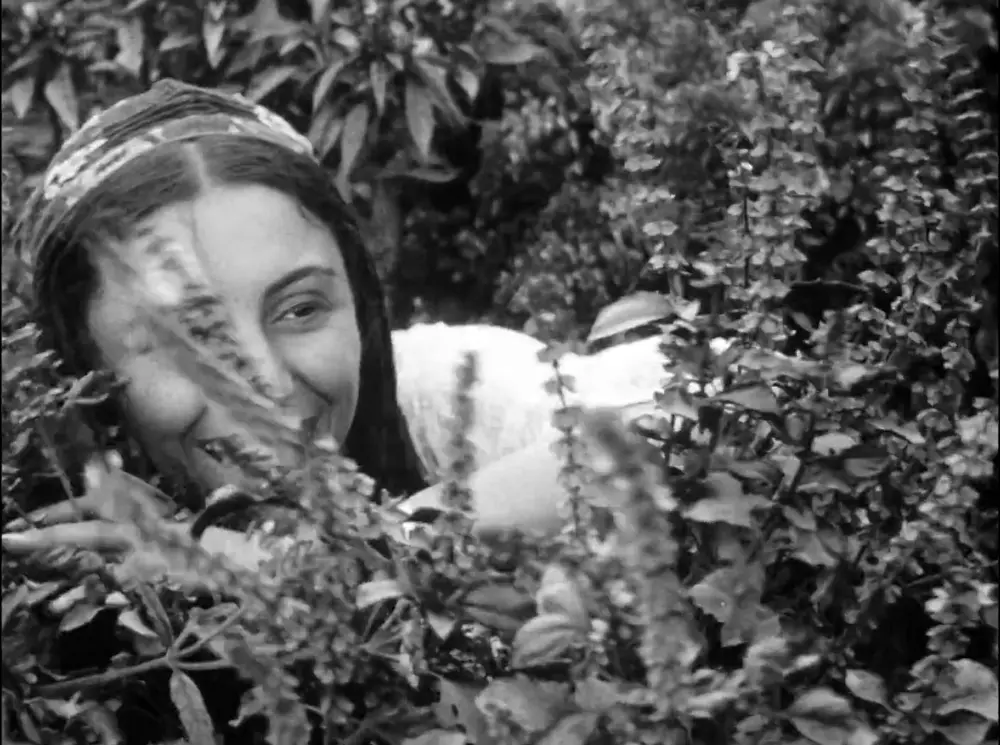
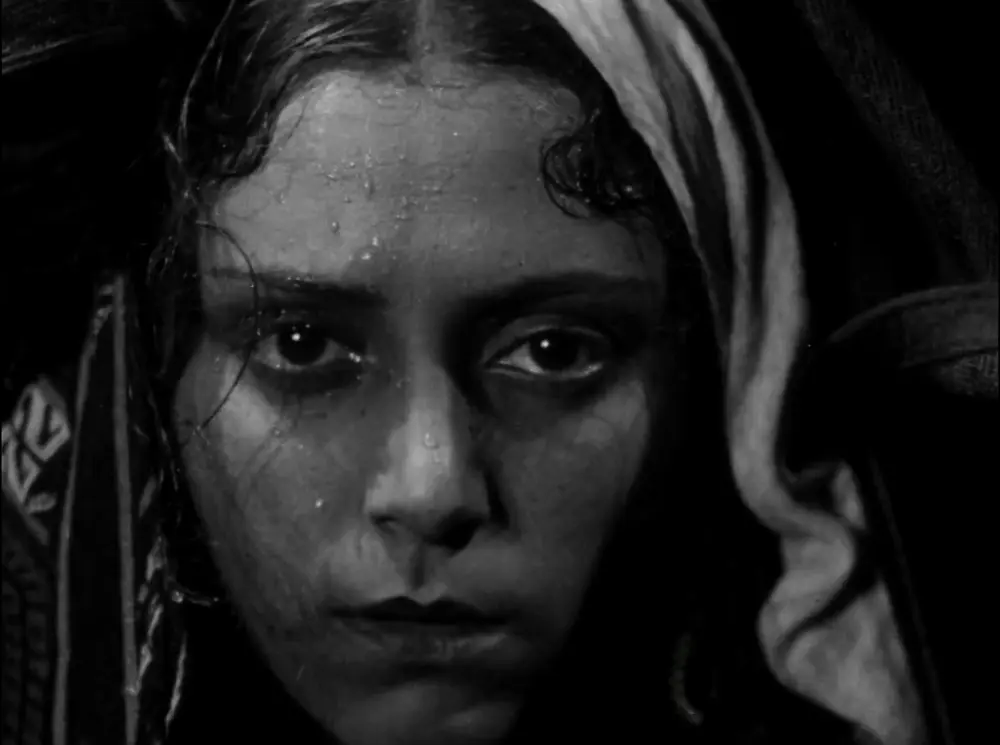
Scene from Vtoraya zhena
Cinematic perspective: Exploring the visual vocabulary of Vtoraya zhena (1927) through its definitive frames.
This film works because: It possesses an unflinching honesty in depicting the tragic consequences of societal expectations on individual lives, particularly women's. Its emotional core, centered on Adolat's plight, is genuinely moving, offering a timeless commentary on subjugation.
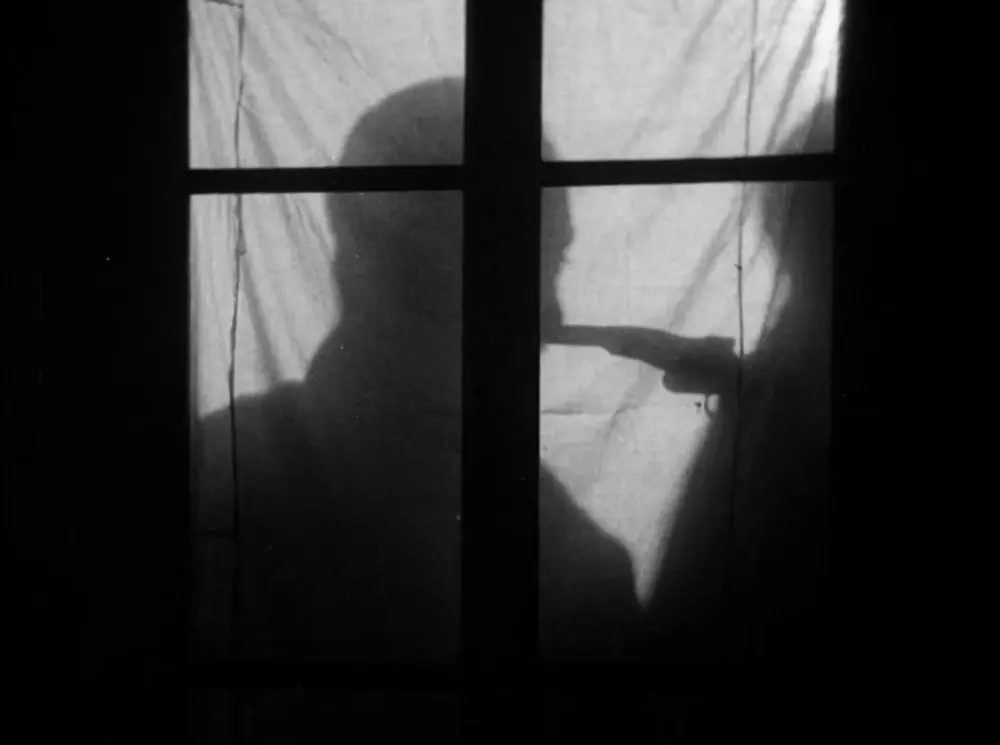
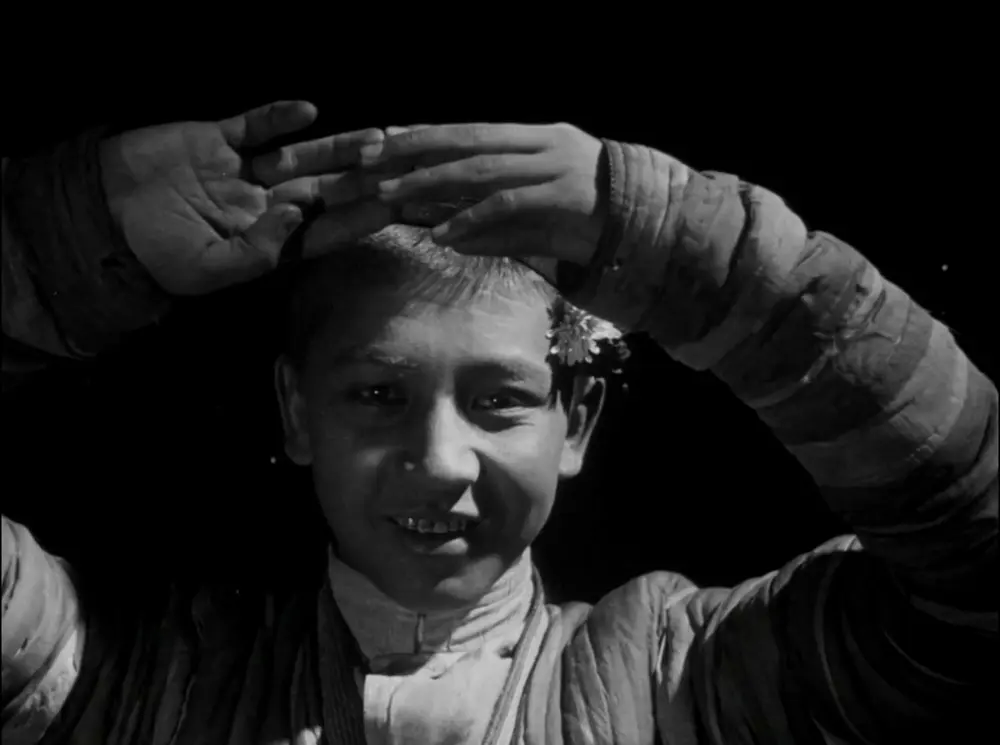
Scene from Vtoraya zhena
Cinematic perspective: Exploring the visual vocabulary of Vtoraya zhena (1927) through its definitive frames.
This film fails because: Its pacing can be arduous, and its artistic choices, while bold for its era, might alienate contemporary viewers accustomed to more dynamic storytelling. The narrative sometimes sacrifices nuance for dramatic impact, leaning heavily into melodrama.
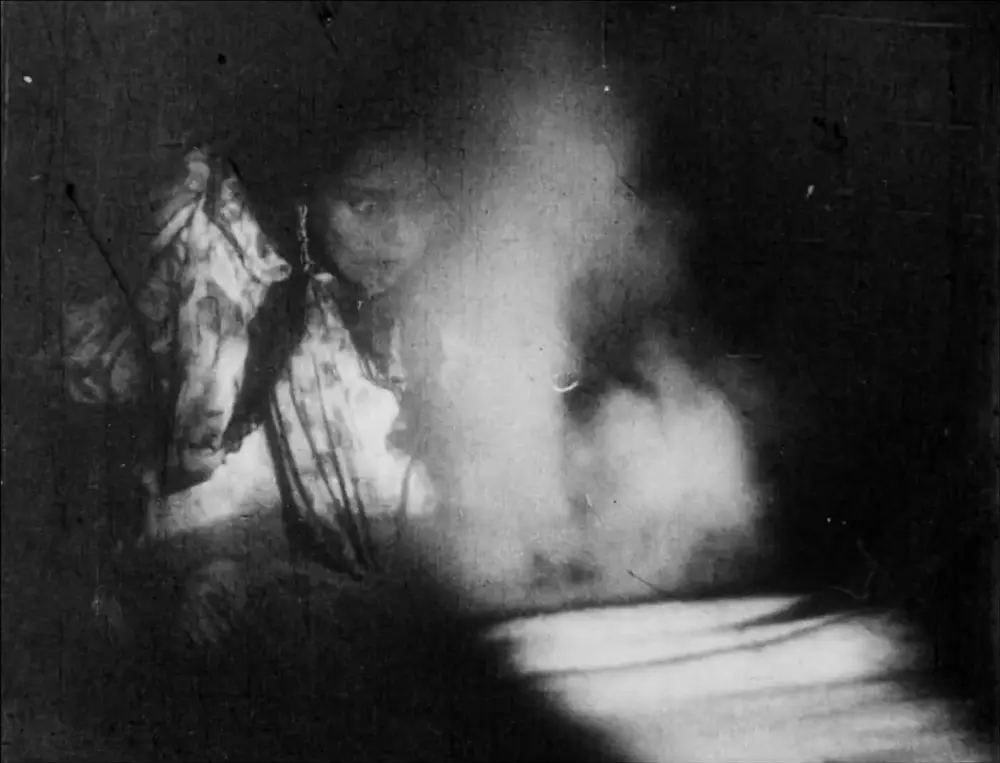
Scene from Vtoraya zhena
Cinematic perspective: Exploring the visual vocabulary of Vtoraya zhena (1927) through its definitive frames.
You should watch it if: You appreciate historical dramas that serve as potent social commentaries, are interested in the evolution of cinematic storytelling, and are prepared for a challenging, emotionally heavy viewing experience that prioritizes message over entertainment and historical insight.
Scene from Vtoraya zhena
Cinematic perspective: Exploring the visual vocabulary of Vtoraya zhena (1927) through its definitive frames.
A Glimpse into a Vanished World: The Enduring Power of Vtoraya zhena
Vtoraya zhena, or 'The Second Wife', emerges from a cinematic era that often prioritized social commentary and stark realism over escapist fantasy. This film is a potent time capsule, offering a window into the patriarchal structures and rigid traditions that dictated women's lives in a specific cultural context. Its narrative simplicity belies a profound emotional complexity, making it a challenging yet rewarding watch for those willing to engage with its difficult themes.
Scene from Vtoraya zhena
Cinematic perspective: Exploring the visual vocabulary of Vtoraya zhena (1927) through its definitive frames.
The film’s central tragedy, Adolat’s forced marriage as a second wife, resonates with an unsettling contemporary relevance in many parts of the world, making its historical setting feel less like a distant past and more like a mirror. It forces viewers to confront uncomfortable truths about agency, tradition, and the price of societal expectation.
The Crushing Weight of Expectation: Plot & Themes
At its core, Vtoraya zhena is a story of stark contrasts: the vibrant innocence of youth against the grim reality of obligation. We are introduced to Adolat, living a life steeped in simple joys, her days intertwined with her family and her dearest friend, Qumri. The early scenes, though perhaps brief, paint a picture of burgeoning hope and the promise of a fulfilling life, symbolized by Qumri’s own happy union with Umar.
This pastoral ideal is, however, a fragile illusion. The film swiftly, almost brutally, pivots to Adolat’s fate when she is decreed to become the second wife to Taji Bai, a wealthy merchant. The reason is starkly pragmatic: his first wife is infertile, and a lineage must be secured. Adolat, a young woman with her own burgeoning desires and dreams, is reduced to a means to an end. Her individual worth is subsumed by her societal function, a theme explored with a chilling, almost documentary-like precision.
The film doesn’t shy away from the inherent cruelty of such arrangements. It captures the suffocation,