DbcultAccessing Vault...
5/10
Senior Film Conservator
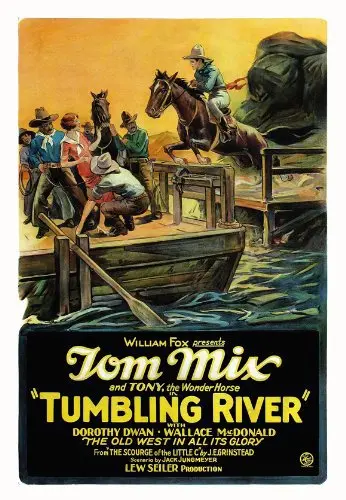
A definitive 5/10 rating for a film that redefined the boundaries of cult cinema. Tumbling River remains a cornerstone of transgressive art.
Is Tumbling River worth watching today? Short answer: yes, but with significant caveats that demand a specific viewing mindset. This silent Western from 1927, starring the legendary Tom Mix, is less a profound cinematic experience for the casual modern viewer and more a fascinating historical artifact – a vibrant snapshot of early genre filmmaking and the undeniable charisma of its star.
It’s ideal for cinephiles interested in the evolution of the Western, silent film enthusiasts, and Tom Mix completists who revel in his brand of heroic derring-do. However, those accustomed to contemporary narrative pacing, complex character arcs, and sophisticated dialogue may find its charms elusive, even frustratingly simplistic. This is a film that requires an appreciation for its context, a willingness to engage with its particular language, and perhaps a touch of nostalgic indulgence.
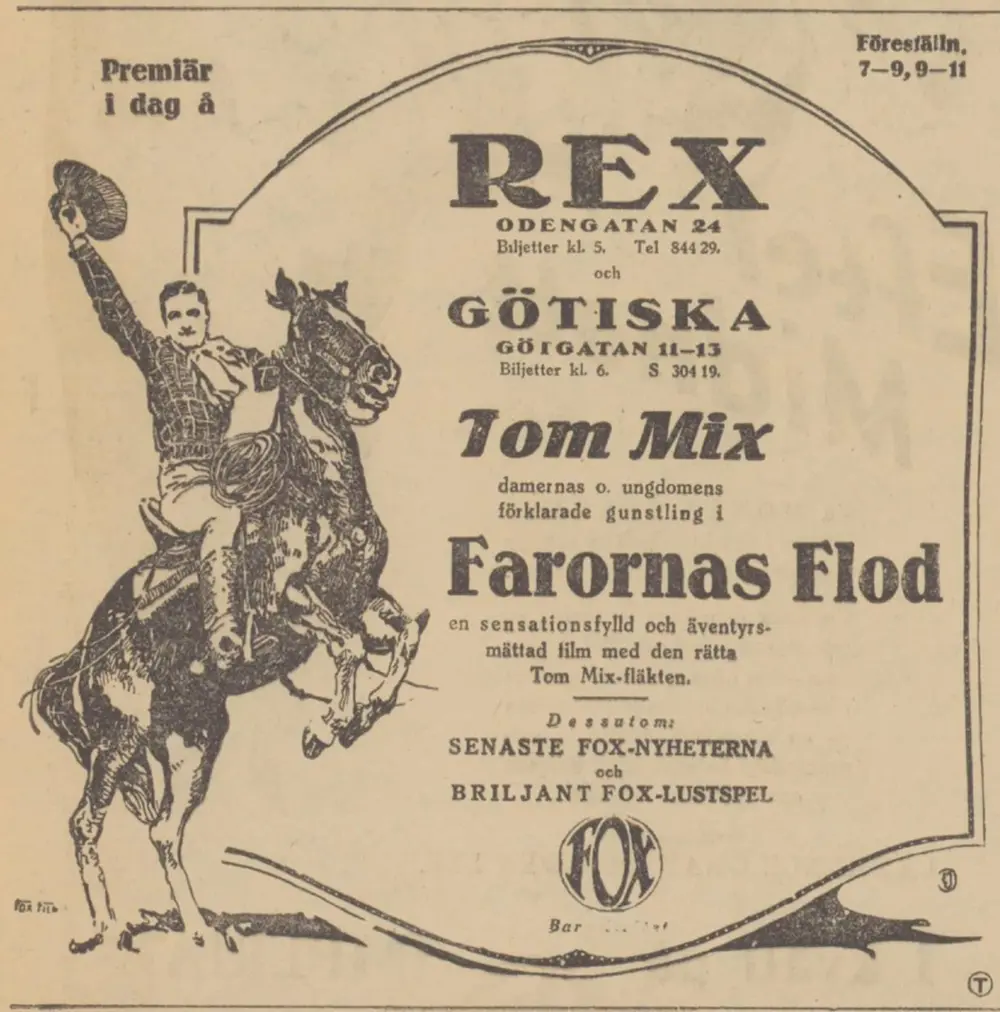
Let’s get straight to it. For all its historical value and frontier spectacle, Tumbling River has distinct strengths and weaknesses that define its place in the cinematic landscape.
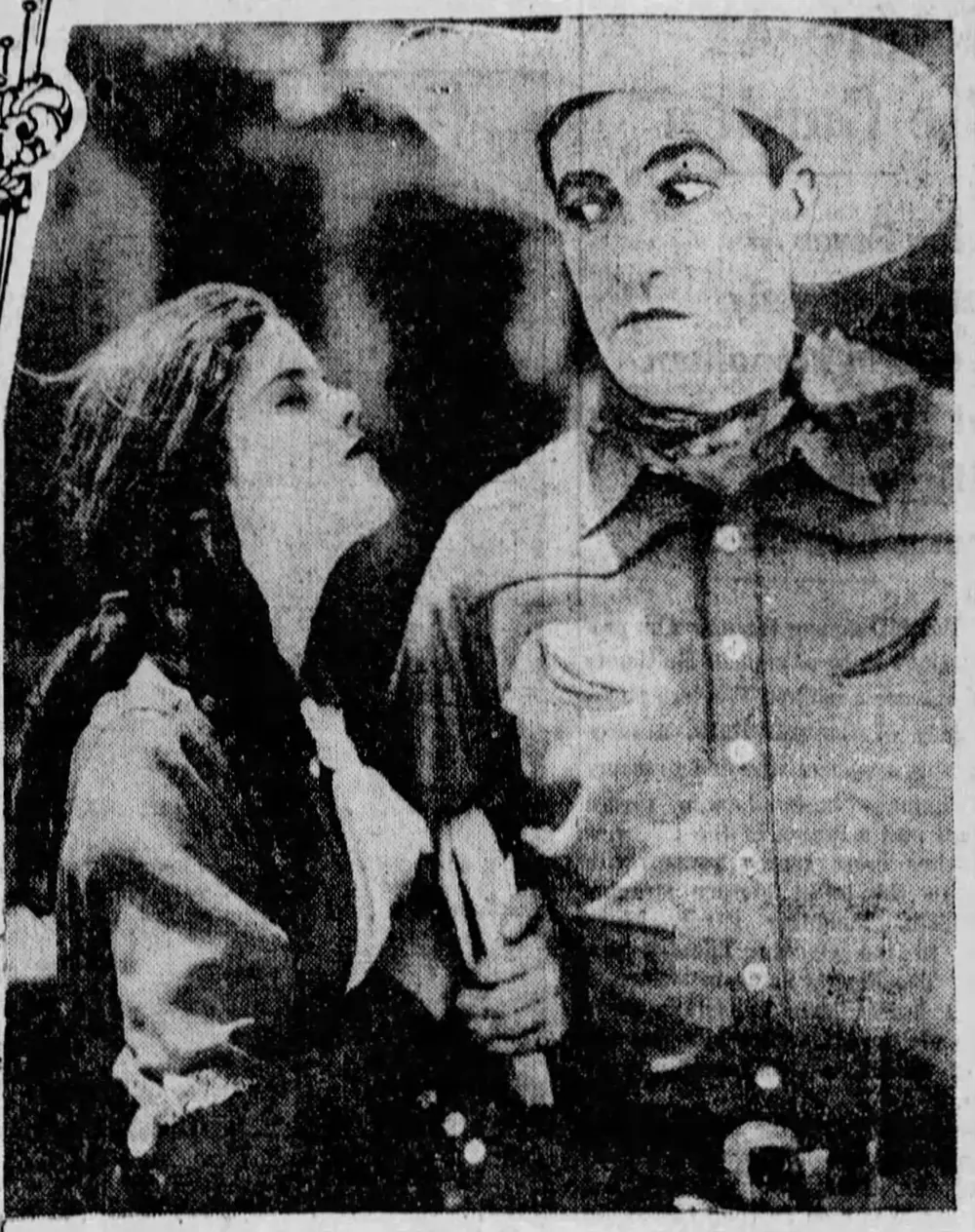
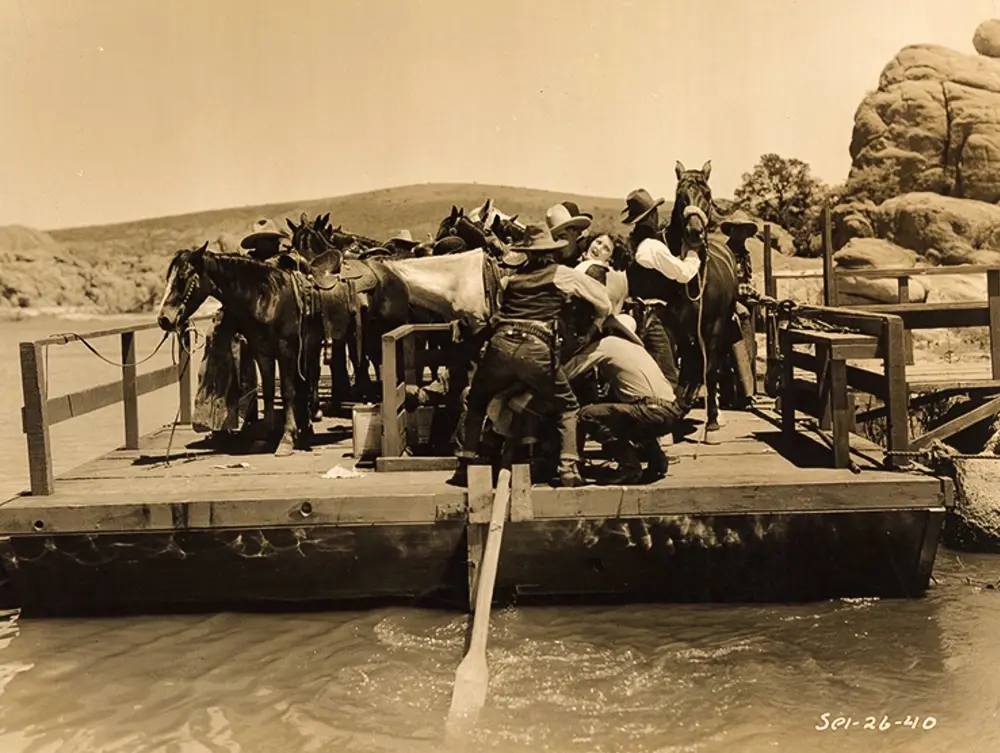
The narrative spine of Tumbling River is, by modern standards, refreshingly uncomplicated, yet it served as the bedrock for countless Westerns to follow. We are introduced to Tom Gier, portrayed by the iconic Tom Mix, not merely as a rancher, but as an embodiment of the rugged individualist, whose livelihood – and indeed, his very identity – is tied to his magnificent horses. When these prized animals are brazenly stolen by a gang of rustlers, Gier’s pursuit transcends mere property recovery; it becomes a quest for justice in a land where law is often self-administered. His relentless tracking leads him deeper into the wilderness and, crucially, into the path of Edna Barton (Dorothy Dwan), a young woman caught in the clutches of the very same nefarious gang. Her sudden appearance transforms Gier’s mission, adding a layer of chivalry to his quest for vengeance. The stakes escalate dramatically as Gier finds himself not only battling the human element of the rustlers but also the raw, untamed power of nature itself. A climactic sequence sees him grappling with a fast-moving river, a force as formidable as any outlaw, all while attempting to rescue Barton and bring the entire criminal operation to a definitive halt. It’s a quintessential saga of good versus evil, man versus nature, all distilled into a compact, action-packed silent film.
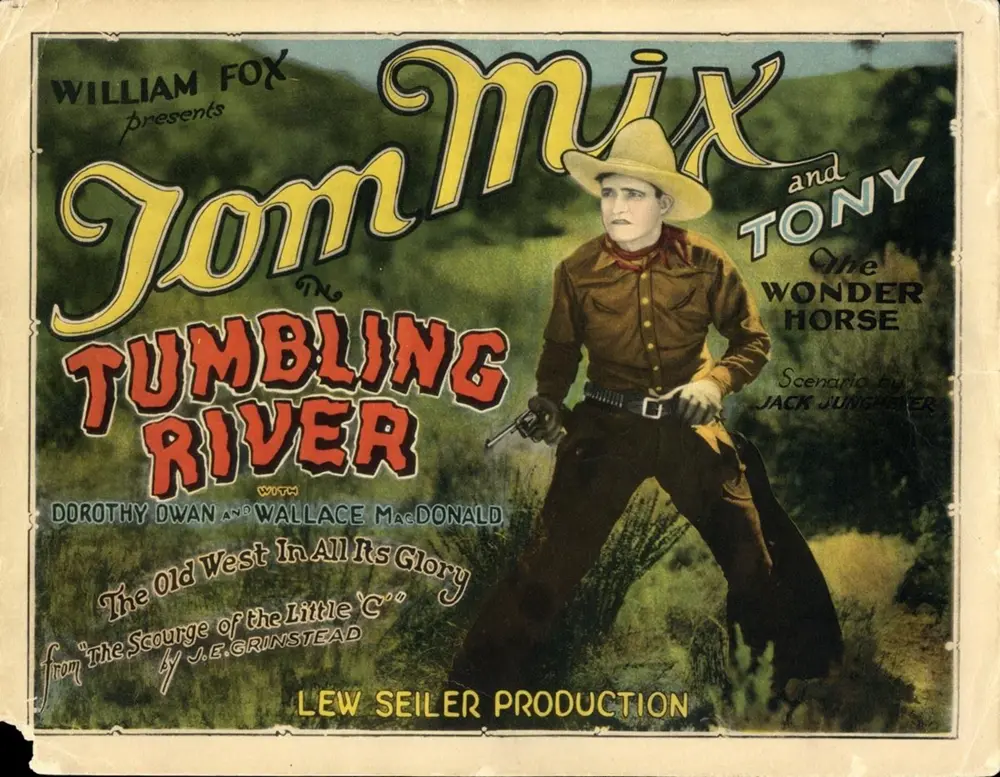
Tom Mix was more than an actor; he was a phenomenon, a brand, and arguably the first true action star of the silver screen. In Tumbling River, his presence is the undisputed gravitational center. Mix's performance isn't about nuanced emotional arcs or subtle character development; it's about physical prowess, unwavering heroism, and a magnetic, almost larger-than-life charm that leaps off the screen even without a single spoken word. He rides like a centaur, shoots with impossible accuracy, and performs stunts that would make modern insurance adjusters blanch. Consider the sequence where he leaps from his horse, Tony, onto another horse in motion during a chase – a moment of pure, unadulterated physical daring that epitomizes his appeal. This isn't just acting; it's a demonstration of a highly specialized skill set, a blurring of the lines between performer and stuntman that was characteristic of Mix's appeal.
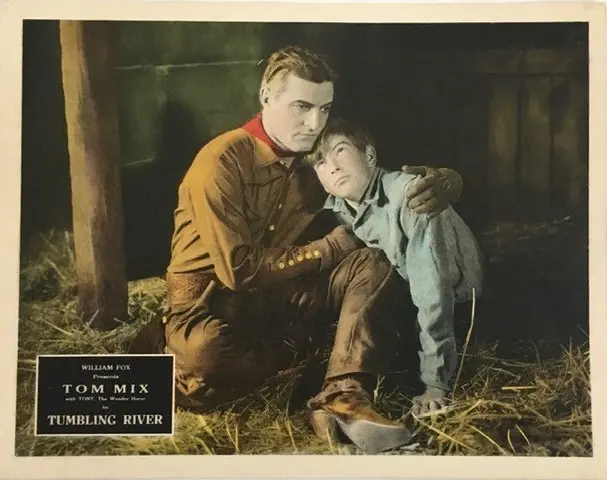
His interactions with his magnificent horse, Tony, are a highlight, often conveying more genuine connection and narrative progression than many human dialogues of the era. Tony isn't just a prop; he's a co-star, performing tricks and aiding Mix with an intelligence that is genuinely astonishing. The way Tony anticipates Mix's movements, or even appears to 'think' through a situation, such as navigating treacherous terrain or responding to subtle cues, adds an unexpected layer of character to the animal companion,
IMDb 6.5
1927
Community
Log in to comment.