DbcultAccessing Vault...
Cult Review
Senior Film Conservator
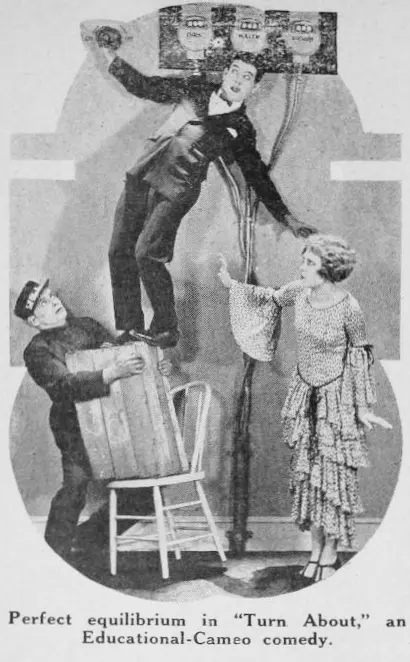
In the annals of early cinema, few narratives cut as sharply to the quick of human venality and consumer manipulation as Turn About. This unassuming silent short, a fascinating artifact from an era burgeoning with cinematic experimentation, unfurls a tale not merely of salesmanship, but of an audacious, almost artistic, form of engineered demand. It’s a film that, with a mischievous grin, pulls back the curtain on the darker mechanics of commerce, where a problem isn't solved, but meticulously created, then monetized. The genius, or perhaps the depravity, lies in its simplicity: a house-to-house salesman, not content with merely peddling his wares, actively sows the seeds of necessity before harvesting the profits. This isn't just business; it's a cynical ballet of entrapment, performed on the unsuspecting stage of domestic tranquility.
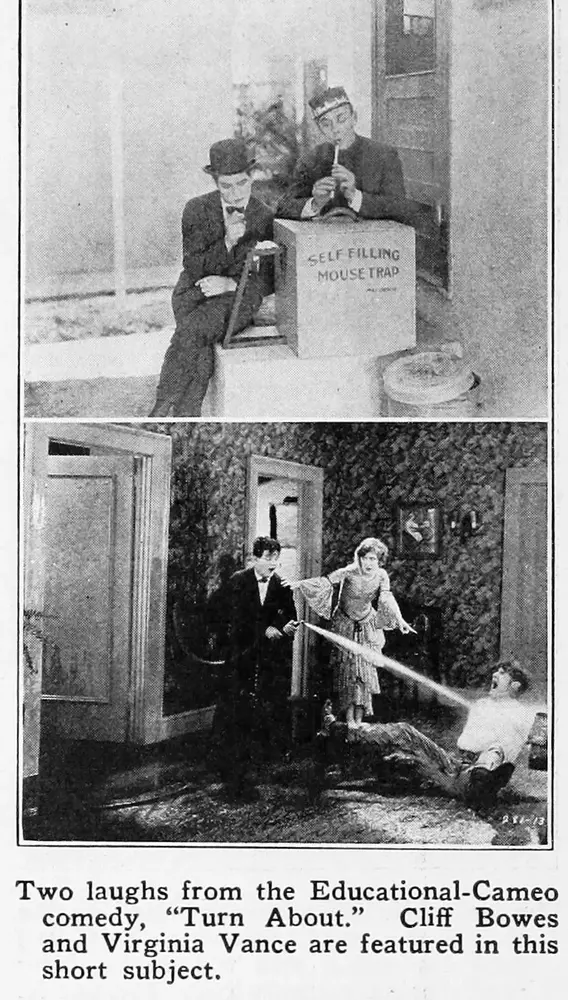
At the heart of this ingenious deception stands Sidney Smith, embodying the quintessential, albeit morally bankrupt, entrepreneur. His portrayal of the salesman is a masterclass in understated villainy, devoid of overt malice yet brimming with a calculating pragmatism that chills to the bone. Smith doesn't strut or gesticulate wildly; instead, he operates with a quiet, almost furtive efficiency. His hands, seemingly innocent, become instruments of mild chaos as he deftly plants live mice in the homes he visits. This isn't a brute force sales tactic; it's a psychological gambit, a subtle infiltration of the domestic sphere that preys on the innate human desire for order and cleanliness. We witness the almost imperceptible flick of the wrist, the quick, practiced motion as a small, furry creature is released from a hidden pouch, setting off a chain reaction of domestic terror. The brilliance of Smith's performance lies in his ability to maintain an air of unassuming cordiality even as he commits these acts of mild sabotage. He is the wolf in sheep's clothing, not through disguise, but through a veneer of harmless civility that makes his actions all the more insidious. His character is a precursor to many a cinematic con artist, perhaps echoing the subtle manipulations seen in films like Caught Bluffing, where clever schemes are central to the narrative, though often with different stakes.
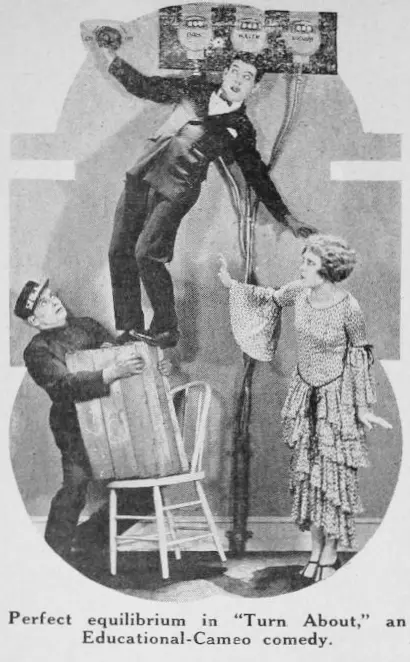
The film’s focus on the salesman’s methodology is particularly compelling. We witness not just the act of planting the mice, but the quiet satisfaction, the almost scientific observation of the burgeoning problem. This is a man who understands human psychology, who knows that a sudden, inexplicable infestation will create a heightened sense of urgency and a desperate need for a solution. He doesn't just sell a product; he sells relief from a manufactured anxiety. He observes the housewife's escalating panic, her frantic attempts to restore order, and understands that each moment of distress is an investment in his eventual sale. This narrative thread resonates with a timeless critique of certain business practices

IMDb 5.7
1932
Community
Log in to comment.