DbcultAccessing Vault...
6.6/10
Senior Film Conservator
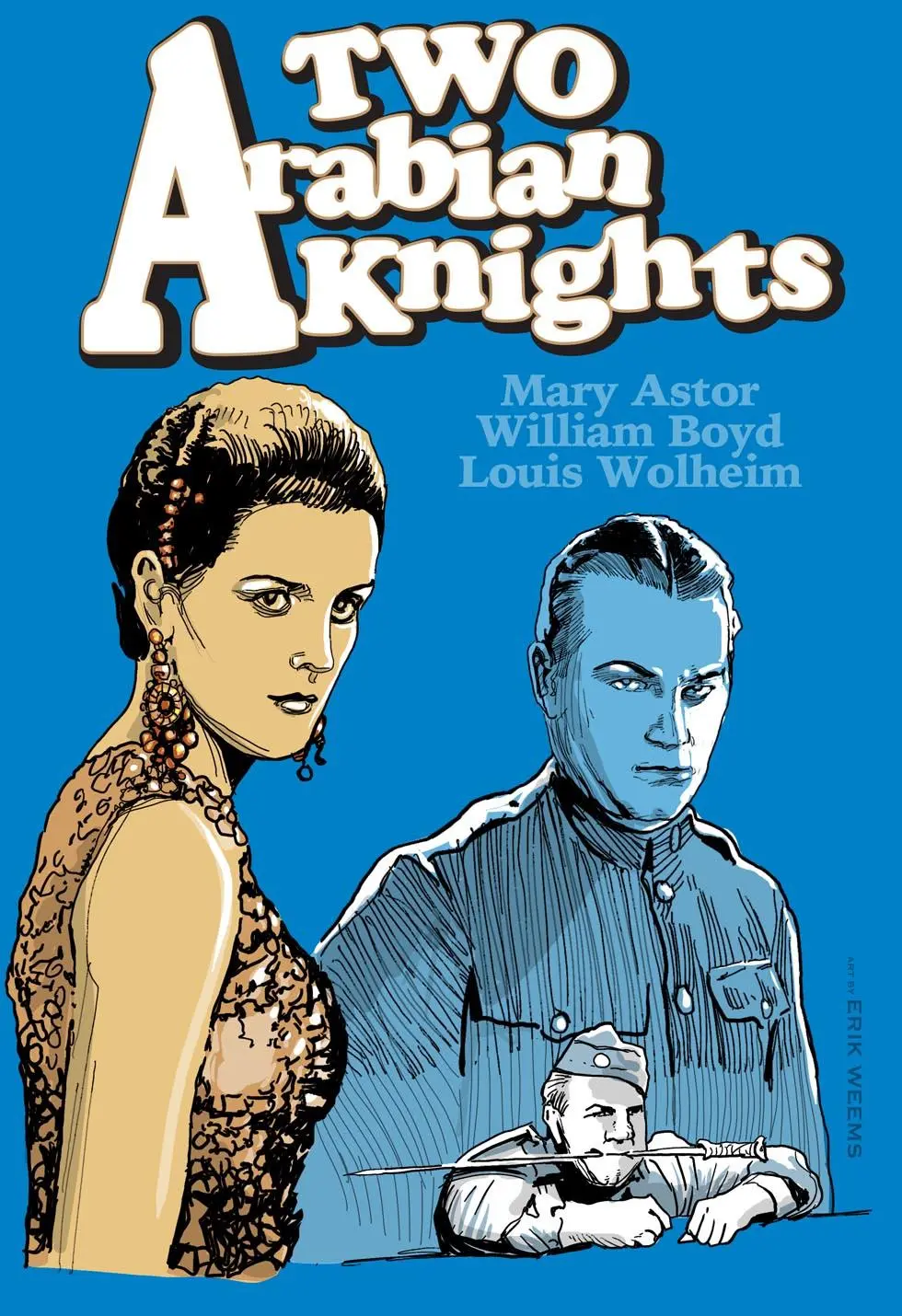
A definitive 6.6/10 rating for a film that redefined the boundaries of cult cinema. Two Arabian Knights remains a cornerstone of transgressive art.
Is this film worth watching today? Short answer: Yes, but only if you can look past the heavy-handed cultural tropes of the 1920s to find a surprisingly modern buddy-comedy dynamic. This film is for viewers who want to see the literal blueprint for the 'mismatched partners' genre, but it is certainly not for those who demand fast-paced action or political correctness.
Before we dive into the grit of the trenches and the sands of Jaffa, let's be clear about where this film stands. It is a historical curiosity that managed to win the only Academy Award ever given for 'Best Director of a Comedy Picture.' It sits in a strange space between the grim reality of the Great War and the escapist fantasy of the Arabian Nights.
1) This film works because the chemistry between William Boyd and Louis Wolheim feels authentic and lived-in, predating the 'frenemy' trope by decades.
2) This film fails because the second half loses the narrative tension of the escape and devolves into a series of predictable, often culturally insensitive, romantic misunderstandings.
3) You should watch it if you are a fan of Lewis Milestone’s later work or if you want to see a young, pre-horror Boris Karloff in a brief, uncredited appearance.
If you are looking for a masterpiece of silent cinema on par with something like Lazybones, you might find this a bit too chaotic. However, for a film that was lost for decades in Howard Hughes' private vault, it remains remarkably fresh. The humor isn't just slapstick; it’s character-driven. The way O'Gaffney looks at Phelps with a mixture of paternal protectiveness and pure, unadulterated annoyance is something anyone with a sibling or a long-term partner will recognize.
It is a rare treat to see a silent film that prioritizes the 'vibe' of its characters over the plot. The plot is, frankly, a mess. But the characters are gold. It works. But it’s flawed.
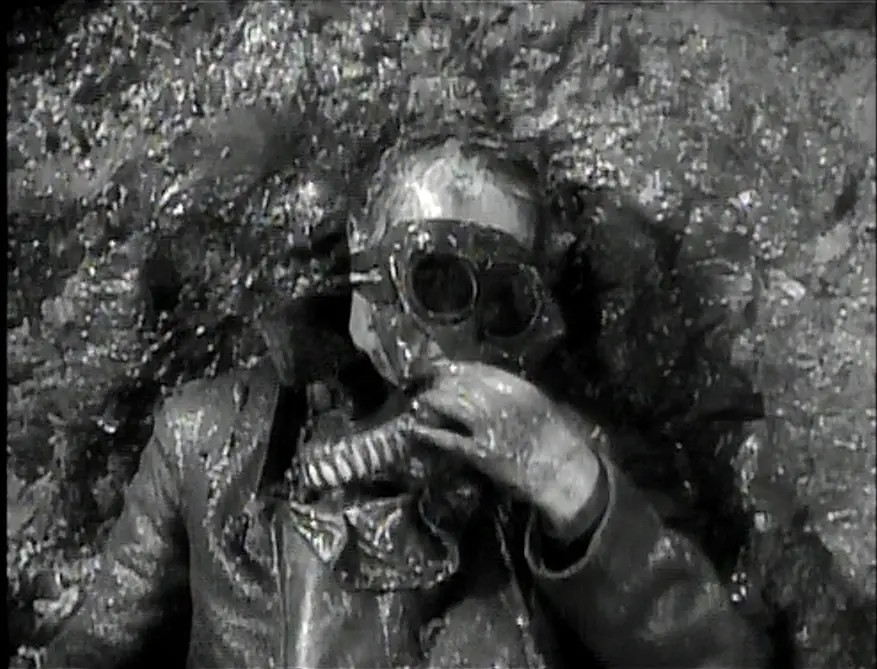
Lewis Milestone is often remembered for the harrowing realism of his later war films, but here, he demonstrates a deft hand for comedic timing. The opening sequence in the trenches is a perfect example. We see the mud, the grime, and the genuine danger, but Milestone uses the environment to highlight the absurdity of the soldiers' bickering. Unlike the more polished action in The Pace That Thrills, the movement here is jagged and frantic.
Milestone’s use of deep focus during the POW camp scenes allows the audience to track multiple gags at once. While Phelps is trying to maintain his dignity, O'Gaffney is in the background, causing subtle havoc. This layered approach to comedy was ahead of its time. It’s a shame the Academy retired the 'Comedy Direction' category, as this film proves that directing humor requires a specific, rhythmic precision that is distinct from drama.
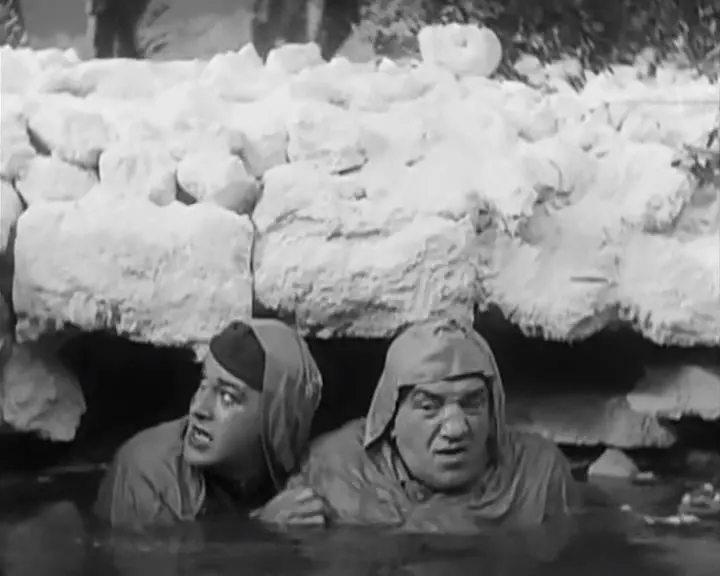
Louis Wolheim is the absolute soul of this movie. With a face that looks like it was carved out of a granite quarry, he shouldn't be a romantic lead or even a comedic one, yet he dominates every frame. His performance is earthy and physical. In the scene where they are hiding under a white sheet to escape through the snow, his eyes convey a level of panic and frustration that dialogue would only ruin.
William Boyd, who would later become famous as Hopalong Cassidy, plays the 'straight man' Phelps. He is a bit too clean-cut for my taste. He looks like he belongs in a film like April Folly rather than a muddy trench. The contrast between his polished features and Wolheim’s ruggedness is the film's greatest asset. It’s a debatable opinion, but I believe the film would have been far less memorable if a more traditional leading man had been cast in Wolheim's place.
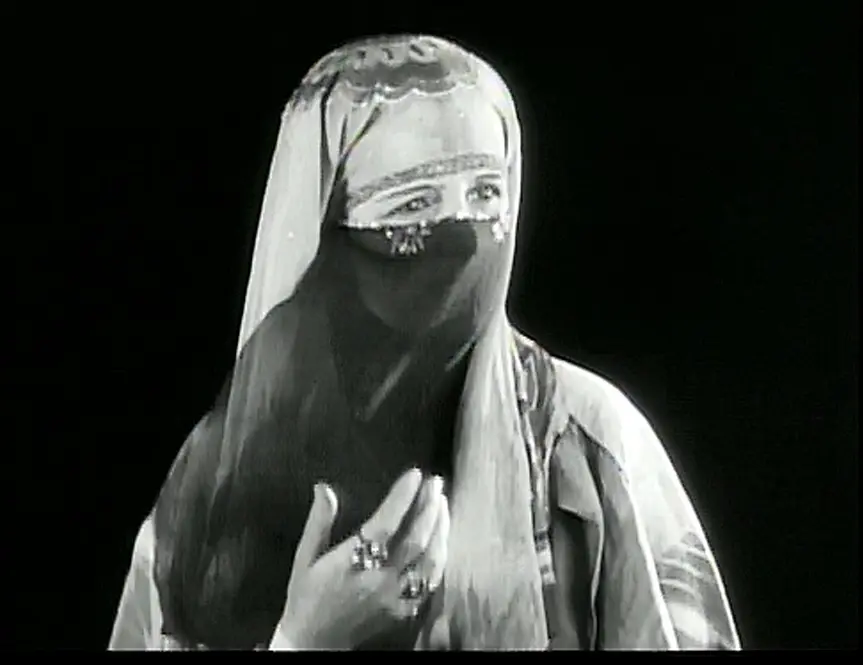
Mary Astor as Mirza is luminous, though her role is unfortunately relegated to the 'damsel in distress' archetype. She does what she can with the material, but the heart of the movie is the bromance, not the romance. When compared to the female leads in The Tigress, Astor feels underutilized here. Her function is mostly to provide a reason for the two men to keep running.
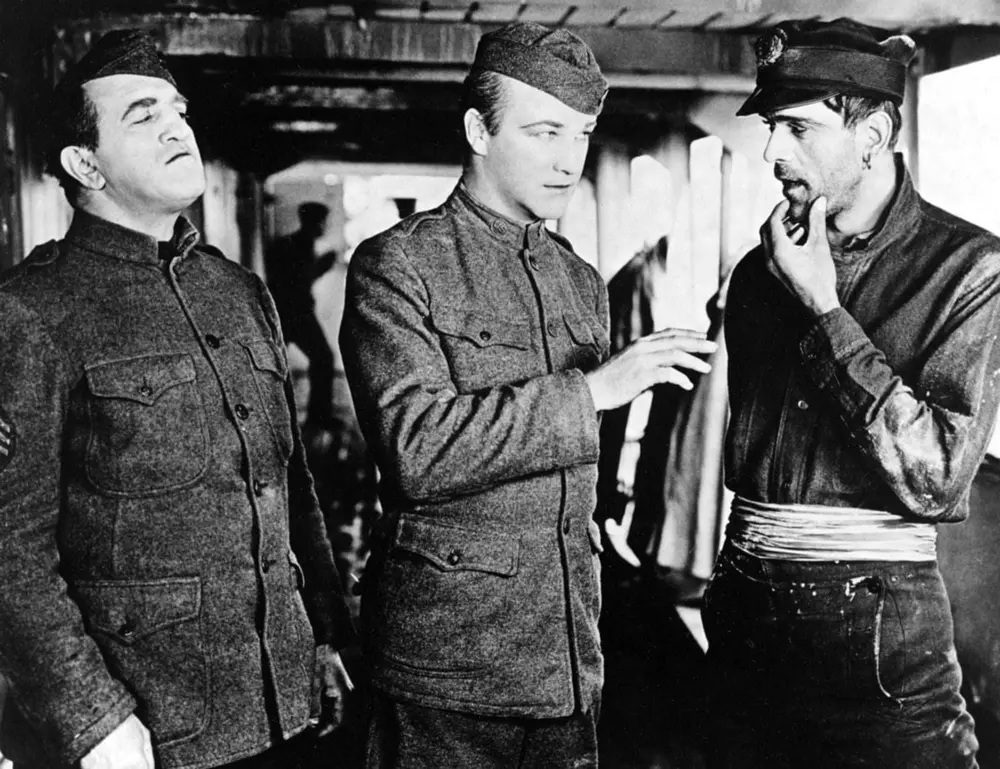
The cinematography by Tony Gaudio and Joseph August is surprisingly varied. The first act is dark, claustrophobic, and heavy on shadows, mirroring the entrapment of the POW camp. Once the setting shifts to the ship and then to Arabia, the lighting becomes high-key and expansive. This visual shift mimics the characters' sense of freedom, even as they trade one set of problems for another.
One specific moment that stands out is the escape from the hay cart. The way the light filters through the slats of the wood as the German bayonets pierce the hay creates a genuine sense of dread that is quickly punctured by a comedic payoff. It’s a masterclass in tonal shifting. It’s not as experimental as something like Open Your Eyes, but it is technically proficient for 1927.
The film’s greatest weakness is its pacing in the middle act. Once they leave the POW camp, the narrative momentum stutters. The transition from a war-escape movie to an 'Arabian adventure' feels like two different films stitched together. It lacks the cohesive flow found in shorter comedies like Look Out Below or the focused narrative of Postage Due.
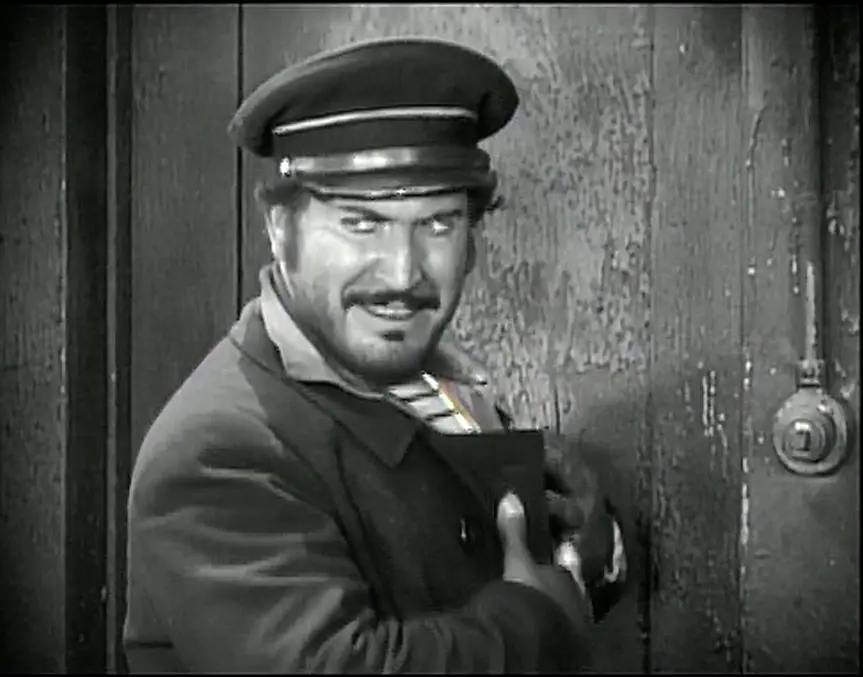
The 'Orientalist' tropes of the second half are also difficult to ignore. The portrayal of the Emir and his court is a collection of every cliché available to Hollywood at the time. While this was standard for the era, it makes the film a harder sell for modern audiences. However, if you view it through the lens of a 1920s fantasy, there is a certain charm to the elaborate sets and costumes.
Pros:
- Exceptional chemistry between the two leads.
- High production values for the era, especially the ship and desert sets.
- An important piece of film history that was nearly lost forever.
- Genuine laughs that still land nearly a century later.
Cons:
- Dated and stereotypical portrayal of Middle Eastern culture.
- The romantic subplot feels forced and less interesting than the friendship.
- William Boyd is a bit too 'stiff' compared to the expressive Wolheim.
Two Arabian Knights is a fascinating relic. It isn't perfect, and it certainly isn't subtle, but it possesses a raw energy that many silent films lack. It’s a movie that understands the fundamental truth of human relationships: we are often at our funniest when we are at our most miserable. While it may not have the poetic grace of The Little Mademoiselle, it has a grit and a sense of humor that feels surprisingly contemporary.
Is it the best comedy of the silent era? No. But is it an essential watch for anyone interested in the evolution of the action-comedy? Absolutely. It’s a loud, brawling, sweaty film that refuses to take itself seriously, even when the bullets are flying. It deserves its place in the history books, not just for its Oscar, but for its sheer personality.
IMDb 7.3
1920
Community
Log in to comment.