Paula, a chorus girl married to an aristocratic dipsomaniac, tries to protect her infant son from a drunken prank and inadvertently causes the death of her husband. She is accused of murder and sentenced to life in prison on circumstantial evidence; her son, Danny, is put in an orphanage.
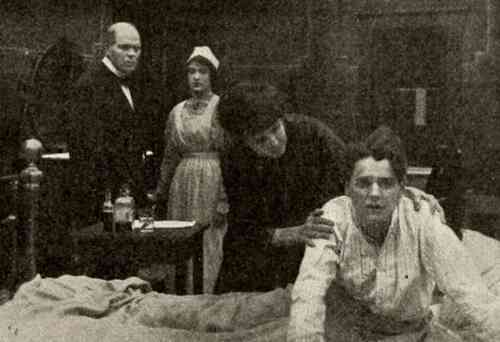
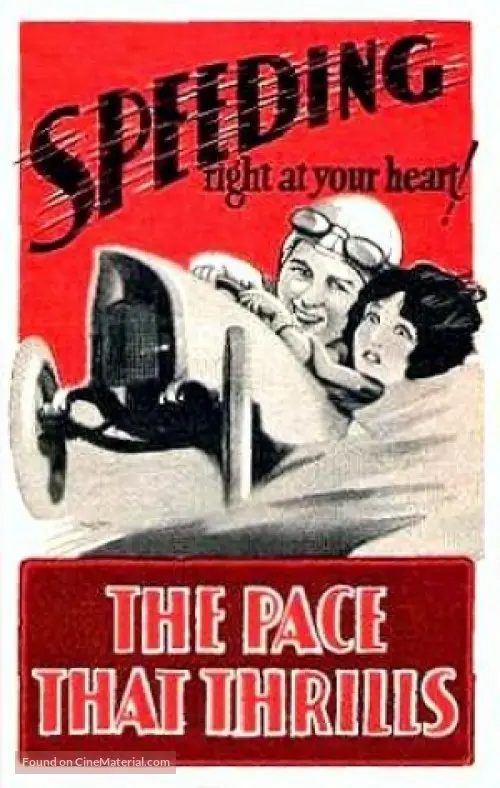
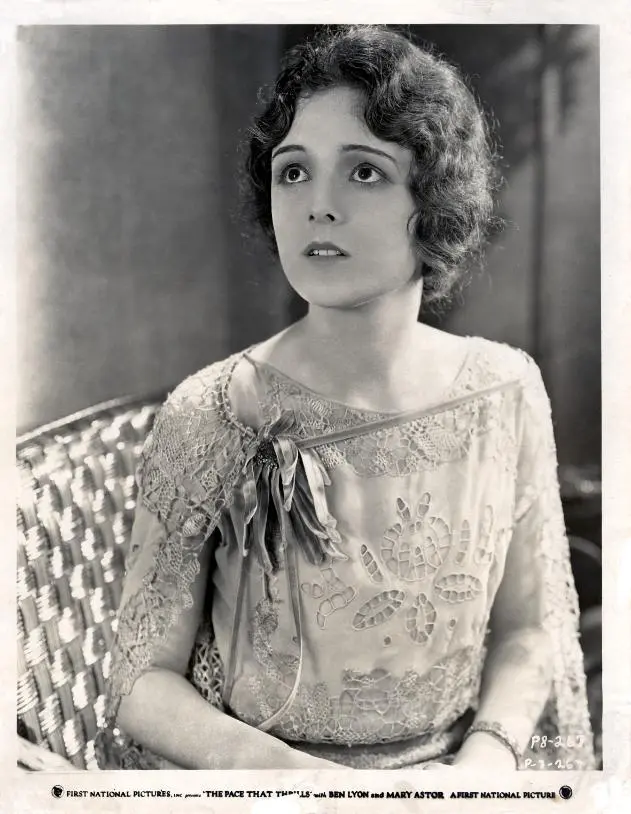
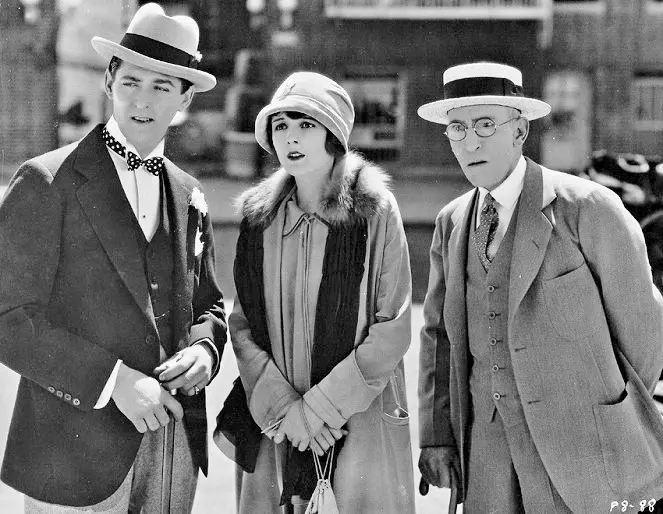
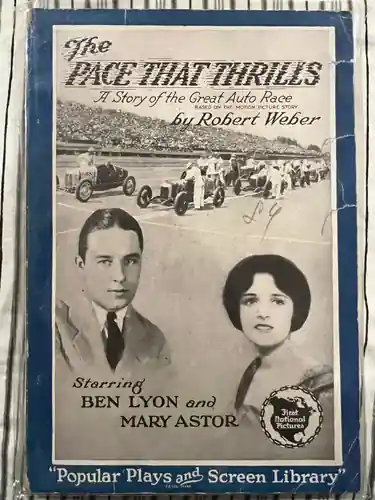
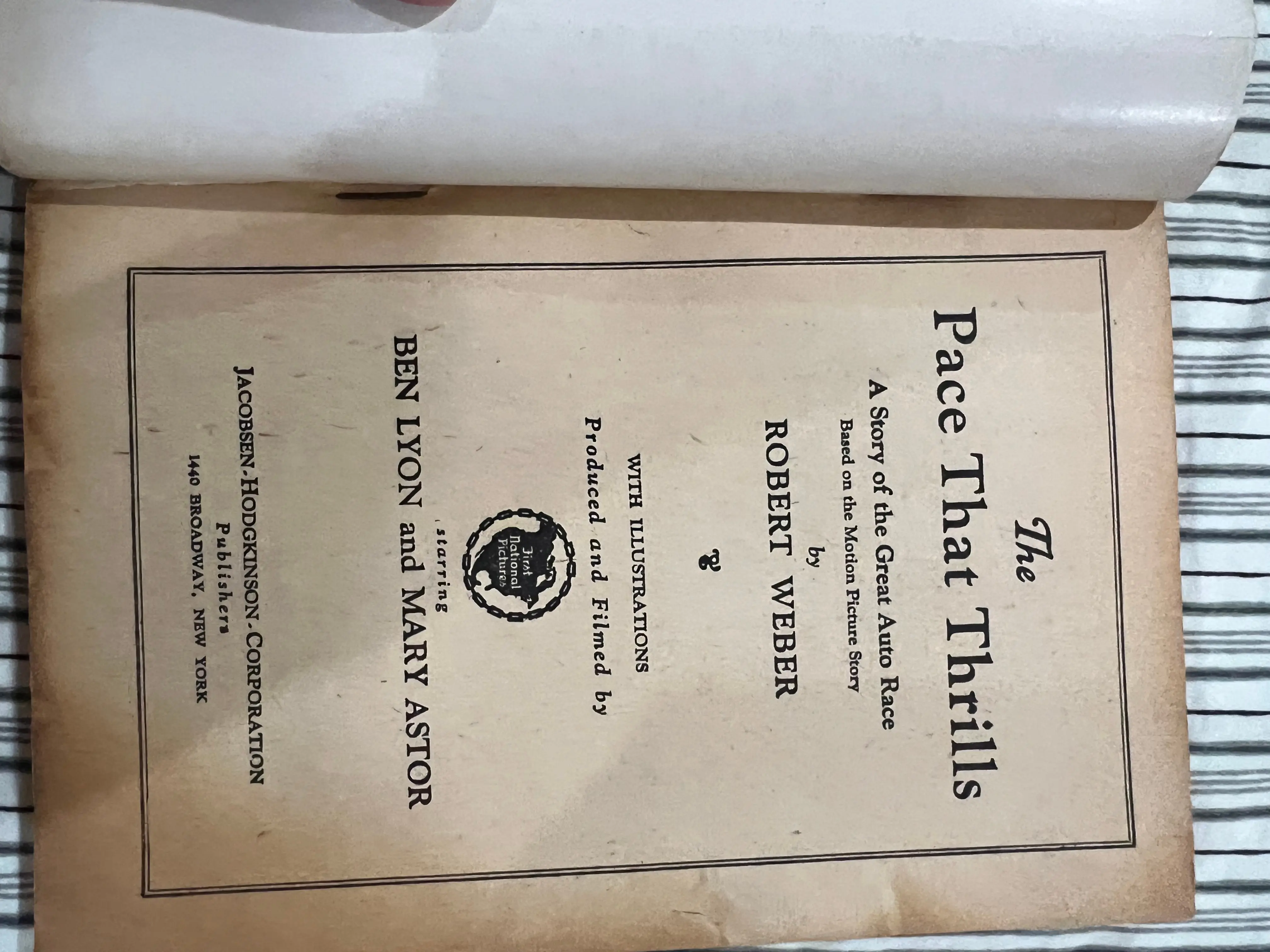
In the pantheon of 1920s cinema, few titles encapsulate the era's obsession with the collision of high-speed modernity and Victorian melodrama quite like The Pace That Thrills. Released in 1925, this First National production serves as a fascinating specimen of the silent era's narrative dexterity, blending the grit ...
still_frame
still_frame
publicity
publicity
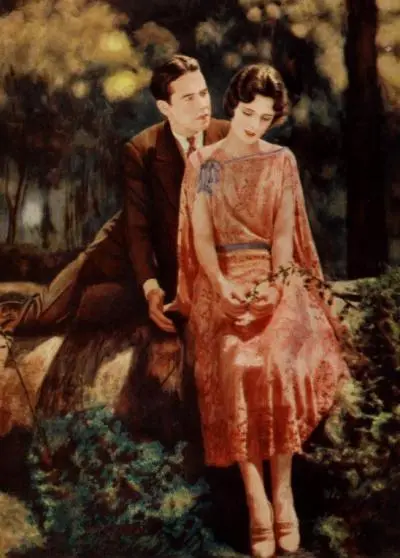
still_frame
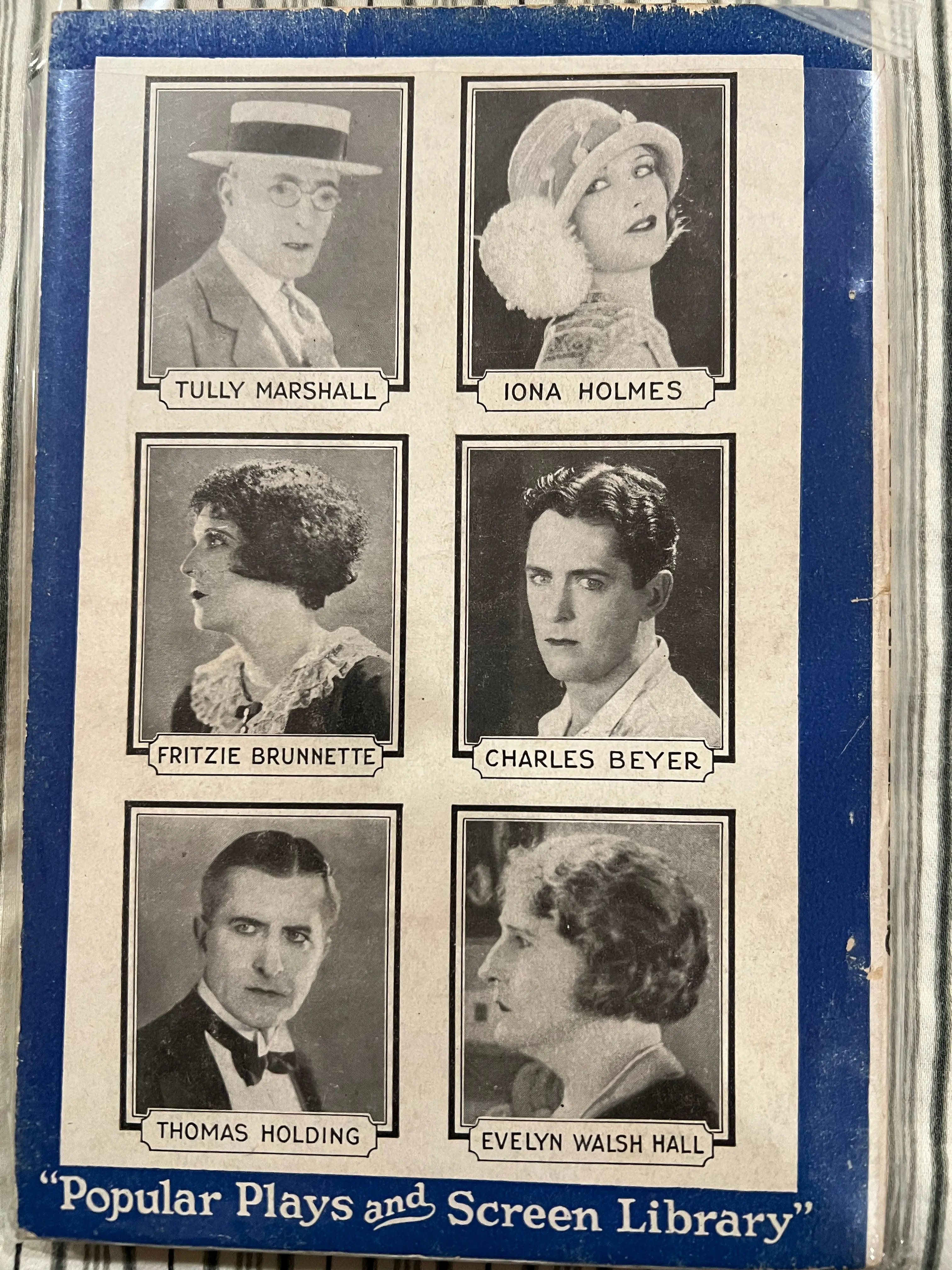
publicity
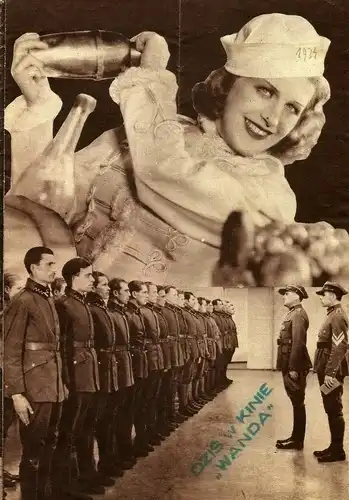
Comparing the cinematic DNA and archive impact of two defining moments in cult history.
Webster Campbell
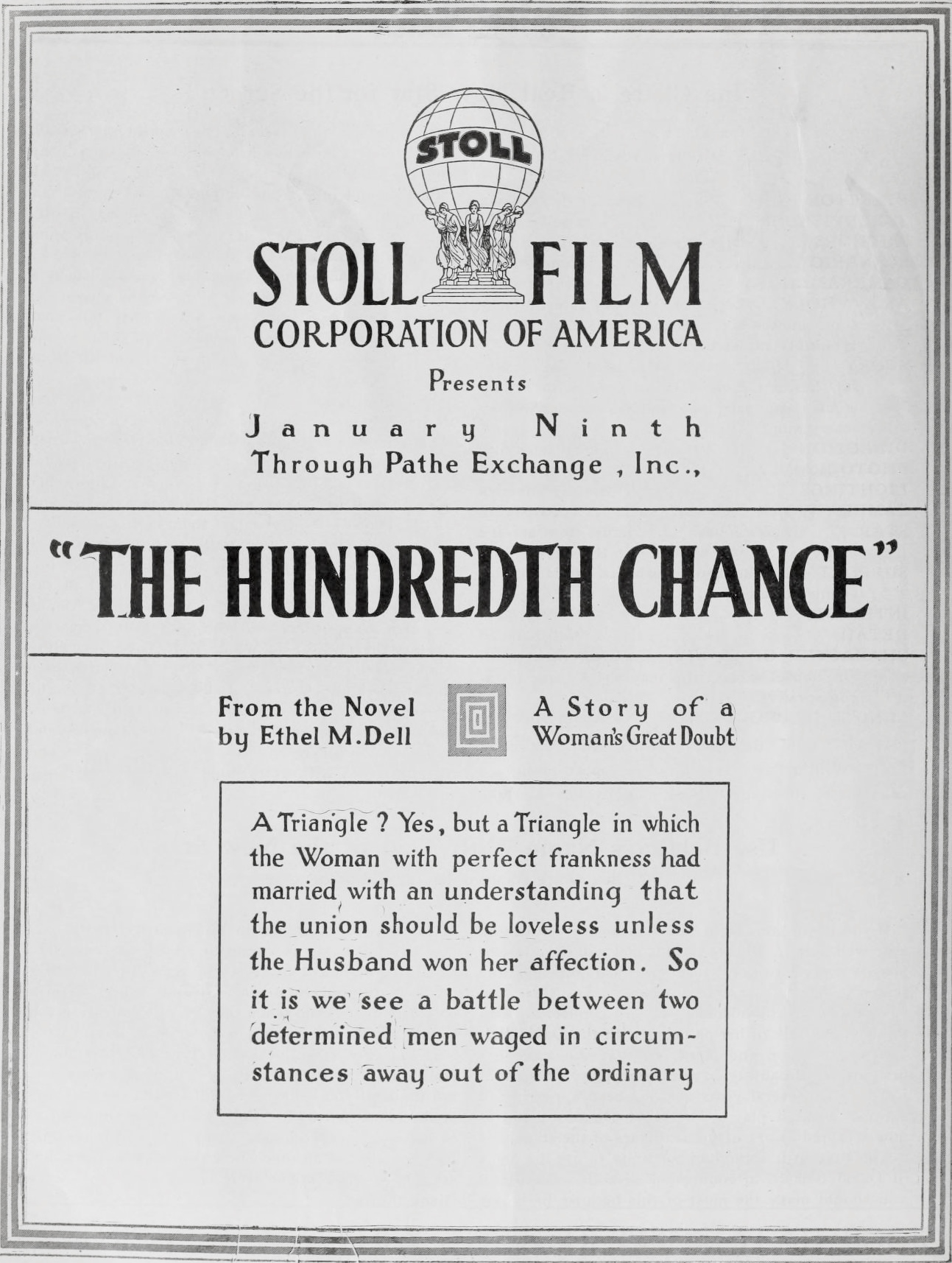
Maurice Elvey
Community
Log in to comment.
" In the pantheon of 1920s cinema, few titles encapsulate the era's obsession with the collision of high-speed modernity and Victorian melodrama quite like The Pace That Thrills. Released in 1925, this First National production serves as a fascinating specimen of the silent era's narrative dexterity, blending the grit of a domestic tragedy with the adrenaline-fueled spectacle of the burgeoning automobile culture. It is a film that demands we look past its flickering frames to understand the prof..."
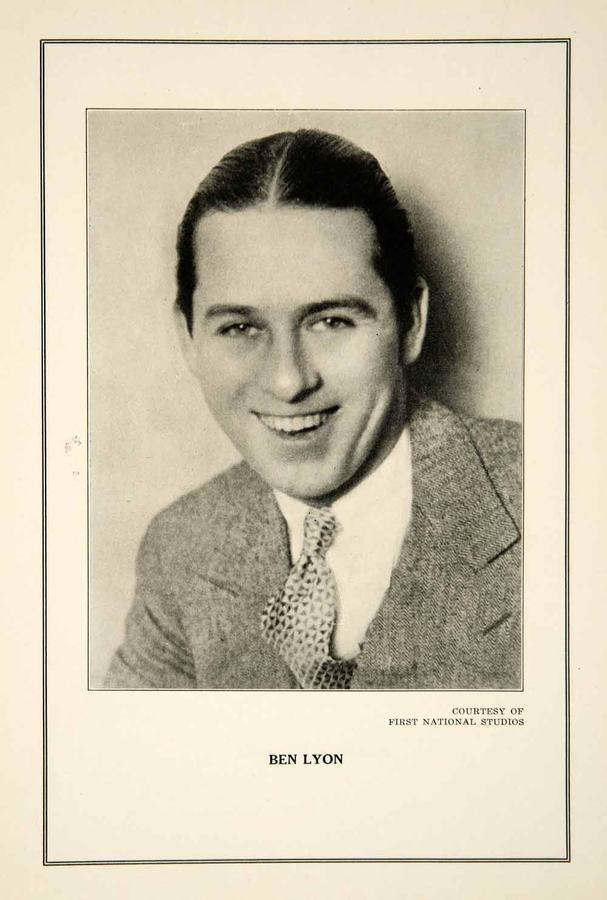
Ben Lyon
Ray Harris, John W. Krafft, Byron Morgan
United States
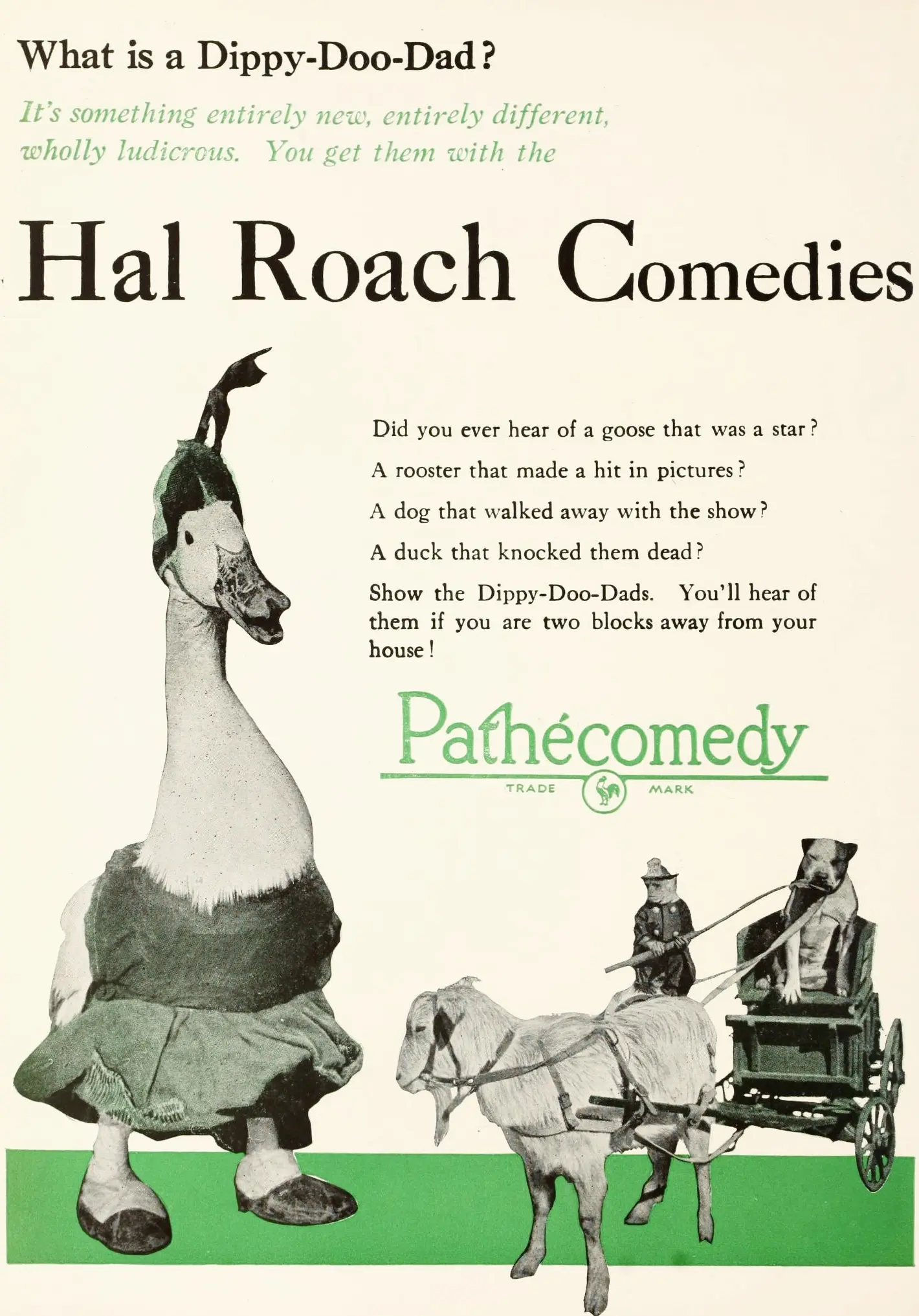
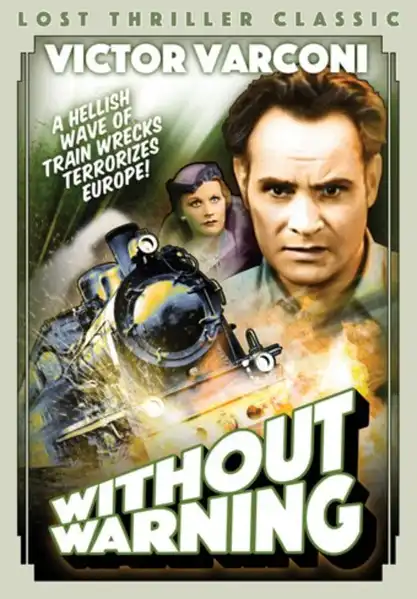
Deep dive into the cult classic
Discover similar cinematic experiences
A Directorial Spotlight on Webster Campbell