DbcultAccessing Vault...
Cult Review
Senior Film Conservator
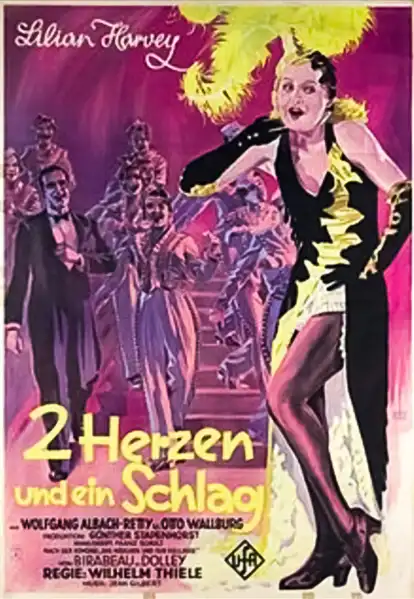
Okay, so if you're curious about *early* talkies, especially from Germany, then Two Hearts Beat as One is absolutely worth digging up. It's a blast for anyone fascinated by how movies figured out sound, and for fans of Lilian Harvey, obviously. You'll probably hate it if you need super slick pacing or stories that feel totally current. It’s got a real charm, but it's also a bit of a historical curiosity.
The premise is simple enough: Lilian Harvey plays Jenny, a singing salesgirl in a department store. She's got this big voice, bigger dreams, and a talent for getting into light trouble. Then there's the composer, Willy, who hears her sing and thinks she's just the ticket for his new operetta. Typical early musical stuff. 🎶
What immediately jumps out is **Lilian Harvey herself**. Her smile could power a small city. She just *radiates* this incredible, almost effortless joy, even when the scene around her feels a little stiff. The camera just loves her, and it’s easy to see why she was such a star.
The film starts in a busy department store, which is a neat setting for 1930. There's a lot of background chatter and ringing phones, all part of the novelty of sound. You can tell they're showing off what they *can* do, even if the sound mix is, well, *of its time*. Sometimes it feels like the dialogue is recorded from across a very large room.
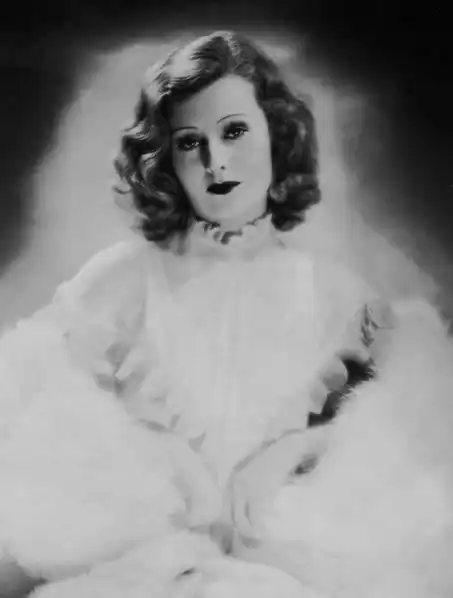
There's a scene where Jenny is showing off hats, and she just *lights up* when she thinks no one's watching, doing little dances. It's not a big moment, but it’s so genuine. You just buy her character, even with the slightly exaggerated expressions everyone used back then.
The songs themselves are pretty catchy. They just kind of *happen* sometimes, you know? Like, one minute people are talking, the next they're belting out a tune. It’s not always the smoothest transition, but that’s part of the early talkie charm. ✨
One of the more memorable supporting characters is Otto Wallburg’s Herr Miller, the department store boss. He's this blustering, slightly put-upon figure, and he gets some good laughs. His reactions to Jenny's antics are often funnier than the antics themselves.
The plot itself, involving mistaken identity with a countess, feels a bit thin. You can almost feel the writers trying to pad it out to feature more songs. It works, mostly, because the energy keeps things moving.
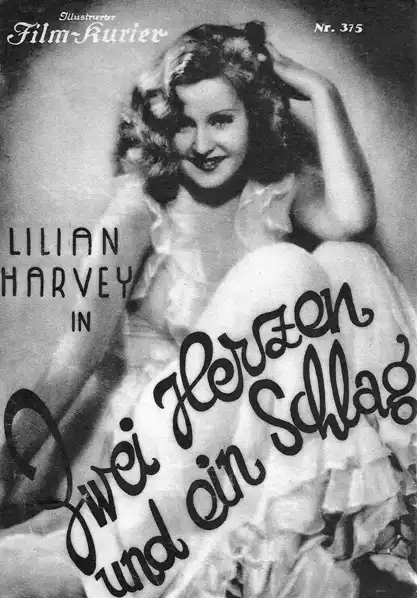
Camera movement is pretty minimal, which isn't surprising for the era. Most shots are fairly static, letting the actors do their thing. But they do manage some nice close-ups on Harvey that really capture her magnetism.
There's a moment during a stage performance near the end where the sound quality actually feels pretty good for a brief stretch. It gives you a glimpse of what they were aiming for, and how quickly the technology must have improved. Then it goes back to being a bit muddled, but still. 🤷♀️
The movie doesn't really try to do anything *deep*. It’s a pure feel-good piece, a musical comedy through and through. It wants you to smile, tap your foot, and maybe forget your troubles for an hour or so. And it mostly succeeds at that. It’s not trying to be The Great Day with its serious drama, that’s for sure.
So, yeah, if you're into film history or just want to see a delightful star shine in one of her earliest sound roles, give it a shot. Don't go in expecting modern polish, but do expect a whole lot of *heart*.
IMDb 7.4
1934
Community
Log in to comment.