DbcultAccessing Vault...
Cult Review
Senior Film Conservator
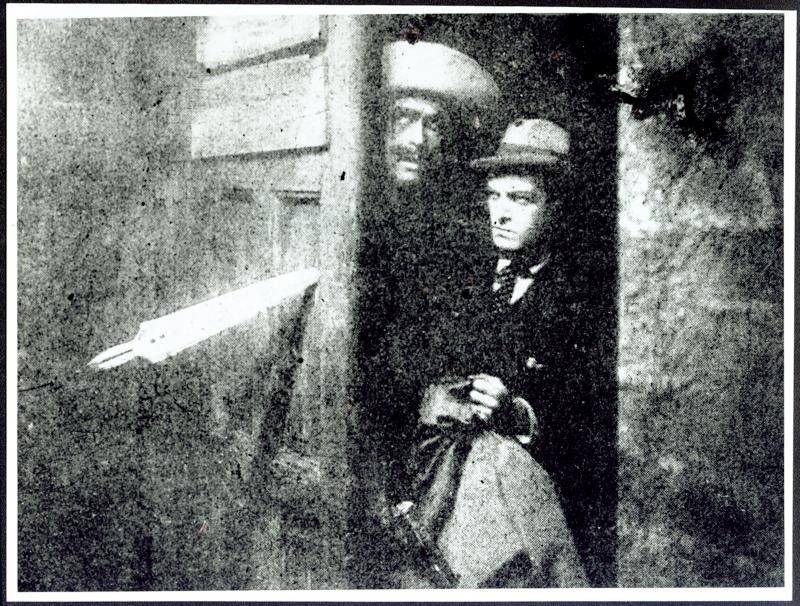
In the nascent years of cinematic storytelling, when the silver screen was still finding its voice, a remarkable Danish production, Udenfor Loven (meaning 'Outside the Law'), emerged to capture the public imagination. Released in 1914, this silent film, penned by Laurids Skands and featuring a compelling ensemble including Alfred Arnbak, Peter Malberg, and Miss Cortland, dared to venture into territories both literal and metaphorical that few films of its era, or even decades later, would contemplate. It is a testament to the ingenuity and adventurous spirit of early European cinema, offering a narrative that transcends its simple premise to explore themes of ambition, the allure of ancient wealth, and the perilous dance between discovery and defiance.
At its core, Udenfor Loven is a tale of extraordinary daring. It introduces us to a singular American protagonist, a figure whose motivations are shrouded in a compelling blend of intrepid spirit and perhaps a touch of reckless abandon. His objective: to recover gold that has lain undisturbed at the bottom of the ocean for a staggering four centuries. This isn't merely a treasure hunt; it's an archaeological excavation, a historical reclamation, and an audacious challenge to the very forces of time and nature. The notion of a 17th-century shipwreck, brimming with riches, provides a potent historical backdrop, imbuing the narrative with a sense of grandeur and a connection to a bygone era of exploration and colonial expansion. The silence of the film only amplifies the profound quiet of the ocean depths, making the retrieval of each gleaming artifact a moment of profound tension and significance.
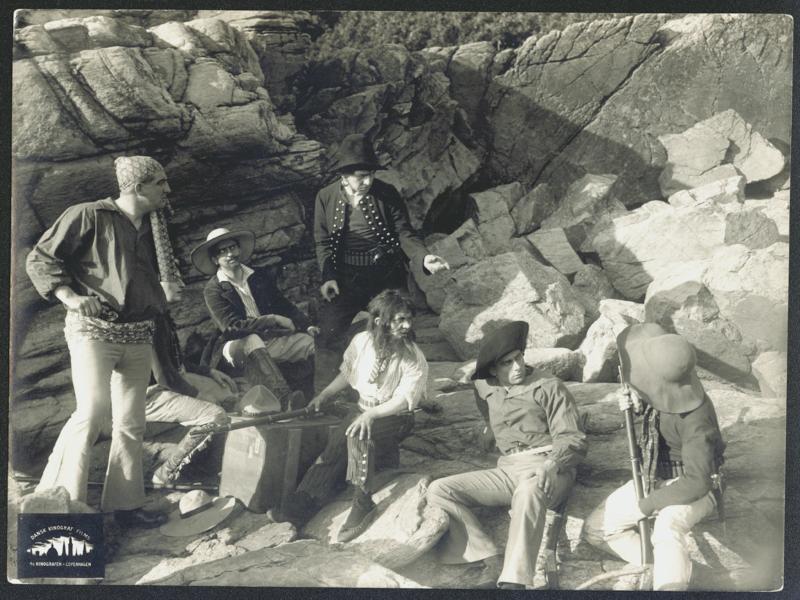
The film, through its visual storytelling, must convey the immense difficulty and danger of such an undertaking. Imagine the crude diving equipment of the early 20th century, the crushing pressure of the deep, the lurking shadows, and the sheer physical exertion required to maneuver ancient, encrusted gold. The 'daring' aspect isn't just a character trait; it's a fundamental requirement for survival. This places the protagonist in a league with other cinematic adventurers of the time, perhaps hinting at the proto-Indiana Jones figures who would dominate later decades. One might even draw a thematic parallel to the relentless pursuit of an elusive goal seen in films like The Footsteps of Capt. Kidd, though the latter leans more into the swashbuckling terrestrial adventure, while Udenfor Loven embraces the eerie silence of the deep.
In a silent film, the burden of character development falls almost entirely upon the actors' physical performances, their facial expressions, and the director's ability to frame and compose. Alfred Arnbak, as the central American figure, would have had to project immense resolve, perhaps a hint of obsession, and an unshakeable determination through his every gesture. The nuances of his quest, the solitude he must endure, and the psychological toll of confronting such ancient wealth would be communicated through subtle shifts in his demeanor, the intensity of his gaze, or the deliberate movements of his body. This is where the artistry of silent acting truly shines, demanding a heightened sense of physical expression that modern cinema often foregoes in favor of dialogue.
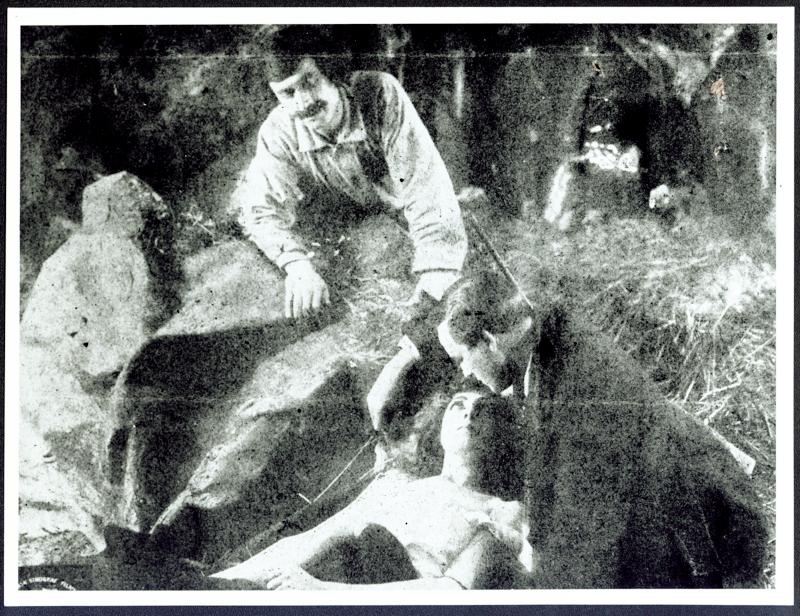
The supporting cast, including stalwarts like Peter Malberg and Georg Christensen, would have played crucial roles in anchoring the narrative, providing reactions, obstacles, or perhaps even reluctant assistance. In the absence of spoken words, every interaction becomes a tableau, a carefully choreographed dance of emotions and intentions. The dynamic between these characters, even if seemingly secondary to the main quest, would serve to contextualize the American's actions, perhaps offering glimpses into the ethical quandaries of claiming such a historical bounty. The film's title, 'Outside the Law,' suggests a moral ambiguity, hinting that the protagonist's actions, while daring, might exist in a grey area, challenging established norms of ownership and international salvage. This thematic depth elevates the film beyond a simple adventure yarn, inviting contemplation on the nature of property and historical legacy.
Udenfor Loven, despite its age, grapples with timeless themes. The allure of gold, an ancient, almost primal motivator, is central. But it's not just the monetary value; it's the historical weight, the story embedded within each coin and artifact. Four hundred years of silence, of oceanic guardianship, gives this treasure a mystique that a newly minted fortune could never possess. The film implicitly asks: what is the true cost of such an endeavor? Is it merely the physical risk, or is there a spiritual or moral price to be paid for disturbing the long-dormant past? The 'outside the law' aspect is particularly intriguing. Does this refer to literal maritime law, or a more profound transgression against the natural order, against the sanctity of history itself?
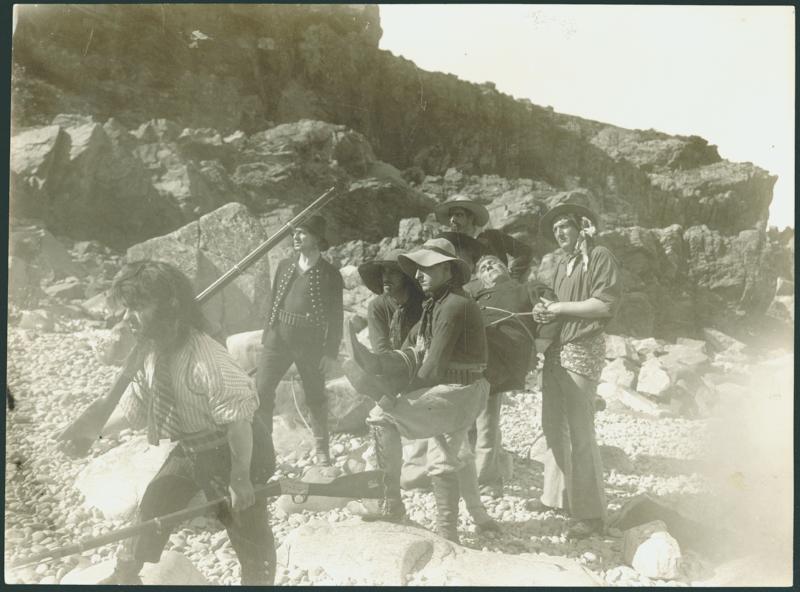
The human spirit's relentless drive to explore, to conquer, and to possess is another powerful undercurrent. The American's journey into the deep can be seen as a metaphor for humanity's insatiable curiosity and its often-ethically ambiguous pursuit of resources and knowledge. This resonates with the broader context of the early 20th century, an era of rapid industrialization, scientific advancement, and continued global exploration. Films like The Storm, while different in plot, might share a similar spirit of humanity confronting overwhelming natural forces, albeit on land rather than beneath the waves. The isolated nature of the American's task, battling not just the elements but potentially rival treasure hunters or the very bureaucracy of international law, adds layers of tension and dramatic possibility.
For a film produced in 1914, the challenges of depicting underwater sequences would have been immense. Without the benefit of modern special effects or even reliable waterproof cameras, the filmmakers would have had to employ ingenious techniques. This might have involved miniature work, clever use of tanks, or even filming on sets designed to mimic the murky depths, relying on lighting and set design to create the illusion. The success of Udenfor Loven would have hinged significantly on its ability to convincingly transport the audience to the ocean floor, to make them feel the claustrophobia and the wonder of the underwater world. The visual language of silent cinema, with its reliance on stark contrasts, dramatic shadows, and expressive compositions, would have been perfectly suited to conveying the eerie beauty and inherent danger of the deep.
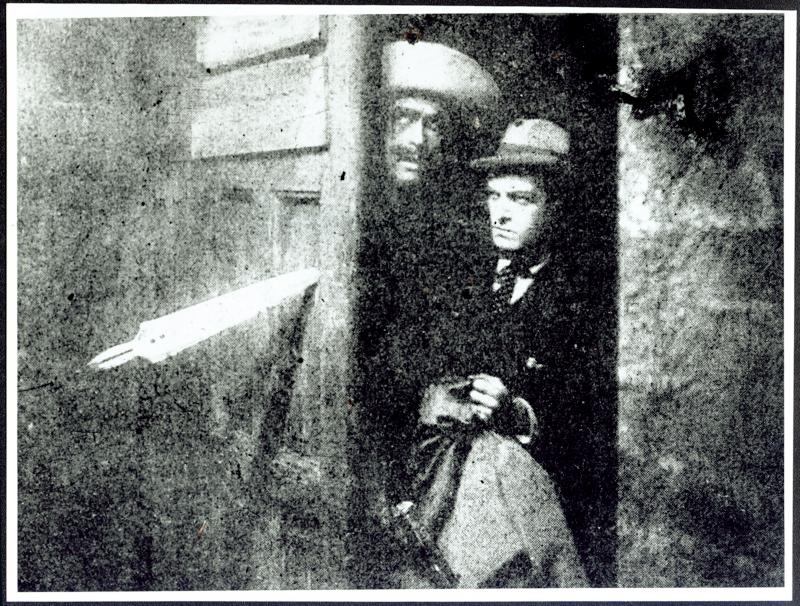
The direction, presumably guided by Laurids Skands himself (who also wrote the film), would have focused on clear visual cues, strong mise-en-scène, and pacing that built suspense without the aid of sound. Intertitles would have been crucial, not just for dialogue but for providing expository information, setting the scene, and conveying the passage of time or the scale of the undertaking. The film's ability to maintain narrative momentum and emotional engagement through purely visual means is a hallmark of early cinematic mastery. One can imagine sequences of the protagonist descending, the gradual fading of light, the discovery of the wreck, and the painstaking process of retrieval, all conveyed with a deliberate rhythm designed to heighten audience anticipation. This visual ingenuity is a common thread in many silent era films, from the grand historical epics like The Battles of a Nation to more intimate dramas like Seventeen, where the camera itself becomes a powerful narrator.
Denmark played a surprisingly significant role in the early development of cinema, often producing films of remarkable technical quality and thematic ambition. Nordisk Film, one of the world's oldest film studios, was a powerhouse, and films like Udenfor Loven exemplify the innovative spirit of the Danish industry. They were not afraid to tackle complex narratives or technically challenging subjects. This film stands as a testament to that era, showcasing talent like Laurids Skands, who not only wrote but likely had a strong hand in shaping the visual execution. The actors, too, were part of a burgeoning profession, honing their craft in a medium that was still defining its own language. The contributions of figures like Peter Malberg, who would go on to have a long and distinguished career, speak to the deep pool of talent available to Danish filmmakers at the time.
Comparing Udenfor Loven to other contemporary works reveals its distinctiveness. While films like The Lotus Woman or Bondage might have explored social dramas or melodramas, Udenfor Loven carved out a niche in the adventure genre, pushing boundaries of what could be depicted on screen. It demonstrated that silent cinema was capable of grand spectacle and gripping suspense, engaging audiences not just emotionally but intellectually. The ambition to depict an underwater treasure hunt, even with the technological limitations, is itself a bold declaration of cinematic intent, aiming to transport viewers to exotic and dangerous locales without ever leaving the comfort of the picture palace.
Even a century later, the premise of Udenfor Loven retains its powerful allure. The idea of untold riches lying forgotten beneath the waves, waiting for a daring individual to reclaim them, is a timeless fantasy. The film, in its silent grandeur, taps into universal human desires for adventure, wealth, and the thrill of the forbidden. It serves as a valuable historical document, offering a glimpse into the early techniques of cinematic storytelling and the creative prowess of its pioneers. For film historians and enthusiasts, it provides a window into a specific moment in Danish and global film history, showcasing the diverse range of narratives being explored before the advent of sound changed everything.
The work of Laurids Skands, both as a writer and likely as a driving force behind the film's production, deserves recognition. His vision for a story that combines historical intrigue with high-stakes adventure demonstrates a keen understanding of what captivated audiences. The performances of the cast, particularly Alfred Arnbak and Peter Malberg, embody the dramatic intensity required for silent cinema, communicating volumes without uttering a single word. While perhaps not as widely known today as some of its contemporaries, Udenfor Loven remains a fascinating artifact of early cinema, a testament to the boundless imagination that fueled the industry's formative years. It reminds us that even 'outside the law,' within the boundless imagination of filmmakers, truly groundbreaking stories can be found, waiting to be unearthed, much like the gold from the ocean's depths.
This film, like many silent treasures, invites us to engage with cinema on a different level—to observe, to interpret, and to feel the story not through dialogue, but through the universal language of image and gesture. Its narrative of a lone American defying odds to claim a 400-year-old fortune is a powerful reminder of the enduring human fascination with treasure, history, and the untamed frontiers of the world, both above and below the surface. A true gem, waiting to be rediscovered by a new generation of cinephiles, much like the ancient gold itself.

IMDb 5.5
1929
Community
Log in to comment.