DbcultAccessing Vault...
6.5/10
Senior Film Conservator
A definitive 6.5/10 rating for a film that redefined the boundaries of cult cinema. Under Two Flags remains a cornerstone of transgressive art.
Stepping back into the flickering, sepia-toned world of early cinema, one often encounters narratives grander than life, replete with operatic emotion and unbridled melodrama. Few films from this nascent era embody such characteristics with the raw power and enduring fascination as J. Gordon Edwards' 1916 adaptation of Ouida's sprawling novel, Under Two Flags. This cinematic endeavor, a vehicle for the incomparable Theda Bara, the original 'vamp,' is not merely a historical curiosity; it is a vibrant, if sometimes quaint, testament to the storytelling prowess and star power that defined the silent era. It’s a sweeping romance, a military drama, and a poignant exploration of honor, sacrifice, and the labyrinthine complexities of love, all set against the exotic, perilous backdrop of colonial Algeria.
At its heart, Under Two Flags unravels the tortured existence of Lewis Victor, portrayed with brooding intensity by Stuart Holmes. Victor is not who he seems; his true identity is Bertie Cecil, a scion of British aristocracy, forced into the anonymity and brutal discipline of the French Foreign Legion. His ignominious flight from England stems from a noble, if misguided, act: shielding his wastrel brother from the repercussions of a crime that would have shattered their family's esteemed name. This foundational premise, a man living under a false identity burdened by a secret shame, immediately draws parallels to other narratives of hidden lineage and social ostracism, albeit with a unique military twist. While not directly comparable in setting, the thematic resonance of a character grappling with a past they cannot escape, much like the unfortunate protagonist in Monsieur Lecoq, or the social disgrace faced by figures in tales like Oliver Twist or even the perceived dishonor in Little Lord Fauntleroy, provides a rich vein of dramatic tension that silent films excelled at mining.
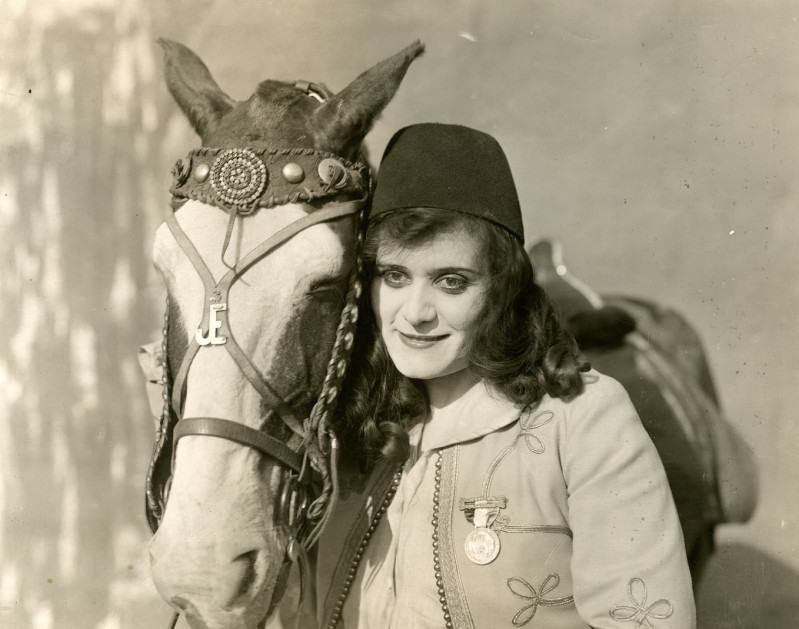
Victor's world in Algeria is a powder keg of personal and political strife. His commanding officer, a figure of relentless malevolence, harbors an inexplicable hatred for him, constantly orchestrating his placement in the most perilous skirmishes. This antagonism, a classic trope of the unfairly persecuted hero, amplifies the inherent dangers of military life in a war-torn region. But it is in the realm of his personal relationships that Victor's predicament truly blossoms into high drama. Enter Cigarette, the fiery, untamed camp follower, brought to life with magnetic force by Theda Bara. Cigarette is not merely a love interest; she is a force of nature, embodying loyalty, passion, and a fierce, almost primal, devotion to Victor. Her love is unconditional, consuming, and tragically unrequited, for Victor's heart belongs to another, a woman of refined grace and unattainable elegance, representing the world he left behind. This classic love triangle, with its inherent power imbalances and emotional turmoil, is a narrative engine that drives much of the film's emotional weight.
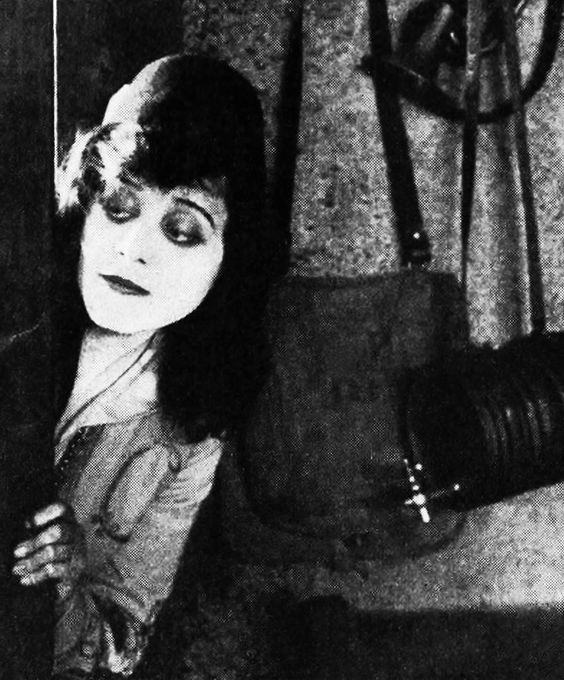
Theda Bara's portrayal of Cigarette is, without question, the pulsating heart of Under Two Flags. By 1916, Bara had already cemented her status as the screen's first true 'vamp' – a seductive, dangerous, yet ultimately tragic figure who captivated audiences with her exotic allure and intense screen presence. Her performance here is a masterclass in silent film acting, utilizing exaggerated gestures, piercing gazes, and a physicality that conveys a torrent of emotion without a single spoken word. She perfectly embodies Ouida's original creation: a wild, free spirit, fiercely independent, yet utterly vulnerable in her love. Bara's Cigarette is not just a woman; she is a symbol of untamed passion, a stark contrast to the rigid codes of honor and military discipline that govern Victor's life. Her sacrifice, when it inevitably comes, is imbued with a profound pathos that resonates long after the final fade-out. It's a performance that stands shoulder-to-shoulder with her iconic turns in films like A Yoke of Gold or The Eternal Sappho, further solidifying her legacy as a silent screen legend whose charisma transcended the limitations of the medium.
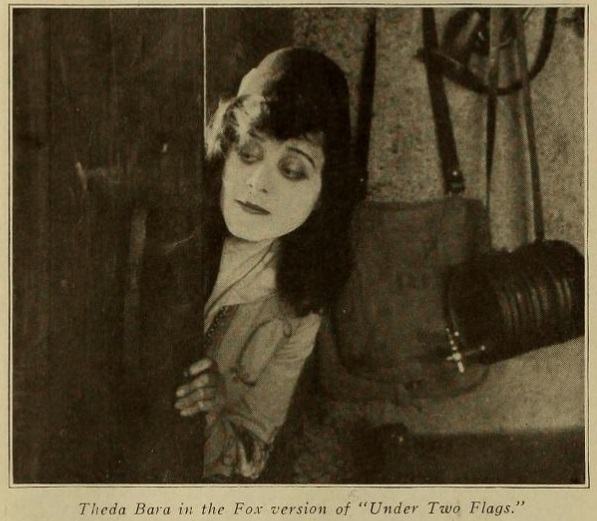
The film's visual language, while adhering to the conventions of its time, skillfully evokes the harsh beauty and political tension of Algeria. The cinematography, though perhaps rudimentary by modern standards, effectively captures the sweeping landscapes and the gritty reality of military encampments. The staging of battle sequences, while not on the scale of later epics, conveys a palpable sense of danger and chaos, underscoring the constant threat to Victor's life. The use of elaborate costumes and sets, particularly in the depiction of the French officers and the local Algerian populace, adds a layer of authenticity and visual richness that would have been vital in transporting audiences to this faraway land. The directorial choices of J. Gordon Edwards, working from a screenplay by Arthur Shirley and George Edwardes-Hall (adapting Ouida's novel), demonstrate a clear understanding of how to translate a sprawling literary work into a compelling visual narrative. He prioritizes emotional impact and character development, allowing the melodrama to unfold naturally within the confines of the narrative, rather than feeling forced.
The themes explored in Under Two Flags are timeless. Honor, specifically the notion of a gentleman's honor and the lengths one would go to preserve it, even at great personal cost, is central. Victor's sacrifice for his brother, his willingness to live a lie and endure hardship, speaks volumes about the societal expectations and personal integrity of the era. This theme of honor and perceived disgrace echoes through many literary and cinematic works of the period, reflecting a society deeply concerned with reputation. Furthermore, the film delves into the complexities of love in its various forms: the devoted, self-sacrificing love of Cigarette; the unattainable, idealized love Victor holds for another; and the familial love that sets the entire tragic chain of events in motion. Betrayal, both personal and systemic, also plays a significant role, particularly in the commandant's relentless persecution of Victor and the original act of betrayal by Victor's brother. These universal themes ensure that despite its age, the film retains a certain emotional resonance.
The return of Victor's brother, the catalyst for his original exile, serves as the dramatic turning point, offering a glimmer of hope for redemption and the potential for Victor to reclaim his true identity and honor. This narrative arc, a journey from disgrace to potential vindication, is a powerful one, providing a satisfying, if bittersweet, resolution to Victor's trials. The film masterfully builds towards this climax, ensuring that the audience is fully invested in Victor's fate and the hope for his eventual exoneration. The tension is palpable as the various narrative threads converge, leading to a dramatic confrontation that will determine the course of several lives. The resolution, while offering a form of justice, is not without its emotional casualties, emphasizing the high price of honor and love.
Beyond its narrative strengths, Under Two Flags also offers valuable insight into the production values and artistic sensibilities of early 20th-century American cinema. The film's ambitious scope, its use of location shooting (or convincing sets designed to mimic it), and the sheer scale of the cast involved in portraying military life, all speak to the rapidly evolving capabilities of the film industry. It was a time of experimentation and grand gestures, where the nascent art form was still discovering its own language. The film’s success, largely propelled by Bara’s star power, underscored the growing appetite of audiences for dramatic, exotic tales and the magnetic allure of charismatic performers. It was a time when cinema was truly becoming a mass medium, captivating millions with its silent stories.
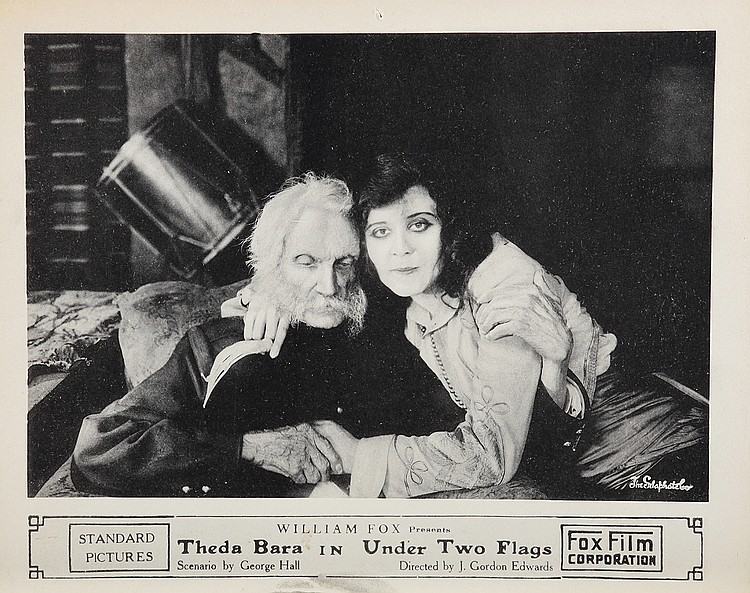
Comparing Under Two Flags to other films of the era illuminates its place within the cinematic landscape. While it shares the romantic melodrama of films like Az éjszaka rabja or La voix d'or, its unique setting in the French Foreign Legion adds an adventurous, action-oriented dimension that sets it apart. The exploration of military life and colonial conflict, even if romanticized, offers a different flavor than the more domestic dramas or urban thrillers prevalent at the time. The film's portrayal of a strong, unconventional female character in Cigarette, while tragic, also aligns with the burgeoning independence of women being depicted on screen, albeit often within the confines of dramatic archetypes like the 'vamp.' This nuanced portrayal prevents Cigarette from being a mere damsel in distress; she is an active agent in her own destiny, even when that destiny is shaped by unrequited love.
The literary origins of Under Two Flags are also noteworthy. Ouida's novel, a sensation in its day, was known for its vivid descriptions and passionate storytelling. Adapting such a dense work for the silent screen presented its own set of challenges, requiring the filmmakers to distil the essence of the plot and characters into a visually coherent narrative. The reliance on intertitles to convey dialogue and exposition, while necessary, also highlights the skill involved in crafting a story that could be understood and felt without spoken words. The success of this adaptation speaks to the filmmakers' ability to capture the spirit of the source material while translating it effectively for a new medium. It's a testament to the collaborative artistry of writers, directors, and performers in the early studio system.
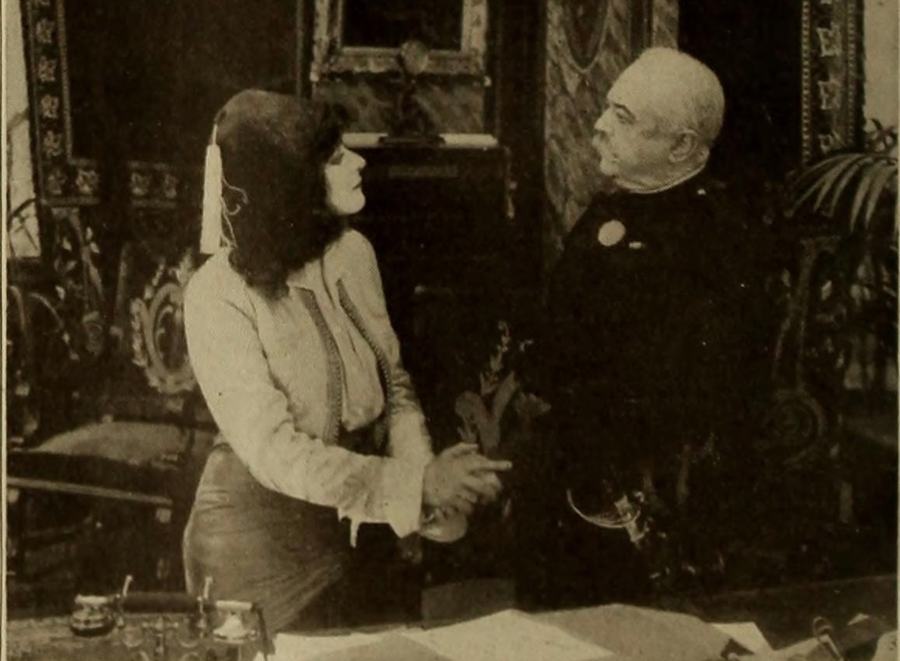
The legacy of Under Two Flags is inextricably linked to Theda Bara. While other cast members like Stuart Holmes, Peggy Davis, and Herbert Heyes delivered commendable performances, it was Bara's star power that drew audiences in. Her exoticism, her ability to project raw emotion, and her carefully cultivated 'vamp' persona made her an icon. This film, like many of her others, contributed to the mythology surrounding her, cementing her place as one of cinema's earliest and most impactful sex symbols. Her influence stretched beyond the screen, shaping fashion, attitudes, and the very concept of female allure in popular culture. Without Bara, the film would likely be a mere footnote; with her, it remains a captivating example of early star-driven cinema.
In retrospect, Under Two Flags is a fascinating artifact that offers a window into the past—not just cinematic history, but also the cultural sensibilities of a bygone era. It's a film that demands appreciation for its ambition, its emotional heft, and the powerhouse performance of its leading lady. While some elements might appear quaint or overly dramatic to contemporary eyes, one cannot deny its enduring power to entertain and evoke genuine emotion. It reminds us of a time when cinema was pure spectacle, a grand canvas for larger-than-life stories and unforgettable characters. For those interested in the evolution of film, the silent era, or the captivating career of Theda Bara, this film is an essential viewing experience, a vibrant piece of cinematic heritage that continues to resonate with its themes of love, honor, and the complex tapestry of human fate.
It’s a journey into a world where every glance, every gesture, and every intertitle carried the weight of a thousand words, where the absence of sound only amplified the visual storytelling. Under Two Flags stands as a testament to the enduring appeal of melodrama, the magnetic pull of a tragic heroine, and the timeless struggle between duty and desire. It’s a film that, despite its age, still manages to unfurl a compelling narrative, proving that true artistry, even in its earliest forms, possesses an immutable power to connect with audiences across generations. A truly compelling watch for any connoisseur of classic Hollywood, it solidifies the foundational elements that would define the industry for decades to come, proving that sometimes, the most profound stories are told in silence, painted with broad strokes of passion and peril against a vast, indifferent world.
IMDb —
1917
Community
Log in to comment.